The art of cooking
AI CHEF Blog

Mastering the Art of Meal Prepping: Your Guide to Healthy Eating
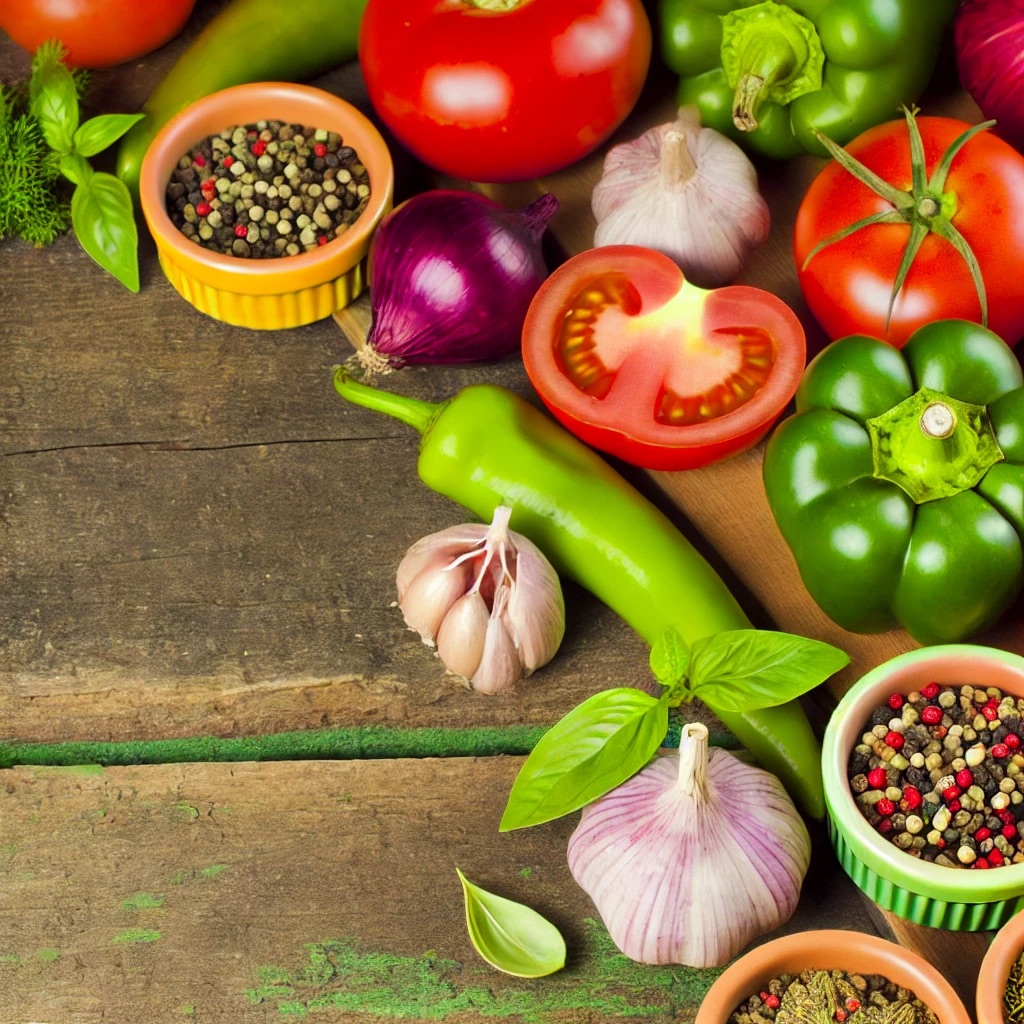
In today's fast-paced world, finding time to eat healthily can often feel like an impossible task. Between busy work schedules, family obligations, and social commitments, many people find themselves resorting to fast food or processed meals that are convenient but not nutritious. This is where meal prepping comes into play. Meal prepping is the practice of preparing meals in advance, giving you the ability to eat healthy, home-cooked meals throughout the week without the hassle of daily cooking. In this comprehensive guide, we will explore the art of meal prepping, its benefits, and practical tips to help you get started on your journey to healthier eating.
The Benefits of Meal Prepping
-
Saves Time: One of the primary benefits of meal prepping is the time saved during the week. By dedicating a few hours on the weekend or your day off to prepare meals, you can eliminate the daily stress of deciding what to cook, grocery shopping, and cooking itself. You can simply grab a pre-made meal and reheat it when you're ready to eat.
-
Promotes Healthier Eating: When you meal prep, you have control over the ingredients you use. This means you can avoid processed foods and unhealthy ingredients, ensuring your meals are packed with nutrients. You can also cater to specific dietary needs, whether it's low-carb, vegan, gluten-free, or anything in between.
-
Saves Money: Preparing meals at home is typically more cost-effective than eating out or buying pre-packaged meals. By planning your meals and shopping accordingly, you can reduce food waste and take advantage of sales or bulk purchasing.
-
Portion Control: Meal prepping allows you to control your portion sizes, which can be particularly beneficial if you’re trying to lose weight or maintain a healthy diet. By preparing meals in advance, you're less likely to overeat or indulge in unhealthy snacks.
-
Reduces Stress: With meals prepped and ready to go, you eliminate the stress of last-minute cooking and the temptation to order takeout. You’ll find it easier to stick to your healthy eating goals when you have meals ready to enjoy.
Getting Started with Meal Prepping
Step 1: Plan Your Meals
Before you can start meal prepping, you need to decide what meals you want to prepare for the week. Consider your schedule and how many meals you'll need. Here are some tips for planning:
- Choose Simple Recipes: Start with recipes that are easy to prepare and can be stored well in the refrigerator or freezer. Think about one-pot meals, casseroles, salads, or stir-fry.
- Balance Your Meals: Aim for a balance of protein, healthy fats, and carbohydrates in each meal. Incorporate plenty of fruits and vegetables to ensure you're getting a variety of nutrients.
- Make a Shopping List: Once you have your meals planned, create a shopping list of all the ingredients you'll need. This will help you stay organized and ensure you have everything on hand when it’s time to cook.
Step 2: Shop Smart
When it comes to grocery shopping for meal prep, consider these tips:
- Shop the Perimeter: Most grocery stores stock fresh produce, meats, and dairy around the perimeter. These items are generally healthier than processed foods found in the aisles.
- Buy in Bulk: Purchasing items in bulk can save you money. Grains, beans, and frozen vegetables are great options that store well and can be used in various recipes.
- Look for Sales: Keep an eye out for sales and discounts on protein sources and fresh produce. Buying seasonal fruits and vegetables can also save you money and enhance the flavor of your meals.
Step 3: Cook Efficiently
Now that you have your meals planned and groceries purchased, it's time to get cooking. Here are some tips for efficient cooking:
- Batch Cooking: Prepare large quantities of staple ingredients such as grains, proteins, and roasted vegetables that can be used across multiple meals. For example, cooking a big batch of quinoa can serve as the base for salads, bowls, or sides throughout the week.
- Use One-Pot Recipes: Minimize cleanup time by choosing recipes that require fewer pots and pans. One-pot meals can often be made in a single skillet, making cooking and cleanup a breeze.
- Invest in Good Containers: Quality containers are essential for meal prepping. Look for BPA-free plastic or glass containers that are microwave and dishwasher safe. Choose various sizes to accommodate different meal types.
Step 4: Store Your Meals
Proper storage is crucial for keeping your meals fresh and safe to eat. Here are some guidelines:
- Label and Date Containers: Always label your containers with the meal name and date prepared. This will help you keep track of freshness and avoid eating spoiled food.
- Freeze for Longevity: If you prepare meals for an extended period, consider freezing some of them. Many meals can be frozen and reheated later without losing flavor or texture.
- Keep It Cool: Store meals in the refrigerator at 40°F (4°C) or below to prevent bacterial growth. Consume meals within 3-5 days for optimal freshness.
Meal Prep Ideas
To inspire your meal prepping journey, here are some easy and healthy meal prep ideas:
-
Breakfast: Overnight oats are a quick and nutritious breakfast option. Prepare individual jars with oats, milk or yogurt, and your choice of toppings like fruits, nuts, and seeds. Another option is egg muffins, made by whisking eggs with vegetables and cheese, pouring them into muffin tins, and baking until set.
-
Lunch: Grain bowls are versatile and easy to customize. Start with a base of quinoa or brown rice, add your choice of protein (chicken, tofu, or beans), and top with roasted vegetables and a dressing. Separate components in containers to maintain freshness until ready to eat.
-
Dinner: Stir-fry is a fantastic meal prep option. Cook a large batch of stir-fried protein and vegetables, and serve it over rice or noodles. You can also prepare casseroles or baked dishes that can be portioned out for the week.
-
Snacks: Portion out healthy snacks like hummus with carrot sticks, Greek yogurt with fruit, or mixed nuts into individual containers for easy grab-and-go options.
Common Meal Prep Mistakes to Avoid
While meal prepping can be incredibly beneficial, there are some common pitfalls to watch out for:
- Overcomplicating Recipes: Keep it simple, especially when you're just starting. Choose straightforward recipes that don’t require extensive ingredients or complicated cooking techniques.
- Skipping the Plan: Failing to plan can lead to a lack of structure in your meal prep. Take the time to create a weekly meal plan that outlines what you’ll prepare and when.
- Not Sticking to a Schedule: Consistency is key. Set aside a specific day and time each week for meal prepping to establish a routine that works for you.
Conclusion
Mastering the art of meal prepping can transform your approach to healthy eating and meal management. By planning ahead, shopping smart, cooking efficiently, and storing meals properly, you can ensure that you have nutritious, delicious meals ready to enjoy throughout the week. Whether you’re looking to save time, eat healthier, or stick to a budget, meal prepping is a valuable skill that can benefit anyone. So roll up your sleeves, gather your ingredients, and start your meal prepping adventure today!
Related articles
 Mastering the Art of Meal Prepping
Your Guide to Healthy Eating
 The Beginner's Guide to Meal Prepping
Save Time and Eat Well
 10 Meal Prepping Tips for a Healthier Lifestyle
 Meal Prep 101
How to Start and Stick with It
 The Benefits of Meal Prepping
Save Time and Eat Healthy
 How Meal Prepping Can Transform Your Weeknight Dinners
 Healthy Meal Prep Ideas for Busy Professionals
 Budget-Friendly Meal Prepping
Eat Healthy Without Breaking the Bank
 The Best Containers for Meal Prepping
Organize Your Meals Like a Pro
 Meal Prep for Weight Loss
Tips and Tricks
 The Ultimate Meal Prep Guide for Families
 Quick and Easy Meal Prep Recipes for the Busy Week Ahead
 How to Meal Prep for Special Diets
Vegan, Keto, and More
 The Science of Meal Prepping
How It Helps You Eat Healthy
 Meal Prepping for Fitness
Fuel Your Workouts with Healthy Meals
 The Art of Batch Cooking
A Perfect Companion to Meal Prepping
 Meal Prep Hacks
Save Time and Reduce Food Waste
 How to Create a Meal Prep Schedule That Works for You
 Meal Prep Essentials
Tools and Ingredients You Need
 Healthy Grab-and-Go Meal Prep Ideas for Busy Days
 The Psychology Behind Meal Prepping
Why It Works
 How to Meal Prep for a Whole Month
Tips and Recipes
 Meal Prep Storage Solutions
Keep Your Food Fresh and Tasty
 The Best Meal Prep Ideas for Picky Eaters
 Sustainable Meal Prepping
How to Be Eco-Friendly in Your Kitchen
 Meal Prep for Beginners
Common Mistakes to Avoid
 Delicious Meal Prep Ideas That Even Kids Will Love
 Meal Prep and Mindfulness
Enjoying Your Food More
 Meal Prep Inspiration
Creative Recipes to Try This Week
 Time-Saving Meal Prep Tips for Students on the Go
 How to Use Leftovers in Your Meal Prep Strategy
 Meal Prep for Seniors
Easy and Nutritious Ideas
 The Art of Meal Prepping
Finding Balance in Your Diet
 Meal Prepping for Athletes
Fueling Your Performance
The Best Meal Prep Apps to Keep You Organized
How to Make Meal Prep Fun
Involve the Whole Family
Meal Prep Myths Debunked
What You Need to Know
The Future of Meal Prepping
Trends to Watch Out For
Categories


