The art of cooking
AI CHEF Blog

The Beginner's Guide to Meal Prepping: Save Time and Eat Well
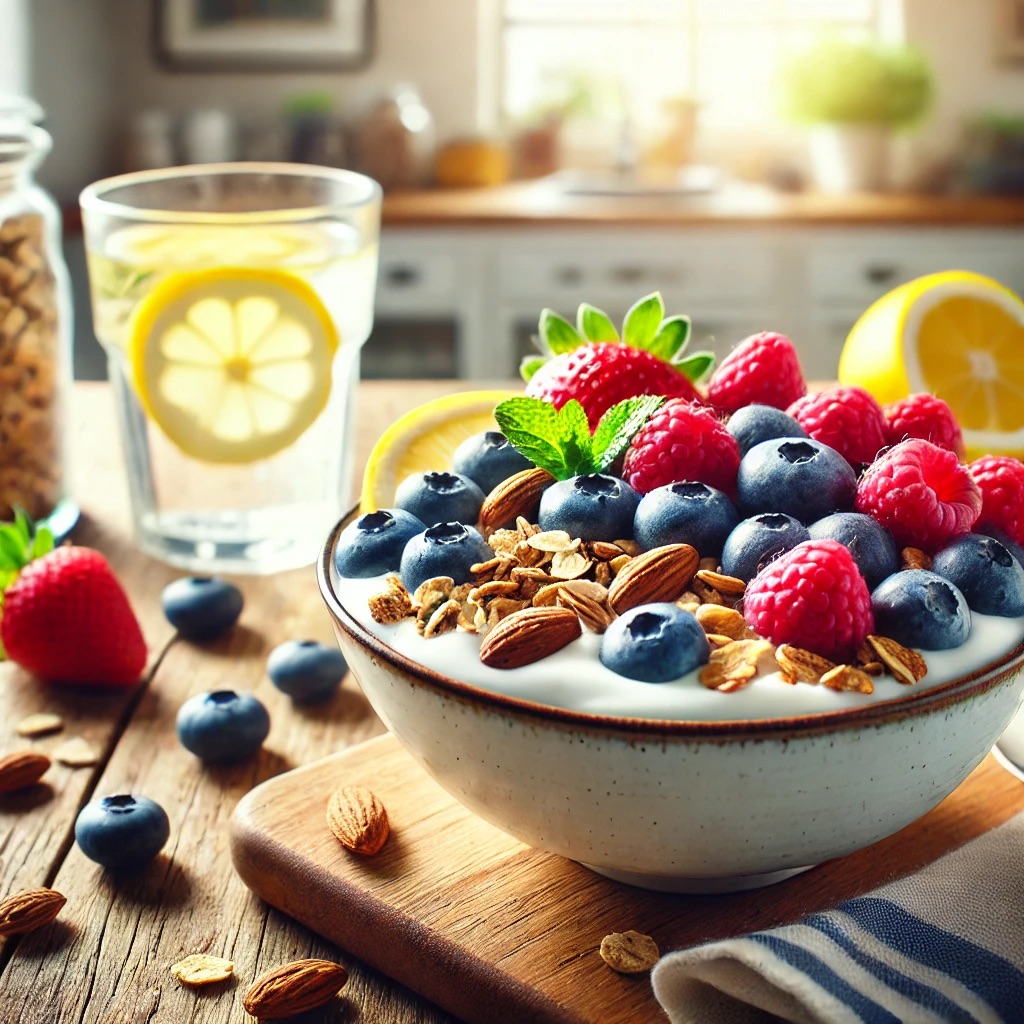
Meal prepping has become a popular trend among health enthusiasts and busy individuals alike. Whether you're looking to save time, eat healthier, or simply reduce stress during the week, meal prepping can be an effective solution. In this beginner's guide, we will explore what meal prepping is, the benefits it offers, and how to get started.
What is Meal Prepping?
Meal prepping is the process of planning and preparing your meals in advance. This can involve cooking entire meals for the week, preparing ingredients for quick assembly, or portioning out snacks. The goal is to have ready-to-eat meals or components that make healthy eating easier throughout the week.
Benefits of Meal Prepping
-
Saves Time: One of the biggest advantages of meal prepping is the time it saves during your busy week. By dedicating a few hours on the weekend to prepare your meals, you can avoid the daily scramble to figure out what to eat.
-
Promotes Healthy Eating: When you have healthy meals prepared, you're less likely to reach for unhealthy snacks or fast food. Meal prepping allows you to control your portion sizes and ingredients, making it easier to stick to your dietary goals.
-
Reduces Food Waste: By planning your meals in advance, you can buy only the ingredients you need, which helps minimize food waste. This not only saves money but also contributes to a more sustainable lifestyle.
-
Saves Money: Preparing meals at home is generally more cost-effective than dining out or purchasing pre-packaged meals. By buying ingredients in bulk and preparing them yourself, you can save a significant amount of money over time.
-
Less Stress: With meals prepped and ready to go, you can eliminate the daily stress of deciding what to eat. This can make your week run more smoothly, allowing you to focus on other important tasks.
Getting Started with Meal Prepping
1. Plan Your Meals: Start by deciding what meals you want to prepare for the week. Consider your schedule and how many meals you need. A simple approach is to plan for lunches and dinners, while keeping breakfasts and snacks more flexible.
2. Create a Shopping List: Once you have your meal plan, create a shopping list based on the ingredients you'll need. This will help you stay organized and ensure you have everything on hand when it's time to cook.
3. Choose a Meal Prep Day: Designate a specific day for meal prepping. Many people find that Sundays work best, as it sets them up for a successful week ahead.
4. Invest in Containers: Having the right containers is essential for effective meal prepping. Look for BPA-free plastic or glass containers that are microwave and dishwasher safe. It's also helpful to have a variety of sizes to accommodate different types of meals.
5. Cook in Batches: When it's time to prepare your meals, focus on cooking in batches. This means preparing larger quantities of certain ingredients so you can use them in multiple meals throughout the week. For example, you could roast a big batch of vegetables or cook a large pot of quinoa or rice.
6. Portion Out Your Meals: Once your food is cooked, portion it out into your containers. Make sure to include a balance of proteins, carbohydrates, and healthy fats in each meal. This will help ensure you're getting a well-rounded diet.
7. Store and Label: Store your prepped meals in the fridge or freezer, depending on when you plan to eat them. If you're freezing meals, be sure to label them with the date and contents to keep track of freshness.
8. Reheating and Enjoying: When it's time to eat, simply reheat your meals in the microwave or on the stove. Enjoy the convenience of having healthy meals ready to go, and relish in the time and effort you've saved.
Meal Prep Ideas for Beginners
If you're unsure where to start, here are some simple meal prep ideas:
-
Grilled Chicken and Vegetables: Marinate chicken breasts and grill them alongside a variety of vegetables such as bell peppers, zucchini, and broccoli. Portion them out with brown rice or quinoa.
-
Overnight Oats: Prepare individual jars of overnight oats using rolled oats, yogurt or milk, and your favorite toppings like fruits and nuts. These can serve as a quick breakfast option.
-
Stir-Fry: Cook a large batch of stir-fry using your choice of protein (chicken, tofu, shrimp) and a mix of colorful vegetables. Serve over rice or noodles.
-
Chili or Soup: Make a big pot of chili or soup that can be portioned out for lunches or dinners. These meals often taste even better the next day!
Tips for Successful Meal Prepping
-
Start Small: If you're new to meal prepping, start with just one or two meals a week. As you get more comfortable, you can increase the number of meals you prep.
-
Be Flexible: Life can be unpredictable, so be willing to adjust your meal plan if needed. If you find yourself with extra ingredients, consider incorporating them into your meals or snacks.
-
Experiment with Recipes: Don't be afraid to try new recipes and flavors. Variety will keep your meals interesting and enjoyable.
-
Incorporate Leftovers: Use leftovers creatively. For example, if you roast vegetables for dinner, use any remaining veggies in a salad or omelet the next day.
-
Stay Organized: Keep your kitchen organized with clear containers and labels. This will make it easier to find what you need and maintain a smooth meal prep process.
Conclusion
Meal prepping is an excellent way to save time, eat healthier, and reduce stress during your week. By planning and preparing your meals in advance, you can take control of your diet and enjoy the benefits of having ready-to-eat meals at your fingertips. Start small, find what works for you, and soon you'll be on your way to becoming a meal prep pro. Happy prepping!
Related articles
 Mastering the Art of Meal Prepping
Your Guide to Healthy Eating
 The Beginner's Guide to Meal Prepping
Save Time and Eat Well
 10 Meal Prepping Tips for a Healthier Lifestyle
 Meal Prep 101
How to Start and Stick with It
 The Benefits of Meal Prepping
Save Time and Eat Healthy
 How Meal Prepping Can Transform Your Weeknight Dinners
 Healthy Meal Prep Ideas for Busy Professionals
 Budget-Friendly Meal Prepping
Eat Healthy Without Breaking the Bank
 The Best Containers for Meal Prepping
Organize Your Meals Like a Pro
 Meal Prep for Weight Loss
Tips and Tricks
 The Ultimate Meal Prep Guide for Families
 Quick and Easy Meal Prep Recipes for the Busy Week Ahead
 How to Meal Prep for Special Diets
Vegan, Keto, and More
 The Science of Meal Prepping
How It Helps You Eat Healthy
 Meal Prepping for Fitness
Fuel Your Workouts with Healthy Meals
 The Art of Batch Cooking
A Perfect Companion to Meal Prepping
 Meal Prep Hacks
Save Time and Reduce Food Waste
 How to Create a Meal Prep Schedule That Works for You
 Meal Prep Essentials
Tools and Ingredients You Need
 Healthy Grab-and-Go Meal Prep Ideas for Busy Days
 The Psychology Behind Meal Prepping
Why It Works
 How to Meal Prep for a Whole Month
Tips and Recipes
 Meal Prep Storage Solutions
Keep Your Food Fresh and Tasty
 The Best Meal Prep Ideas for Picky Eaters
 Sustainable Meal Prepping
How to Be Eco-Friendly in Your Kitchen
 Meal Prep for Beginners
Common Mistakes to Avoid
 Delicious Meal Prep Ideas That Even Kids Will Love
 Meal Prep and Mindfulness
Enjoying Your Food More
 Meal Prep Inspiration
Creative Recipes to Try This Week
 Time-Saving Meal Prep Tips for Students on the Go
 How to Use Leftovers in Your Meal Prep Strategy
 Meal Prep for Seniors
Easy and Nutritious Ideas
 The Art of Meal Prepping
Finding Balance in Your Diet
 Meal Prepping for Athletes
Fueling Your Performance
The Best Meal Prep Apps to Keep You Organized
How to Make Meal Prep Fun
Involve the Whole Family
Meal Prep Myths Debunked
What You Need to Know
The Future of Meal Prepping
Trends to Watch Out For
Categories


