The art of cooking
AI CHEF Blog

Meal Prep 101: How to Start and Stick with It
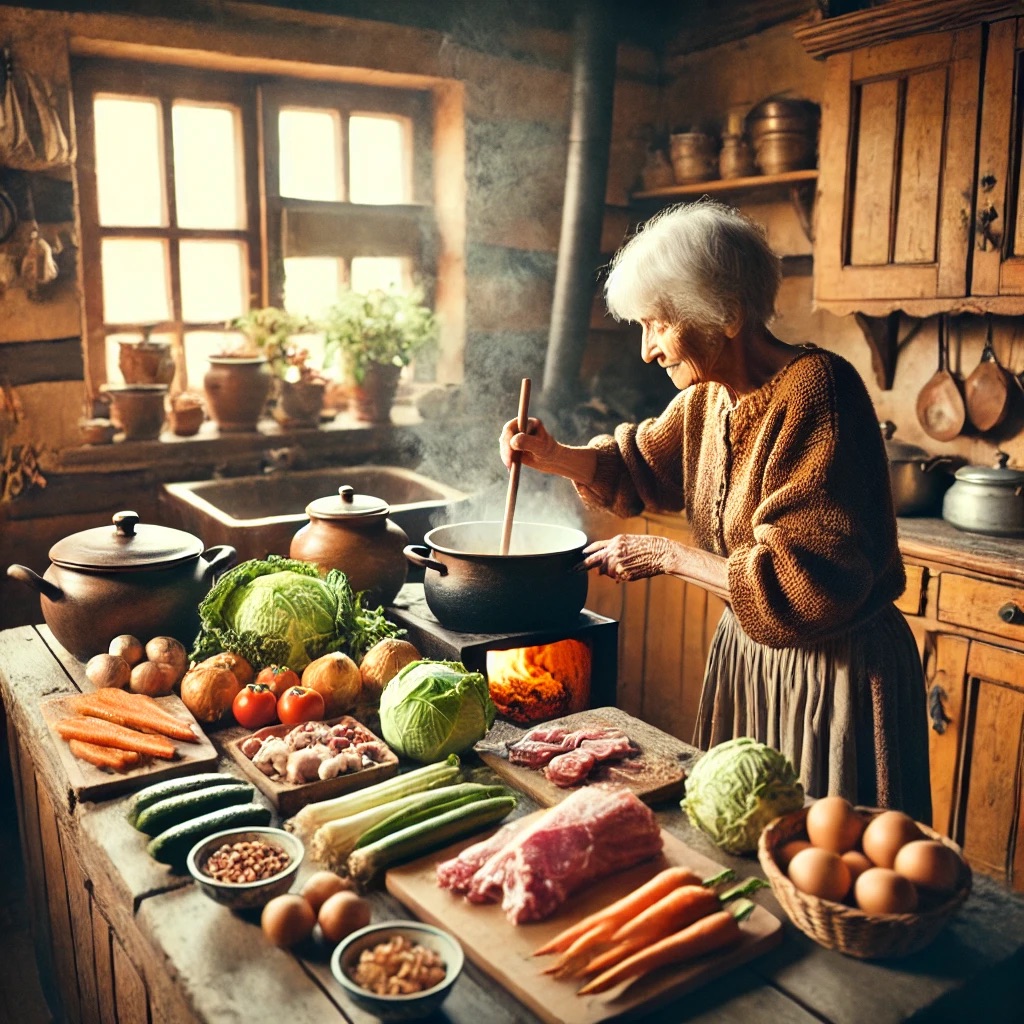
Meal prepping has become a popular trend for those looking to save time, eat healthier, and reduce food waste. If you’re new to meal prep or struggling to maintain the habit, this guide will offer practical tips to help you start and stick with it.
What is Meal Prep?
Meal prepping involves preparing meals in advance, allowing you to have healthy, homemade food ready to eat throughout the week. This can range from cooking in bulk and dividing it into portions to simply chopping vegetables and marinating proteins.
Benefits of Meal Prep
- Saves Time: By dedicating a few hours each week to meal prep, you can save yourself from cooking every day. This is especially helpful for busy professionals and families.
- Promotes Healthy Eating: When you have healthy meals ready to go, you’re less likely to indulge in fast food or unhealthy snacks.
- Reduces Food Waste: Planning your meals can help you make the most of your groceries, reducing the amount of food that gets thrown away.
- Saves Money: Buying ingredients in bulk and preparing meals at home can significantly cut down your food expenses.
Getting Started with Meal Prep
Step 1: Set Your Goals
Before diving into meal prep, it’s important to set clear goals. Ask yourself:
- What do I want to achieve with meal prep? (healthier eating, weight loss, save time)
- What types of meals do I want to prepare? (breakfast, lunch, dinner, snacks)
- How many meals do I need for the week?
Step 2: Plan Your Meals
Creating a meal plan is crucial for successful meal prep. Here are some tips:
- Choose Recipes: Look for recipes that are easy to prepare and store well. Consider one-pot meals, grain bowls, or casseroles.
- Balance Your Meals: Aim for a mix of proteins, vegetables, and whole grains for a well-rounded diet.
- Consider Variety: To avoid boredom, choose different recipes for each day or rotate between a few favorites.
- Use a Template: Create a simple template for your meals, such as protein + vegetable + grain, to streamline the planning process.
Step 3: Make a Shopping List
Once you’ve planned your meals, make a detailed shopping list. This will help you stay organized and ensure you have everything you need when it’s time to prep.
- Check Your Pantry: Before shopping, check what you already have at home to avoid unnecessary purchases.
- Stick to the List: When you’re at the grocery store, stick to your list to prevent impulse buying.
Step 4: Prepare Your Kitchen
Before you start cooking, make sure your kitchen is ready for meal prep:
- Clean Your Workspace: A clean kitchen is essential for efficient cooking.
- Gather Equipment: Ensure you have all the necessary tools, such as cutting boards, knives, containers, and cooking utensils.
- Invest in Containers: Good-quality, airtight containers are key for storing your prepped meals. Consider using glass containers, which are durable and microwave-safe.
Meal Prep Techniques
Batch Cooking
Batch cooking involves preparing large quantities of a single meal or ingredient. This method is great for soups, stews, grains, and roasted vegetables.
- Cook Once, Eat Twice: Make a big batch of a recipe and divide it into portions for lunch and dinner throughout the week.
- Versatile Ingredients: Prepare ingredients that can be used in multiple meals, like quinoa, grilled chicken, or roasted veggies.
Prepping Ingredients
If you prefer variety in your meals, consider prepping ingredients instead of whole meals:
- Chop Vegetables: Wash and chop vegetables at the beginning of the week for easy access.
- Marinate Proteins: Marinate chicken, tofu, or fish ahead of time to enhance flavors and save time during cooking.
- Cook Grains: Prepare grains like rice, quinoa, or couscous in advance to use throughout the week.
Freezing Meals
Freezing meals is an excellent way to extend their shelf life and have quick options available:
- Portion Control: Freeze meals in individual portions for easy reheating.
- Label Containers: Write the date and contents on each container to keep track of what you have in your freezer.
Sticking with Meal Prep
Schedule Meal Prep Days
Establish a consistent day and time for meal prepping. Many people find that Sunday afternoons work well, but choose a time that fits your schedule.
- Make it a Routine: Treat meal prep like any other important appointment in your calendar.
Stay Inspired
To keep meal prepping enjoyable:
- Try New Recipes: Regularly experiment with new recipes to keep things fresh and exciting.
- Follow Food Blogs or Instagram Accounts: There are countless resources online that can provide inspiration and ideas.
Keep it Simple
Don’t overcomplicate your meal prep. Start with simple recipes and gradually increase the complexity as you become more comfortable with the process.
- Use Leftovers: Incorporate leftovers into your meal prep. For example, if you roast a chicken, use the leftovers in salads, wraps, or grain bowls.
Troubleshooting Common Challenges
- Boredom with Meals: To combat meal fatigue, switch up your recipes regularly and try different cuisines.
- Not Enough Time: If you find yourself short on time, consider prepping just a few ingredients instead of whole meals.
- Food Spoilage: Make sure to store your meals properly and consume them within a safe timeframe to avoid waste.
Final Thoughts
Meal prepping can be a game-changer for those looking to eat healthier, save time, and reduce stress during the week. By starting slow, planning effectively, and staying organized, you can make meal prep a sustainable part of your routine. Remember, the key is to find what works best for you and adjust as needed. Happy prepping!
Related articles
 Mastering the Art of Meal Prepping
Your Guide to Healthy Eating
 The Beginner's Guide to Meal Prepping
Save Time and Eat Well
 10 Meal Prepping Tips for a Healthier Lifestyle
 Meal Prep 101
How to Start and Stick with It
 The Benefits of Meal Prepping
Save Time and Eat Healthy
 How Meal Prepping Can Transform Your Weeknight Dinners
 Healthy Meal Prep Ideas for Busy Professionals
 Budget-Friendly Meal Prepping
Eat Healthy Without Breaking the Bank
 The Best Containers for Meal Prepping
Organize Your Meals Like a Pro
 Meal Prep for Weight Loss
Tips and Tricks
 The Ultimate Meal Prep Guide for Families
 Quick and Easy Meal Prep Recipes for the Busy Week Ahead
 How to Meal Prep for Special Diets
Vegan, Keto, and More
 The Science of Meal Prepping
How It Helps You Eat Healthy
 Meal Prepping for Fitness
Fuel Your Workouts with Healthy Meals
 The Art of Batch Cooking
A Perfect Companion to Meal Prepping
 Meal Prep Hacks
Save Time and Reduce Food Waste
 How to Create a Meal Prep Schedule That Works for You
 Meal Prep Essentials
Tools and Ingredients You Need
 Healthy Grab-and-Go Meal Prep Ideas for Busy Days
 The Psychology Behind Meal Prepping
Why It Works
 How to Meal Prep for a Whole Month
Tips and Recipes
 Meal Prep Storage Solutions
Keep Your Food Fresh and Tasty
 The Best Meal Prep Ideas for Picky Eaters
 Sustainable Meal Prepping
How to Be Eco-Friendly in Your Kitchen
 Meal Prep for Beginners
Common Mistakes to Avoid
 Delicious Meal Prep Ideas That Even Kids Will Love
 Meal Prep and Mindfulness
Enjoying Your Food More
 Meal Prep Inspiration
Creative Recipes to Try This Week
 Time-Saving Meal Prep Tips for Students on the Go
 How to Use Leftovers in Your Meal Prep Strategy
 Meal Prep for Seniors
Easy and Nutritious Ideas
 The Art of Meal Prepping
Finding Balance in Your Diet
 Meal Prepping for Athletes
Fueling Your Performance
The Best Meal Prep Apps to Keep You Organized
How to Make Meal Prep Fun
Involve the Whole Family
Meal Prep Myths Debunked
What You Need to Know
The Future of Meal Prepping
Trends to Watch Out For
Categories


