The art of cooking
AI CHEF Blog

How to Create a Meal Prep Schedule That Works for You
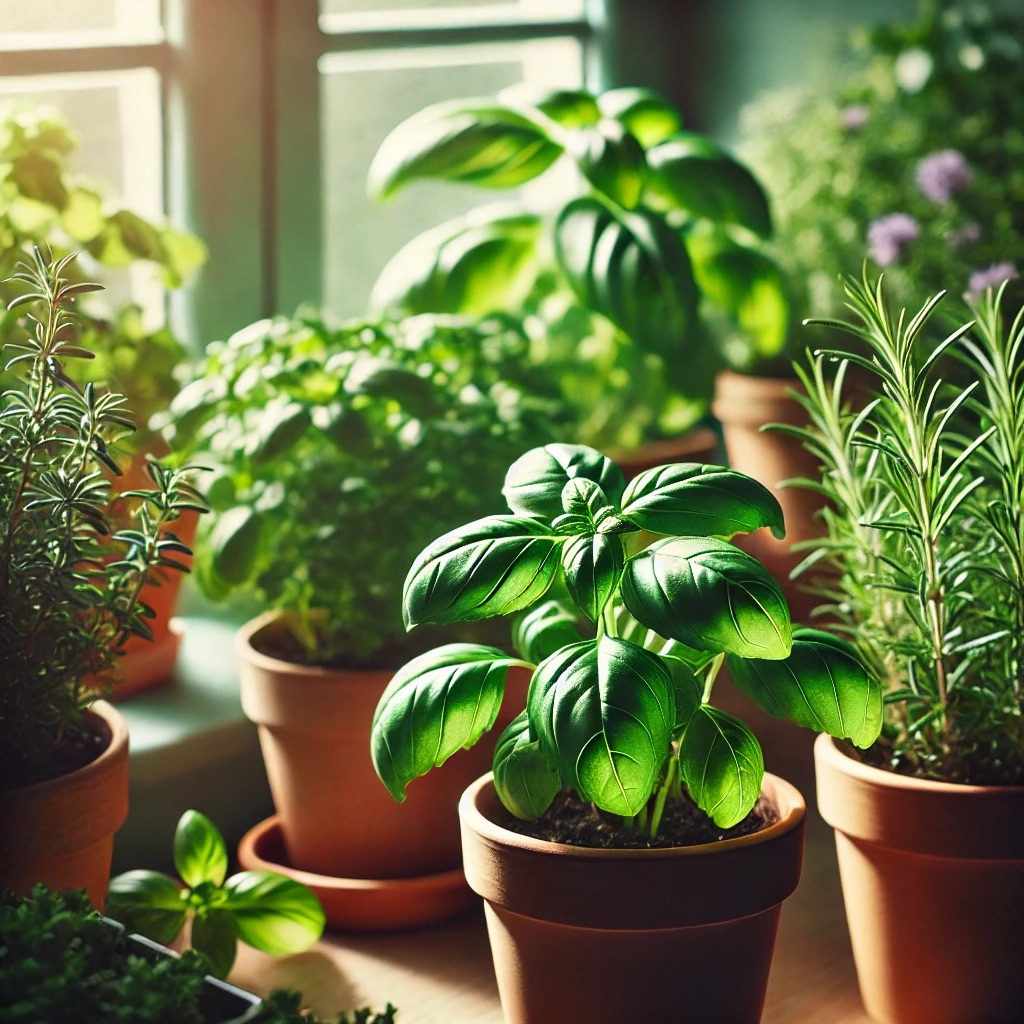
Meal prepping can be a game-changer for anyone looking to eat healthier, save time during the week, or stick to a budget. However, creating a meal prep schedule that fits your lifestyle can be challenging. In this post, we'll explore how to develop a meal prep schedule that works for you, ensuring that you can enjoy the benefits without feeling overwhelmed.
Understanding Meal Prep
Before diving into creating a schedule, let's clarify what meal prep entails. Meal prepping involves preparing meals or meal components in advance to save time during the week. This can include cooking entire meals, prepping ingredients, or packing lunches. The goal is to minimize cooking during the week while still having delicious and healthy meals ready to go.
Assess Your Lifestyle
The first step in creating a meal prep schedule is to assess your current lifestyle. Consider the following questions:
-
How many meals do you need to prep? - Depending on your work schedule, family commitments, and social life, your meal prep needs may differ. Do you often eat out, or do you prefer home-cooked meals?
-
What days are you most busy? - Identify the days of the week when you have the least time to cook. This will help you determine when to do your meal prepping.
-
How many people are you cooking for? - If you're cooking for a family, you may need larger portions or multiple different meals to satisfy everyone’s taste.
-
What is your cooking skill level? - Your comfort level in the kitchen will dictate how complex your meal prep can be. Start with simpler recipes and gradually incorporate more complicated ones as you gain confidence.
Choosing Your Meal Prep Day
Once you've assessed your lifestyle, choose a day or days for meal prepping. Many people find success prepping on weekends, but you can select any day that works best for you. Here are a few popular options:
- Sunday - The classic meal prep day, Sunday allows you to start the week with organized meals.
- Wednesday - Midweek meal prep can help refresh your meals and keep things exciting.
- Daily Prepping - If you prefer to cook fresh meals, consider prepping just a day in advance, which involves less bulk cooking but more frequent planning.
Create a Meal Plan
Now that you have a designated prep day, it’s time to create a meal plan. This will guide your grocery shopping and cooking. Here’s how to create an effective meal plan:
-
Choose Your Meals - Decide on the meals you want to prep. Consider recipes that are versatile, easy to store, and reheat well. Look for ingredients that can be used across multiple dishes to minimize waste.
-
Balance Your Meals - Aim for a balance between proteins, carbohydrates, and vegetables. Include a mix of whole grains, lean proteins, and plenty of colorful veggies.
-
Make a Shopping List - Once you have your meals planned, create a shopping list based on what you need. Check your pantry first to avoid buying duplicates.
Efficient Cooking Techniques
Meal prepping doesn’t have to take hours in the kitchen. Here are some efficient cooking techniques to help you save time:
- Batch Cooking - Cook large quantities of a single recipe, such as soups or casseroles, that can be portioned out for several meals.
- One-Pan Meals - Prepare meals that cook together on a single baking sheet or pan to save on cleanup time.
- Pre-Cut Ingredients - Chop vegetables and portion proteins ahead of time to make cooking quicker.
- Utilize Appliances - Slow cookers, pressure cookers, and air fryers can be great tools for speeding up cooking times.
Storage Solutions
Proper storage is essential for maintaining the quality of your prepped meals. Consider the following:
- Containers - Invest in high-quality, airtight containers. Glass containers are durable and microwave-safe, making them a great option.
- Labeling - Label your containers with the meal name and date prepared to keep track of freshness.
- Freezing - If you’ve prepped more meals than you can eat in a week, consider freezing portions for later. Many meals freeze well, though some ingredients may have a different texture after thawing.
Stay Flexible
While having a meal prep schedule is beneficial, it’s crucial to remain flexible. Life can be unpredictable, and you may need to adjust your plans based on unexpected events. Here are some tips for staying flexible:
- Keep a Backup Plan - Always have a few quick meal options in your pantry or freezer for days when plans change.
- Rotate Recipes - Try new recipes every few weeks to keep things interesting and prevent boredom.
- Involve Family or Friends - If you’re cooking for more than one person, involve them in the planning and prepping process. This can make it more enjoyable and less of a chore.
Evaluate and Adjust
After a few weeks of sticking to your meal prep schedule, take some time to evaluate how it’s working for you. Consider the following questions:
- Are you wasting food? - If you find that certain meals aren’t being eaten, it may be time to adjust your planning.
- Do you feel overwhelmed? - If prepping takes too long or feels like a burden, scale back and simplify your approach.
- Are you enjoying your meals? - If you’re not excited about what you’re eating, it’s time to get creative and try new recipes.
Conclusion
Creating a meal prep schedule that works for you is all about understanding your lifestyle, preferences, and needs. By taking the time to plan and prep, you can enjoy the benefits of healthy eating without the hassle of daily cooking. Remember to stay flexible, involve others, and continually assess your approach to make meal prepping a sustainable part of your routine. Happy cooking!
Related articles
 Mastering the Art of Meal Prepping
Your Guide to Healthy Eating
 The Beginner's Guide to Meal Prepping
Save Time and Eat Well
 10 Meal Prepping Tips for a Healthier Lifestyle
 Meal Prep 101
How to Start and Stick with It
 The Benefits of Meal Prepping
Save Time and Eat Healthy
 How Meal Prepping Can Transform Your Weeknight Dinners
 Healthy Meal Prep Ideas for Busy Professionals
 Budget-Friendly Meal Prepping
Eat Healthy Without Breaking the Bank
 The Best Containers for Meal Prepping
Organize Your Meals Like a Pro
 Meal Prep for Weight Loss
Tips and Tricks
 The Ultimate Meal Prep Guide for Families
 Quick and Easy Meal Prep Recipes for the Busy Week Ahead
 How to Meal Prep for Special Diets
Vegan, Keto, and More
 The Science of Meal Prepping
How It Helps You Eat Healthy
 Meal Prepping for Fitness
Fuel Your Workouts with Healthy Meals
 The Art of Batch Cooking
A Perfect Companion to Meal Prepping
 Meal Prep Hacks
Save Time and Reduce Food Waste
 How to Create a Meal Prep Schedule That Works for You
 Meal Prep Essentials
Tools and Ingredients You Need
 Healthy Grab-and-Go Meal Prep Ideas for Busy Days
 The Psychology Behind Meal Prepping
Why It Works
 How to Meal Prep for a Whole Month
Tips and Recipes
 Meal Prep Storage Solutions
Keep Your Food Fresh and Tasty
 The Best Meal Prep Ideas for Picky Eaters
 Sustainable Meal Prepping
How to Be Eco-Friendly in Your Kitchen
 Meal Prep for Beginners
Common Mistakes to Avoid
 Delicious Meal Prep Ideas That Even Kids Will Love
 Meal Prep and Mindfulness
Enjoying Your Food More
 Meal Prep Inspiration
Creative Recipes to Try This Week
 Time-Saving Meal Prep Tips for Students on the Go
 How to Use Leftovers in Your Meal Prep Strategy
 Meal Prep for Seniors
Easy and Nutritious Ideas
 The Art of Meal Prepping
Finding Balance in Your Diet
 Meal Prepping for Athletes
Fueling Your Performance
The Best Meal Prep Apps to Keep You Organized
How to Make Meal Prep Fun
Involve the Whole Family
Meal Prep Myths Debunked
What You Need to Know
The Future of Meal Prepping
Trends to Watch Out For
Categories


