The art of cooking
AI CHEF Blog

Cooking with the Seasons: A Guide to Seasonal Herbs and Spices
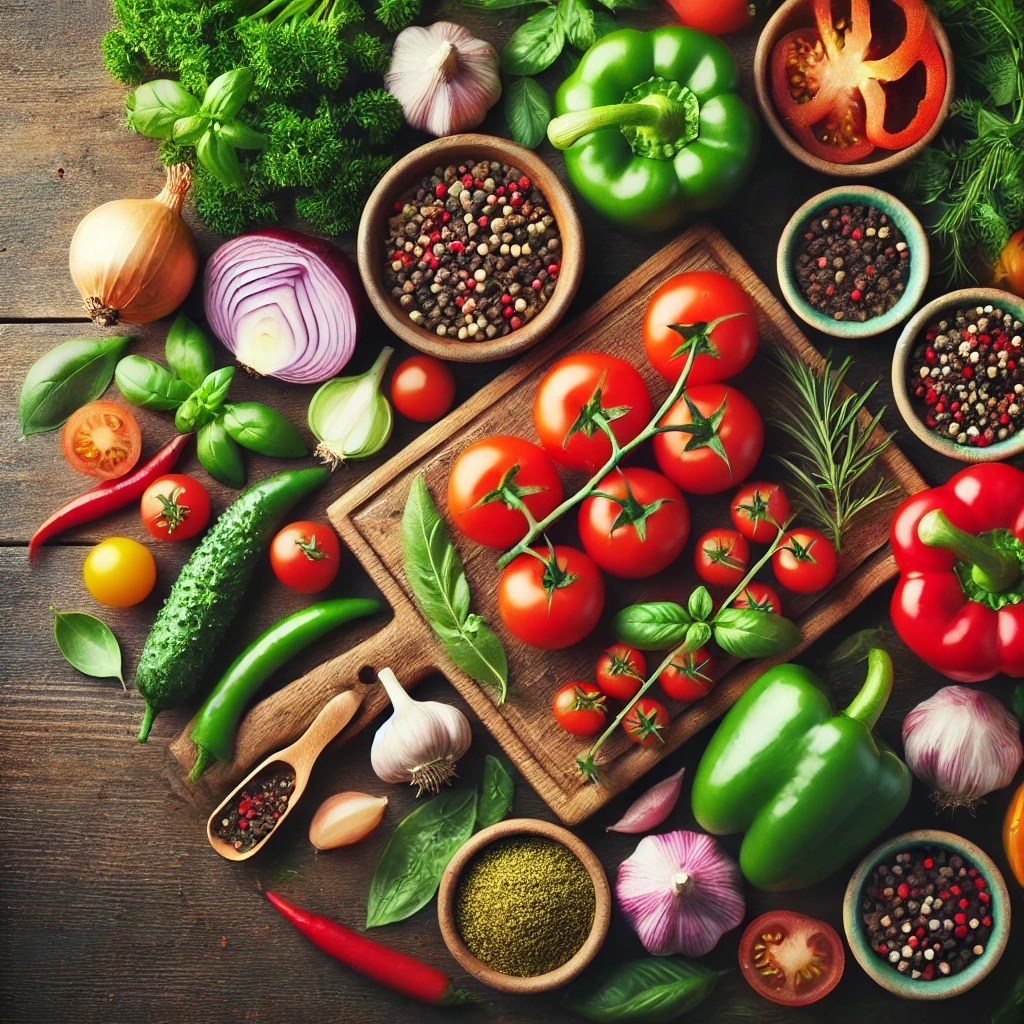
Cooking with seasonal ingredients not only enhances the flavor of your dishes but also supports local agriculture and promotes sustainability. This guide will delve into the world of seasonal herbs and spices, offering insights into their availability, flavor profiles, and how best to use them in your cooking.
Why Cook with Seasonal Ingredients?
Cooking with the seasons is about more than just flavor; it's also about embracing the natural rhythms of nature. Seasonal ingredients are often fresher, tastier, and more nutritious than their out-of-season counterparts. Additionally, by choosing to cook with what is in season, you can often find better prices and help reduce your carbon footprint by supporting local farmers.
Spring Herbs and Spices
As the weather warms and flowers bloom, spring brings a vibrant array of herbs that can elevate your dishes.
1. Basil
Basil is a quintessential spring herb that adds a fresh, sweet flavor to dishes. It pairs well with tomatoes, salads, and pasta. Consider making a classic pesto or using it to garnish a Caprese salad.
2. Chives
Chives offer a mild onion flavor and are perfect for adding a touch of color and flavor to dishes. Use them in salads, soups, or as a garnish for baked potatoes.
3. Mint
This aromatic herb is refreshing and versatile. Use mint in salads, teas, or to complement sweet dishes like fruit salads and desserts.
Summer Herbs and Spices
Summer is the peak season for many herbs, allowing for bold flavors and vibrant dishes.
1. Rosemary
Rosemary thrives in the summer heat, offering a robust flavor that works well with meats, potatoes, and grilled vegetables. Try it in marinades or infused oils.
2. Thyme
Thyme is a versatile herb that complements a variety of dishes. Its earthy flavor pairs well with roasted vegetables, stews, and even as a seasoning for grilled fish.
3. Cilantro
Cilantro, also known as coriander, is a staple in many cuisines. It adds a bright, fresh flavor to salsas, salads, and Asian dishes. Be sure to add it at the end of cooking to preserve its flavor.
Fall Herbs and Spices
As the days grow shorter and the air turns crisp, fall herbs begin to shine.
1. Sage
Sage has a strong, earthy flavor that can enhance dishes like roasted meats, stuffing, and hearty soups. Its unique flavor is particularly delightful when paired with squash or pumpkin.
2. Oregano
Oregano is a robust herb that adds depth to Mediterranean dishes. Use it in sauces, marinades, and pizza toppings for a burst of flavor.
3. Parsley
Parsley is one of the most versatile herbs, adding a fresh, bright element to any dish. Use it as a garnish, in salads, or blended into chimichurri sauce.
Winter Herbs and Spices
Winter may seem like a sparse time for fresh herbs, but several hardy varieties can add warmth and depth to your cooking.
1. Bay Leaves
Bay leaves are often used in slow-cooked dishes, imparting a subtle flavor to soups, stews, and braises. Remember to remove them before serving!
2. Dill
Dill has a distinct, slightly tangy flavor that works well with fish, pickles, and creamy dips. It can also brighten up winter salads.
3. Tarragon
Tarragon is a unique herb with a slightly sweet, anise-like flavor. It's perfect for sauces, particularly béarnaise, and pairs well with chicken and eggs.
Using Dried Herbs and Spices
While fresh herbs are often preferred, dried herbs and spices can also enhance your dishes, especially in the off-season. Here are a few tips for using dried herbs:
- Quality matters: Choose high-quality dried herbs for the best flavor.
- Use less: Dried herbs are more concentrated than fresh, so use about one-third of the amount.
- Add early: Incorporate dried herbs into your dish at the beginning of cooking to allow their flavors to develop.
Conclusion
Cooking with seasonal herbs and spices can transform your meals, making them fresher, more flavorful, and often healthier. By understanding what’s in season, you can create dishes that celebrate the bounty of each time of year. So, the next time you’re in the kitchen, consider reaching for those fresh herbs and spices that are currently thriving in your garden or at your local market. Happy cooking!
Related articles
 Spring into Flavor
Seasonal Cooking with Fresh Ingredients
 Summer Bounty
How to Cook with Fresh Seasonal Produce
 Autumn Harvest
Embracing Seasonal Ingredients in Your Cooking
 Winter Warmth
Comfort Foods Made with Seasonal Ingredients
 The Benefits of Seasonal Cooking
Freshness, Flavor, and Sustainability
 Seasonal Cooking 101
A Beginner’s Guide to Fresh Ingredients
 Farmers' Market Finds
Cooking with Seasonal Ingredients
 A Year of Flavor
Seasonal Recipes for Every Month
 Preserving the Seasons
How to Store Fresh Ingredients
 Cooking with the Seasons
A Guide to Seasonal Herbs and Spices
 Seasonal Cooking for Families
Quick and Nutritious Recipes
 From Garden to Table
Seasonal Cooking with Homegrown Ingredients
 Celebrating Each Season
Festive Dishes for Seasonal Gatherings
 Seasonal Cooking Hacks
Tips for Using Fresh Ingredients Wisely
 Sustainable Eating
The Impact of Seasonal Cooking on the Environment
 Seasonal Cooking Around the World
Global Recipes for Every Season
 Cooking with Kids
Seasonal Recipes for Family Fun in the Kitchen
 The Art of Seasonal Cooking
Techniques for Highlighting Fresh Ingredients
 Seasonal Sips
Refreshing Beverages Made with Fresh Ingredients
 Meal Planning with Seasonal Ingredients
A Month-by-Month Guide
 Seasonal Cooking and Nutrition
Eating Well Throughout the Year
 Exploring Local Flavors
Seasonal Cooking with Regional Ingredients
 The Seasonal Pantry
Stocking Your Kitchen with Fresh Ingredients
 Creative Seasonal Salads
Fresh Ideas for Every Season
 Gourmet Seasonal Cooking
Elevating Dishes with Fresh Ingredients
 Cooking for One
Seasonal Recipes for Solo Diners
 Seasonal Cooking Challenges
Experimenting with Fresh Ingredients
 The Science of Seasonal Cooking
How Fresh Ingredients Affect Flavor
 Reviving Tradition
Seasonal Cooking in Cultural Celebrations
 Seasonal Cooking for Health
Recipes Packed with Nutrients
 Budget-Friendly Seasonal Cooking
Eating Fresh Without Breaking the Bank
 The Future of Food
Embracing Seasonal Cooking in a Globalized World
 Seasonal Cooking for Vegetarians
Delicious Plant-Based Recipes
 Cooking with Kid-Friendly Seasonal Ingredients
Fun and Tasty Recipes
Seasonal Cooking and Food Waste
Tips for Using Every Part of Fresh Ingredients
A Seasonal Cookbook
Must-Try Recipes for Every Time of Year
Seasonal Cooking Myths
Debunking Common Misconceptions
The Joy of Seasonal Cooking
Finding Inspiration in Fresh Ingredients
Seasonal Cooking Workshops
Learning to Cook with Fresh Ingredients
Seasonal Cooking and Meal Prep
Strategies for Busy Lives
Flavors of the Season
Pairing Ingredients for Maximum Taste
Eco-Friendly Seasonal Cooking
How to Reduce Your Carbon Footprint
Seasonal Cooking for Entertaining
Impressive Dishes for Guests
The Best Kitchen Tools for Seasonal Cooking
Essential Gear for Every Chef
Incorporating Seasonal Ingredients into Your Favorite Recipes
Seasonal Cooking for Special Diets
Adapting Recipes for Allergies and Intolerances
The Colors of the Season
Cooking with Vibrant Fresh Ingredients
Seasonal Cooking for Breakfast
Fresh Ideas to Start Your Day
Crafting the Perfect Seasonal Menu
Tips for Planning Meals Year-Round
Seasonal Cooking and Community
Building Connections Through Food
Categories


