The art of cooking
AI CHEF Blog

Seasonal Cooking Hacks: Tips for Using Fresh Ingredients Wisely
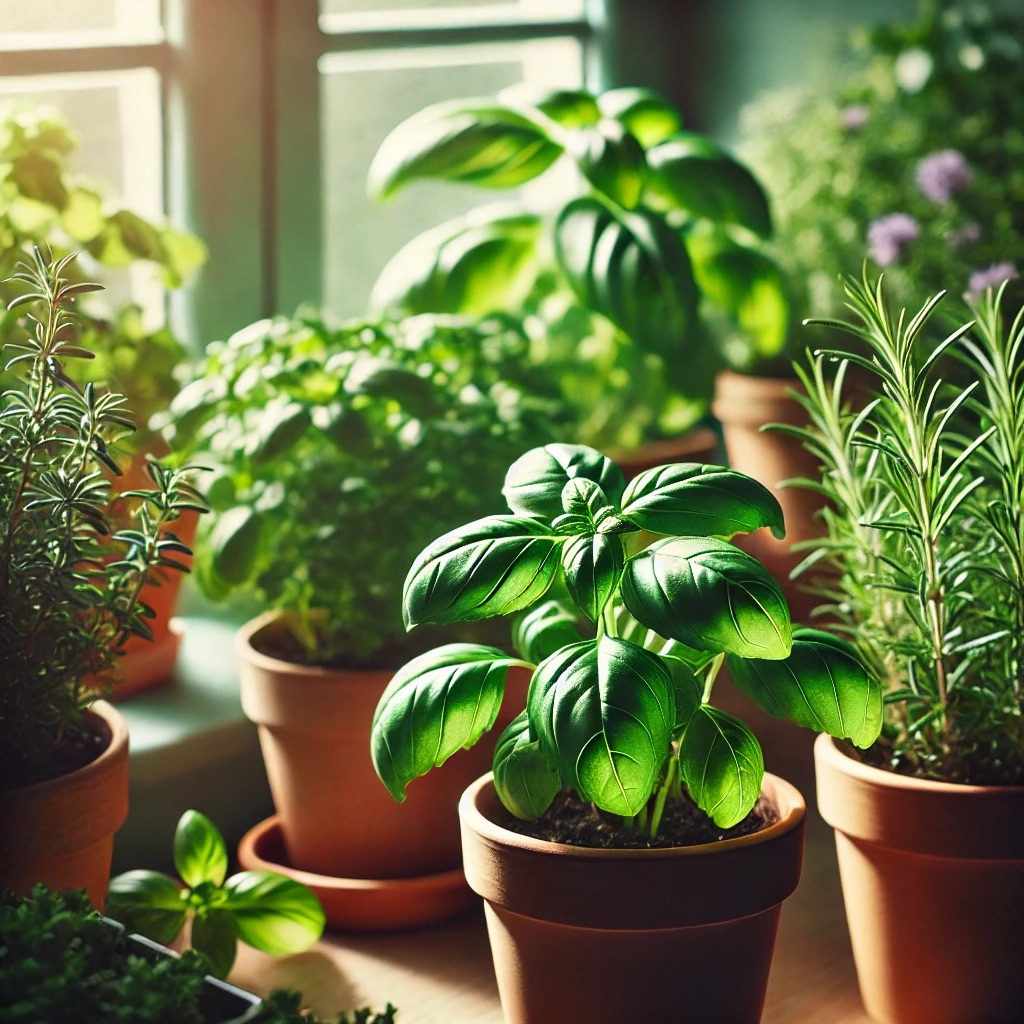
Cooking with fresh, seasonal ingredients not only enhances the flavor of your dishes, but it also supports local agriculture and reduces your carbon footprint. However, knowing how to use these ingredients wisely can sometimes be a challenge. In this blog post, we’ll explore some practical seasonal cooking hacks that will allow you to make the most of fresh produce, ensuring that nothing goes to waste.
1. Understand What’s in Season
The first step to utilizing seasonal ingredients is knowing what’s in season. Seasonal produce varies by region, but generally, spring brings asparagus and strawberries, summer offers tomatoes and zucchini, fall features pumpkins and apples, and winter showcases root vegetables and citrus fruits. You can check local farmers’ markets or agricultural extension services for a seasonal produce guide specific to your area.
2. Plan Your Meals Around Seasonal Ingredients
Once you’ve identified what’s in season, plan your meals around these ingredients. Not only does this help you make the most of your fresh produce, but it also allows you to create dishes that are more flavorful and nutritious. For example, if tomatoes are in season, consider preparing a fresh tomato salad, homemade salsa, or a classic tomato sauce.
3. Embrace Preservation Techniques
Sometimes, you may find yourself with an abundance of fresh produce. Instead of letting it go to waste, consider using preservation techniques. Canning, freezing, and drying are excellent ways to extend the life of seasonal ingredients:
- Canning: Make jams, jellies, or pickles that can be enjoyed long after the season has passed.
- Freezing: Flash freeze fruits and vegetables to retain their freshness and nutrients. For example, blanch vegetables like green beans and freeze them for later use.
- Drying: Herbs can be dried and stored in jars, while fruits can be dehydrated for snacks or baking.
4. Make Use of Every Part of the Ingredient
When cooking with fresh ingredients, it’s important to maximize your use of each item. Many parts of fruits and vegetables that are often discarded can be used in creative ways:
- Vegetable Scraps: Use scraps from onions, carrots, and celery to make homemade vegetable broth.
- Herb Stems: Don’t toss the stems of herbs like cilantro or parsley. They can add flavor to stocks, sauces, or pestos.
- Fruit Peels: Citrus peels can be candied or used to infuse flavor in syrups, while apple cores can be used to make apple cider vinegar.
5. Create Versatile Dishes
When cooking with seasonal ingredients, aim to create versatile dishes that can be adapted throughout the week. For instance, a large batch of roasted vegetables can be used in salads, as a side dish, or blended into soups. Here are a few ideas:
- Make a big pot of vegetable soup that can be eaten fresh or frozen in portions.
- Prepare a grain salad with seasonal vegetables, which can be served warm or cold.
- Roast a whole chicken with seasonal herbs and vegetables, using leftovers for sandwiches or salads.
6. Explore New Recipes and Techniques
Don’t be afraid to step outside your comfort zone and try new recipes or cooking techniques that highlight seasonal ingredients. Here are some suggestions:
- Try grilling, roasting, or steaming vegetables to bring out their natural sweetness.
- Experiment with different cuisines that utilize seasonal produce, such as Mediterranean, Asian, or Latin American dishes.
- Look for recipes that feature unfamiliar ingredients and learn how to cook with them.
7. Shop Smart
When shopping for seasonal ingredients, keep these tips in mind:
- Visit farmers’ markets for the freshest produce and to support local farmers.
- Buy in bulk when items are in season and on sale to save money.
- Choose imperfect-looking fruits and vegetables; they are often just as delicious and more affordable.
8. Keep It Simple
Sometimes, the best way to enjoy seasonal ingredients is to keep it simple. A perfectly ripe tomato needs little more than a sprinkle of salt and a drizzle of olive oil to shine. Focus on the quality of the ingredients rather than complicated techniques. Simple preparations allow the natural flavors of seasonal produce to take center stage.
9. Store Ingredients Properly
Proper storage of fresh ingredients can extend their shelf life and maintain their flavor. Here are some storage tips:
- Keep herbs fresh by storing them in water like a bouquet or wrapping them in a damp paper towel.
- Store fruits separately from vegetables to prevent ethylene gas from causing spoilage.
- Use breathable bags or containers for leafy greens to keep them crisp and fresh.
10. Share with Others
Lastly, don’t hesitate to share your bounty with friends, family, or neighbors. If you find yourself with extra produce, consider hosting a potluck or giving away bags of fresh fruits and vegetables. This not only strengthens community bonds but also reduces food waste.
Conclusion
Cooking with seasonal ingredients is a delightful way to connect with the rhythms of nature and enjoy fresh, flavorful meals. By following these seasonal cooking hacks, you can make the most of your fresh ingredients, reduce waste, and create delicious dishes that celebrate the best of each season. So roll up your sleeves, get creative in the kitchen, and savor the taste of the seasons!
Related articles
 Spring into Flavor
Seasonal Cooking with Fresh Ingredients
 Summer Bounty
How to Cook with Fresh Seasonal Produce
 Autumn Harvest
Embracing Seasonal Ingredients in Your Cooking
 Winter Warmth
Comfort Foods Made with Seasonal Ingredients
 The Benefits of Seasonal Cooking
Freshness, Flavor, and Sustainability
 Seasonal Cooking 101
A Beginner’s Guide to Fresh Ingredients
 Farmers' Market Finds
Cooking with Seasonal Ingredients
 A Year of Flavor
Seasonal Recipes for Every Month
 Preserving the Seasons
How to Store Fresh Ingredients
 Cooking with the Seasons
A Guide to Seasonal Herbs and Spices
 Seasonal Cooking for Families
Quick and Nutritious Recipes
 From Garden to Table
Seasonal Cooking with Homegrown Ingredients
 Celebrating Each Season
Festive Dishes for Seasonal Gatherings
 Seasonal Cooking Hacks
Tips for Using Fresh Ingredients Wisely
 Sustainable Eating
The Impact of Seasonal Cooking on the Environment
 Seasonal Cooking Around the World
Global Recipes for Every Season
 Cooking with Kids
Seasonal Recipes for Family Fun in the Kitchen
 The Art of Seasonal Cooking
Techniques for Highlighting Fresh Ingredients
 Seasonal Sips
Refreshing Beverages Made with Fresh Ingredients
 Meal Planning with Seasonal Ingredients
A Month-by-Month Guide
 Seasonal Cooking and Nutrition
Eating Well Throughout the Year
 Exploring Local Flavors
Seasonal Cooking with Regional Ingredients
 The Seasonal Pantry
Stocking Your Kitchen with Fresh Ingredients
 Creative Seasonal Salads
Fresh Ideas for Every Season
 Gourmet Seasonal Cooking
Elevating Dishes with Fresh Ingredients
 Cooking for One
Seasonal Recipes for Solo Diners
 Seasonal Cooking Challenges
Experimenting with Fresh Ingredients
 The Science of Seasonal Cooking
How Fresh Ingredients Affect Flavor
 Reviving Tradition
Seasonal Cooking in Cultural Celebrations
 Seasonal Cooking for Health
Recipes Packed with Nutrients
 Budget-Friendly Seasonal Cooking
Eating Fresh Without Breaking the Bank
 The Future of Food
Embracing Seasonal Cooking in a Globalized World
 Seasonal Cooking for Vegetarians
Delicious Plant-Based Recipes
 Cooking with Kid-Friendly Seasonal Ingredients
Fun and Tasty Recipes
Seasonal Cooking and Food Waste
Tips for Using Every Part of Fresh Ingredients
A Seasonal Cookbook
Must-Try Recipes for Every Time of Year
Seasonal Cooking Myths
Debunking Common Misconceptions
The Joy of Seasonal Cooking
Finding Inspiration in Fresh Ingredients
Seasonal Cooking Workshops
Learning to Cook with Fresh Ingredients
Seasonal Cooking and Meal Prep
Strategies for Busy Lives
Flavors of the Season
Pairing Ingredients for Maximum Taste
Eco-Friendly Seasonal Cooking
How to Reduce Your Carbon Footprint
Seasonal Cooking for Entertaining
Impressive Dishes for Guests
The Best Kitchen Tools for Seasonal Cooking
Essential Gear for Every Chef
Incorporating Seasonal Ingredients into Your Favorite Recipes
Seasonal Cooking for Special Diets
Adapting Recipes for Allergies and Intolerances
The Colors of the Season
Cooking with Vibrant Fresh Ingredients
Seasonal Cooking for Breakfast
Fresh Ideas to Start Your Day
Crafting the Perfect Seasonal Menu
Tips for Planning Meals Year-Round
Seasonal Cooking and Community
Building Connections Through Food
Categories


