The art of cooking
AI CHEF Blog

The Science of Seasonal Cooking: How Fresh Ingredients Affect Flavor
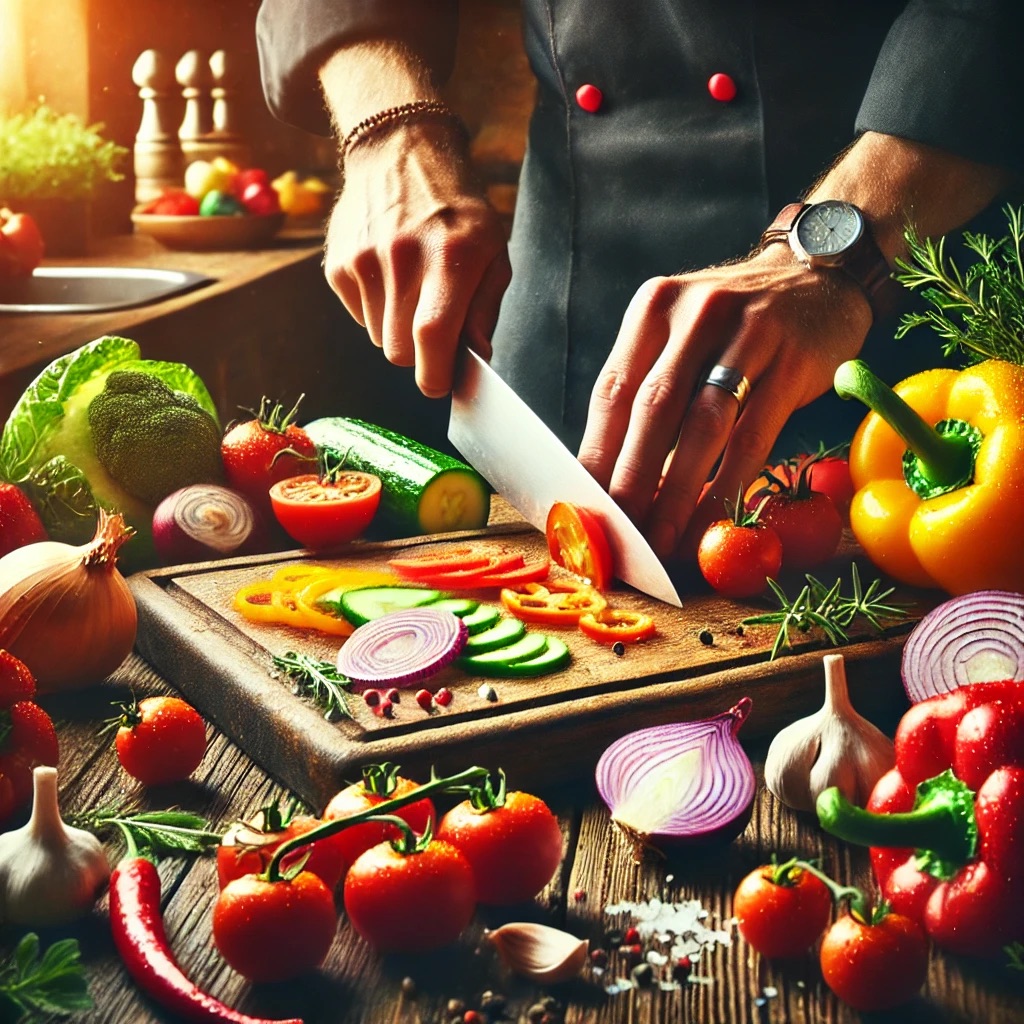
Cooking is both an art and a science, and understanding the science behind seasonal cooking can elevate your culinary creations. Seasonal cooking emphasizes the use of fresh, in-season ingredients, leading to dishes that are not only tastier but also more nutritious. In this blog post, we will explore how fresh ingredients affect flavor, the benefits of seasonal cooking, and some tips on how to incorporate seasonal ingredients into your meals.
The Importance of Fresh Ingredients
Fresh ingredients play a vital role in the overall flavor profile of a dish. The flavor of fruits, vegetables, and herbs is often at its peak when they are harvested in season. This is due to several factors:
- Ripeness: Fruits and vegetables picked at their peak ripeness are more flavorful. For example, a summer tomato harvested at its peak will have a sweeter, richer taste than one that is picked unripe and shipped long distances.
- Nutrient Content: Fresh produce is often higher in vitamins and minerals. For instance, fresh greens lose their nutrient content quickly after harvesting, so eating them soon after they are picked ensures you’re getting the maximum health benefits.
- Flavor Compounds: The flavor of fruits and vegetables comes from various volatile compounds that develop as they ripen. These compounds can diminish over time, leading to less flavorful produce.
How Seasonal Ingredients Affect Flavor
Using seasonal ingredients can enhance the flavor of your dishes in several ways:
- Vibrancy: Seasonal ingredients are often more vibrant in color and taste. Bright, fresh produce can contribute to visual appeal and an enhanced flavor experience.
- Complexity: Seasonal ingredients can introduce a variety of flavors and textures to your meals. For example, incorporating fresh herbs in spring can add brightness and complexity that dried herbs cannot replicate.
- Balance: Cooking with seasonal ingredients can help achieve a balance in flavors. For instance, the natural sweetness of ripe summer fruits can balance the acidity in dressings and sauces.
The Benefits of Seasonal Cooking
There are numerous benefits to embracing seasonal cooking:
- Flavor: As discussed, fresh, in-season ingredients are usually more flavorful. The taste of a dish can be significantly improved by using seasonal produce.
- Health: Seasonal ingredients are often more nutritious, as they are consumed closer to their harvest time. This can lead to a healthier diet overall.
- Environmental Impact: Seasonal cooking often means using local ingredients, which reduces the carbon footprint associated with transporting food long distances. Supporting local farmers also contributes to the local economy.
- Culinary Creativity: Cooking with seasonal ingredients encourages creativity in the kitchen. You might be inspired to try new recipes and cooking methods that highlight the unique flavors of each season.
Tips for Cooking Seasonally
Here are some practical tips for incorporating seasonal ingredients into your cooking:
- Know What's in Season: Familiarize yourself with what fruits, vegetables, and herbs are in season in your area. This knowledge will help you make informed choices at the grocery store or farmers’ market.
- Join a CSA: Community Supported Agriculture (CSA) programs connect consumers with local farmers. By subscribing to a CSA, you can receive a regular supply of fresh, seasonal produce.
- Visit Farmers' Markets: Farmers' markets are excellent places to find fresh, seasonal ingredients. Interacting with local farmers can also provide insights into how to prepare certain ingredients.
- Experiment with Preserving: When you have an abundance of seasonal produce, consider preserving it through canning, pickling, or freezing. This allows you to enjoy the flavors of the season even when the ingredients are out of season.
- Plan Your Meals: Plan your meals around seasonal ingredients. This not only enhances flavor but can also help minimize food waste, as you’ll be using ingredients at their peak.
Conclusion
Seasonal cooking is a delicious and rewarding way to approach food. By understanding the science behind how fresh ingredients affect flavor, you can create meals that are not only tastier but also healthier and more sustainable. Embracing the rhythms of the seasons in your cooking can lead to culinary adventures that keep your meals exciting and fulfilling throughout the year. So, the next time you’re in the kitchen, think about what’s in season and let those vibrant flavors inspire your cooking!
Related articles
 Spring into Flavor
Seasonal Cooking with Fresh Ingredients
 Summer Bounty
How to Cook with Fresh Seasonal Produce
 Autumn Harvest
Embracing Seasonal Ingredients in Your Cooking
 Winter Warmth
Comfort Foods Made with Seasonal Ingredients
 The Benefits of Seasonal Cooking
Freshness, Flavor, and Sustainability
 Seasonal Cooking 101
A Beginner’s Guide to Fresh Ingredients
 Farmers' Market Finds
Cooking with Seasonal Ingredients
 A Year of Flavor
Seasonal Recipes for Every Month
 Preserving the Seasons
How to Store Fresh Ingredients
 Cooking with the Seasons
A Guide to Seasonal Herbs and Spices
 Seasonal Cooking for Families
Quick and Nutritious Recipes
 From Garden to Table
Seasonal Cooking with Homegrown Ingredients
 Celebrating Each Season
Festive Dishes for Seasonal Gatherings
 Seasonal Cooking Hacks
Tips for Using Fresh Ingredients Wisely
 Sustainable Eating
The Impact of Seasonal Cooking on the Environment
 Seasonal Cooking Around the World
Global Recipes for Every Season
 Cooking with Kids
Seasonal Recipes for Family Fun in the Kitchen
 The Art of Seasonal Cooking
Techniques for Highlighting Fresh Ingredients
 Seasonal Sips
Refreshing Beverages Made with Fresh Ingredients
 Meal Planning with Seasonal Ingredients
A Month-by-Month Guide
 Seasonal Cooking and Nutrition
Eating Well Throughout the Year
 Exploring Local Flavors
Seasonal Cooking with Regional Ingredients
 The Seasonal Pantry
Stocking Your Kitchen with Fresh Ingredients
 Creative Seasonal Salads
Fresh Ideas for Every Season
 Gourmet Seasonal Cooking
Elevating Dishes with Fresh Ingredients
 Cooking for One
Seasonal Recipes for Solo Diners
 Seasonal Cooking Challenges
Experimenting with Fresh Ingredients
 The Science of Seasonal Cooking
How Fresh Ingredients Affect Flavor
 Reviving Tradition
Seasonal Cooking in Cultural Celebrations
 Seasonal Cooking for Health
Recipes Packed with Nutrients
 Budget-Friendly Seasonal Cooking
Eating Fresh Without Breaking the Bank
 The Future of Food
Embracing Seasonal Cooking in a Globalized World
 Seasonal Cooking for Vegetarians
Delicious Plant-Based Recipes
 Cooking with Kid-Friendly Seasonal Ingredients
Fun and Tasty Recipes
Seasonal Cooking and Food Waste
Tips for Using Every Part of Fresh Ingredients
A Seasonal Cookbook
Must-Try Recipes for Every Time of Year
Seasonal Cooking Myths
Debunking Common Misconceptions
The Joy of Seasonal Cooking
Finding Inspiration in Fresh Ingredients
Seasonal Cooking Workshops
Learning to Cook with Fresh Ingredients
Seasonal Cooking and Meal Prep
Strategies for Busy Lives
Flavors of the Season
Pairing Ingredients for Maximum Taste
Eco-Friendly Seasonal Cooking
How to Reduce Your Carbon Footprint
Seasonal Cooking for Entertaining
Impressive Dishes for Guests
The Best Kitchen Tools for Seasonal Cooking
Essential Gear for Every Chef
Incorporating Seasonal Ingredients into Your Favorite Recipes
Seasonal Cooking for Special Diets
Adapting Recipes for Allergies and Intolerances
The Colors of the Season
Cooking with Vibrant Fresh Ingredients
Seasonal Cooking for Breakfast
Fresh Ideas to Start Your Day
Crafting the Perfect Seasonal Menu
Tips for Planning Meals Year-Round
Seasonal Cooking and Community
Building Connections Through Food
Categories


