The art of cooking
AI CHEF Blog

Seasonal Cooking for Health: Recipes Packed with Nutrients
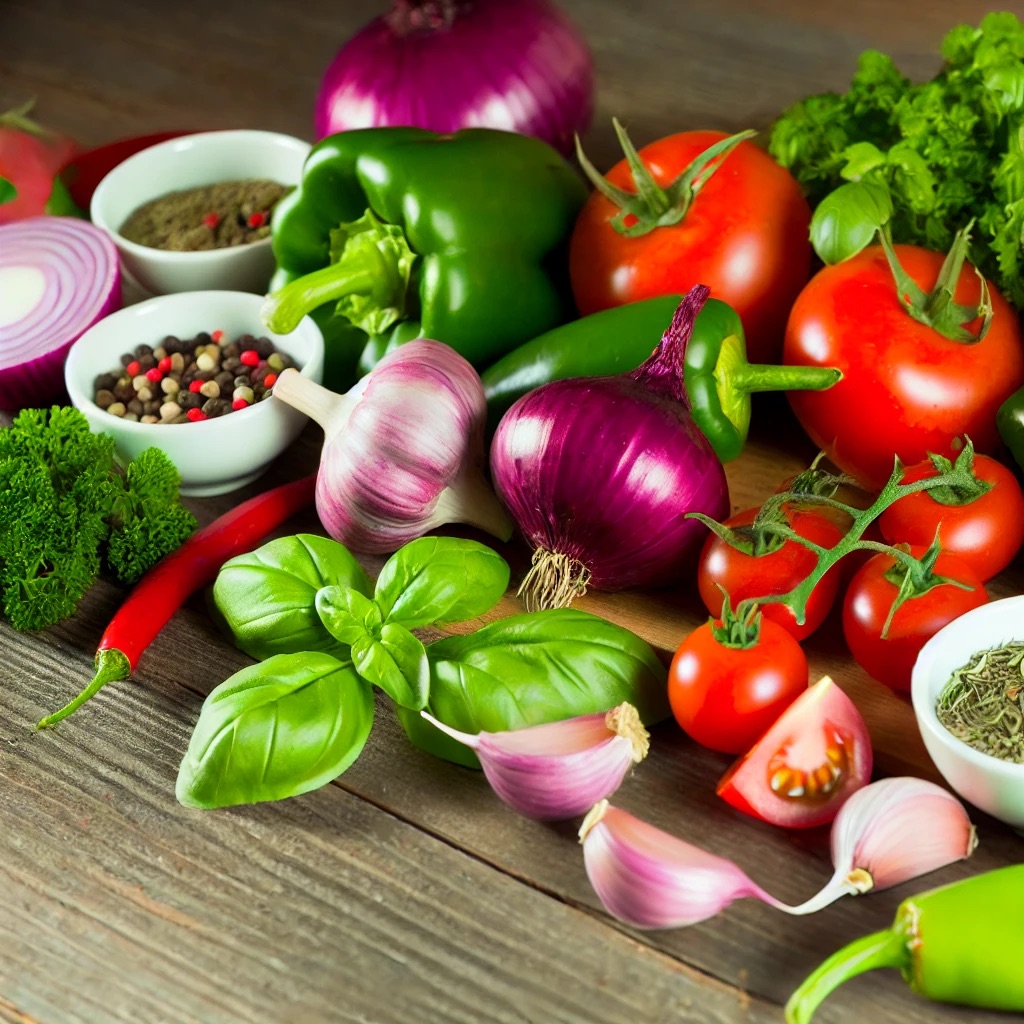
As the seasons change, so do the ingredients available to us. Seasonal cooking not only enhances the flavor of our meals but also maximizes the nutritional benefits of the food we consume. Eating foods that are in season means you're enjoying them at their peak ripeness, which translates to better taste and higher nutrient content. In this blog post, we will explore the benefits of seasonal cooking, dive into some nutrient-packed recipes for each season, and provide tips for incorporating seasonal ingredients into your daily meals.
The Benefits of Seasonal Cooking
Seasonal cooking offers numerous advantages. Here are some key benefits:
- Better Flavor: Ingredients harvested at their peak season are fresher and more flavorful.
- Increased Nutrients: Seasonal produce is often harvested at the right time, ensuring maximum nutrient retention.
- Supports Local Farmers: By choosing seasonal ingredients, you support local agriculture and reduce your carbon footprint.
- Cost-Effective: Seasonal produce is often more affordable due to higher supply and lower shipping costs.
- Variety in Diet: Cooking with seasonal ingredients encourages variety and makes meals more interesting.
Spring: Fresh and Vibrant
Spring brings a bounty of fresh greens, herbs, and bright produce. It's a time for renewal and lighter meals. Here are a couple of nutrient-dense recipes for spring:
Spring Vegetable Quinoa Salad
Ingredients:
- 1 cup quinoa
- 2 cups water
- 1 cup asparagus, chopped
- 1 cup peas, fresh or frozen
- 1 cup radishes, sliced
- 1/2 cup fresh mint, chopped
- Juice of 1 lemon
- 2 tablespoons olive oil
- Salt and pepper to taste
Instructions:
- Rinse quinoa under cold water. In a saucepan, combine quinoa and water. Bring to a boil, then reduce heat and simmer for 15 minutes or until water is absorbed. Fluff with a fork.
- In a separate pot, steam the asparagus and peas until tender, about 5 minutes.
- In a large bowl, combine quinoa, steamed vegetables, radishes, and mint.
- In a small bowl, whisk together lemon juice, olive oil, salt, and pepper. Pour over the salad and toss to combine.
Herbed Spinach and Feta Omelette
Ingredients:
- 2 large eggs
- 1 cup fresh spinach
- 1/4 cup feta cheese, crumbled
- 1 tablespoon fresh dill or parsley, chopped
- Salt and pepper to taste
- Olive oil for cooking
Instructions:
- In a bowl, whisk together eggs, salt, and pepper.
- Heat olive oil in a non-stick skillet over medium heat. Add spinach and cook until wilted.
- Pour the eggs over the spinach and cook until the edges begin to set. Sprinkle feta and herbs on top.
- Fold the omelette in half and cook for another minute until fully set. Serve warm.
Summer: A Bounty of Colors
Summer is the season of vibrant fruits and vegetables, perfect for refreshing meals. Here are two delicious recipes to savor the summer harvest:
Grilled Vegetable and Chickpea Salad
Ingredients:
- 1 zucchini, sliced
- 1 red bell pepper, chopped
- 1 yellow bell pepper, chopped
- 1 cup cherry tomatoes
- 1 can chickpeas, drained and rinsed
- 2 tablespoons olive oil
- 1 teaspoon smoked paprika
- Salt and pepper to taste
- Fresh basil for garnish
Instructions:
- Preheat the grill to medium-high heat.
- In a large bowl, toss the vegetables and chickpeas with olive oil, smoked paprika, salt, and pepper.
- Grill the vegetables until tender and slightly charred, about 8-10 minutes.
- Combine grilled vegetables with chickpeas and garnish with fresh basil before serving.
Watermelon and Feta Salad
Ingredients:
- 4 cups watermelon, cubed
- 1 cup feta cheese, crumbled
- 1/4 cup fresh mint, chopped
- Juice of 1 lime
- Salt and pepper to taste
Instructions:
- In a large bowl, combine watermelon, feta, and mint.
- Drizzle with lime juice and season with salt and pepper. Toss gently to combine.
- Serve chilled as a refreshing summer side dish.
Fall: Harvest Time
As the weather cools, fall brings hearty produce like squash, apples, and root vegetables. Here are two recipes that are perfect for autumn:
Roasted Butternut Squash Soup
Ingredients:
- 1 butternut squash, peeled and cubed
- 1 onion, chopped
- 2 cloves garlic, minced
- 4 cups vegetable broth
- 1 teaspoon ground cinnamon
- Salt and pepper to taste
- Olive oil for roasting
Instructions:
- Preheat the oven to 400°F (200°C). Toss butternut squash with olive oil, salt, and pepper, then spread on a baking sheet.
- Roast for 25-30 minutes until tender.
- In a large pot, heat olive oil and sauté onion and garlic until translucent.
- Add roasted squash, vegetable broth, and cinnamon. Bring to a boil, then reduce heat and simmer for 15 minutes.
- Blend the soup until smooth and serve warm.
Apple and Kale Salad
Ingredients:
- 4 cups kale, chopped
- 1 apple, cored and sliced
- 1/4 cup walnuts, chopped
- 1/4 cup dried cranberries
- 2 tablespoons olive oil
- Juice of 1 lemon
- Salt and pepper to taste
Instructions:
- In a large bowl, combine kale, apple, walnuts, and cranberries.
- In a small bowl, whisk together olive oil, lemon juice, salt, and pepper.
- Pour dressing over the salad and toss to combine. Let it sit for 10 minutes before serving to allow the flavors to meld.
Winter: Comfort and Nourishment
Winter is a time for hearty meals and warming spices. Here are two nutrient-rich recipes to enjoy during the colder months:
Sweet Potato and Black Bean Chili
Ingredients:
- 2 sweet potatoes, peeled and diced
- 1 can black beans, drained and rinsed
- 1 can diced tomatoes
- 1 onion, chopped
- 2 cloves garlic, minced
- 2 cups vegetable broth
- 1 tablespoon chili powder
- Salt and pepper to taste
Instructions:
- In a large pot, sauté onion and garlic until translucent.
- Add sweet potatoes, black beans, diced tomatoes, vegetable broth, chili powder, salt, and pepper.
- Bring to a boil, then reduce heat and simmer for 30 minutes until sweet potatoes are tender.
Spiced Pear and Almond Salad
Ingredients:
- 2 ripe pears, sliced
- 4 cups mixed greens
- 1/4 cup almonds, toasted
- 1/4 cup feta cheese, crumbled
- 2 tablespoons balsamic vinegar
- 1 tablespoon olive oil
- Salt and pepper to taste
Instructions:
- In a large bowl, combine mixed greens, sliced pears, almonds, and feta.
- In a small bowl, whisk together balsamic vinegar, olive oil, salt, and pepper.
- Drizzle dressing over the salad and toss gently before serving.
Tips for Seasonal Cooking
Here are some practical tips to help you incorporate seasonal cooking into your lifestyle:
- Visit Local Farmers' Markets: These markets are a great place to find seasonal produce and connect with local growers.
- Plan Your Meals: Take some time each week to plan meals around seasonal ingredients, which can help with grocery shopping and meal prep.
- Experiment with New Recipes: Don’t hesitate to try new dishes that highlight seasonal produce.
- Preserve Seasonal Foods: Consider canning or freezing seasonal fruits and vegetables to enjoy their flavors year-round.
- Stay Informed: Keep an eye on what’s in season in your area to make the most of local produce.
Conclusion
Seasonal cooking not only enhances the flavor of your meals but also provides a wealth of health benefits. By incorporating fresh, nutrient-dense ingredients into your diet, you can enjoy delicious and wholesome meals year-round. The recipes shared in this post are just a starting point; feel free to explore and create your own seasonal dishes. Happy cooking!
Related articles
 Spring into Flavor
Seasonal Cooking with Fresh Ingredients
 Summer Bounty
How to Cook with Fresh Seasonal Produce
 Autumn Harvest
Embracing Seasonal Ingredients in Your Cooking
 Winter Warmth
Comfort Foods Made with Seasonal Ingredients
 The Benefits of Seasonal Cooking
Freshness, Flavor, and Sustainability
 Seasonal Cooking 101
A Beginner’s Guide to Fresh Ingredients
 Farmers' Market Finds
Cooking with Seasonal Ingredients
 A Year of Flavor
Seasonal Recipes for Every Month
 Preserving the Seasons
How to Store Fresh Ingredients
 Cooking with the Seasons
A Guide to Seasonal Herbs and Spices
 Seasonal Cooking for Families
Quick and Nutritious Recipes
 From Garden to Table
Seasonal Cooking with Homegrown Ingredients
 Celebrating Each Season
Festive Dishes for Seasonal Gatherings
 Seasonal Cooking Hacks
Tips for Using Fresh Ingredients Wisely
 Sustainable Eating
The Impact of Seasonal Cooking on the Environment
 Seasonal Cooking Around the World
Global Recipes for Every Season
 Cooking with Kids
Seasonal Recipes for Family Fun in the Kitchen
 The Art of Seasonal Cooking
Techniques for Highlighting Fresh Ingredients
 Seasonal Sips
Refreshing Beverages Made with Fresh Ingredients
 Meal Planning with Seasonal Ingredients
A Month-by-Month Guide
 Seasonal Cooking and Nutrition
Eating Well Throughout the Year
 Exploring Local Flavors
Seasonal Cooking with Regional Ingredients
 The Seasonal Pantry
Stocking Your Kitchen with Fresh Ingredients
 Creative Seasonal Salads
Fresh Ideas for Every Season
 Gourmet Seasonal Cooking
Elevating Dishes with Fresh Ingredients
 Cooking for One
Seasonal Recipes for Solo Diners
 Seasonal Cooking Challenges
Experimenting with Fresh Ingredients
 The Science of Seasonal Cooking
How Fresh Ingredients Affect Flavor
 Reviving Tradition
Seasonal Cooking in Cultural Celebrations
 Seasonal Cooking for Health
Recipes Packed with Nutrients
 Budget-Friendly Seasonal Cooking
Eating Fresh Without Breaking the Bank
 The Future of Food
Embracing Seasonal Cooking in a Globalized World
 Seasonal Cooking for Vegetarians
Delicious Plant-Based Recipes
 Cooking with Kid-Friendly Seasonal Ingredients
Fun and Tasty Recipes
Seasonal Cooking and Food Waste
Tips for Using Every Part of Fresh Ingredients
A Seasonal Cookbook
Must-Try Recipes for Every Time of Year
Seasonal Cooking Myths
Debunking Common Misconceptions
The Joy of Seasonal Cooking
Finding Inspiration in Fresh Ingredients
Seasonal Cooking Workshops
Learning to Cook with Fresh Ingredients
Seasonal Cooking and Meal Prep
Strategies for Busy Lives
Flavors of the Season
Pairing Ingredients for Maximum Taste
Eco-Friendly Seasonal Cooking
How to Reduce Your Carbon Footprint
Seasonal Cooking for Entertaining
Impressive Dishes for Guests
The Best Kitchen Tools for Seasonal Cooking
Essential Gear for Every Chef
Incorporating Seasonal Ingredients into Your Favorite Recipes
Seasonal Cooking for Special Diets
Adapting Recipes for Allergies and Intolerances
The Colors of the Season
Cooking with Vibrant Fresh Ingredients
Seasonal Cooking for Breakfast
Fresh Ideas to Start Your Day
Crafting the Perfect Seasonal Menu
Tips for Planning Meals Year-Round
Seasonal Cooking and Community
Building Connections Through Food
Categories


