The art of cooking
AI CHEF Blog

Budget-Friendly Seasonal Cooking: Eating Fresh Without Breaking the Bank
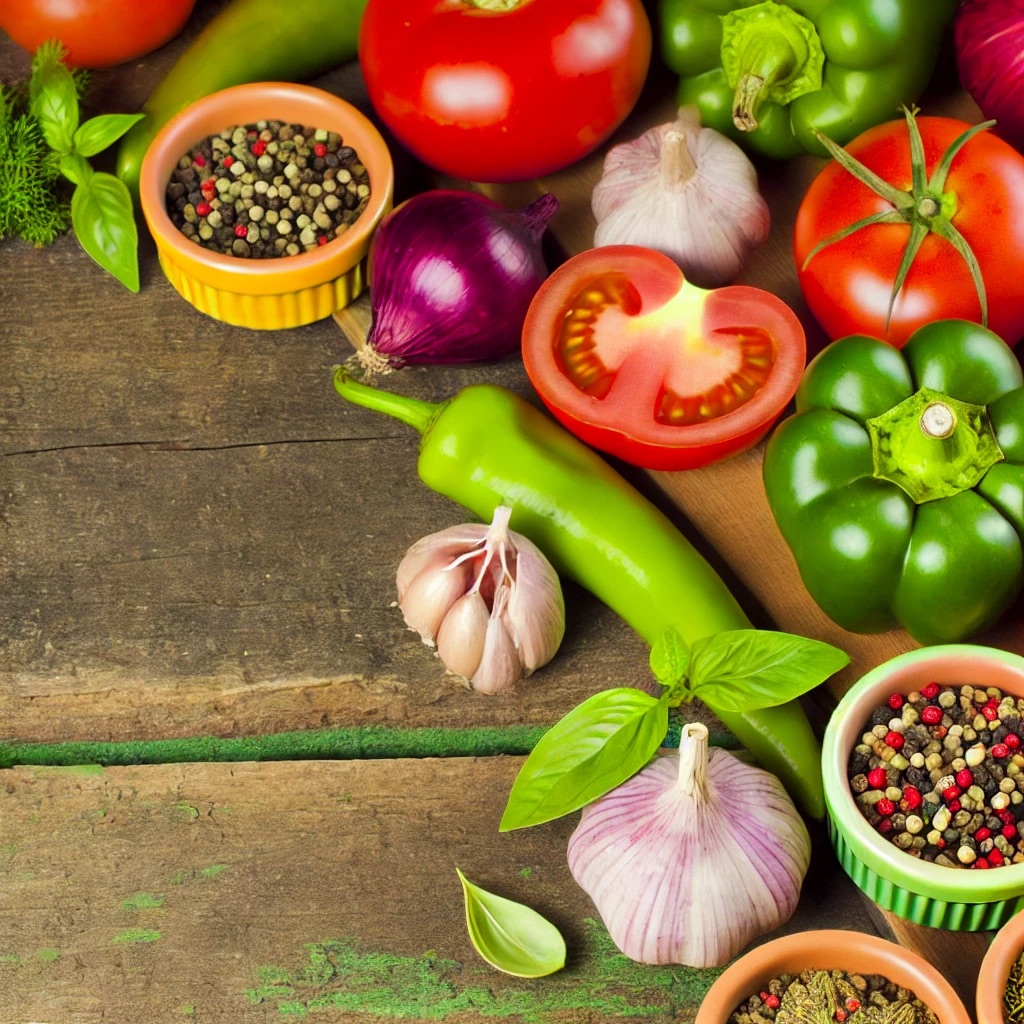
In today’s fast-paced world, it’s easy to fall into the habit of eating processed foods or takeout, often at the expense of our health and our wallets. However, with a little planning and creativity, you can enjoy fresh, seasonal ingredients without overspending. This blog post will explore the benefits of seasonal cooking, tips for budgeting, and some delicious recipes to get you started.
The Benefits of Seasonal Cooking
Seasonal cooking involves using ingredients that are in season, which means they are at their peak flavor and nutritional value. Here are some key benefits:
- Cost-Effective: Seasonal produce is often less expensive because it is abundant and doesn’t require long-distance transportation.
- Healthier Choices: Fresh fruits and vegetables are packed with nutrients and are a healthier option compared to processed foods.
- Supports Local Farmers: Buying seasonal produce helps local farmers and supports the economy.
- Environmental Impact: Eating locally reduces your carbon footprint, as less energy is used in transporting food.
How to Start Cooking Seasonally on a Budget
Transitioning to seasonal cooking doesn’t have to be overwhelming. Here are some practical tips to help you get started:
1. Plan Your Meals
Before heading to the grocery store, take some time to plan your meals for the week. Check which fruits and vegetables are in season and incorporate them into your meal plan. This way, you can create a shopping list that focuses on fresh, seasonal ingredients.
2. Shop at Farmers' Markets
Farmers' markets are an excellent place to find seasonal produce at reasonable prices. Not only can you often find better prices than at the grocery store, but you also have the opportunity to speak directly with the farmers, learn about their practices, and discover what’s freshly harvested.
3. Buy in Bulk
If you find seasonal produce that you love, consider buying in bulk. Many markets offer discounts for larger quantities, and you can preserve excess by freezing or canning it for later use.
4. Embrace Canning and Freezing
Canning and freezing are great ways to extend the life of seasonal produce. When fruits and vegetables are at their peak, take the time to preserve them for future meals. This not only saves money but also provides you with healthy options during the off-season.
5. Get Creative with Recipes
Seasonal cooking is an opportunity to experiment in the kitchen. Look for recipes that highlight seasonal ingredients and don’t be afraid to get creative. Use Pinterest, food blogs, or cookbooks to find inspiration.
6. Grow Your Own
If you have the space and time, consider starting a small garden. Growing your own herbs, vegetables, and fruits can significantly reduce your grocery bills and give you the freshest ingredients possible. Even if you live in an apartment, you can grow herbs in small pots on a windowsill.
Seasonal Produce Guide
Here’s a quick guide to what’s typically in season during each season:
- Spring: Asparagus, peas, radishes, lettuce, strawberries.
- Summer: Tomatoes, zucchini, corn, berries, peaches.
- Fall: Pumpkins, apples, sweet potatoes, Brussels sprouts.
- Winter: Kale, carrots, citrus fruits, squash.
Budget-Friendly Seasonal Recipes
To get you started on your seasonal cooking journey, here are a few budget-friendly recipes using seasonal ingredients:
Spring Vegetable Stir-Fry
Ingredients:
- 1 cup asparagus, chopped
- 1 cup peas
- 1 cup radishes, sliced
- 2 tablespoons olive oil
- 2 cloves garlic, minced
- Salt and pepper to taste
Instructions:
- Heat olive oil in a pan over medium heat.
- Add garlic and sauté for 1 minute.
- Add asparagus, peas, and radishes. Stir-fry for 5-7 minutes.
- Season with salt and pepper and serve warm.
Summer Tomato and Peach Salad
Ingredients:
- 2 ripe tomatoes, diced
- 1 ripe peach, diced
- 1/4 red onion, thinly sliced
- 2 tablespoons olive oil
- Salt and pepper to taste
Instructions:
- In a bowl, combine tomatoes, peach, and red onion.
- Drizzle with olive oil and season with salt and pepper.
- Toss gently and serve chilled.
Fall Pumpkin Soup
Ingredients:
- 1 pumpkin, peeled and chopped
- 1 onion, chopped
- 2 cloves garlic, minced
- 4 cups vegetable broth
- Salt and pepper to taste
Instructions:
- In a pot, sauté onion and garlic until translucent.
- Add the pumpkin and vegetable broth, bring to a boil, then simmer until pumpkin is tender.
- Blend until smooth, season with salt and pepper, and serve warm.
Winter Kale and Citrus Salad
Ingredients:
- 2 cups kale, chopped
- 1 orange, segmented
- 1/4 cup walnuts, chopped
- 2 tablespoons olive oil
- Salt to taste
Instructions:
- In a bowl, massage kale with olive oil and salt until tender.
- Add orange segments and walnuts, toss gently.
- Serve immediately.
Final Thoughts
Cooking seasonally doesn’t just benefit your wallet; it also promotes a healthier lifestyle and supports sustainable farming practices. With a little planning and creativity, you can enjoy delicious meals made with fresh, seasonal ingredients without breaking the bank. So, get started today, and embrace the beauty of seasonal cooking!
Related articles
 Spring into Flavor
Seasonal Cooking with Fresh Ingredients
 Summer Bounty
How to Cook with Fresh Seasonal Produce
 Autumn Harvest
Embracing Seasonal Ingredients in Your Cooking
 Winter Warmth
Comfort Foods Made with Seasonal Ingredients
 The Benefits of Seasonal Cooking
Freshness, Flavor, and Sustainability
 Seasonal Cooking 101
A Beginner’s Guide to Fresh Ingredients
 Farmers' Market Finds
Cooking with Seasonal Ingredients
 A Year of Flavor
Seasonal Recipes for Every Month
 Preserving the Seasons
How to Store Fresh Ingredients
 Cooking with the Seasons
A Guide to Seasonal Herbs and Spices
 Seasonal Cooking for Families
Quick and Nutritious Recipes
 From Garden to Table
Seasonal Cooking with Homegrown Ingredients
 Celebrating Each Season
Festive Dishes for Seasonal Gatherings
 Seasonal Cooking Hacks
Tips for Using Fresh Ingredients Wisely
 Sustainable Eating
The Impact of Seasonal Cooking on the Environment
 Seasonal Cooking Around the World
Global Recipes for Every Season
 Cooking with Kids
Seasonal Recipes for Family Fun in the Kitchen
 The Art of Seasonal Cooking
Techniques for Highlighting Fresh Ingredients
 Seasonal Sips
Refreshing Beverages Made with Fresh Ingredients
 Meal Planning with Seasonal Ingredients
A Month-by-Month Guide
 Seasonal Cooking and Nutrition
Eating Well Throughout the Year
 Exploring Local Flavors
Seasonal Cooking with Regional Ingredients
 The Seasonal Pantry
Stocking Your Kitchen with Fresh Ingredients
 Creative Seasonal Salads
Fresh Ideas for Every Season
 Gourmet Seasonal Cooking
Elevating Dishes with Fresh Ingredients
 Cooking for One
Seasonal Recipes for Solo Diners
 Seasonal Cooking Challenges
Experimenting with Fresh Ingredients
 The Science of Seasonal Cooking
How Fresh Ingredients Affect Flavor
 Reviving Tradition
Seasonal Cooking in Cultural Celebrations
 Seasonal Cooking for Health
Recipes Packed with Nutrients
 Budget-Friendly Seasonal Cooking
Eating Fresh Without Breaking the Bank
 The Future of Food
Embracing Seasonal Cooking in a Globalized World
 Seasonal Cooking for Vegetarians
Delicious Plant-Based Recipes
 Cooking with Kid-Friendly Seasonal Ingredients
Fun and Tasty Recipes
Seasonal Cooking and Food Waste
Tips for Using Every Part of Fresh Ingredients
A Seasonal Cookbook
Must-Try Recipes for Every Time of Year
Seasonal Cooking Myths
Debunking Common Misconceptions
The Joy of Seasonal Cooking
Finding Inspiration in Fresh Ingredients
Seasonal Cooking Workshops
Learning to Cook with Fresh Ingredients
Seasonal Cooking and Meal Prep
Strategies for Busy Lives
Flavors of the Season
Pairing Ingredients for Maximum Taste
Eco-Friendly Seasonal Cooking
How to Reduce Your Carbon Footprint
Seasonal Cooking for Entertaining
Impressive Dishes for Guests
The Best Kitchen Tools for Seasonal Cooking
Essential Gear for Every Chef
Incorporating Seasonal Ingredients into Your Favorite Recipes
Seasonal Cooking for Special Diets
Adapting Recipes for Allergies and Intolerances
The Colors of the Season
Cooking with Vibrant Fresh Ingredients
Seasonal Cooking for Breakfast
Fresh Ideas to Start Your Day
Crafting the Perfect Seasonal Menu
Tips for Planning Meals Year-Round
Seasonal Cooking and Community
Building Connections Through Food
Categories


