The art of cooking
AI CHEF Blog

The Colors of the Season: Cooking with Vibrant Fresh Ingredients
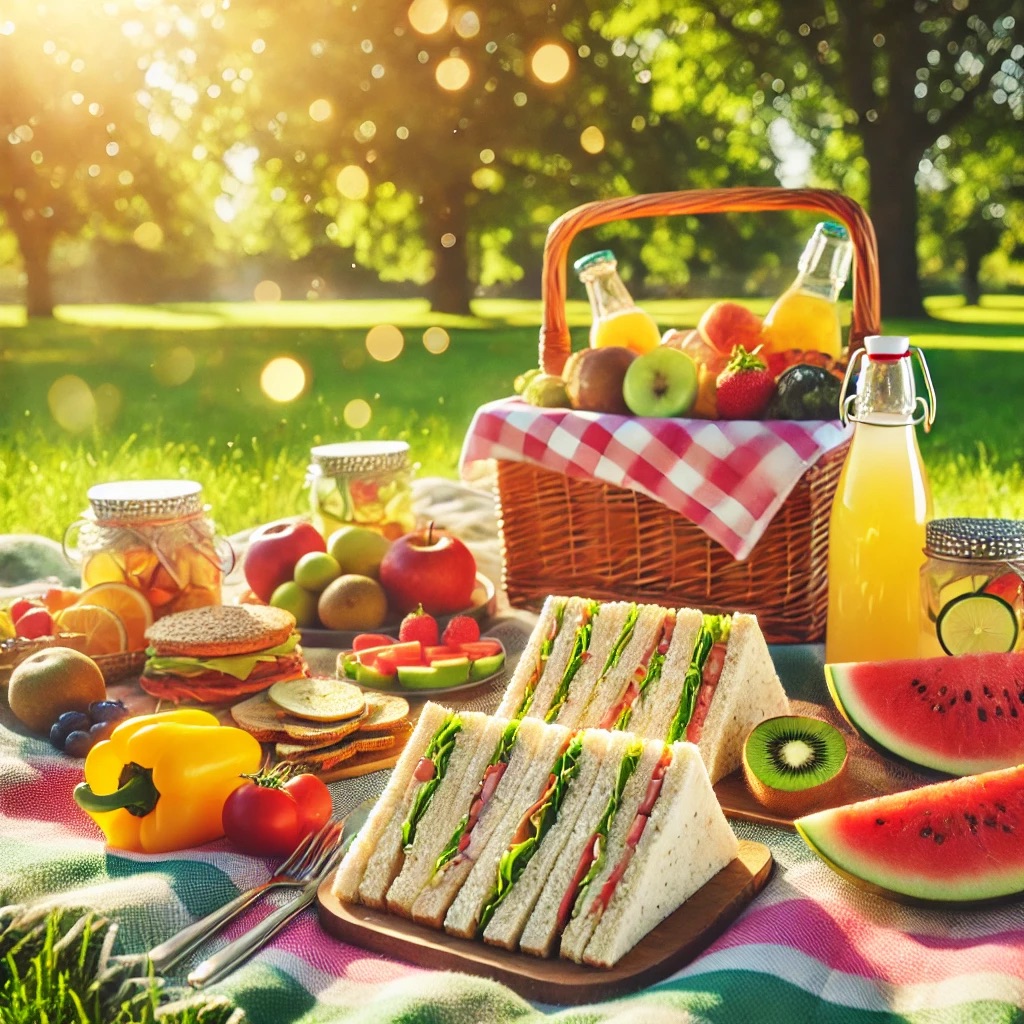
As the seasons change, so do the colors and flavors of the ingredients available to us. Cooking with fresh, vibrant ingredients not only enhances the aesthetic appeal of our meals but also boosts their nutritional value. In this post, we will explore the bounty of seasonal produce, how to incorporate them into your cooking, and the joy of eating with the seasons.
The Importance of Seasonal Eating
Eating seasonally is more than just a trend; it’s a way to connect with nature and support local farmers. Seasonal ingredients are often fresher, tastier, and more nutrient-dense than their out-of-season counterparts. They also require less energy to grow and transport, making them a more sustainable choice.
Spring: A Palette of Pastels
Spring ushers in a beautiful array of pastel-colored produce. Think of tender greens, vibrant radishes, and fragrant herbs. Here are some ingredients to consider:
- Asparagus: With its bright green stalks, asparagus is a springtime favorite. It can be grilled, roasted, or added to salads for a fresh crunch.
- Radishes: These peppery, colorful gems add a pop of color to any dish. Try them in salads or as a crunchy garnish for tacos.
- Peas: Sweet peas are a delightful addition to pasta dishes, risottos, or simply sautéed with butter and herbs.
- Herbs: Fresh herbs like basil, cilantro, and mint come alive in spring. Use them generously to elevate your dishes.
Spring Recipe: Asparagus and Pea Risotto
To celebrate the colors of spring, try making a creamy asparagus and pea risotto. Start by sautéing onions and garlic in olive oil, adding arborio rice, and slowly incorporating vegetable broth. Stir in blanched asparagus and peas, and finish with a sprinkle of fresh herbs and Parmesan cheese.
Summer: A Rainbow on Your Plate
Summer brings an explosion of colors and flavors, with an abundance of fruits and vegetables. From juicy tomatoes to sweet berries, the summer harvest is truly vibrant:
- Tomatoes: Ripe, juicy tomatoes in shades of red, yellow, and even purple make summer salads unforgettable.
- Bell Peppers: These crunchy vegetables come in a variety of colors and add sweetness and crunch to salads, stir-fries, and sandwiches.
- Berries: Strawberries, blueberries, and raspberries are perfect for desserts, smoothies, or snacks.
- Corn: Fresh corn adds sweetness and texture to salads, salsas, and grilled dishes.
Summer Recipe: Grilled Vegetable Salad
For a refreshing summer dish, consider a grilled vegetable salad. Toss together slices of zucchini, bell peppers, and corn, then grill until charred. Serve them over a bed of mixed greens, drizzled with a simple vinaigrette made of olive oil, lemon juice, and herbs.
Fall: Earthy and Warm Hues
As the leaves change, so do our cravings. Fall brings hearty ingredients that comfort us as the weather cools:
- Squash: Butternut and acorn squash are perfect for roasting or making soups.
- Apples: Crisp, sweet, and tart, apples can be used in both savory and sweet dishes.
- Beets: These earthy roots can be roasted, pickled, or used in salads for added color.
- Brussels Sprouts: Roasted Brussels sprouts become crispy and caramelized, making them a delicious side dish.
Fall Recipe: Roasted Butternut Squash Soup
Warm up with a velvety roasted butternut squash soup. Roast the squash until tender, then blend it with sautéed onions, garlic, and vegetable broth until smooth. Season with nutmeg and serve with a swirl of cream or coconut milk.
Winter: Rich and Deep Colors
Winter may seem like a time for lesser produce, but there are still plenty of vibrant options:
- Citrus: Oranges, grapefruits, and lemons add brightness and zest to winter dishes.
- Root Vegetables: Carrots, parsnips, and sweet potatoes are hearty and full of flavor.
- Dark Greens: Kale, collard greens, and Swiss chard are nutrient-packed and perfect for hearty winter dishes.
- Cruciferous Vegetables: Broccoli and cauliflower provide crunch and can be roasted or steamed.
Winter Recipe: Citrus and Kale Salad
Brighten up your winter meals with a citrus and kale salad. Massage kale leaves with olive oil and salt, then add segments of grapefruit and orange, sliced almonds, and feta cheese for a burst of flavor.
Tips for Cooking with Fresh Ingredients
1. **Shop Local:** Visit farmers' markets to find the freshest seasonal produce. Not only will you be supporting local farmers, but you’ll also discover unique varieties that you may not find in grocery stores.
2. **Experiment with Colors:** Don’t be afraid to mix and match different colors in your dishes. A vibrant plate is not only visually appealing but also indicative of a well-rounded meal.
3. **Preserve the Season:** Consider preserving your seasonal bounty through canning, pickling, or freezing. This way, you can enjoy the flavors of summer in the middle of winter.
4. **Get Creative with Herbs:** Fresh herbs can transform a dish. Experiment with different combinations to enhance the flavors of your seasonal ingredients.
Conclusion
Cooking with vibrant fresh ingredients is a celebration of the seasons. By embracing the colors and flavors of each season, we not only create beautiful meals but also nourish our bodies and support sustainable practices. So, the next time you step into your kitchen, think about the colors of the season and let them inspire your culinary creations.
Related articles
 Spring into Flavor
Seasonal Cooking with Fresh Ingredients
 Summer Bounty
How to Cook with Fresh Seasonal Produce
 Autumn Harvest
Embracing Seasonal Ingredients in Your Cooking
 Winter Warmth
Comfort Foods Made with Seasonal Ingredients
 The Benefits of Seasonal Cooking
Freshness, Flavor, and Sustainability
 Seasonal Cooking 101
A Beginner’s Guide to Fresh Ingredients
 Farmers' Market Finds
Cooking with Seasonal Ingredients
 A Year of Flavor
Seasonal Recipes for Every Month
 Preserving the Seasons
How to Store Fresh Ingredients
 Cooking with the Seasons
A Guide to Seasonal Herbs and Spices
 Seasonal Cooking for Families
Quick and Nutritious Recipes
 From Garden to Table
Seasonal Cooking with Homegrown Ingredients
 Celebrating Each Season
Festive Dishes for Seasonal Gatherings
 Seasonal Cooking Hacks
Tips for Using Fresh Ingredients Wisely
 Sustainable Eating
The Impact of Seasonal Cooking on the Environment
 Seasonal Cooking Around the World
Global Recipes for Every Season
 Cooking with Kids
Seasonal Recipes for Family Fun in the Kitchen
 The Art of Seasonal Cooking
Techniques for Highlighting Fresh Ingredients
 Seasonal Sips
Refreshing Beverages Made with Fresh Ingredients
 Meal Planning with Seasonal Ingredients
A Month-by-Month Guide
 Seasonal Cooking and Nutrition
Eating Well Throughout the Year
 Exploring Local Flavors
Seasonal Cooking with Regional Ingredients
 The Seasonal Pantry
Stocking Your Kitchen with Fresh Ingredients
 Creative Seasonal Salads
Fresh Ideas for Every Season
 Gourmet Seasonal Cooking
Elevating Dishes with Fresh Ingredients
 Cooking for One
Seasonal Recipes for Solo Diners
 Seasonal Cooking Challenges
Experimenting with Fresh Ingredients
 The Science of Seasonal Cooking
How Fresh Ingredients Affect Flavor
 Reviving Tradition
Seasonal Cooking in Cultural Celebrations
 Seasonal Cooking for Health
Recipes Packed with Nutrients
 Budget-Friendly Seasonal Cooking
Eating Fresh Without Breaking the Bank
 The Future of Food
Embracing Seasonal Cooking in a Globalized World
 Seasonal Cooking for Vegetarians
Delicious Plant-Based Recipes
 Cooking with Kid-Friendly Seasonal Ingredients
Fun and Tasty Recipes
Seasonal Cooking and Food Waste
Tips for Using Every Part of Fresh Ingredients
A Seasonal Cookbook
Must-Try Recipes for Every Time of Year
Seasonal Cooking Myths
Debunking Common Misconceptions
The Joy of Seasonal Cooking
Finding Inspiration in Fresh Ingredients
Seasonal Cooking Workshops
Learning to Cook with Fresh Ingredients
Seasonal Cooking and Meal Prep
Strategies for Busy Lives
Flavors of the Season
Pairing Ingredients for Maximum Taste
Eco-Friendly Seasonal Cooking
How to Reduce Your Carbon Footprint
Seasonal Cooking for Entertaining
Impressive Dishes for Guests
The Best Kitchen Tools for Seasonal Cooking
Essential Gear for Every Chef
Incorporating Seasonal Ingredients into Your Favorite Recipes
Seasonal Cooking for Special Diets
Adapting Recipes for Allergies and Intolerances
The Colors of the Season
Cooking with Vibrant Fresh Ingredients
Seasonal Cooking for Breakfast
Fresh Ideas to Start Your Day
Crafting the Perfect Seasonal Menu
Tips for Planning Meals Year-Round
Seasonal Cooking and Community
Building Connections Through Food
Categories


