The art of cooking
AI CHEF Blog

Gourmet Cooking Techniques Every Home Chef Should Know
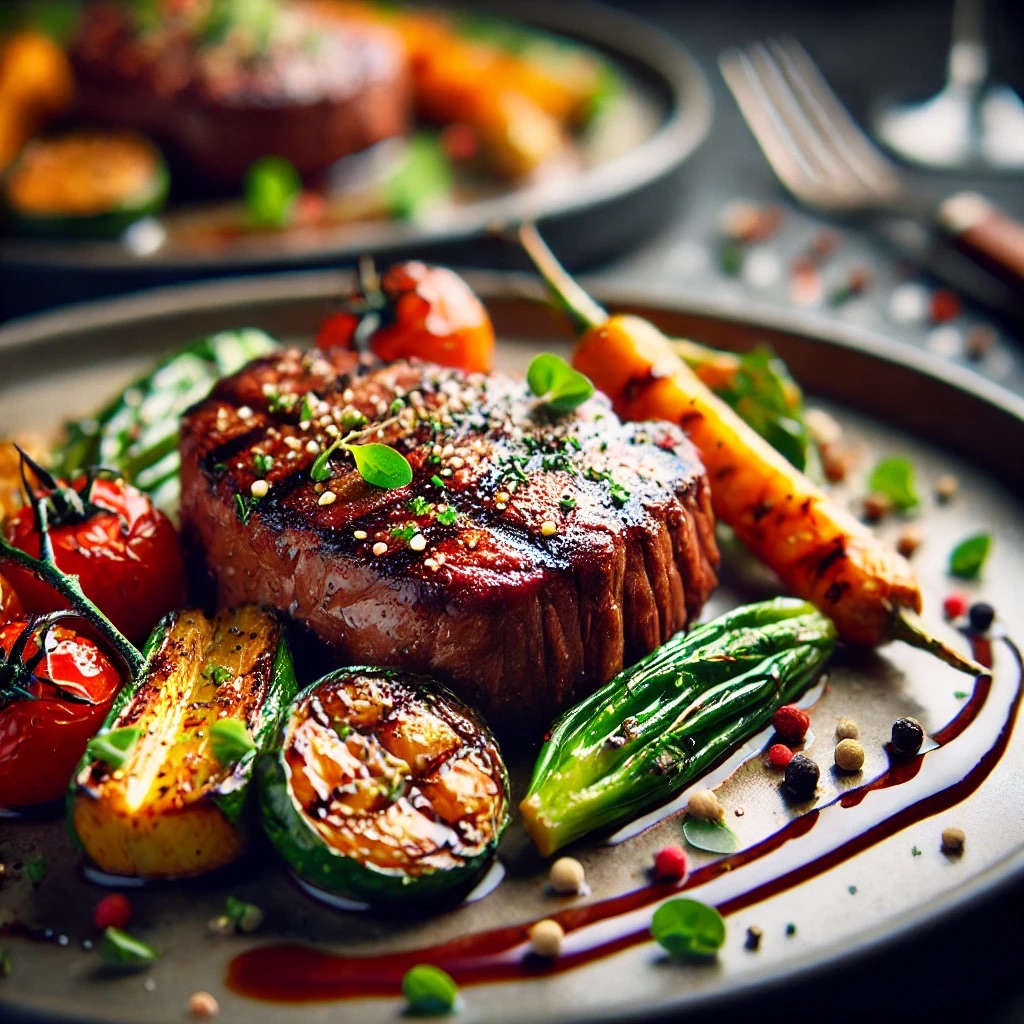
Cooking at home can be an incredibly rewarding experience, especially when you elevate your dishes with gourmet techniques. Whether you're preparing a special meal for family or friends or simply want to refine your culinary skills, mastering gourmet cooking techniques can transform your dishes from ordinary to extraordinary. Here are some essential .
1. Sous Vide Cooking
Sous vide is a French cooking method that involves sealing food in a vacuum-sealed bag and cooking it in a water bath at a precise temperature. This technique ensures that food is cooked evenly and retains its moisture, resulting in tender and flavorful dishes. You can sous vide meats, vegetables, and even eggs.
To get started, you'll need a sous vide immersion circulator and vacuum sealer. Season your food, place it in the bag, seal it, and set your immersion circulator to the desired temperature. Cooking times can vary, but many foods can be cooked for several hours without overcooking.
2. Emulsification
Emulsification is a technique used to combine two ingredients that typically don’t mix well, such as oil and vinegar. This is crucial for making dressings, sauces, and mayonnaise. The key to a successful emulsion is to add the oil slowly while whisking vigorously.
To create a classic vinaigrette, combine vinegar, mustard, salt, and pepper in a bowl. Slowly drizzle in olive oil while whisking until the dressing thickens and emulsifies. Experiment with different oils and vinegars for unique flavors.
3. Searing
Searing is a technique that involves cooking the surface of food (usually meat) at a high temperature until a brown crust forms. This not only enhances the flavor but also creates an appealing presentation. To achieve a perfect sear, ensure your pan is hot before adding the protein.
For the best results, pat your meat dry with a paper towel, season it well, and add it to the hot pan with a bit of oil. Avoid overcrowding the pan, as this will lower the temperature and prevent proper searing. Sear for a few minutes on each side until a golden crust forms.
4. Braising
Braising is a combination cooking method that involves both dry and wet heat. It’s perfect for tougher cuts of meat, as the slow cooking process breaks down collagen, resulting in tender and flavorful dishes. Start by searing your meat in a heavy pot, then add aromatic vegetables, herbs, and liquid (such as broth or wine) before covering and simmering on low heat.
For a delicious braised short rib, season and sear the ribs, then add onions, carrots, garlic, and red wine. Cover and let it simmer for several hours until the meat is fork-tender.
5. Poaching
Poaching is a gentle cooking method that involves submerging food in simmering liquid. This technique is ideal for delicate proteins like fish and eggs, as it keeps them moist and prevents overcooking. To poach, heat your liquid (water, broth, or wine) until it reaches a gentle simmer, then add your food and cook until done.
For poached eggs, bring a pot of water to a gentle simmer. Add a splash of vinegar to the water, create a whirlpool with a spoon, and carefully crack the egg into the center. Cook for about 3-4 minutes for a runny yolk.
6. Confit
Confit is a preservation method that involves cooking food slowly in its own fat. This technique is often used for duck, but you can also confit garlic or tomatoes. The slow cooking process infuses the food with flavor and extends its shelf life.
To make duck confit, submerge duck legs in rendered duck fat and cook at a low temperature (around 200°F) for several hours until the meat is tender. The result is succulent meat that can be used in various dishes.
7. Reduction
Reduction is a technique used to concentrate flavors by simmering a liquid until it thickens. This method is commonly used for sauces, stocks, and soups. By reducing a liquid, you intensify its flavor and create a rich, velvety texture.
To make a red wine reduction sauce, simmer red wine with shallots and herbs until it reduces by half. Add a pat of butter at the end for a glossy finish and serve over steak for a gourmet touch.
8. Baking Techniques: The Art of the Perfect Crust
While not exclusive to gourmet cooking, mastering baking techniques can elevate your culinary skills. A good crust can make or break a dish, whether it’s a tart, bread, or pie. Key techniques include dough lamination, blind baking, and using the right temperature.
For a flaky pie crust, use chilled butter and handle the dough minimally. To blind bake, line your crust with parchment paper and fill it with pie weights before baking to ensure it holds its shape.
9. Knife Skills
Good knife skills are essential for any home chef. Proper techniques not only enhance your cooking efficiency but also improve the presentation of your dishes. Learn basic cuts such as julienne, brunoise, and chiffonade to elevate your cooking.
Invest in a quality chef's knife and practice your technique regularly. Remember to keep your knife sharp, as a sharp knife is safer and more effective.
10. Flavor Building: Layering Ingredients
Building flavor is at the heart of gourmet cooking. Start with a base of aromatic vegetables like onions, garlic, and celery, then layer in spices, herbs, and other ingredients as you cook. This technique creates depth in your dishes and results in a more satisfying flavor profile.
For example, when making a stew, start by sautéing onions and garlic, then add spices and meat before incorporating broth and vegetables. Allow the dish to simmer, letting the flavors meld together.
Conclusion
Gourmet cooking techniques can significantly enhance your culinary repertoire and impress your guests. By mastering methods such as sous vide, emulsification, and braising, you can create dishes that rival those of professional chefs. Don’t be afraid to experiment and make these techniques your own. Happy cooking!
Related articles
 10 Gourmet Cooking Tips to Impress Your Dinner Guests
 Elevate Your Dinner Parties
The Art of Gourmet Cooking at Home
Elevate Your Dinner Parties
The Art of Gourmet Cooking at Home
 Gourmet Dinner Party Essentials
Tools and Ingredients You Need
Gourmet Dinner Party Essentials
Tools and Ingredients You Need
 From Basic to Gourmet
Transforming Everyday Recipes
From Basic to Gourmet
Transforming Everyday Recipes
 How to Create a Five-Course Gourmet Dinner at Home
 Gourmet Cooking Techniques Every Home Chef Should Know
 Wine Pairing Tips for Your Gourmet Dinner Parties
 Seasonal Ingredients
Elevating Your Gourmet Cooking Game
Seasonal Ingredients
Elevating Your Gourmet Cooking Game
 Gourmet Plating Techniques to Wow Your Guests
 Creating a Gourmet Dinner Party Menu
Step-by-Step Guide
Creating a Gourmet Dinner Party Menu
Step-by-Step Guide
 The Ultimate Guide to Hosting a Gourmet Themed Dinner Party
 Exploring International Gourmet Cuisines for Home Cooking
 Gourmet Cooking for Beginners
Where to Start
Gourmet Cooking for Beginners
Where to Start
 Simple Gourmet Recipes That Look Impressive
 Gourmet Cooking on a Budget
Tips and Tricks
Gourmet Cooking on a Budget
Tips and Tricks
 Decorating Your Table for a Gourmet Dinner Experience
 Cooking with Herbs
Elevate Your Dishes to Gourmet Status
Cooking with Herbs
Elevate Your Dishes to Gourmet Status
 The Importance of Presentation in Gourmet Cooking
 Gourmet Desserts
Sweet Finishes for Your Dinner Parties
Gourmet Desserts
Sweet Finishes for Your Dinner Parties
 Creating a Gourmet Experience with Homemade Bread
 How to Choose the Perfect Cheese for Your Gourmet Platter
 The Best Cooking Techniques for Gourmet Sauces
 Gourmet Cooking
Balancing Flavors and Textures
Gourmet Cooking
Balancing Flavors and Textures
 Planning Your Gourmet Dinner Party
Timeline and Checklist
Planning Your Gourmet Dinner Party
Timeline and Checklist
 Gourmet Cooking Class
Skills to Impress Your Friends
Gourmet Cooking Class
Skills to Impress Your Friends
 Hosting a Wine and Gourmet Food Pairing Night
 How to Make Your Own Gourmet Condiments at Home
 Gourmet Cooking with Local Ingredients
Farm to Table
Gourmet Cooking with Local Ingredients
Farm to Table
 Mastering the Art of Sous Vide for Gourmet Dishes
 Gourmet Cooking
Exploring Vegan and Vegetarian Options
Gourmet Cooking
Exploring Vegan and Vegetarian Options
 Setting the Mood
Music and Ambiance for Gourmet Dinner Parties
Setting the Mood
Music and Ambiance for Gourmet Dinner Parties
 Gourmet Cooking for Special Dietary Needs
Gluten-Free and More
Gourmet Cooking for Special Dietary Needs
Gluten-Free and More
 How to Make Your Own Gourmet Ice Cream at Home
 Creating a Signature Cocktail for Your Gourmet Dinner Party
Gourmet Cooking Techniques to Boost Your Confidence in the Kitchen
The Role of Presentation in Gourmet Cooking
A Visual Feast
Gourmet Appetizers to Kickstart Your Dinner Party
How to Organize a Themed Gourmet Dinner Party
Gourmet Cooking and Sustainability
Tips for Eco-Friendly Dinner Parties
The Best Gourmet Cooking Shows to Inspire Your Home Kitchen
Gourmet Cooking
A Guide to Flavor Profiles and Pairings
How to Make Gourmet Charcuterie Boards that Impress
Gourmet Cooking with Kids
Fun Recipes for Family Dinner Parties
The Science of Flavor
Understanding Gourmet Cooking Techniques
Gourmet Cooking on Weekends
Planning the Perfect Stay-at-Home Dinner
Crafting a Gourmet Breakfast for Your Dinner Party Guests
Gourmet Cooking
How to Master Classic French Techniques at Home
Exploring Fusion Cuisine
A Gourmet Experience at Home
Gourmet Cooking for Two
Romantic Dinner Ideas for Home
How to Host a Gourmet Potluck Dinner Party
Categories