The art of cooking
AI CHEF Blog

Cooking with Herbs: Elevate Your Dishes to Gourmet Status
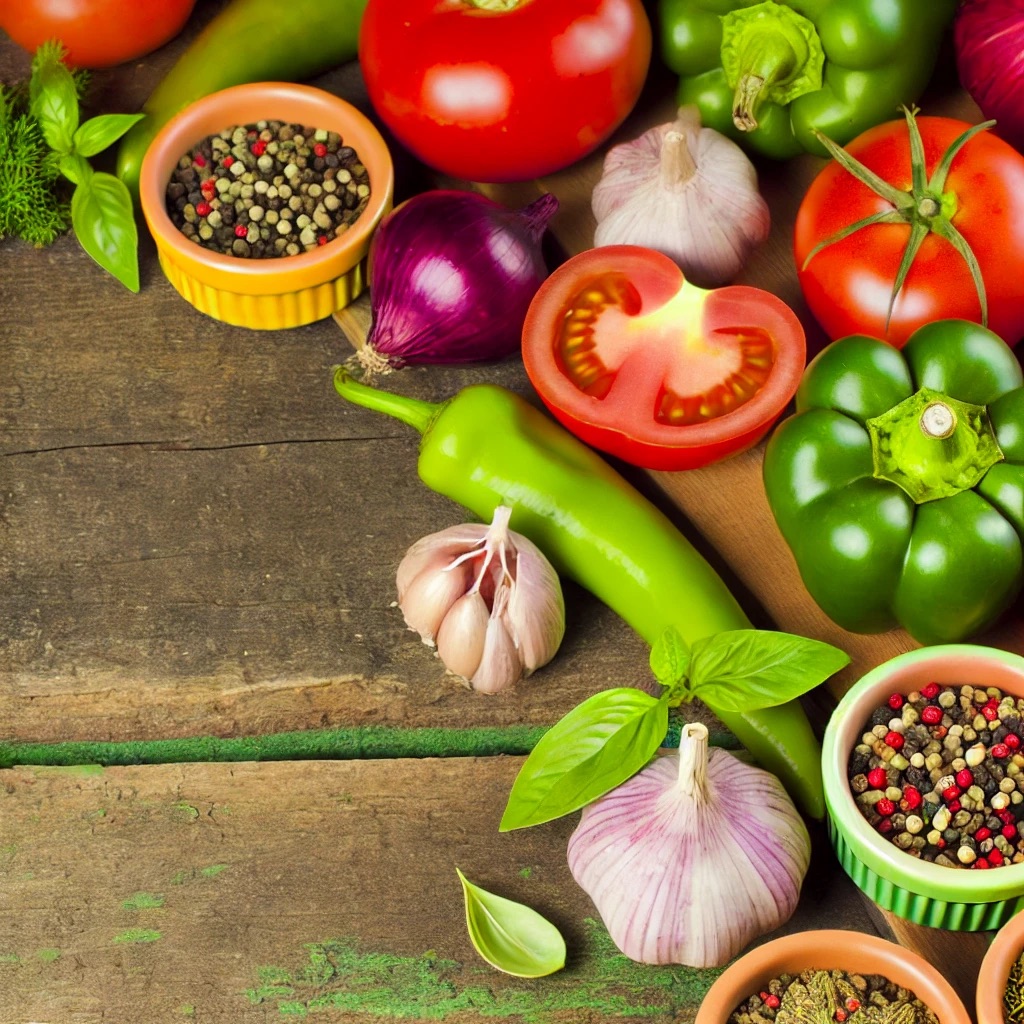
When it comes to cooking, the right ingredients can transform a simple meal into a culinary masterpiece. One of the most powerful tools in a chef's arsenal is the herb. These vibrant, aromatic plants can elevate your dishes to gourmet status, adding depth, flavor, and freshness. Whether you're an experienced cook or a novice in the kitchen, understanding how to use herbs can enhance your culinary creations.
The Role of Herbs in Cooking
Herbs are the leafy greens of plants that are used for flavoring, garnishing, or medicinal purposes. They are rich in essential oils, which give them their characteristic flavors and aromas. The use of herbs in cooking dates back to ancient times, and different cultures have their own unique styles and preferences.
Types of Culinary Herbs
There are two main categories of herbs: fresh and dried. Fresh herbs are typically used in dishes that require minimal cooking, while dried herbs are often added to longer-cooking recipes. Here are some popular culinary herbs:
- Basil: A staple in Italian cuisine, basil adds a sweet and slightly peppery flavor to dishes.
- Parsley: Often used as a garnish, parsley has a fresh taste that brightens up many dishes.
- Cilantro: Common in Mexican and Asian cuisines, cilantro has a distinct flavor that some love and others dislike.
- Thyme: A versatile herb that pairs well with meats, vegetables, and soups.
- Rosemary: Known for its strong, pine-like flavor, rosemary is excellent with roasted meats and potatoes.
- Oregano: A key ingredient in Mediterranean dishes, oregano has a warm and slightly bitter flavor.
How to Use Herbs in Your Cooking
Using herbs effectively can take your dishes from mundane to extraordinary. Here are some tips on how to incorporate herbs into your cooking:
1. Fresh vs. Dried Herbs
Generally, fresh herbs are more aromatic than dried herbs. If a recipe calls for fresh herbs and you only have dried, use about one-third of the amount called for. Dried herbs are more concentrated in flavor, so a little goes a long way.
2. Timing is Everything
The timing of when you add herbs to a dish can significantly affect the final flavor. Here are some guidelines:
- Add sturdy herbs like rosemary and thyme early in the cooking process to allow their flavors to infuse the dish.
- Bright, delicate herbs like basil and cilantro should be added at the end of cooking or used as a garnish to maintain their vibrant flavor and color.
3. Experiment with Combinations
Don’t be afraid to experiment with different herb combinations to create unique flavors. For example, pairing basil with tomatoes is classic, but adding a touch of mint can elevate the dish further. Try mixing herbs like dill, parsley, and chives for a fresh herb sauce or dressing.
4. Make Herb-Infused Oils and Butters
Herb-infused oils and butters are an excellent way to incorporate flavors into your cooking. Simply blend fresh herbs with olive oil or softened butter and use them to enhance breads, vegetables, or meats. This technique not only adds flavor but also makes for an impressive presentation.
Herb-Based Recipes to Try
Here are a few recipes that showcase the beauty of cooking with herbs:
1. Herb-Infused Olive Oil
Ingredients:
- 1 cup olive oil
- 1/4 cup fresh herbs (such as basil, rosemary, or thyme)
- 1 clove garlic (optional)
Instructions:
- Combine the olive oil, herbs, and garlic (if using) in a small saucepan.
- Heat over low heat for 10-15 minutes, ensuring it doesn’t boil.
- Let it cool, then strain into a clean bottle. Store in the refrigerator for up to two weeks.
2. Herb-Driven Pesto
Ingredients:
- 2 cups fresh basil leaves
- 1/2 cup grated Parmesan cheese
- 1/2 cup olive oil
- 1/3 cup pine nuts
- 2 cloves garlic
- Salt and pepper to taste
Instructions:
- In a food processor, combine the basil, Parmesan cheese, pine nuts, and garlic. Pulse until chopped.
- Slowly add olive oil while the processor is running until the mixture is smooth.
- Season with salt and pepper. Serve over pasta or as a spread.
3. Roasted Vegetables with Herbs
Ingredients:
- 2 cups assorted vegetables (carrots, bell peppers, zucchini)
- 2 tablespoons olive oil
- 1 tablespoon fresh rosemary, chopped
- 1 tablespoon fresh thyme, chopped
- Salt and pepper to taste
Instructions:
- Preheat the oven to 400°F (200°C).
- Toss the vegetables with olive oil, rosemary, thyme, salt, and pepper.
- Spread on a baking sheet and roast for 25-30 minutes or until tender and golden.
Growing Your Own Herbs
One of the best ways to ensure you always have fresh herbs on hand is to grow your own. Herbs can be grown in pots on a windowsill or in a garden. Here are some easy-to-grow herbs:
- Basil: Thrives in warm weather and needs plenty of sunlight.
- Mint: Grows vigorously and can even take over a garden, so it’s best to plant it in a pot.
- Chives: Hardy and easy to grow, chives can add a mild onion flavor to dishes.
- Parsley: A biennial plant that can be grown year-round in many climates.
Conclusion
Cooking with herbs is a simple yet effective way to elevate your dishes to gourmet status. Whether you’re adding fresh herbs to a salad, creating a flavorful marinade, or infusing oils and butters, the possibilities are endless. By understanding how to use herbs effectively and experimenting with different combinations, you can take your culinary skills to new heights. So, gather your herbs, get creative in the kitchen, and enjoy the fresh, vibrant flavors they bring to your meals.
Related articles
 10 Gourmet Cooking Tips to Impress Your Dinner Guests
 Elevate Your Dinner Parties
The Art of Gourmet Cooking at Home
Elevate Your Dinner Parties
The Art of Gourmet Cooking at Home
 Gourmet Dinner Party Essentials
Tools and Ingredients You Need
Gourmet Dinner Party Essentials
Tools and Ingredients You Need
 From Basic to Gourmet
Transforming Everyday Recipes
From Basic to Gourmet
Transforming Everyday Recipes
 How to Create a Five-Course Gourmet Dinner at Home
 Gourmet Cooking Techniques Every Home Chef Should Know
 Wine Pairing Tips for Your Gourmet Dinner Parties
 Seasonal Ingredients
Elevating Your Gourmet Cooking Game
Seasonal Ingredients
Elevating Your Gourmet Cooking Game
 Gourmet Plating Techniques to Wow Your Guests
 Creating a Gourmet Dinner Party Menu
Step-by-Step Guide
Creating a Gourmet Dinner Party Menu
Step-by-Step Guide
 The Ultimate Guide to Hosting a Gourmet Themed Dinner Party
 Exploring International Gourmet Cuisines for Home Cooking
 Gourmet Cooking for Beginners
Where to Start
Gourmet Cooking for Beginners
Where to Start
 Simple Gourmet Recipes That Look Impressive
 Gourmet Cooking on a Budget
Tips and Tricks
Gourmet Cooking on a Budget
Tips and Tricks
 Decorating Your Table for a Gourmet Dinner Experience
 Cooking with Herbs
Elevate Your Dishes to Gourmet Status
Cooking with Herbs
Elevate Your Dishes to Gourmet Status
 The Importance of Presentation in Gourmet Cooking
 Gourmet Desserts
Sweet Finishes for Your Dinner Parties
Gourmet Desserts
Sweet Finishes for Your Dinner Parties
 Creating a Gourmet Experience with Homemade Bread
 How to Choose the Perfect Cheese for Your Gourmet Platter
 The Best Cooking Techniques for Gourmet Sauces
 Gourmet Cooking
Balancing Flavors and Textures
Gourmet Cooking
Balancing Flavors and Textures
 Planning Your Gourmet Dinner Party
Timeline and Checklist
Planning Your Gourmet Dinner Party
Timeline and Checklist
 Gourmet Cooking Class
Skills to Impress Your Friends
Gourmet Cooking Class
Skills to Impress Your Friends
 Hosting a Wine and Gourmet Food Pairing Night
 How to Make Your Own Gourmet Condiments at Home
 Gourmet Cooking with Local Ingredients
Farm to Table
Gourmet Cooking with Local Ingredients
Farm to Table
 Mastering the Art of Sous Vide for Gourmet Dishes
 Gourmet Cooking
Exploring Vegan and Vegetarian Options
Gourmet Cooking
Exploring Vegan and Vegetarian Options
 Setting the Mood
Music and Ambiance for Gourmet Dinner Parties
Setting the Mood
Music and Ambiance for Gourmet Dinner Parties
 Gourmet Cooking for Special Dietary Needs
Gluten-Free and More
Gourmet Cooking for Special Dietary Needs
Gluten-Free and More
 How to Make Your Own Gourmet Ice Cream at Home
 Creating a Signature Cocktail for Your Gourmet Dinner Party
Gourmet Cooking Techniques to Boost Your Confidence in the Kitchen
The Role of Presentation in Gourmet Cooking
A Visual Feast
Gourmet Appetizers to Kickstart Your Dinner Party
How to Organize a Themed Gourmet Dinner Party
Gourmet Cooking and Sustainability
Tips for Eco-Friendly Dinner Parties
The Best Gourmet Cooking Shows to Inspire Your Home Kitchen
Gourmet Cooking
A Guide to Flavor Profiles and Pairings
How to Make Gourmet Charcuterie Boards that Impress
Gourmet Cooking with Kids
Fun Recipes for Family Dinner Parties
The Science of Flavor
Understanding Gourmet Cooking Techniques
Gourmet Cooking on Weekends
Planning the Perfect Stay-at-Home Dinner
Crafting a Gourmet Breakfast for Your Dinner Party Guests
Gourmet Cooking
How to Master Classic French Techniques at Home
Exploring Fusion Cuisine
A Gourmet Experience at Home
Gourmet Cooking for Two
Romantic Dinner Ideas for Home
How to Host a Gourmet Potluck Dinner Party
Categories