The art of cooking
AI CHEF Blog

Gourmet Cooking: Balancing Flavors and Textures
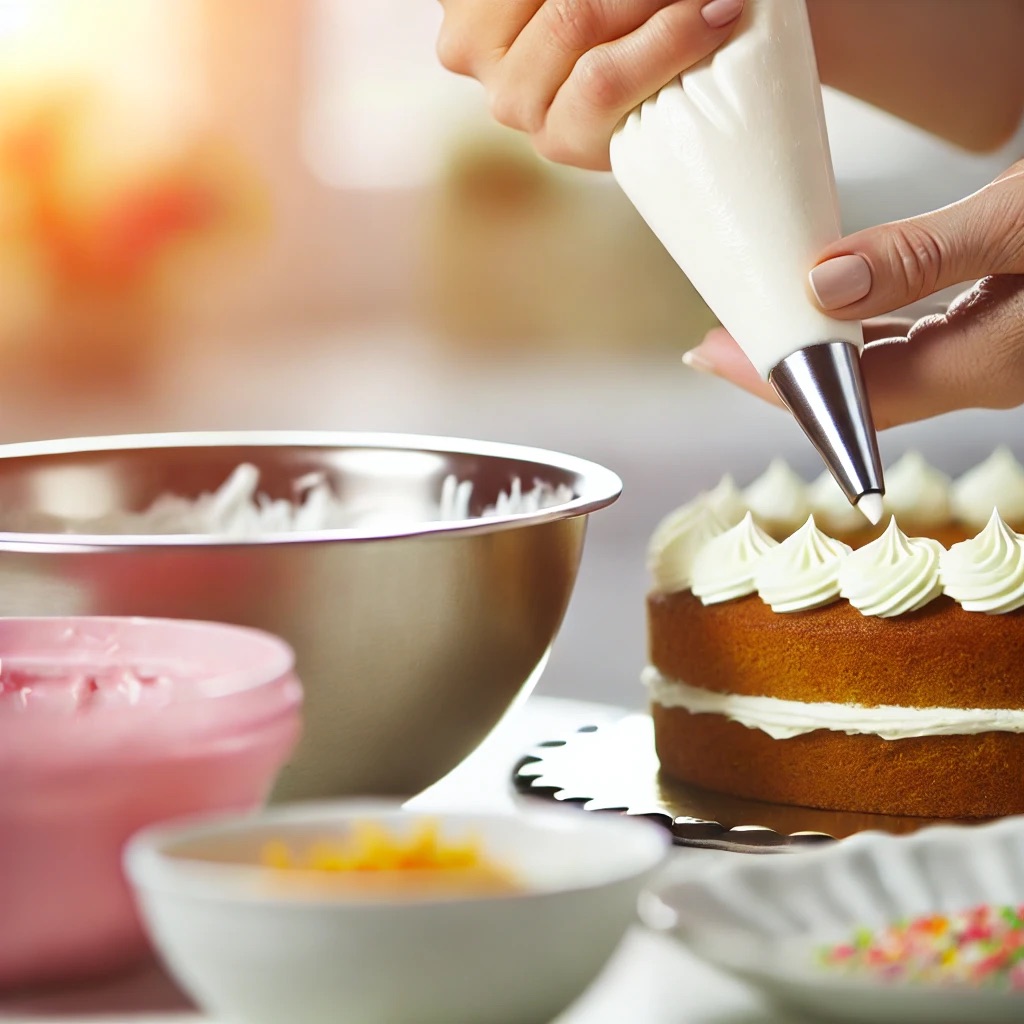
In the world of gourmet cooking, the pursuit of perfection is a never-ending journey. Chefs and home cooks alike strive to create dishes that not only tantalize the taste buds but also engage the senses through a harmonious balance of flavors and textures. This blog post will explore the principles of balancing flavors and textures, offering insights and tips to elevate your culinary creations.
Understanding Flavors
Flavors are the building blocks of any dish. They can be categorized into five primary tastes: sweet, sour, salty, bitter, and umami. Each of these tastes plays a unique role in creating a well-rounded dish.
- Sweet: Often derived from sugars, sweet flavors can balance acidity and bitterness, adding depth to a dish.
- Sour: Acidity brightens flavors and adds freshness. Ingredients like lemon juice, vinegar, and yogurt can introduce a delightful tang.
- Salty: Salt enhances the natural flavors of ingredients, bringing dishes to life. It can also act as a preservative.
- Bitter: While often disregarded, bitterness can add complexity. Ingredients like coffee, dark chocolate, and certain greens can contribute pleasantly bitter notes.
- Umami: Known as the fifth taste, umami is a savory flavor found in ingredients like mushrooms, tomatoes, and aged cheeses. It adds richness and depth to dishes.
The Art of Balancing Flavors
When creating a gourmet dish, it’s crucial to achieve a balance among these flavors. Here are some strategies to consider:
1. Start with a Base
Begin by establishing a flavor base for your dish. This could be a sauce, broth, or even a marinade that incorporates multiple flavors. For example, a classic tomato sauce contains sweetness from the tomatoes, acidity from vinegar, and umami from garlic and herbs.
2. Layering Flavors
Layering involves incorporating flavors gradually throughout the cooking process. Start with aromatics like onions and garlic, then layer in spices, herbs, and other ingredients. This technique enhances the complexity of the dish.
3. Taste as You Go
Tasting throughout the cooking process is essential. This allows you to adjust flavors in real-time, ensuring a well-balanced final product. Don’t be afraid to add a pinch of salt, a splash of vinegar, or a sprinkle of sugar to find the perfect harmony.
4. Consider Contrasting Flavors
Contrasting flavors can create excitement on the palate. For instance, pairing sweet roasted vegetables with tangy feta cheese can create a delightful balance. Similarly, a rich chocolate cake can be elevated with a tart raspberry sauce.
Exploring Textures
Texture is just as important as flavor in gourmet cooking. A dish that offers a variety of textures can be more enjoyable and satisfying. Textures can be categorized into several types:
- Crispy: Foods like fried onions, croutons, or roasted nuts provide a satisfying crunch.
- Creamy: Cream sauces, mashed potatoes, or custards add a smooth, luxurious mouthfeel.
Achieving Texture Balance
Just as with flavors, achieving a balance of textures is key to creating a gourmet dish. Here are some tips to consider:
1. Mix and Match
Incorporate a variety of textures into your dish. For example, a salad can feature crispy greens, creamy avocado, and crunchy nuts, providing a delightful contrast that keeps each bite interesting.
2. Play with Cooking Techniques
Different cooking methods can produce unique textures. Roasting vegetables brings out their sweetness and creates a crispy exterior, while steaming retains moisture and tenderness. Experimenting with various techniques can lead to exciting textural combinations.
3. Garnish Wisely
Garnishes can add both flavor and texture. A sprinkle of toasted nuts or seeds can introduce crunch, while a dollop of yogurt can add creaminess. Thoughtful garnishing can elevate a dish visually and texturally.
Examples of Flavor and Texture Balance
To illustrate the principles of balancing flavors and textures, let’s explore a few gourmet dishes:
1. Grilled Peach Salad
This salad features grilled peaches (sweet and juicy), tangy goat cheese (creamy), peppery arugula (crisp), and toasted walnuts (crunchy). The combination of sweet, tangy, and peppery flavors, along with varying textures, creates a refreshing and satisfying dish.
2. Duck Confit with Cherry Sauce
Duck confit is rich and tender, while a tart cherry sauce adds acidity and brightness. The dish can be served with creamy polenta (smooth) and crispy roasted Brussels sprouts (crunchy), achieving a delightful balance of flavors and textures.
3. Chocolate Mousse with Sea Salt
This classic dessert is velvety and rich, but adding a sprinkle of flaky sea salt enhances the chocolate’s sweetness and introduces an unexpected crunch. Serving it with fresh berries adds a juicy contrast, making each bite a delightful experience.
Conclusion
Gourmet cooking is an art that requires a keen understanding of flavors and textures. By balancing these elements, you can create dishes that are not only delicious but also memorable. Remember to experiment, taste, and enjoy the process. With practice, you’ll develop your own unique style and elevate your culinary creations to gourmet heights.
Related articles
 10 Gourmet Cooking Tips to Impress Your Dinner Guests
 Elevate Your Dinner Parties
The Art of Gourmet Cooking at Home
Elevate Your Dinner Parties
The Art of Gourmet Cooking at Home
 Gourmet Dinner Party Essentials
Tools and Ingredients You Need
Gourmet Dinner Party Essentials
Tools and Ingredients You Need
 From Basic to Gourmet
Transforming Everyday Recipes
From Basic to Gourmet
Transforming Everyday Recipes
 How to Create a Five-Course Gourmet Dinner at Home
 Gourmet Cooking Techniques Every Home Chef Should Know
 Wine Pairing Tips for Your Gourmet Dinner Parties
 Seasonal Ingredients
Elevating Your Gourmet Cooking Game
Seasonal Ingredients
Elevating Your Gourmet Cooking Game
 Gourmet Plating Techniques to Wow Your Guests
 Creating a Gourmet Dinner Party Menu
Step-by-Step Guide
Creating a Gourmet Dinner Party Menu
Step-by-Step Guide
 The Ultimate Guide to Hosting a Gourmet Themed Dinner Party
 Exploring International Gourmet Cuisines for Home Cooking
 Gourmet Cooking for Beginners
Where to Start
Gourmet Cooking for Beginners
Where to Start
 Simple Gourmet Recipes That Look Impressive
 Gourmet Cooking on a Budget
Tips and Tricks
Gourmet Cooking on a Budget
Tips and Tricks
 Decorating Your Table for a Gourmet Dinner Experience
 Cooking with Herbs
Elevate Your Dishes to Gourmet Status
Cooking with Herbs
Elevate Your Dishes to Gourmet Status
 The Importance of Presentation in Gourmet Cooking
 Gourmet Desserts
Sweet Finishes for Your Dinner Parties
Gourmet Desserts
Sweet Finishes for Your Dinner Parties
 Creating a Gourmet Experience with Homemade Bread
 How to Choose the Perfect Cheese for Your Gourmet Platter
 The Best Cooking Techniques for Gourmet Sauces
 Gourmet Cooking
Balancing Flavors and Textures
Gourmet Cooking
Balancing Flavors and Textures
 Planning Your Gourmet Dinner Party
Timeline and Checklist
Planning Your Gourmet Dinner Party
Timeline and Checklist
 Gourmet Cooking Class
Skills to Impress Your Friends
Gourmet Cooking Class
Skills to Impress Your Friends
 Hosting a Wine and Gourmet Food Pairing Night
 How to Make Your Own Gourmet Condiments at Home
 Gourmet Cooking with Local Ingredients
Farm to Table
Gourmet Cooking with Local Ingredients
Farm to Table
 Mastering the Art of Sous Vide for Gourmet Dishes
 Gourmet Cooking
Exploring Vegan and Vegetarian Options
Gourmet Cooking
Exploring Vegan and Vegetarian Options
 Setting the Mood
Music and Ambiance for Gourmet Dinner Parties
Setting the Mood
Music and Ambiance for Gourmet Dinner Parties
 Gourmet Cooking for Special Dietary Needs
Gluten-Free and More
Gourmet Cooking for Special Dietary Needs
Gluten-Free and More
 How to Make Your Own Gourmet Ice Cream at Home
 Creating a Signature Cocktail for Your Gourmet Dinner Party
Gourmet Cooking Techniques to Boost Your Confidence in the Kitchen
The Role of Presentation in Gourmet Cooking
A Visual Feast
Gourmet Appetizers to Kickstart Your Dinner Party
How to Organize a Themed Gourmet Dinner Party
Gourmet Cooking and Sustainability
Tips for Eco-Friendly Dinner Parties
The Best Gourmet Cooking Shows to Inspire Your Home Kitchen
Gourmet Cooking
A Guide to Flavor Profiles and Pairings
How to Make Gourmet Charcuterie Boards that Impress
Gourmet Cooking with Kids
Fun Recipes for Family Dinner Parties
The Science of Flavor
Understanding Gourmet Cooking Techniques
Gourmet Cooking on Weekends
Planning the Perfect Stay-at-Home Dinner
Crafting a Gourmet Breakfast for Your Dinner Party Guests
Gourmet Cooking
How to Master Classic French Techniques at Home
Exploring Fusion Cuisine
A Gourmet Experience at Home
Gourmet Cooking for Two
Romantic Dinner Ideas for Home
How to Host a Gourmet Potluck Dinner Party
Categories