The art of cooking
AI CHEF Blog

Gourmet Cooking and Sustainability: Tips for Eco-Friendly Dinner Parties
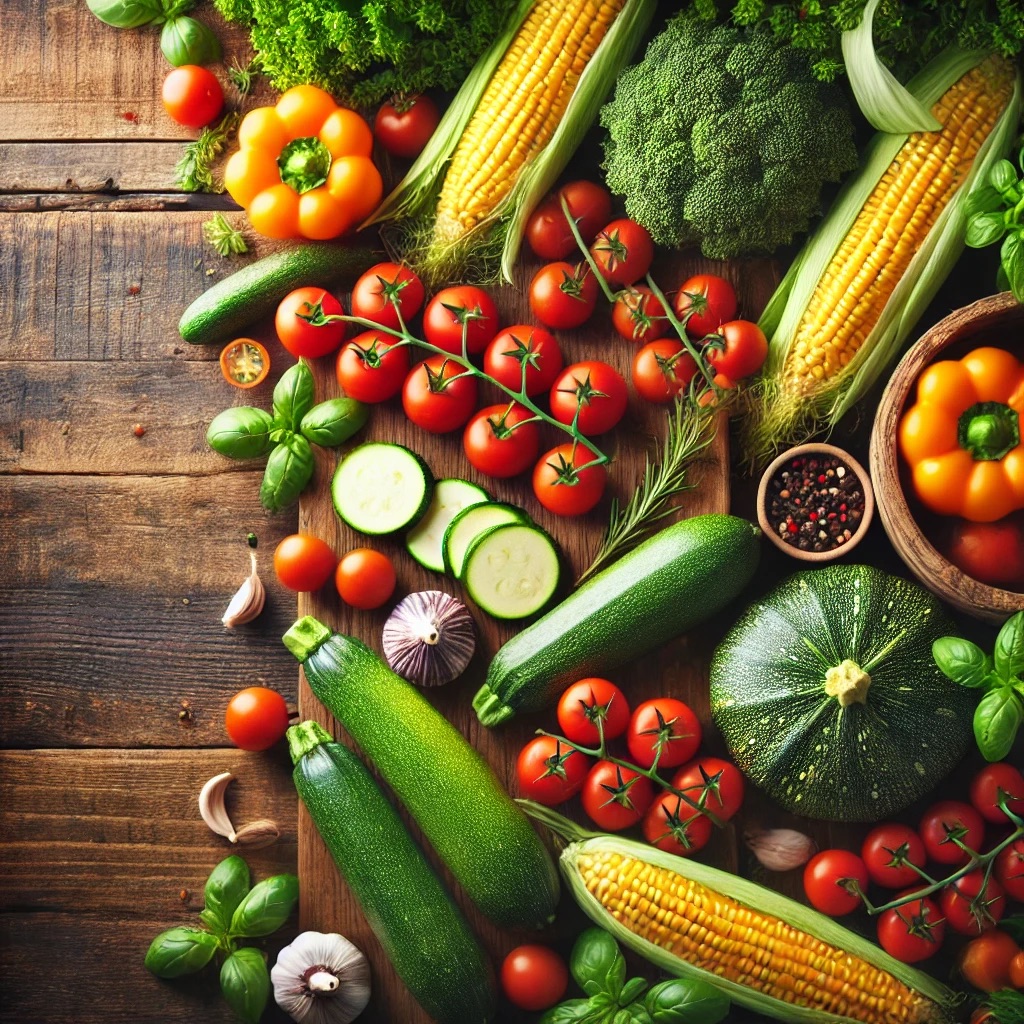
In recent years, the culinary world has seen a growing emphasis on sustainability, prompting chefs and home cooks alike to reevaluate their cooking practices. With the rise of environmental awareness, hosting an eco-friendly dinner party not only makes a positive impact on the planet, but it also adds a unique twist to your culinary endeavors. In this blog post, we will explore how to combine gourmet cooking with sustainable practices, providing tips and ideas for your next eco-friendly dinner party.
Understanding Gourmet Cooking
Gourmet cooking is often associated with high-quality ingredients, intricate techniques, and a focus on presentation. It’s about creating dishes that are not only delicious but also visually appealing. However, gourmet cooking doesn’t have to come at the expense of the environment. By choosing sustainable ingredients and responsible cooking methods, you can elevate your dinner party while being mindful of your ecological footprint.
1. Plan Your Menu with Sustainability in Mind
The first step to hosting an eco-friendly dinner party is to plan your menu carefully. Start by considering seasonal ingredients. Seasonal produce is not only fresher and tastier but also requires less energy and resources to grow and transport. Check local farmers’ markets or grocery stores for seasonal fruits and vegetables, and build your menu around these items. Additionally, look for sustainable proteins such as grass-fed beef, free-range chicken, or plant-based options like legumes and tofu.
2. Sourcing Ingredients
Where you source your ingredients can make a significant difference in the sustainability of your dinner party. Choose organic and locally sourced products whenever possible. Organic farming practices are designed to reduce environmental impact and promote biodiversity. Local ingredients also minimize the carbon footprint associated with transportation. If available, consider joining a community-supported agriculture (CSA) program to access fresh, seasonal produce directly from local farms.
3. Waste Reduction Strategies
Waste reduction is a crucial aspect of sustainability. As you plan your dinner party, think about ways to minimize food waste. Start by calculating portion sizes carefully to avoid over-preparing. Use leftovers creatively in future meals or dishes. For example, vegetable scraps can be turned into stock, and stale bread can become croutons. Additionally, consider composting any organic waste to return nutrients to the soil. Providing guests with reusable containers for leftovers can also encourage them to take home any excess food.
4. Eco-Friendly Table Settings
Creating a beautiful table setting doesn’t have to involve single-use plastics or disposable tableware. Instead, opt for reusable or biodegradable options. Use real plates, glasses, and cutlery to elevate the dining experience. If you want to add a touch of elegance, consider renting high-quality tableware instead of purchasing new items. For decorations, incorporate natural elements like fresh flowers, herbs, or seasonal fruits. You can also use cloth napkins and tablecloths to reduce waste and add a sophisticated touch.
5. Creative Cooking Techniques
Gourmet cooking often involves intricate techniques, but that doesn’t mean you can’t be eco-friendly. Explore cooking methods that conserve energy, such as slow cooking or pressure cooking. These methods often require less energy than traditional cooking methods and can result in tender, flavorful dishes. Additionally, consider using your oven efficiently by cooking multiple dishes at once or utilizing the residual heat for other items.
6. Drink Responsibly
Beverages play a significant role in any dinner party, but they can also contribute to your environmental impact. When selecting wines or spirits, look for organic or biodynamic options, which prioritize sustainable farming practices. Additionally, consider serving local craft beers or spirits to reduce transportation emissions. For non-alcoholic options, try creating homemade sodas or infusions using seasonal fruits and herbs. Not only will this impress your guests, but it also cuts down on waste from packaging.
7. Mindful Hosting
As a host, your approach to sustainability sets the tone for the evening. Share your eco-friendly initiatives with your guests, creating a dialogue around sustainability and its importance. Encourage guests to bring their own reusable containers for leftovers and offer to share recipes that highlight sustainable practices. By fostering a culture of mindfulness, you can inspire others to adopt eco-friendly habits in their own cooking and entertaining.
8. Conclusion
Hosting a gourmet dinner party with sustainability at its core is not only feasible but also rewarding. By planning your menu with seasonal ingredients, sourcing responsibly, reducing waste, and creating an eco-friendly atmosphere, you can impress your guests while making a positive impact on the environment. As you embrace these practices, you’ll find that gourmet cooking and sustainability can go hand in hand, creating memorable dining experiences that celebrate both flavor and responsibility. So, gather your friends, roll up your sleeves, and get ready to host an unforgettable eco-friendly dinner party!
Related articles
 10 Gourmet Cooking Tips to Impress Your Dinner Guests
 Elevate Your Dinner Parties
The Art of Gourmet Cooking at Home
Elevate Your Dinner Parties
The Art of Gourmet Cooking at Home
 Gourmet Dinner Party Essentials
Tools and Ingredients You Need
Gourmet Dinner Party Essentials
Tools and Ingredients You Need
 From Basic to Gourmet
Transforming Everyday Recipes
From Basic to Gourmet
Transforming Everyday Recipes
 How to Create a Five-Course Gourmet Dinner at Home
 Gourmet Cooking Techniques Every Home Chef Should Know
 Wine Pairing Tips for Your Gourmet Dinner Parties
 Seasonal Ingredients
Elevating Your Gourmet Cooking Game
Seasonal Ingredients
Elevating Your Gourmet Cooking Game
 Gourmet Plating Techniques to Wow Your Guests
 Creating a Gourmet Dinner Party Menu
Step-by-Step Guide
Creating a Gourmet Dinner Party Menu
Step-by-Step Guide
 The Ultimate Guide to Hosting a Gourmet Themed Dinner Party
 Exploring International Gourmet Cuisines for Home Cooking
 Gourmet Cooking for Beginners
Where to Start
Gourmet Cooking for Beginners
Where to Start
 Simple Gourmet Recipes That Look Impressive
 Gourmet Cooking on a Budget
Tips and Tricks
Gourmet Cooking on a Budget
Tips and Tricks
 Decorating Your Table for a Gourmet Dinner Experience
 Cooking with Herbs
Elevate Your Dishes to Gourmet Status
Cooking with Herbs
Elevate Your Dishes to Gourmet Status
 The Importance of Presentation in Gourmet Cooking
 Gourmet Desserts
Sweet Finishes for Your Dinner Parties
Gourmet Desserts
Sweet Finishes for Your Dinner Parties
 Creating a Gourmet Experience with Homemade Bread
 How to Choose the Perfect Cheese for Your Gourmet Platter
 The Best Cooking Techniques for Gourmet Sauces
 Gourmet Cooking
Balancing Flavors and Textures
Gourmet Cooking
Balancing Flavors and Textures
 Planning Your Gourmet Dinner Party
Timeline and Checklist
Planning Your Gourmet Dinner Party
Timeline and Checklist
 Gourmet Cooking Class
Skills to Impress Your Friends
Gourmet Cooking Class
Skills to Impress Your Friends
 Hosting a Wine and Gourmet Food Pairing Night
 How to Make Your Own Gourmet Condiments at Home
 Gourmet Cooking with Local Ingredients
Farm to Table
Gourmet Cooking with Local Ingredients
Farm to Table
 Mastering the Art of Sous Vide for Gourmet Dishes
 Gourmet Cooking
Exploring Vegan and Vegetarian Options
Gourmet Cooking
Exploring Vegan and Vegetarian Options
 Setting the Mood
Music and Ambiance for Gourmet Dinner Parties
Setting the Mood
Music and Ambiance for Gourmet Dinner Parties
 Gourmet Cooking for Special Dietary Needs
Gluten-Free and More
Gourmet Cooking for Special Dietary Needs
Gluten-Free and More
 How to Make Your Own Gourmet Ice Cream at Home
 Creating a Signature Cocktail for Your Gourmet Dinner Party
Gourmet Cooking Techniques to Boost Your Confidence in the Kitchen
The Role of Presentation in Gourmet Cooking
A Visual Feast
Gourmet Appetizers to Kickstart Your Dinner Party
How to Organize a Themed Gourmet Dinner Party
Gourmet Cooking and Sustainability
Tips for Eco-Friendly Dinner Parties
The Best Gourmet Cooking Shows to Inspire Your Home Kitchen
Gourmet Cooking
A Guide to Flavor Profiles and Pairings
How to Make Gourmet Charcuterie Boards that Impress
Gourmet Cooking with Kids
Fun Recipes for Family Dinner Parties
The Science of Flavor
Understanding Gourmet Cooking Techniques
Gourmet Cooking on Weekends
Planning the Perfect Stay-at-Home Dinner
Crafting a Gourmet Breakfast for Your Dinner Party Guests
Gourmet Cooking
How to Master Classic French Techniques at Home
Exploring Fusion Cuisine
A Gourmet Experience at Home
Gourmet Cooking for Two
Romantic Dinner Ideas for Home
How to Host a Gourmet Potluck Dinner Party
Categories