The art of cooking
AI CHEF Blog

Gourmet Cooking: A Guide to Flavor Profiles and Pairings
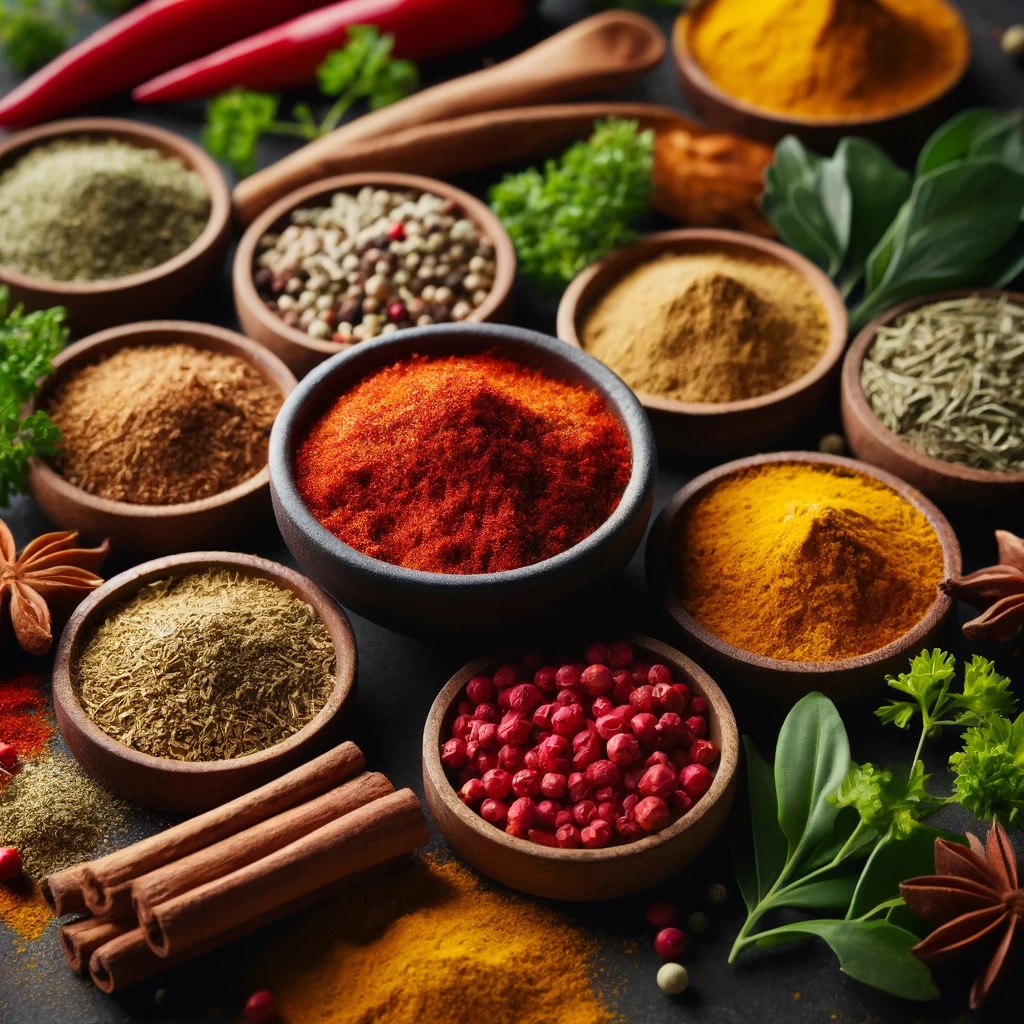
Gourmet cooking is an art that transcends mere sustenance. It’s about crafting dishes that are not only delicious but also a feast for the senses. Understanding flavor profiles and how to pair them effectively is crucial for anyone looking to elevate their cooking to gourmet levels. In this guide, we’ll dive into the basics of flavor profiles, explore various ingredients, and provide tips on pairing flavors to create memorable dishes.
Understanding Flavor Profiles
Flavor profiles are combinations of tastes and aromas that define a dish. They can be broadly categorized into five primary tastes:
- Sweet: Often derived from sugars and some fruits, sweetness can balance out acidity and bitterness.
- Salty: Salt enhances flavors and can bring out the sweetness in certain foods.
- Sour: Acidity from citrus, vinegar, or fermented foods adds brightness and balance.
- Bitter: Found in ingredients like coffee, dark chocolate, and certain greens, bitterness can add depth.
- Umami: This savory taste comes from foods like mushrooms, tomatoes, and aged cheeses, providing a rich, complex flavor.
The Role of Aroma
Aroma plays a significant role in how we perceive flavor. The human nose can detect thousands of different scents, and these aromas can enhance the overall experience of a dish. Ingredients like herbs, spices, and aromatics (such as onions and garlic) can bring a dish to life.
Exploring Flavor Profiles
Here, we will explore various flavor profiles and the ingredients that contribute to them:
1. Classic French
Characteristics: Rich, buttery, and aromatic. Think herbs de Provence, garlic, and cream.
- Pairings: Escargot with garlic butter, Coq au Vin with red wine, and Ratatouille with herbs.
2. Italian
Characteristics: Bold and hearty, often featuring tomatoes, garlic, and fresh basil.
- Pairings: Caprese salad with balsamic reduction, Pasta Pomodoro with Parmesan, and Tiramisu with espresso.
3. Asian
Characteristics: A harmonious blend of sweet, sour, salty, and umami. Think soy sauce, ginger, and sesame.
- Pairings: Sushi with wasabi and pickled ginger, Pad Thai with lime, and Mango Sticky Rice with coconut milk.
4. Mediterranean
Characteristics: Fresh and vibrant, often incorporating olive oil, lemon, and a variety of vegetables.
- Pairings: Greek salad with feta, Hummus with pita, and Grilled Octopus with lemon and herbs.
5. Latin American
Characteristics: Spicy and zesty, featuring ingredients like chilies, cilantro, and lime.
- Pairings: Ceviche with lime and avocado, Tacos al Pastor with pineapple, and Flan with caramel.
Techniques for Enhancing Flavor
Once you understand flavor profiles, the next step is to enhance them through various cooking techniques:
1. Roasting
Roasting vegetables or meats caramelizes their natural sugars, creating a deeper flavor. For example, roasted garlic becomes sweet and creamy, perfect for spreading on bread.
2. Infusing
Infusing oils or liquids with herbs and spices can create a flavorful base for dressings or marinades. Consider infusing olive oil with rosemary or garlic.
3. Balancing
Balancing flavors is key to gourmet cooking. If a dish is too sweet, adding acidity can help. Conversely, if it’s too salty, a touch of sweetness can balance it out.
Pairing Flavors
Pairing flavors effectively can elevate a dish from ordinary to extraordinary. Here are some classic pairings to inspire your gourmet cooking:
1. Sweet and Savory
Combining sweet and savory elements can create a delightful contrast. For instance, bacon with maple syrup or prosciutto with melon are classic examples.
2. Acid and Fat
Acidity cuts through richness and can brighten up a dish. A squeeze of lemon over a creamy pasta dish or a vinegar-based dressing on a rich salad is an excellent approach.
3. Herbs and Spices
Herbs and spices can transform a dish. Experiment with combinations like rosemary and garlic for meats or cilantro and lime for seafood.
Experimenting with Flavor Profiles
Gourmet cooking is also about experimentation. Don’t be afraid to try new combinations and techniques:
- Start Simple: Begin with a few ingredients that you know work well together and build from there.
- Take Notes: Keep a journal of your cooking experiences, noting what flavors you enjoyed and what you would change next time.
- Seek Feedback: Share your creations with friends and family to get their input on flavor profiles and pairings.
Conclusion
Gourmet cooking is a journey of flavor exploration. By understanding flavor profiles, mastering pairing techniques, and embracing experimentation, you can create dishes that are not only delicious but also memorable. Whether you’re preparing a simple dinner or an elaborate feast, let your creativity shine and enjoy the process of crafting gourmet meals. Happy cooking!
Related articles
 10 Gourmet Cooking Tips to Impress Your Dinner Guests
 Elevate Your Dinner Parties
The Art of Gourmet Cooking at Home
Elevate Your Dinner Parties
The Art of Gourmet Cooking at Home
 Gourmet Dinner Party Essentials
Tools and Ingredients You Need
Gourmet Dinner Party Essentials
Tools and Ingredients You Need
 From Basic to Gourmet
Transforming Everyday Recipes
From Basic to Gourmet
Transforming Everyday Recipes
 How to Create a Five-Course Gourmet Dinner at Home
 Gourmet Cooking Techniques Every Home Chef Should Know
 Wine Pairing Tips for Your Gourmet Dinner Parties
 Seasonal Ingredients
Elevating Your Gourmet Cooking Game
Seasonal Ingredients
Elevating Your Gourmet Cooking Game
 Gourmet Plating Techniques to Wow Your Guests
 Creating a Gourmet Dinner Party Menu
Step-by-Step Guide
Creating a Gourmet Dinner Party Menu
Step-by-Step Guide
 The Ultimate Guide to Hosting a Gourmet Themed Dinner Party
 Exploring International Gourmet Cuisines for Home Cooking
 Gourmet Cooking for Beginners
Where to Start
Gourmet Cooking for Beginners
Where to Start
 Simple Gourmet Recipes That Look Impressive
 Gourmet Cooking on a Budget
Tips and Tricks
Gourmet Cooking on a Budget
Tips and Tricks
 Decorating Your Table for a Gourmet Dinner Experience
 Cooking with Herbs
Elevate Your Dishes to Gourmet Status
Cooking with Herbs
Elevate Your Dishes to Gourmet Status
 The Importance of Presentation in Gourmet Cooking
 Gourmet Desserts
Sweet Finishes for Your Dinner Parties
Gourmet Desserts
Sweet Finishes for Your Dinner Parties
 Creating a Gourmet Experience with Homemade Bread
 How to Choose the Perfect Cheese for Your Gourmet Platter
 The Best Cooking Techniques for Gourmet Sauces
 Gourmet Cooking
Balancing Flavors and Textures
Gourmet Cooking
Balancing Flavors and Textures
 Planning Your Gourmet Dinner Party
Timeline and Checklist
Planning Your Gourmet Dinner Party
Timeline and Checklist
 Gourmet Cooking Class
Skills to Impress Your Friends
Gourmet Cooking Class
Skills to Impress Your Friends
 Hosting a Wine and Gourmet Food Pairing Night
 How to Make Your Own Gourmet Condiments at Home
 Gourmet Cooking with Local Ingredients
Farm to Table
Gourmet Cooking with Local Ingredients
Farm to Table
 Mastering the Art of Sous Vide for Gourmet Dishes
 Gourmet Cooking
Exploring Vegan and Vegetarian Options
Gourmet Cooking
Exploring Vegan and Vegetarian Options
 Setting the Mood
Music and Ambiance for Gourmet Dinner Parties
Setting the Mood
Music and Ambiance for Gourmet Dinner Parties
 Gourmet Cooking for Special Dietary Needs
Gluten-Free and More
Gourmet Cooking for Special Dietary Needs
Gluten-Free and More
 How to Make Your Own Gourmet Ice Cream at Home
 Creating a Signature Cocktail for Your Gourmet Dinner Party
Gourmet Cooking Techniques to Boost Your Confidence in the Kitchen
The Role of Presentation in Gourmet Cooking
A Visual Feast
Gourmet Appetizers to Kickstart Your Dinner Party
How to Organize a Themed Gourmet Dinner Party
Gourmet Cooking and Sustainability
Tips for Eco-Friendly Dinner Parties
The Best Gourmet Cooking Shows to Inspire Your Home Kitchen
Gourmet Cooking
A Guide to Flavor Profiles and Pairings
How to Make Gourmet Charcuterie Boards that Impress
Gourmet Cooking with Kids
Fun Recipes for Family Dinner Parties
The Science of Flavor
Understanding Gourmet Cooking Techniques
Gourmet Cooking on Weekends
Planning the Perfect Stay-at-Home Dinner
Crafting a Gourmet Breakfast for Your Dinner Party Guests
Gourmet Cooking
How to Master Classic French Techniques at Home
Exploring Fusion Cuisine
A Gourmet Experience at Home
Gourmet Cooking for Two
Romantic Dinner Ideas for Home
How to Host a Gourmet Potluck Dinner Party
Categories