The art of cooking
AI CHEF Blog

The Science of Flavor: Understanding Gourmet Cooking Techniques
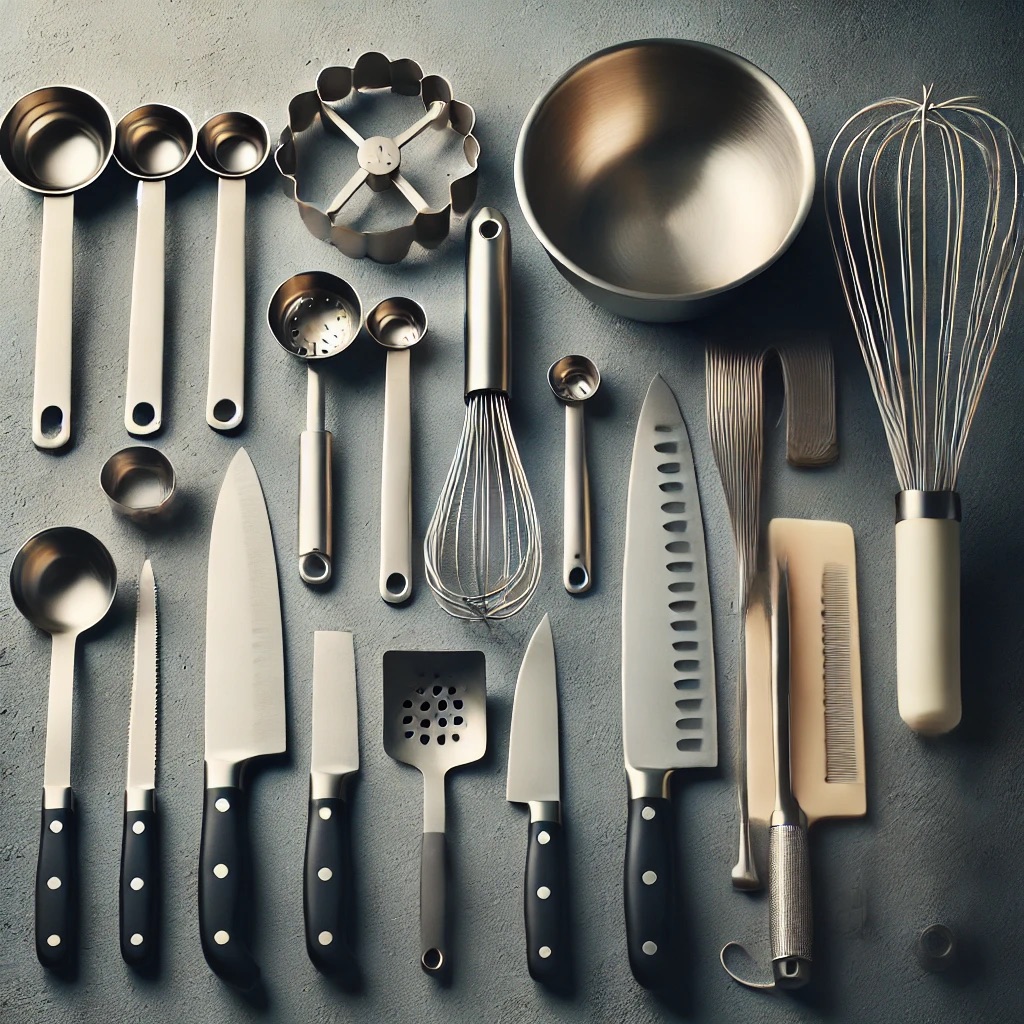
Cooking is often viewed as a form of art, where the chef's creativity and intuition guide the preparation of a dish. However, at its core, cooking is also a science—a complex interplay of chemistry, biology, and physics that transforms raw ingredients into delicious meals. In this blog post, we will explore the scientific principles behind flavor, as well as some gourmet cooking techniques that can elevate your culinary skills.
Understanding Flavor
Flavor is a multi-sensory experience involving taste, aroma, texture, and even sound. It is the combination of these elements that creates the overall perception of a dish. The five basic tastes recognized in culinary science are sweet, salty, sour, bitter, and umami. Each of these tastes plays a crucial role in flavor development, while aroma contributes significantly to the overall experience.
The Role of Taste
Taste buds on our tongues detect the five basic tastes. Sweetness often comes from sugars, salty flavors from sodium, sourness from acids, bitterness from compounds like caffeine and tannins, and umami from amino acids and nucleotides. A well-balanced dish often contains elements of all five tastes, which can create depth and complexity.
The Impact of Aroma
Aroma is another critical component of flavor, often making up a significant portion of what we perceive when we eat. Our olfactory system can detect thousands of different aromatic compounds, which can influence our perception of taste. For instance, the aroma of freshly baked bread can enhance the perception of sweetness, even if the bread itself is not particularly sweet.
The Chemistry of Cooking
Culinary techniques often involve chemical reactions that transform ingredients. Understanding these reactions can help chefs manipulate flavors and textures to achieve desired outcomes. Here are some key chemical processes involved in gourmet cooking:
Maillard Reaction
The Maillard reaction is a complex series of chemical reactions that occur when proteins and sugars are exposed to heat. This reaction is responsible for the browning of foods and the development of rich, complex flavors. It occurs in various cooking methods, including roasting, grilling, and frying. For example, the crust of a perfectly seared steak is the result of the Maillard reaction, contributing to its savory flavor.
Caramelization
Caramelization is the process of sugar breaking down when heated, resulting in a range of flavors and colors. This technique is essential for creating sweetness and complexity in dishes. Caramelization occurs at high temperatures, typically above 320°F (160°C), and can be used in various applications, from caramel sauces to roasted vegetables.
Emulsification
Emulsification is the process of combining two immiscible liquids, such as oil and water, to create a stable mixture. This technique is crucial for making dressings, sauces, and mayonnaise. Understanding how emulsification works can help chefs create smooth and creamy textures that enhance the overall flavor experience.
Gourmet Cooking Techniques
Now that we understand the science behind flavor, let's delve into some gourmet cooking techniques that can elevate your culinary creations:
Sous Vide Cooking
Sous vide is a cooking method where food is vacuum-sealed in a bag and cooked in a water bath at a precisely controlled temperature for an extended period. This technique allows for even cooking and retains moisture, resulting in tender and flavorful dishes. Sous vide cooking is often used for meats, vegetables, and even desserts, ensuring that flavors are intensified while maintaining optimal texture.
Fermentation
Fermentation is a natural process that involves the breakdown of sugars by microorganisms. This technique can enhance flavors and create unique taste profiles. Fermented foods, such as kimchi, sauerkraut, and yogurt, are rich in umami flavors and can add depth to various dishes. Understanding fermentation can allow chefs to incorporate these bold flavors into their cooking.
Smoking
Smoking is a technique that involves exposing food to smoke from burning wood or other materials. This process infuses the food with complex flavors and aromas. Various types of wood can impart different flavor profiles, such as hickory for a strong, smoky flavor or applewood for a milder, sweeter taste. Smoking can be applied to meats, fish, vegetables, and even cheese, adding a gourmet touch to any dish.
Dehydration
Dehydration is the process of removing moisture from food, concentrating flavors and creating unique textures. This technique can be used to create snacks, such as fruit leather or vegetable chips, as well as ingredients like dried herbs and spices. Understanding how to dehydrate foods allows chefs to explore new flavor profiles and enhance the overall experience of a dish.
Balancing Flavor
In gourmet cooking, balancing flavors is essential for creating a harmonious dish. Here are some tips for achieving flavor balance:
Salt
Salt is a powerful flavor enhancer that can elevate the taste of dishes. It is essential to use salt judiciously, as too much can overpower other flavors. Understanding the role of salt in cooking and how to use it effectively can transform a dish from bland to extraordinary.
Acidity
Acidity can brighten and elevate flavors, providing a counterbalance to richness. Adding a splash of vinegar, citrus juice, or even fermented ingredients can enhance the overall flavor profile of a dish. Chefs often use acidity strategically to achieve balance and complexity.
Herbs and Spices
Herbs and spices are essential for adding depth and complexity to flavors. Understanding the characteristics of different herbs and spices can help chefs select the right ones to complement their dishes. Fresh herbs can add brightness, while dried herbs can impart warmth and earthiness.
Conclusion
The science of flavor is a fascinating journey that combines the art of cooking with the principles of chemistry and biology. By understanding the chemical reactions that occur during cooking and mastering gourmet techniques, chefs can elevate their culinary creations to new heights. Whether you're a home cook or a professional chef, exploring the science behind flavor will undoubtedly enhance your cooking skills and lead to more delicious meals.
Related articles
 10 Gourmet Cooking Tips to Impress Your Dinner Guests
 Elevate Your Dinner Parties
The Art of Gourmet Cooking at Home
Elevate Your Dinner Parties
The Art of Gourmet Cooking at Home
 Gourmet Dinner Party Essentials
Tools and Ingredients You Need
Gourmet Dinner Party Essentials
Tools and Ingredients You Need
 From Basic to Gourmet
Transforming Everyday Recipes
From Basic to Gourmet
Transforming Everyday Recipes
 How to Create a Five-Course Gourmet Dinner at Home
 Gourmet Cooking Techniques Every Home Chef Should Know
 Wine Pairing Tips for Your Gourmet Dinner Parties
 Seasonal Ingredients
Elevating Your Gourmet Cooking Game
Seasonal Ingredients
Elevating Your Gourmet Cooking Game
 Gourmet Plating Techniques to Wow Your Guests
 Creating a Gourmet Dinner Party Menu
Step-by-Step Guide
Creating a Gourmet Dinner Party Menu
Step-by-Step Guide
 The Ultimate Guide to Hosting a Gourmet Themed Dinner Party
 Exploring International Gourmet Cuisines for Home Cooking
 Gourmet Cooking for Beginners
Where to Start
Gourmet Cooking for Beginners
Where to Start
 Simple Gourmet Recipes That Look Impressive
 Gourmet Cooking on a Budget
Tips and Tricks
Gourmet Cooking on a Budget
Tips and Tricks
 Decorating Your Table for a Gourmet Dinner Experience
 Cooking with Herbs
Elevate Your Dishes to Gourmet Status
Cooking with Herbs
Elevate Your Dishes to Gourmet Status
 The Importance of Presentation in Gourmet Cooking
 Gourmet Desserts
Sweet Finishes for Your Dinner Parties
Gourmet Desserts
Sweet Finishes for Your Dinner Parties
 Creating a Gourmet Experience with Homemade Bread
 How to Choose the Perfect Cheese for Your Gourmet Platter
 The Best Cooking Techniques for Gourmet Sauces
 Gourmet Cooking
Balancing Flavors and Textures
Gourmet Cooking
Balancing Flavors and Textures
 Planning Your Gourmet Dinner Party
Timeline and Checklist
Planning Your Gourmet Dinner Party
Timeline and Checklist
 Gourmet Cooking Class
Skills to Impress Your Friends
Gourmet Cooking Class
Skills to Impress Your Friends
 Hosting a Wine and Gourmet Food Pairing Night
 How to Make Your Own Gourmet Condiments at Home
 Gourmet Cooking with Local Ingredients
Farm to Table
Gourmet Cooking with Local Ingredients
Farm to Table
 Mastering the Art of Sous Vide for Gourmet Dishes
 Gourmet Cooking
Exploring Vegan and Vegetarian Options
Gourmet Cooking
Exploring Vegan and Vegetarian Options
 Setting the Mood
Music and Ambiance for Gourmet Dinner Parties
Setting the Mood
Music and Ambiance for Gourmet Dinner Parties
 Gourmet Cooking for Special Dietary Needs
Gluten-Free and More
Gourmet Cooking for Special Dietary Needs
Gluten-Free and More
 How to Make Your Own Gourmet Ice Cream at Home
 Creating a Signature Cocktail for Your Gourmet Dinner Party
Gourmet Cooking Techniques to Boost Your Confidence in the Kitchen
The Role of Presentation in Gourmet Cooking
A Visual Feast
Gourmet Appetizers to Kickstart Your Dinner Party
How to Organize a Themed Gourmet Dinner Party
Gourmet Cooking and Sustainability
Tips for Eco-Friendly Dinner Parties
The Best Gourmet Cooking Shows to Inspire Your Home Kitchen
Gourmet Cooking
A Guide to Flavor Profiles and Pairings
How to Make Gourmet Charcuterie Boards that Impress
Gourmet Cooking with Kids
Fun Recipes for Family Dinner Parties
The Science of Flavor
Understanding Gourmet Cooking Techniques
Gourmet Cooking on Weekends
Planning the Perfect Stay-at-Home Dinner
Crafting a Gourmet Breakfast for Your Dinner Party Guests
Gourmet Cooking
How to Master Classic French Techniques at Home
Exploring Fusion Cuisine
A Gourmet Experience at Home
Gourmet Cooking for Two
Romantic Dinner Ideas for Home
How to Host a Gourmet Potluck Dinner Party
Categories