The art of cooking
AI CHEF Blog

Gourmet Cooking: How to Master Classic French Techniques at Home
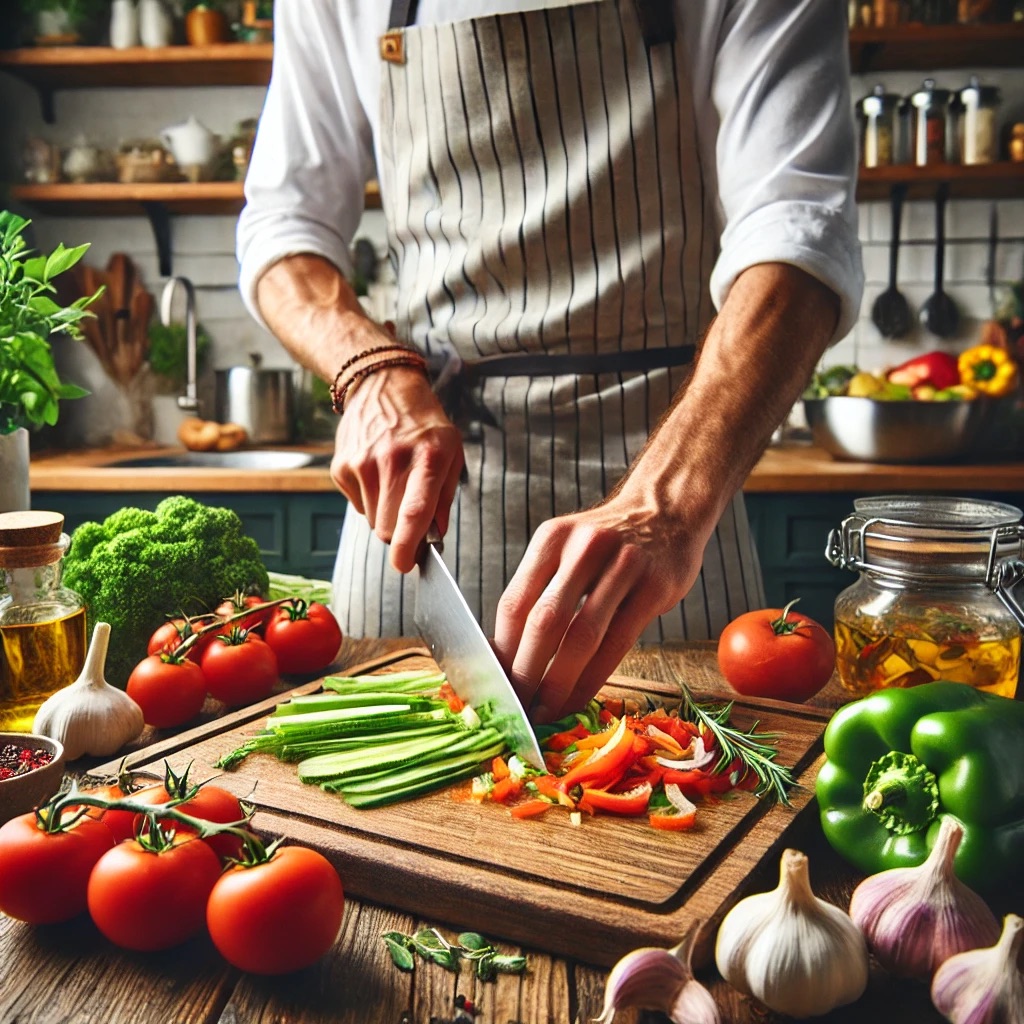
French cuisine is often regarded as the foundation of gourmet cooking. Known for its rich flavors, exquisite presentation, and intricate techniques, mastering French culinary skills can elevate your cooking to new heights. Whether you're a novice or a seasoned home cook, this guide will help you embrace classic French techniques and bring a touch of elegance to your kitchen.
The Importance of French Cooking Techniques
Understanding and mastering classic French cooking techniques is crucial because they form the basis for many culinary styles worldwide. Techniques such as sautéing, braising, and poaching are not just useful in French cuisine; they are versatile methods that can be applied to a variety of dishes. By learning these techniques, you will gain confidence in your cooking abilities and expand your culinary repertoire.
Essential French Cooking Techniques
Let’s dive into some essential French cooking techniques that every aspiring gourmet chef should master:
1. Sautéing
Sautéing is a cooking method that involves cooking food quickly in a small amount of fat over high heat. This technique is perfect for vegetables, meats, and seafood, as it helps retain their flavor and texture.
How to Sauté:
- Heat a skillet over medium-high heat and add a tablespoon of oil or butter.
- Once the fat is hot, add your ingredients in a single layer.
- Allow the food to cook without stirring for a few moments to develop a golden crust.
- Stir occasionally until the food is cooked through.
2. Braising
Braising is a combination cooking method that involves both dry and wet heat. It’s perfect for tougher cuts of meat, as it breaks down the collagen and results in tender, flavorful dishes.
How to Braise:
- Start by searing the meat in a heavy pot until browned on all sides.
- Add aromatics such as onions, garlic, and herbs, and cook until fragrant.
- Pour in liquid (like stock or wine) until it reaches halfway up the meat.
- Cover and cook in the oven or on the stovetop at low heat for several hours.
3. Poaching
Poaching involves cooking food gently in simmering liquid. It’s a delicate technique often used for eggs, fish, and fruits that helps retain moisture and flavor.
How to Poach:
- Bring a pot of water, broth, or wine to a gentle simmer.
- Carefully lower your food into the liquid.
- Cook until the food is just done, then remove it with a slotted spoon.
4. Emulsification
Emulsification is the process of combining two liquids that do not naturally mix, such as oil and vinegar. This technique is essential for making sauces like vinaigrettes and mayonnaise.
How to Emulsify:
- In a bowl, combine your vinegar or lemon juice with mustard, salt, and other flavorings.
- Slowly whisk in the oil until the mixture thickens and becomes creamy.
5. Baking
Baking is a fundamental technique in French patisserie. From flaky croissants to delicate soufflés, mastering baking techniques can lead to delicious results.
How to Bake:
- Start with precise measurements and quality ingredients.
- Preheat your oven and prepare your baking pans.
- Follow the recipe closely, paying attention to mixing times and temperatures.
Classic French Dishes to Try at Home
Now that you have a grasp of essential techniques, it’s time to put them into practice with some classic French dishes:
1. Coq au Vin
This traditional dish features chicken braised with wine, lardons, mushrooms, and aromatic vegetables. It’s a perfect way to practice your braising skills.
2. Ratatouille
A vegetable medley that showcases the sautéing technique, ratatouille is a colorful and flavorful dish that can be served as a side or a main course.
3. Bouillabaisse
This famous Provençal fish stew is an excellent opportunity to practice poaching. It’s rich in flavors and can be customized with your choice of seafood.
4. Tarte Tatin
A classic upside-down caramelized apple tart, tarte tatin is a delightful dessert that will allow you to hone your baking skills.
Tips for Success in French Cooking
- Use Quality Ingredients: French cuisine emphasizes the importance of fresh, high-quality ingredients. Choose seasonal produce and quality proteins to enhance your dishes.
- Be Patient: Many French techniques require time and attention. Don’t rush the process; allow flavors to develop and ingredients to cook properly.
- Practice Makes Perfect: Mastery comes with practice. Don’t be discouraged by initial failures; learn from them and keep trying.
- Explore French Cuisine: Don’t limit yourself to just a few dishes. Explore various regions of France and their unique culinary traditions.
Conclusion
Mastering classic French cooking techniques at home is a rewarding journey that can transform your culinary skills. By embracing these methods and experimenting with traditional dishes, you’ll not only impress your family and friends but also gain a deeper appreciation for the art of cooking. So, roll up your sleeves, gather your ingredients, and embark on your gourmet cooking adventure!
Related articles
 10 Gourmet Cooking Tips to Impress Your Dinner Guests
 Elevate Your Dinner Parties
The Art of Gourmet Cooking at Home
Elevate Your Dinner Parties
The Art of Gourmet Cooking at Home
 Gourmet Dinner Party Essentials
Tools and Ingredients You Need
Gourmet Dinner Party Essentials
Tools and Ingredients You Need
 From Basic to Gourmet
Transforming Everyday Recipes
From Basic to Gourmet
Transforming Everyday Recipes
 How to Create a Five-Course Gourmet Dinner at Home
 Gourmet Cooking Techniques Every Home Chef Should Know
 Wine Pairing Tips for Your Gourmet Dinner Parties
 Seasonal Ingredients
Elevating Your Gourmet Cooking Game
Seasonal Ingredients
Elevating Your Gourmet Cooking Game
 Gourmet Plating Techniques to Wow Your Guests
 Creating a Gourmet Dinner Party Menu
Step-by-Step Guide
Creating a Gourmet Dinner Party Menu
Step-by-Step Guide
 The Ultimate Guide to Hosting a Gourmet Themed Dinner Party
 Exploring International Gourmet Cuisines for Home Cooking
 Gourmet Cooking for Beginners
Where to Start
Gourmet Cooking for Beginners
Where to Start
 Simple Gourmet Recipes That Look Impressive
 Gourmet Cooking on a Budget
Tips and Tricks
Gourmet Cooking on a Budget
Tips and Tricks
 Decorating Your Table for a Gourmet Dinner Experience
 Cooking with Herbs
Elevate Your Dishes to Gourmet Status
Cooking with Herbs
Elevate Your Dishes to Gourmet Status
 The Importance of Presentation in Gourmet Cooking
 Gourmet Desserts
Sweet Finishes for Your Dinner Parties
Gourmet Desserts
Sweet Finishes for Your Dinner Parties
 Creating a Gourmet Experience with Homemade Bread
 How to Choose the Perfect Cheese for Your Gourmet Platter
 The Best Cooking Techniques for Gourmet Sauces
 Gourmet Cooking
Balancing Flavors and Textures
Gourmet Cooking
Balancing Flavors and Textures
 Planning Your Gourmet Dinner Party
Timeline and Checklist
Planning Your Gourmet Dinner Party
Timeline and Checklist
 Gourmet Cooking Class
Skills to Impress Your Friends
Gourmet Cooking Class
Skills to Impress Your Friends
 Hosting a Wine and Gourmet Food Pairing Night
 How to Make Your Own Gourmet Condiments at Home
 Gourmet Cooking with Local Ingredients
Farm to Table
Gourmet Cooking with Local Ingredients
Farm to Table
 Mastering the Art of Sous Vide for Gourmet Dishes
 Gourmet Cooking
Exploring Vegan and Vegetarian Options
Gourmet Cooking
Exploring Vegan and Vegetarian Options
 Setting the Mood
Music and Ambiance for Gourmet Dinner Parties
Setting the Mood
Music and Ambiance for Gourmet Dinner Parties
 Gourmet Cooking for Special Dietary Needs
Gluten-Free and More
Gourmet Cooking for Special Dietary Needs
Gluten-Free and More
 How to Make Your Own Gourmet Ice Cream at Home
 Creating a Signature Cocktail for Your Gourmet Dinner Party
Gourmet Cooking Techniques to Boost Your Confidence in the Kitchen
The Role of Presentation in Gourmet Cooking
A Visual Feast
Gourmet Appetizers to Kickstart Your Dinner Party
How to Organize a Themed Gourmet Dinner Party
Gourmet Cooking and Sustainability
Tips for Eco-Friendly Dinner Parties
The Best Gourmet Cooking Shows to Inspire Your Home Kitchen
Gourmet Cooking
A Guide to Flavor Profiles and Pairings
How to Make Gourmet Charcuterie Boards that Impress
Gourmet Cooking with Kids
Fun Recipes for Family Dinner Parties
The Science of Flavor
Understanding Gourmet Cooking Techniques
Gourmet Cooking on Weekends
Planning the Perfect Stay-at-Home Dinner
Crafting a Gourmet Breakfast for Your Dinner Party Guests
Gourmet Cooking
How to Master Classic French Techniques at Home
Exploring Fusion Cuisine
A Gourmet Experience at Home
Gourmet Cooking for Two
Romantic Dinner Ideas for Home
How to Host a Gourmet Potluck Dinner Party
Categories