The art of cooking
AI CHEF Blog

The Ultimate Guide to Plant-Based Cooking Techniques
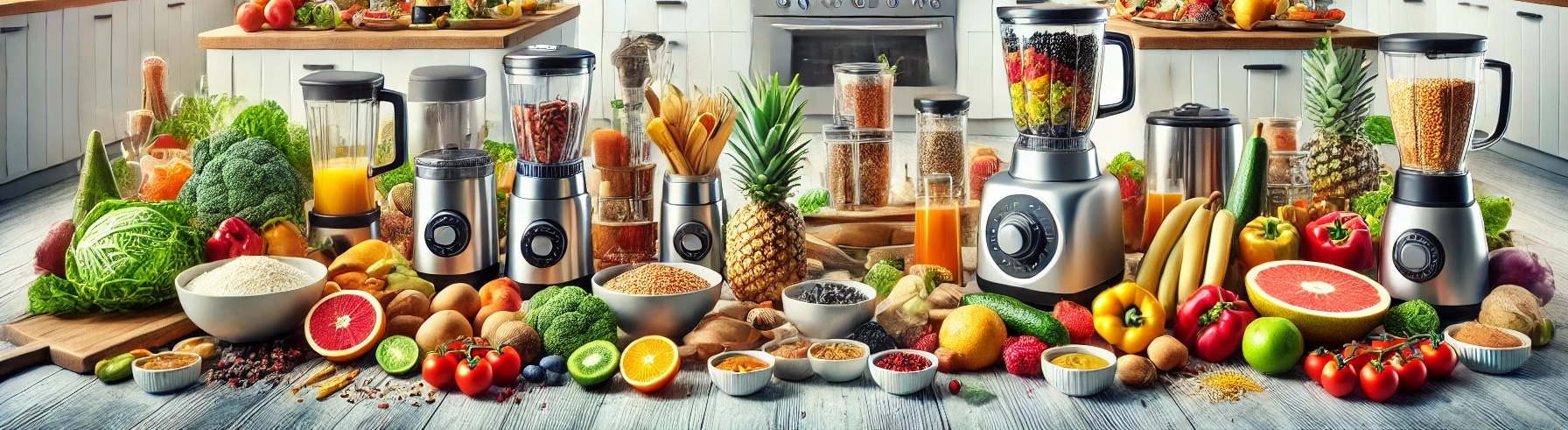
In recent years, plant-based cooking has surged in popularity, not only among vegetarians and vegans but also among those seeking healthier lifestyles. Whether you’re looking to reduce your meat consumption, improve your health, or simply explore new culinary avenues, understanding various cooking techniques can enhance your plant-based meals significantly. In this guide, we will delve into essential plant-based cooking techniques, tips, and methods that can elevate your cooking game.
1. Understanding Plant-Based Ingredients
The first step in mastering plant-based cooking is familiarizing yourself with the range of ingredients available. From fruits and vegetables to legumes, grains, nuts, and seeds, each ingredient brings unique flavors and textures to your meals. Here are some staples to consider:
- Fruits and Vegetables: Use them for fresh salads, smoothies, roasting, and stir-fries.
- Legumes: Beans, lentils, and chickpeas are excellent protein sources, great for soups, stews, and salads.
- Grains: Quinoa, brown rice, and farro can serve as hearty bases for many dishes.
- Nuts and Seeds: These add healthy fats, protein, and crunch to meals and can be used in sauces and dressings.
2. Essential Cooking Techniques
Now that you have an idea of the ingredients, let’s explore various cooking techniques that are essential for plant-based cooking:
2.1. Roasting
Roasting enhances the natural sweetness of vegetables and brings out deep flavors. Preheat your oven to 400°F (200°C), toss chopped vegetables with olive oil, salt, and your favorite herbs or spices, and roast for 20-30 minutes until tender.
2.2. Sautéing
Sautéing is a quick and effective way to cook vegetables while retaining their nutrients. Heat a small amount of oil in a skillet over medium heat, add your veggies, and stir frequently until they are cooked to your desired tenderness.
2.3. Steaming
Steaming is one of the healthiest cooking methods, preserving the nutrients in vegetables. Use a steamer basket over boiling water, and steam vegetables until just tender. This method is great for maintaining vibrant colors and crisp textures.
2.4. Grilling
Grilling adds a smoky flavor to vegetables and is particularly great for summer meals. Use a grill pan or an outdoor grill, and brush vegetables with olive oil before placing them on the heat. Turn occasionally until grill marks appear and they are tender.
2.5. Blending
Blending can transform fruits, vegetables, nuts, and seeds into smoothies, soups, and sauces. A high-speed blender can create creamy textures and emulsify ingredients for dressings and dips.
2.6. Fermenting
Fermentation not only preserves food but also enhances flavors and boosts gut health. Try fermenting vegetables like cabbage into sauerkraut or making your own plant-based yogurt using nuts and probiotics.
3. Flavoring Your Dishes
Flavor is key in plant-based cooking. Learn to use herbs, spices, and condiments effectively:
- Herbs: Fresh herbs like basil, cilantro, and parsley can elevate the freshness of dishes.
- Spices: Experiment with spices like cumin, turmeric, and smoked paprika to add depth and warmth.
- Condiments: Use sauces like tahini, soy sauce, and nutritional yeast to enhance flavor profiles.
4. Meal Prep and Planning
Meal prep can save time and ensure you have healthy options on hand. Here are some tips:
- Batch cook grains and legumes to use throughout the week.
- Chop vegetables in advance and store them in airtight containers.
- Prepare sauces and dressings to add flavor quickly to meals.
5. Exploring International Cuisines
Plant-based cooking is diverse and can be inspired by cuisines worldwide. Here are some ideas:
- Italian: Try pasta primavera or a hearty minestrone soup.
- Indian: Make lentil dal or vegetable curry with spices.
- Mexican: Prepare black bean tacos or quinoa bowls with fresh salsa.
6. Baking and Desserts
Plant-based baking is a wonderful way to create delicious treats without animal products. Here are some basics:
- Use flaxseed meal or applesauce as egg substitutes in recipes.
- Choose plant-based milks and oils instead of dairy products.
- Experiment with alternative sweeteners like maple syrup or agave nectar.
7. Tips for Success
To make the most of your plant-based cooking journey, consider these tips:
- Invest in quality kitchen tools like sharp knives and good cookware.
- Start with simple recipes and gradually try more complex ones.
- Keep an open mind and be willing to experiment with flavors and textures.
Conclusion
Plant-based cooking is not only about health but also about creativity and exploration. By mastering essential cooking techniques and understanding the ingredients at your disposal, you can create vibrant, delicious meals that nourish your body and delight your palate. Embrace the journey of plant-based cooking, and you may find it to be one of the most rewarding culinary experiences of your life.
Related articles
 Plant-Based Cooking 101
A Beginner’s Guide to Vegan Recipes
Plant-Based Cooking 101
A Beginner’s Guide to Vegan Recipes
 Easy Vegan Recipes for Plant-Based Newbies
 10 Essential Ingredients for Plant-Based Cooking
 Delicious Vegan Breakfast Ideas for Beginners
 How to Meal Prep for a Plant-Based Diet
 Quick and Simple Vegan Dinners for Busy Nights
 The Ultimate Guide to Plant-Based Cooking Techniques
 Vegan Snacks
Easy Recipes for a Healthy Lifestyle
Vegan Snacks
Easy Recipes for a Healthy Lifestyle
 Transitioning to a Plant-Based Diet
Tips and Tricks
Transitioning to a Plant-Based Diet
Tips and Tricks
 Vegan Comfort Food
Recipes to Satisfy Your Cravings
Vegan Comfort Food
Recipes to Satisfy Your Cravings
 Plant-Based Cooking
5 Quick Recipes for Beginners
Plant-Based Cooking
5 Quick Recipes for Beginners
 How to Create Flavorful Vegan Meals with Spices
 The Benefits of Plant-Based Eating
A Beginner’s Perspective
The Benefits of Plant-Based Eating
A Beginner’s Perspective
 Simple Vegan Desserts That Any Beginner Can Make
 Plant-Based Cooking
Budget-Friendly Meal Ideas
Plant-Based Cooking
Budget-Friendly Meal Ideas
 Understanding Plant-Based Proteins
A Beginner's Guide
Understanding Plant-Based Proteins
A Beginner's Guide
 Vegan Cooking for One
Easy Recipes for Singles
Vegan Cooking for One
Easy Recipes for Singles
 Getting Started with Plant-Based Cooking
A Step-by-Step Guide
Getting Started with Plant-Based Cooking
A Step-by-Step Guide
 Vegan Meal Plans
Simple Recipes for a Week of Eating Well
Vegan Meal Plans
Simple Recipes for a Week of Eating Well
 Exploring Plant-Based Dairy Alternatives
Recipes and Tips
Exploring Plant-Based Dairy Alternatives
Recipes and Tips
 How to Cook with Seasonal Vegetables
A Vegan Guide
How to Cook with Seasonal Vegetables
A Vegan Guide
 Vegan Cooking Hacks
Tips for Faster Preparation
Vegan Cooking Hacks
Tips for Faster Preparation
 Plant-Based Cooking
Essential Kitchen Tools for Beginners
Plant-Based Cooking
Essential Kitchen Tools for Beginners
 Tasty Vegan Wraps
Quick Recipes for Lunchtime
Tasty Vegan Wraps
Quick Recipes for Lunchtime
 Plant-Based Soups
Warm and Comforting Recipes for Beginners
Plant-Based Soups
Warm and Comforting Recipes for Beginners
 Creative Vegan Salads
Easy Recipes for Every Season
Creative Vegan Salads
Easy Recipes for Every Season
 Vegan Cooking Myths
Debunking Common Misconceptions
Vegan Cooking Myths
Debunking Common Misconceptions
 How to Make Vegan Sauces and Dressings
A Beginner's Guide
How to Make Vegan Sauces and Dressings
A Beginner's Guide
 Vegan Cooking for Families
Kid-Friendly Recipes
Vegan Cooking for Families
Kid-Friendly Recipes
 Plant-Based Cooking
How to Use Leftovers Effectively
Plant-Based Cooking
How to Use Leftovers Effectively
 Satisfying Vegan Bowls
Build Your Own Plant-Based Meal
Satisfying Vegan Bowls
Build Your Own Plant-Based Meal
 Vegan Cooking Essentials
Pantry Staples You Need
Vegan Cooking Essentials
Pantry Staples You Need
 How to Balance Your Vegan Plate
A Beginner's Guide
How to Balance Your Vegan Plate
A Beginner's Guide
 Vegan Cooking with Kids
Fun and Easy Recipes to Try
Vegan Cooking with Kids
Fun and Easy Recipes to Try
The Joy of Plant-Based Cooking
Embracing Whole Foods
Simple Vegan Stir-Fries
Quick Meals in Minutes
Explore Global Vegan Cuisine
Recipes from Around the World
Plant-Based Cooking
How to Make Your Own Vegan Cheese
Vegan Cooking
The Best Resources for Beginners
How to Cook with Legumes
A Beginner's Guide to Beans
Plant-Based Cooking
Celebrating Seasonal Ingredients
Vegan Cooking for Special Occasions
Recipes to Impress
Plant-Based Cooking
Tips for Enhancing Flavor Naturally
How to Host a Vegan Dinner Party
Recipes and Ideas
Vegan Cooking
Adapting Your Favorite Recipes for a Plant-Based Diet
Plant-Based Cooking
Understanding Nutritional Needs
Vegan Cooking for Beginners
Common Mistakes and How to Avoid Them
The Art of Plant-Based Cooking
Finding Your Own Style
Vegan Cooking
How to Read Labels and Choose Wisely
Plant-Based Cooking
Building a Diverse Recipe Collection
Categories