The art of cooking
AI CHEF Blog

How to Create Flavorful Vegan Meals with Spices
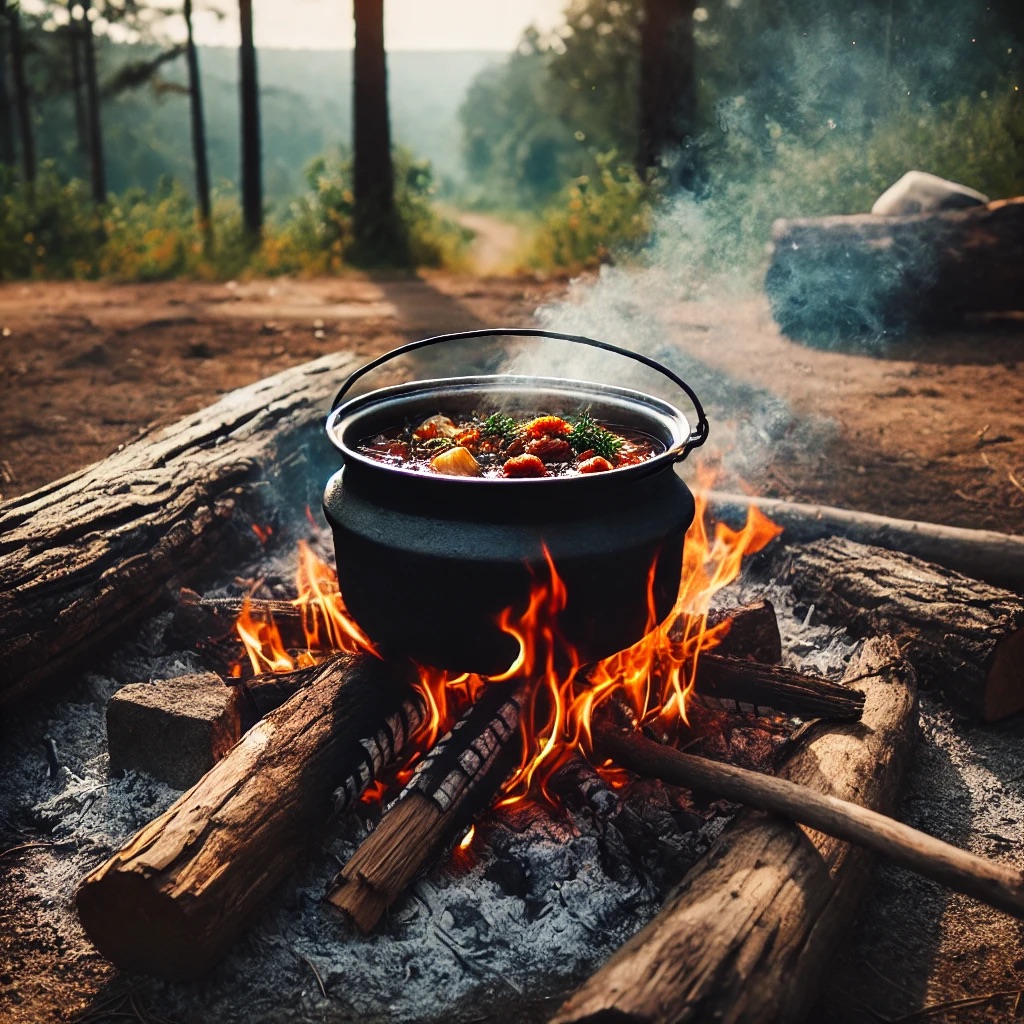
Cooking vegan meals doesn't mean sacrificing flavor. In fact, with the right spices, you can create dishes that burst with taste and aroma. Whether you are a seasoned chef or a beginner in the kitchen, understanding how to use spices effectively can elevate your meals. In this blog post, we will explore various spices, how to pair them with different ingredients, and share some delicious, easy-to-follow vegan recipes.
The Importance of Spices in Vegan Cooking
Spices are the unsung heroes of the culinary world. They have the power to transform a bland dish into something exciting and memorable. In vegan cooking, where the focus is on plant-based ingredients, spices play an essential role in adding depth and complexity to your meals. They enhance flavors, contribute to a balanced diet, and can even offer health benefits.
Essential Spices for Vegan Cooking
While there are countless spices to choose from, here are some essential ones that can be used in a variety of vegan dishes:
- Cumin: Earthy and warm, cumin is perfect for curries, stews, and bean dishes.
- Coriander: With its citrusy undertones, coriander pairs well with vegetables and grains.
- Turmeric: Known for its vibrant yellow color, turmeric is great in rice dishes and soups and is celebrated for its anti-inflammatory properties.
- Smoked Paprika: This spice adds a rich, smoky flavor to dishes and works wonderfully in chili and roasted vegetables.
- Chili Powder: For those who enjoy heat, chili powder can spice up everything from tacos to soups.
- Garlic Powder: A versatile seasoning that enhances almost any dish, garlic powder adds a savory depth.
- Ginger: Fresh or powdered, ginger brings warmth and a hint of sweetness to stir-fries and dressings.
- Black Pepper: A staple in any kitchen, black pepper adds heat and enhances other flavors.
Pairing Spices with Ingredients
Understanding how to pair spices with different ingredients is key to creating flavorful vegan meals. Here are some tips:
- Vegetables: Stronger spices like cumin and smoked paprika work well with hearty vegetables such as sweet potatoes, carrots, and bell peppers.
- Legumes: Beans and lentils absorb flavors well. Combine them with spices like coriander, cumin, and turmeric for a satisfying dish.
- Grains: Spices can elevate grains like quinoa, rice, and barley. Try cooking them with turmeric or adding herbs like thyme or rosemary.
- Nuts and Seeds: Toasting nuts and seeds with spices like chili powder or garlic can add an exciting crunch to salads and bowls.
- Soups and Stews: Start with a base of sautéed onions and garlic, then incorporate spices to build flavor. Turmeric, cumin, and black pepper are great choices.
Easy Vegan Recipes Featuring Spices
Now that you know about essential spices and how to pair them, let’s dive into some easy vegan recipes that showcase these flavors.
1. Spiced Chickpea Stew
Ingredients:
- 1 can chickpeas, drained and rinsed
- 1 onion, chopped
- 2 cloves garlic, minced
- 1 can diced tomatoes
- 1 teaspoon cumin
- 1 teaspoon smoked paprika
- ½ teaspoon turmeric
- Salt and pepper to taste
- 2 cups vegetable broth
- 2 cups spinach
- Olive oil for sautéing
Instructions:
- In a pot, heat olive oil over medium heat. Add chopped onion and sauté until translucent.
- Add minced garlic and cook for another minute.
- Stir in the spices (cumin, smoked paprika, turmeric) and cook for 30 seconds until fragrant.
- Add the chickpeas, diced tomatoes, and vegetable broth. Bring to a boil, then reduce heat and simmer for 20 minutes.
- Stir in the spinach and cook until wilted. Season with salt and pepper to taste. Serve warm.
2. Curried Quinoa Salad
Ingredients:
- 1 cup quinoa
- 2 cups water
- 1 teaspoon curry powder
- 1 red bell pepper, diced
- 1 cucumber, diced
- 1 carrot, grated
- 1 can chickpeas, drained and rinsed
- Juice of 1 lemon
- Salt and pepper to taste
- Fresh cilantro for garnish
Instructions:
- Rinse quinoa under cold water. In a saucepan, combine quinoa, water, and curry powder. Bring to a boil, then reduce heat and cover, cooking for 15 minutes or until water is absorbed.
- Let quinoa cool, then fluff with a fork and transfer to a large bowl.
- Add diced bell pepper, cucumber, grated carrot, and chickpeas. Drizzle with lemon juice and season with salt and pepper.
- Toss to combine and garnish with fresh cilantro before serving.
3. Roasted Vegetable Tacos with Chipotle Seasoning
Ingredients:
- 2 cups mixed vegetables (zucchini, bell pepper, onion)
- 1 tablespoon olive oil
- 1 teaspoon chipotle powder
- Salt to taste
- Tortillas for serving
- Avocado and lime for topping
Instructions:
- Preheat the oven to 400°F (200°C).
- Toss mixed vegetables with olive oil, chipotle powder, and salt. Spread on a baking sheet.
- Roast for 20-25 minutes until tender and slightly charred.
- Serve roasted vegetables in tortillas topped with avocado and a squeeze of lime.
Experimenting with Spices
The key to mastering the art of flavorful vegan cooking is experimentation. Don’t be afraid to try new spices or combinations. Start with small amounts and adjust to your taste. Keep a spice journal to note what works and what doesn’t, and soon you’ll have a repertoire of delicious vegan meals that you can whip up in no time.
Conclusion
Cooking vegan meals can be a delightful and flavorful journey. By using spices strategically, you can create dishes that are not only healthy but also satisfying and delicious. Whether you’re preparing a simple weeknight dinner or an elaborate feast, spices can help you elevate your cooking and impress your guests. So gather your spices, get creative, and enjoy the vibrant world of vegan cooking!
Related articles
 Plant-Based Cooking 101
A Beginner’s Guide to Vegan Recipes
 Easy Vegan Recipes for Plant-Based Newbies
 10 Essential Ingredients for Plant-Based Cooking
 Delicious Vegan Breakfast Ideas for Beginners
 How to Meal Prep for a Plant-Based Diet
 Quick and Simple Vegan Dinners for Busy Nights
 The Ultimate Guide to Plant-Based Cooking Techniques
 Vegan Snacks
Easy Recipes for a Healthy Lifestyle
 Transitioning to a Plant-Based Diet
Tips and Tricks
 Vegan Comfort Food
Recipes to Satisfy Your Cravings
 Plant-Based Cooking
5 Quick Recipes for Beginners
 How to Create Flavorful Vegan Meals with Spices
 The Benefits of Plant-Based Eating
A Beginner’s Perspective
 Simple Vegan Desserts That Any Beginner Can Make
 Plant-Based Cooking
Budget-Friendly Meal Ideas
 Understanding Plant-Based Proteins
A Beginner's Guide
 Vegan Cooking for One
Easy Recipes for Singles
 Getting Started with Plant-Based Cooking
A Step-by-Step Guide
 Vegan Meal Plans
Simple Recipes for a Week of Eating Well
 Exploring Plant-Based Dairy Alternatives
Recipes and Tips
 How to Cook with Seasonal Vegetables
A Vegan Guide
 Vegan Cooking Hacks
Tips for Faster Preparation
 Plant-Based Cooking
Essential Kitchen Tools for Beginners
 Tasty Vegan Wraps
Quick Recipes for Lunchtime
 Plant-Based Soups
Warm and Comforting Recipes for Beginners
 Creative Vegan Salads
Easy Recipes for Every Season
 Vegan Cooking Myths
Debunking Common Misconceptions
 How to Make Vegan Sauces and Dressings
A Beginner's Guide
 Vegan Cooking for Families
Kid-Friendly Recipes
 Plant-Based Cooking
How to Use Leftovers Effectively
 Satisfying Vegan Bowls
Build Your Own Plant-Based Meal
 Vegan Cooking Essentials
Pantry Staples You Need
 How to Balance Your Vegan Plate
A Beginner's Guide
 Vegan Cooking with Kids
Fun and Easy Recipes to Try
The Joy of Plant-Based Cooking
Embracing Whole Foods
Simple Vegan Stir-Fries
Quick Meals in Minutes
Explore Global Vegan Cuisine
Recipes from Around the World
Plant-Based Cooking
How to Make Your Own Vegan Cheese
Vegan Cooking
The Best Resources for Beginners
How to Cook with Legumes
A Beginner's Guide to Beans
Plant-Based Cooking
Celebrating Seasonal Ingredients
Vegan Cooking for Special Occasions
Recipes to Impress
Plant-Based Cooking
Tips for Enhancing Flavor Naturally
How to Host a Vegan Dinner Party
Recipes and Ideas
Vegan Cooking
Adapting Your Favorite Recipes for a Plant-Based Diet
Plant-Based Cooking
Understanding Nutritional Needs
Vegan Cooking for Beginners
Common Mistakes and How to Avoid Them
The Art of Plant-Based Cooking
Finding Your Own Style
Vegan Cooking
How to Read Labels and Choose Wisely
Plant-Based Cooking
Building a Diverse Recipe Collection
Categories


