The art of cooking
AI CHEF Blog

Vegan Cooking Hacks: Tips for Faster Preparation

Cooking can often feel like a time-consuming chore, especially for those who are trying to maintain a vegan lifestyle. However, with a few clever hacks and strategies, you can speed up your meal preparation without sacrificing flavor or nutrition. In this blog post, we will explore some of the best vegan cooking hacks that will help you make delicious meals in no time.
1. Meal Prep Like a Pro
One of the best ways to save time in the kitchen is by meal prepping. Set aside a couple of hours each week to prepare your meals in advance. You can batch-cook grains, chop vegetables, and even prepare sauces that can be stored in the refrigerator or freezer. This way, when it comes time to cook during the week, you’ll have most of the work already done.
2. Use a Food Processor
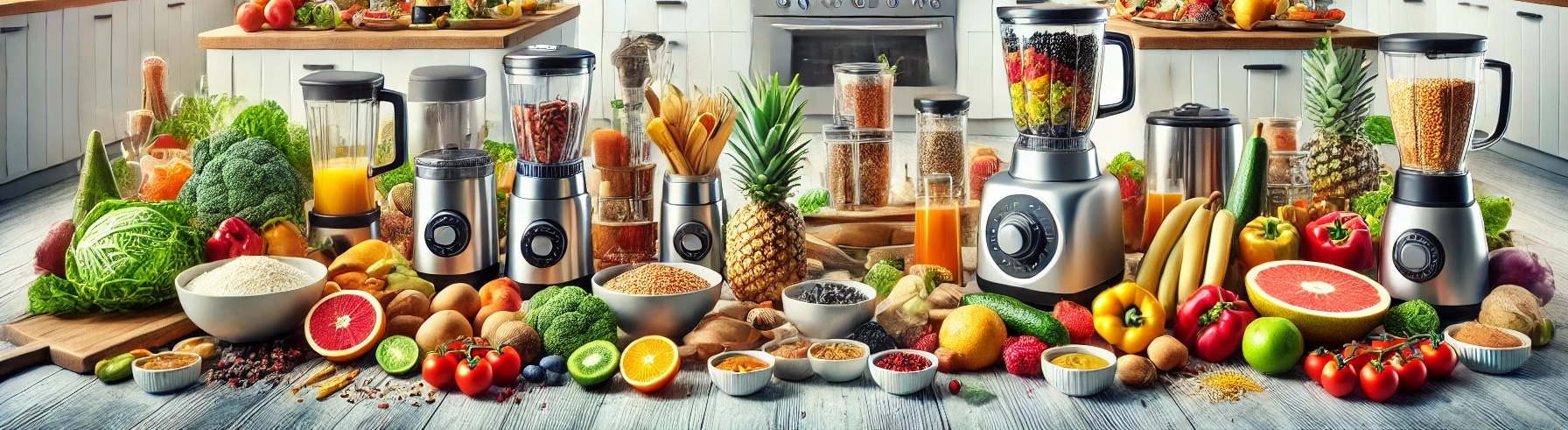
A food processor is a versatile kitchen tool that can significantly reduce your cooking time. Use it to chop vegetables, make dips, or even prepare dough. By processing multiple ingredients at once, you can eliminate the need for tedious chopping and mixing by hand.
3. Opt for Frozen Vegetables
Frozen vegetables are a great time-saver and often just as nutritious as fresh ones. They’re pre-washed, pre-chopped, and ready to use. Keep a variety of frozen vegetables on hand to quickly add to stir-fries, soups, or casseroles without the hassle of prepping fresh produce.
4. Embrace One-Pot Meals
One-pot meals are not only convenient but also minimize cleanup time. Look for recipes that allow you to combine all your ingredients in one pot or pan. This could be a hearty stew, a flavorful curry, or a colorful stir-fry. With everything cooking together, you’ll save time and create a delicious, well-seasoned dish.
5. Utilize Quick-Cooking Grains
Grains can take a significant amount of time to cook, but you can speed up the process by using quick-cooking options like quinoa, couscous, or bulgur. These grains cook in a fraction of the time compared to rice or other whole grains, allowing you to prepare meals faster while still enjoying the benefits of whole foods.
6. Keep Your Pantry Stocked
Having a well-stocked pantry means you’ll always have the essentials on hand for quick meal prep. Keep staples like canned beans, lentils, vegetable broth, and various spices readily available. This way, you can whip up a nutritious meal without needing to run to the store.
7. Use High-Quality Kitchen Tools
Investing in good-quality kitchen tools can save you time and frustration in the kitchen. Sharp knives, efficient peelers, and reliable cookware can make a huge difference in your cooking experience. When your tools work efficiently, you’ll spend less time preparing and more time enjoying your meals.
8. Cook in Batches
When you do cook, consider making larger batches that can be stored for later. Soups, stews, and sauces can easily be made in bulk and frozen for future meals. Not only does this save time, but it also allows you to have healthy meals ready to go when you’re busy or don’t feel like cooking.
9. Pre-Soak Your Beans
If you’re using dried beans, pre-soaking them the night before can significantly cut down on cooking time. Soaked beans cook much faster than unsoaked ones, so plan ahead to save time during your meal preparation.
10. Experiment with Quick Recipes
Not all vegan recipes have to be elaborate. Look for quick and easy recipes that can be prepared in under 30 minutes. Many websites and cookbooks focus on fast vegan meals, helping you find options that fit your schedule without compromising on taste.
11. Use a Pressure Cooker or Instant Pot
Pressure cookers and Instant Pots are game-changers for speeding up cooking times. You can cook beans, grains, and even vegetables in a fraction of the time it usually takes. Plus, these appliances allow you to set it and forget it, freeing up your time to focus on other tasks.
12. Make Use of Leftovers
Leftovers are a great way to save time on cooking. When you prepare a meal, make extra portions that can be repurposed for lunches or dinners throughout the week. You can turn roasted vegetables into a salad, or use leftover grains as a base for a grain bowl.
13. Keep It Simple
Sometimes the best way to speed up meal prep is to keep your meals simple. Focus on fewer ingredients that are versatile and can be used in multiple dishes. For example, roasted vegetables can be a side dish, a salad topping, or a filling for wraps.
14. Invest in a Good Knife
A sharp, high-quality knife can make all the difference when it comes to chopping and prepping ingredients. A good knife will cut through vegetables effortlessly, reducing the time you spend prepping. Plus, it’s safer to use a sharp knife than a dull one!
15. Plan Your Meals
Take a little time each week to plan your meals. Having a clear idea of what you’re going to cook can save you time and stress during the week. Create a shopping list based on your meal plan to ensure you have everything you need on hand.
Conclusion
With these vegan cooking hacks, you can significantly cut down on your meal preparation time while still enjoying delicious and healthy food. By implementing these strategies, you’ll be able to spend less time in the kitchen and more time enjoying your meals and the company of those you love. Happy cooking!
Related articles
 Plant-Based Cooking 101
A Beginner’s Guide to Vegan Recipes
Plant-Based Cooking 101
A Beginner’s Guide to Vegan Recipes
 Easy Vegan Recipes for Plant-Based Newbies
 10 Essential Ingredients for Plant-Based Cooking
 Delicious Vegan Breakfast Ideas for Beginners
 How to Meal Prep for a Plant-Based Diet
 Quick and Simple Vegan Dinners for Busy Nights
 The Ultimate Guide to Plant-Based Cooking Techniques
 Vegan Snacks
Easy Recipes for a Healthy Lifestyle
Vegan Snacks
Easy Recipes for a Healthy Lifestyle
 Transitioning to a Plant-Based Diet
Tips and Tricks
Transitioning to a Plant-Based Diet
Tips and Tricks
 Vegan Comfort Food
Recipes to Satisfy Your Cravings
Vegan Comfort Food
Recipes to Satisfy Your Cravings
 Plant-Based Cooking
5 Quick Recipes for Beginners
Plant-Based Cooking
5 Quick Recipes for Beginners
 How to Create Flavorful Vegan Meals with Spices
 The Benefits of Plant-Based Eating
A Beginner’s Perspective
The Benefits of Plant-Based Eating
A Beginner’s Perspective
 Simple Vegan Desserts That Any Beginner Can Make
 Plant-Based Cooking
Budget-Friendly Meal Ideas
Plant-Based Cooking
Budget-Friendly Meal Ideas
 Understanding Plant-Based Proteins
A Beginner's Guide
Understanding Plant-Based Proteins
A Beginner's Guide
 Vegan Cooking for One
Easy Recipes for Singles
Vegan Cooking for One
Easy Recipes for Singles
 Getting Started with Plant-Based Cooking
A Step-by-Step Guide
Getting Started with Plant-Based Cooking
A Step-by-Step Guide
 Vegan Meal Plans
Simple Recipes for a Week of Eating Well
Vegan Meal Plans
Simple Recipes for a Week of Eating Well
 Exploring Plant-Based Dairy Alternatives
Recipes and Tips
Exploring Plant-Based Dairy Alternatives
Recipes and Tips
 How to Cook with Seasonal Vegetables
A Vegan Guide
How to Cook with Seasonal Vegetables
A Vegan Guide
 Vegan Cooking Hacks
Tips for Faster Preparation
Vegan Cooking Hacks
Tips for Faster Preparation
 Plant-Based Cooking
Essential Kitchen Tools for Beginners
Plant-Based Cooking
Essential Kitchen Tools for Beginners
 Tasty Vegan Wraps
Quick Recipes for Lunchtime
Tasty Vegan Wraps
Quick Recipes for Lunchtime
 Plant-Based Soups
Warm and Comforting Recipes for Beginners
Plant-Based Soups
Warm and Comforting Recipes for Beginners
 Creative Vegan Salads
Easy Recipes for Every Season
Creative Vegan Salads
Easy Recipes for Every Season
 Vegan Cooking Myths
Debunking Common Misconceptions
Vegan Cooking Myths
Debunking Common Misconceptions
 How to Make Vegan Sauces and Dressings
A Beginner's Guide
How to Make Vegan Sauces and Dressings
A Beginner's Guide
 Vegan Cooking for Families
Kid-Friendly Recipes
Vegan Cooking for Families
Kid-Friendly Recipes
 Plant-Based Cooking
How to Use Leftovers Effectively
Plant-Based Cooking
How to Use Leftovers Effectively
 Satisfying Vegan Bowls
Build Your Own Plant-Based Meal
Satisfying Vegan Bowls
Build Your Own Plant-Based Meal
 Vegan Cooking Essentials
Pantry Staples You Need
Vegan Cooking Essentials
Pantry Staples You Need
 How to Balance Your Vegan Plate
A Beginner's Guide
How to Balance Your Vegan Plate
A Beginner's Guide
 Vegan Cooking with Kids
Fun and Easy Recipes to Try
Vegan Cooking with Kids
Fun and Easy Recipes to Try
The Joy of Plant-Based Cooking
Embracing Whole Foods
Simple Vegan Stir-Fries
Quick Meals in Minutes
Explore Global Vegan Cuisine
Recipes from Around the World
Plant-Based Cooking
How to Make Your Own Vegan Cheese
Vegan Cooking
The Best Resources for Beginners
How to Cook with Legumes
A Beginner's Guide to Beans
Plant-Based Cooking
Celebrating Seasonal Ingredients
Vegan Cooking for Special Occasions
Recipes to Impress
Plant-Based Cooking
Tips for Enhancing Flavor Naturally
How to Host a Vegan Dinner Party
Recipes and Ideas
Vegan Cooking
Adapting Your Favorite Recipes for a Plant-Based Diet
Plant-Based Cooking
Understanding Nutritional Needs
Vegan Cooking for Beginners
Common Mistakes and How to Avoid Them
The Art of Plant-Based Cooking
Finding Your Own Style
Vegan Cooking
How to Read Labels and Choose Wisely
Plant-Based Cooking
Building a Diverse Recipe Collection
Categories