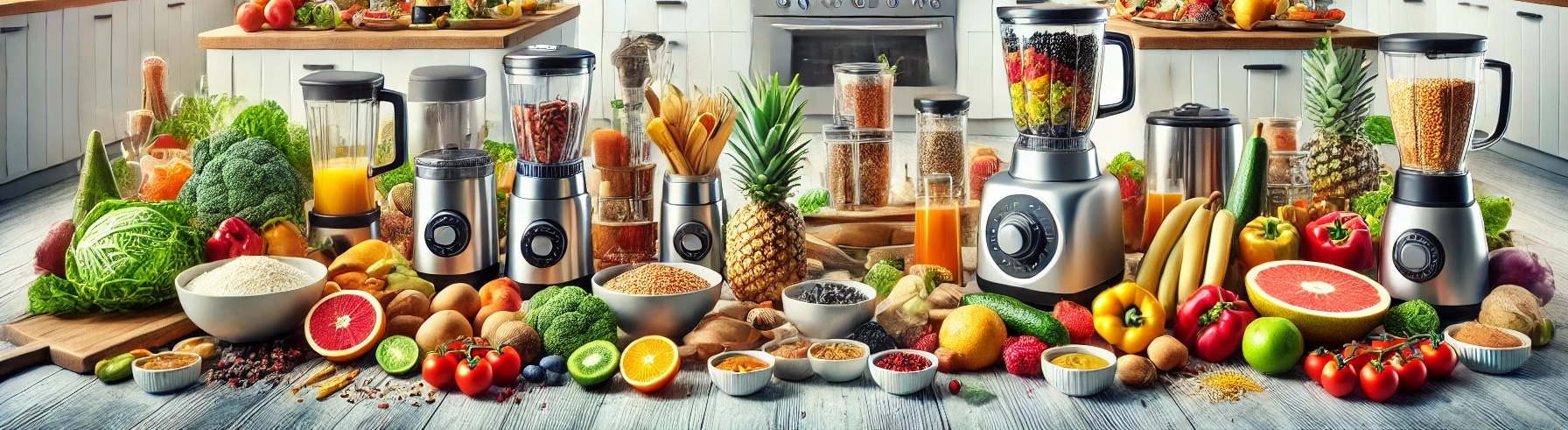
The art of cooking
AI CHEF Blog

Plant-Based Cooking: Essential Kitchen Tools for Beginners
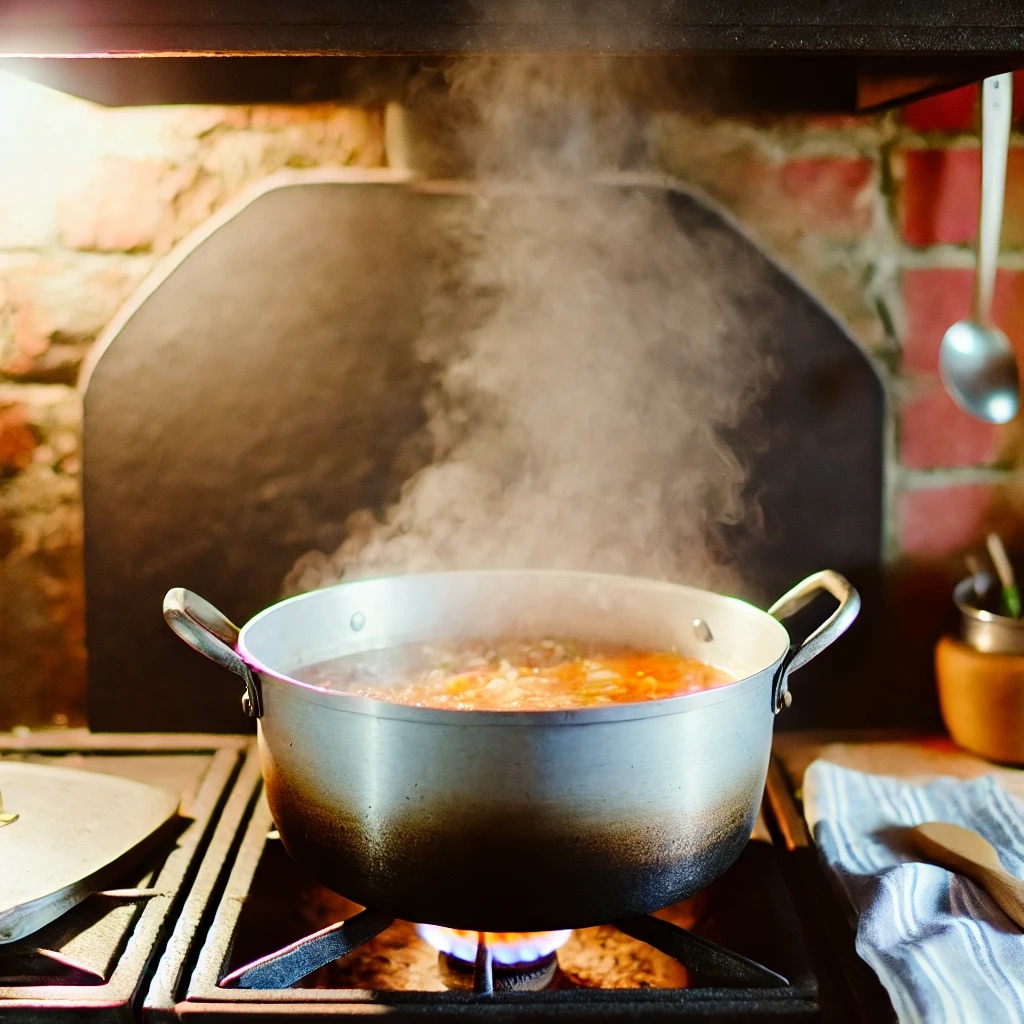
Embarking on a plant-based cooking journey can be an exciting and rewarding experience. Whether you are transitioning to a vegan lifestyle or simply looking to incorporate more plant-based meals into your diet, having the right kitchen tools can make all the difference. In this blog post, we’ll explore essential kitchen tools that every beginner should have to create delicious and nutritious plant-based meals.
1. Chef's Knife
A good chef's knife is the cornerstone of any kitchen. It allows you to chop, slice, and dice vegetables, fruits, and herbs with ease. Investing in a high-quality chef's knife will not only save you time but also make cooking more enjoyable. When choosing a knife, look for one that feels comfortable in your hand and has a sharp blade.
2. Cutting Board
Along with a chef's knife, a sturdy cutting board is essential. Opt for a wooden or bamboo board, as these materials are gentle on your knife's blade. Having multiple cutting boards can also prevent cross-contamination, especially if you’re preparing raw fruits and vegetables alongside other ingredients.
3. Vegetable Peeler
A vegetable peeler is a simple yet effective tool for stripping the skins off vegetables and fruits. This tool is especially handy when preparing carrots, potatoes, and zucchini for your dishes. Look for a peeler with a comfortable grip to make the task easier and more efficient.
4. Food Processor
A food processor is a versatile kitchen appliance that can simplify many tasks, from chopping vegetables to making dips and sauces. It’s perfect for creating hummus, nut butters, and even vegan cheese. If you're planning to make a lot of plant-based meals, a food processor will become your best friend.
5. Blender
A high-speed blender is another must-have for plant-based cooking. It can be used to create smoothies, soups, sauces, and even plant-based milks. Look for a blender with a powerful motor and multiple speed settings to handle a variety of tasks. Having a good blender will open up a world of possibilities for your plant-based meals.
6. Cast Iron Skillet
A cast iron skillet is a versatile cooking tool that can be used on the stovetop or in the oven. It retains heat exceptionally well, making it perfect for searing vegetables, frying tofu, or baking plant-based dishes. With proper care, a cast iron skillet can last a lifetime and even improve with age.
7. Baking Sheet
A sturdy baking sheet is essential for roasting vegetables, baking tofu, or preparing sheet pan meals. Look for a non-stick or stainless-steel option that can withstand high temperatures. Roasting vegetables brings out their natural sweetness and flavors, making it a popular cooking method in plant-based cuisine.
8. Steamer Basket
Steaming is a healthy cooking method that retains the nutrients in vegetables. A steamer basket can be used in a pot of boiling water to cook vegetables quickly and efficiently. This tool is great for preparing greens, broccoli, and other veggies that you want to keep crisp and vibrant.
9. Measuring Cups and Spoons
Accurate measurements are crucial in cooking, especially when trying new recipes. A set of measuring cups and spoons will help you follow recipes precisely and ensure consistent results. Look for a set that includes both dry and liquid measuring tools for maximum versatility.
10. Mixing Bowls
Having a variety of mixing bowls in different sizes is essential for meal prep and mixing ingredients. Glass or stainless-steel bowls are great options as they are durable and easy to clean. Use them for everything from tossing salads to marinating vegetables.
11. Whisk and Spatula
A whisk is perfect for mixing dressings, batters, and sauces, while a spatula is essential for flipping, scraping, and serving. Silicone spatulas are particularly useful as they are heat-resistant and won’t scratch your cookware.
12. Grater
A grater is useful for shredding vegetables, cheese alternatives, and zesting citrus fruits. It’s a simple tool that can add texture and flavor to your dishes. Choose a multi-sided grater for greater versatility.
13. Can Opener
If you’re using canned beans, tomatoes, or coconut milk in your recipes, a reliable can opener is a must. Look for a sturdy manual or electric opener that can handle various can sizes with ease.
14. Storage Containers
Meal prep is a key component of successful plant-based cooking. Invest in a set of storage containers to keep your prepped ingredients and leftovers fresh. Look for BPA-free options that are microwave and dishwasher safe for convenience.
15. Slow Cooker or Instant Pot
A slow cooker or Instant Pot can be a game-changer for busy individuals or families. These appliances allow you to prepare hearty soups, stews, and one-pot meals with minimal effort. They are perfect for cooking beans, grains, and lentils, which are staples in a plant-based diet.
Conclusion
With these essential kitchen tools, you’ll be well-equipped to embark on your plant-based cooking adventure. Remember that cooking is a skill that improves with practice, so don’t be afraid to experiment and try new recipes. As you become more comfortable in the kitchen, you’ll discover the joy of creating delicious and nutritious plant-based meals that nourish your body and delight your taste buds.
Happy cooking!
Related articles
 Plant-Based Cooking 101
A Beginner’s Guide to Vegan Recipes
Plant-Based Cooking 101
A Beginner’s Guide to Vegan Recipes
 Easy Vegan Recipes for Plant-Based Newbies
 10 Essential Ingredients for Plant-Based Cooking
 Delicious Vegan Breakfast Ideas for Beginners
 How to Meal Prep for a Plant-Based Diet
 Quick and Simple Vegan Dinners for Busy Nights
 The Ultimate Guide to Plant-Based Cooking Techniques
 Vegan Snacks
Easy Recipes for a Healthy Lifestyle
Vegan Snacks
Easy Recipes for a Healthy Lifestyle
 Transitioning to a Plant-Based Diet
Tips and Tricks
Transitioning to a Plant-Based Diet
Tips and Tricks
 Vegan Comfort Food
Recipes to Satisfy Your Cravings
Vegan Comfort Food
Recipes to Satisfy Your Cravings
 Plant-Based Cooking
5 Quick Recipes for Beginners
Plant-Based Cooking
5 Quick Recipes for Beginners
 How to Create Flavorful Vegan Meals with Spices
 The Benefits of Plant-Based Eating
A Beginner’s Perspective
The Benefits of Plant-Based Eating
A Beginner’s Perspective
 Simple Vegan Desserts That Any Beginner Can Make
 Plant-Based Cooking
Budget-Friendly Meal Ideas
Plant-Based Cooking
Budget-Friendly Meal Ideas
 Understanding Plant-Based Proteins
A Beginner's Guide
Understanding Plant-Based Proteins
A Beginner's Guide
 Vegan Cooking for One
Easy Recipes for Singles
Vegan Cooking for One
Easy Recipes for Singles
 Getting Started with Plant-Based Cooking
A Step-by-Step Guide
Getting Started with Plant-Based Cooking
A Step-by-Step Guide
 Vegan Meal Plans
Simple Recipes for a Week of Eating Well
Vegan Meal Plans
Simple Recipes for a Week of Eating Well
 Exploring Plant-Based Dairy Alternatives
Recipes and Tips
Exploring Plant-Based Dairy Alternatives
Recipes and Tips
 How to Cook with Seasonal Vegetables
A Vegan Guide
How to Cook with Seasonal Vegetables
A Vegan Guide
 Vegan Cooking Hacks
Tips for Faster Preparation
Vegan Cooking Hacks
Tips for Faster Preparation
 Plant-Based Cooking
Essential Kitchen Tools for Beginners
Plant-Based Cooking
Essential Kitchen Tools for Beginners
 Tasty Vegan Wraps
Quick Recipes for Lunchtime
Tasty Vegan Wraps
Quick Recipes for Lunchtime
 Plant-Based Soups
Warm and Comforting Recipes for Beginners
Plant-Based Soups
Warm and Comforting Recipes for Beginners
 Creative Vegan Salads
Easy Recipes for Every Season
Creative Vegan Salads
Easy Recipes for Every Season
 Vegan Cooking Myths
Debunking Common Misconceptions
Vegan Cooking Myths
Debunking Common Misconceptions
 How to Make Vegan Sauces and Dressings
A Beginner's Guide
How to Make Vegan Sauces and Dressings
A Beginner's Guide
 Vegan Cooking for Families
Kid-Friendly Recipes
Vegan Cooking for Families
Kid-Friendly Recipes
 Plant-Based Cooking
How to Use Leftovers Effectively
Plant-Based Cooking
How to Use Leftovers Effectively
 Satisfying Vegan Bowls
Build Your Own Plant-Based Meal
Satisfying Vegan Bowls
Build Your Own Plant-Based Meal
 Vegan Cooking Essentials
Pantry Staples You Need
Vegan Cooking Essentials
Pantry Staples You Need
 How to Balance Your Vegan Plate
A Beginner's Guide
How to Balance Your Vegan Plate
A Beginner's Guide
 Vegan Cooking with Kids
Fun and Easy Recipes to Try
Vegan Cooking with Kids
Fun and Easy Recipes to Try
The Joy of Plant-Based Cooking
Embracing Whole Foods
Simple Vegan Stir-Fries
Quick Meals in Minutes
Explore Global Vegan Cuisine
Recipes from Around the World
Plant-Based Cooking
How to Make Your Own Vegan Cheese
Vegan Cooking
The Best Resources for Beginners
How to Cook with Legumes
A Beginner's Guide to Beans
Plant-Based Cooking
Celebrating Seasonal Ingredients
Vegan Cooking for Special Occasions
Recipes to Impress
Plant-Based Cooking
Tips for Enhancing Flavor Naturally
How to Host a Vegan Dinner Party
Recipes and Ideas
Vegan Cooking
Adapting Your Favorite Recipes for a Plant-Based Diet
Plant-Based Cooking
Understanding Nutritional Needs
Vegan Cooking for Beginners
Common Mistakes and How to Avoid Them
The Art of Plant-Based Cooking
Finding Your Own Style
Vegan Cooking
How to Read Labels and Choose Wisely
Plant-Based Cooking
Building a Diverse Recipe Collection
Categories