The art of cooking
AI CHEF Blog

The Joy of Plant-Based Cooking: Embracing Whole Foods
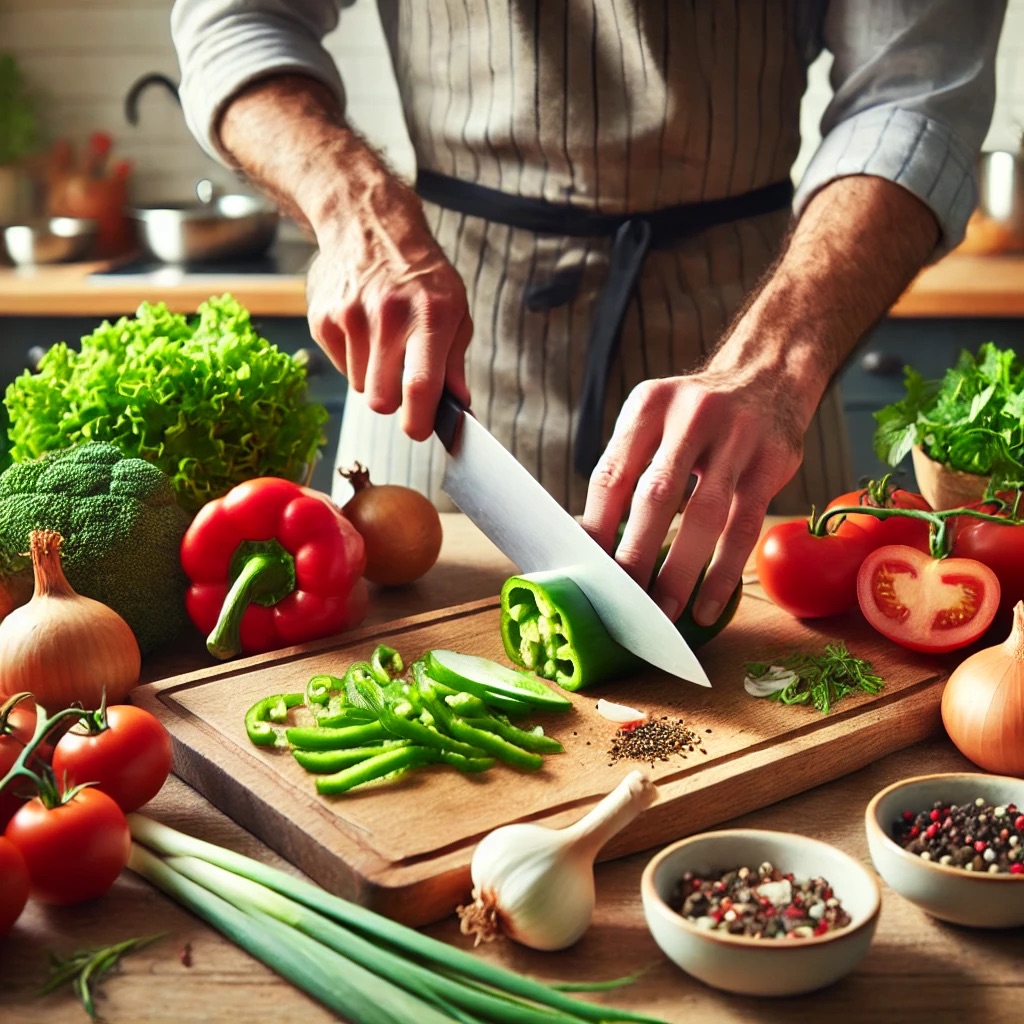
In recent years, there has been a significant shift towards plant-based diets, with many people discovering the myriad benefits of embracing whole foods. Whether you’re a seasoned vegan, a curious omnivore, or someone simply looking to incorporate more fruits and vegetables into your meals, plant-based cooking can be a delightful and fulfilling culinary adventure. In this blog post, we will explore the joys of plant-based cooking, the nutritional benefits of whole foods, and some tips to help you get started on your journey.
Understanding Plant-Based Cooking
Plant-based cooking focuses on using whole, minimally processed foods, primarily derived from plants. This includes fruits, vegetables, whole grains, legumes, nuts, and seeds. While a vegan diet excludes all animal products, a plant-based diet is more flexible. It emphasizes the consumption of plant foods while allowing for occasional animal products. The key is to prioritize whole foods and minimize processed ingredients.
The Benefits of Plant-Based Cooking
1. Health Benefits: Numerous studies have shown that a plant-based diet can lower the risk of chronic diseases, such as heart disease, diabetes, and certain cancers. Whole foods are rich in essential nutrients, fiber, and antioxidants, which contribute to overall health and well-being.
2. Environmental Impact: Adopting a plant-based diet can significantly reduce your carbon footprint. Animal agriculture is a leading cause of greenhouse gas emissions, deforestation, and water pollution. By choosing plants, you support sustainable food systems and contribute to the health of our planet.
3. Animal Welfare: For many, the choice to cook plant-based comes from a desire to reduce animal suffering. Embracing whole foods can align your eating habits with your ethical beliefs, allowing you to enjoy meals without the guilt associated with animal exploitation.
Getting Started with Plant-Based Cooking
Transitioning to plant-based cooking doesn’t have to be daunting. Here are some practical tips to help you get started:
1. Stock Your Kitchen
Begin by stocking your pantry with essential whole food ingredients. This includes:
- Whole grains (quinoa, brown rice, oats)
- Legumes (beans, lentils, chickpeas)
- Nuts and seeds (almonds, chia seeds, flaxseeds)
- Fresh and frozen fruits and vegetables
- Spices and herbs for flavoring
2. Explore New Recipes
Experimenting with new recipes is a great way to discover the joys of plant-based cooking. Start with simple dishes and gradually work your way up to more complex meals. Consider trying:
- Chickpea curry over brown rice
- Quinoa salad with mixed vegetables
- Stuffed bell peppers with lentils and spices
- Vegan chili with black beans and corn
3. Embrace Seasonal Produce
Using seasonal fruits and vegetables not only enhances the flavor of your meals but also supports local farmers and promotes sustainability. Visit your local farmer's market or join a community-supported agriculture (CSA) program to access fresh, organic produce.
4. Meal Prep for Success
Meal prepping can make plant-based cooking more manageable. Dedicate some time each week to wash, chop, and store your vegetables, grains, and legumes. This way, you’ll have ready-to-go ingredients for quick meals throughout the week.
Creating Flavorful Plant-Based Meals
One of the common misconceptions about plant-based cooking is that it lacks flavor. On the contrary, cooking with whole foods allows you to create vibrant, delicious meals. Here are some tips for enhancing flavor:
1. Use Fresh Herbs and Spices
Fresh herbs and spices can elevate any dish. Experiment with basil, cilantro, parsley, cumin, turmeric, and chili powder to add depth and complexity to your meals.
2. Incorporate Umami Flavors
Umami, the savory taste often associated with meat, can be found in various plant-based ingredients. Incorporate mushrooms, sun-dried tomatoes, nutritional yeast, and fermented foods like miso or tempeh to boost the umami profile of your dishes.
3. Balance Textures
Creating meals with a variety of textures can make plant-based cooking more exciting. Combine crunchy vegetables, creamy avocado, chewy grains, and hearty legumes to create satisfying dishes.
Fun Plant-Based Cooking Ideas
If you’re looking for inspiration, here are some fun ideas to incorporate into your plant-based cooking:
1. Plant-Based Breakfasts
Start your day with nourishing breakfasts such as:
- Overnight oats topped with fruits and nuts
- Chia seed pudding with almond milk and berries
- Tofu scramble with spinach, tomatoes, and spices
2. Creative Lunches
For a satisfying lunch, consider:
- Grain bowls with quinoa, roasted veggies, and tahini dressing
- Hummus and veggie wraps with whole grain tortillas
- Soups made from seasonal vegetables and legumes
3. Delightful Dinners
End your day with delicious dinners such as:
- Veggie stir-fry with tofu and brown rice
- Stuffed acorn squash with wild rice and cranberries
- Plant-based tacos with lentils, avocado, and salsa
Embracing the Community
One of the most rewarding aspects of plant-based cooking is the sense of community that comes with it. Consider joining local cooking classes, online forums, or social media groups where you can share recipes, tips, and encouragement with like-minded individuals. Cooking together, sharing meals, and exploring new culinary experiences can deepen your connection to food and foster a supportive environment.
Conclusion
Embracing plant-based cooking and whole foods is not just a dietary choice; it’s a lifestyle that promotes health, sustainability, and compassion. As you embark on this culinary journey, remember to have fun, explore new flavors, and enjoy the process of creating nourishing meals. With every bite, you are not only feeding your body but also contributing to a healthier planet and a more ethical food system. So grab your apron, gather your ingredients, and dive into the joy of plant-based cooking!
Related articles
 Plant-Based Cooking 101
A Beginner’s Guide to Vegan Recipes
 Easy Vegan Recipes for Plant-Based Newbies
 10 Essential Ingredients for Plant-Based Cooking
 Delicious Vegan Breakfast Ideas for Beginners
 How to Meal Prep for a Plant-Based Diet
 Quick and Simple Vegan Dinners for Busy Nights
 The Ultimate Guide to Plant-Based Cooking Techniques
 Vegan Snacks
Easy Recipes for a Healthy Lifestyle
 Transitioning to a Plant-Based Diet
Tips and Tricks
 Vegan Comfort Food
Recipes to Satisfy Your Cravings
 Plant-Based Cooking
5 Quick Recipes for Beginners
 How to Create Flavorful Vegan Meals with Spices
 The Benefits of Plant-Based Eating
A Beginner’s Perspective
 Simple Vegan Desserts That Any Beginner Can Make
 Plant-Based Cooking
Budget-Friendly Meal Ideas
 Understanding Plant-Based Proteins
A Beginner's Guide
 Vegan Cooking for One
Easy Recipes for Singles
 Getting Started with Plant-Based Cooking
A Step-by-Step Guide
 Vegan Meal Plans
Simple Recipes for a Week of Eating Well
 Exploring Plant-Based Dairy Alternatives
Recipes and Tips
 How to Cook with Seasonal Vegetables
A Vegan Guide
 Vegan Cooking Hacks
Tips for Faster Preparation
 Plant-Based Cooking
Essential Kitchen Tools for Beginners
 Tasty Vegan Wraps
Quick Recipes for Lunchtime
 Plant-Based Soups
Warm and Comforting Recipes for Beginners
 Creative Vegan Salads
Easy Recipes for Every Season
 Vegan Cooking Myths
Debunking Common Misconceptions
 How to Make Vegan Sauces and Dressings
A Beginner's Guide
 Vegan Cooking for Families
Kid-Friendly Recipes
 Plant-Based Cooking
How to Use Leftovers Effectively
 Satisfying Vegan Bowls
Build Your Own Plant-Based Meal
 Vegan Cooking Essentials
Pantry Staples You Need
 How to Balance Your Vegan Plate
A Beginner's Guide
 Vegan Cooking with Kids
Fun and Easy Recipes to Try
The Joy of Plant-Based Cooking
Embracing Whole Foods
Simple Vegan Stir-Fries
Quick Meals in Minutes
Explore Global Vegan Cuisine
Recipes from Around the World
Plant-Based Cooking
How to Make Your Own Vegan Cheese
Vegan Cooking
The Best Resources for Beginners
How to Cook with Legumes
A Beginner's Guide to Beans
Plant-Based Cooking
Celebrating Seasonal Ingredients
Vegan Cooking for Special Occasions
Recipes to Impress
Plant-Based Cooking
Tips for Enhancing Flavor Naturally
How to Host a Vegan Dinner Party
Recipes and Ideas
Vegan Cooking
Adapting Your Favorite Recipes for a Plant-Based Diet
Plant-Based Cooking
Understanding Nutritional Needs
Vegan Cooking for Beginners
Common Mistakes and How to Avoid Them
The Art of Plant-Based Cooking
Finding Your Own Style
Vegan Cooking
How to Read Labels and Choose Wisely
Plant-Based Cooking
Building a Diverse Recipe Collection
Categories


