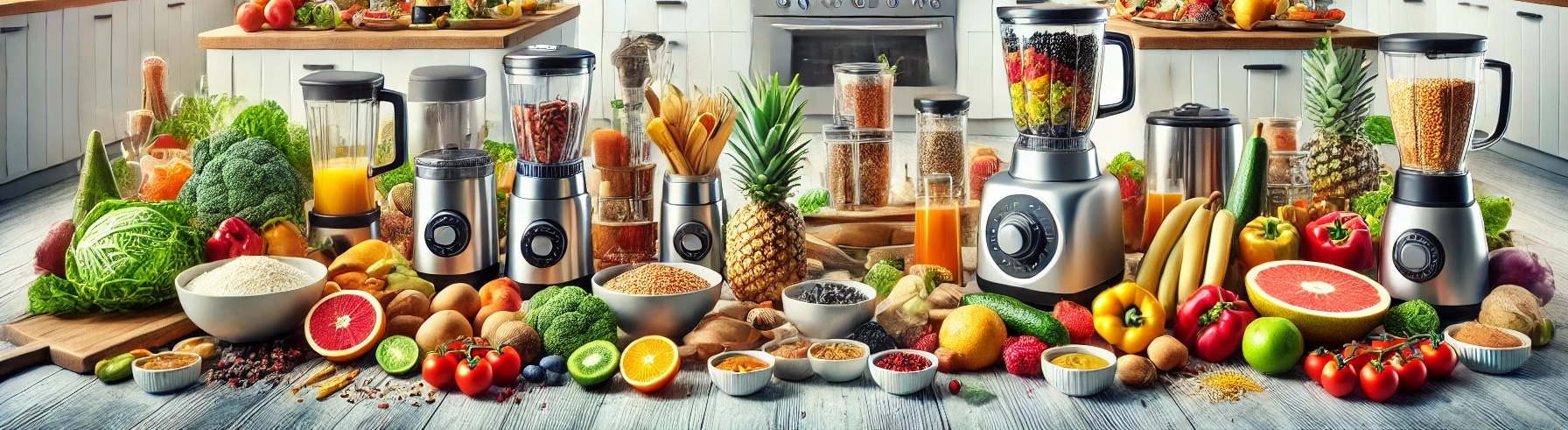
The art of cooking
AI CHEF Blog

Vegan Cooking: Adapting Your Favorite Recipes for a Plant-Based Diet
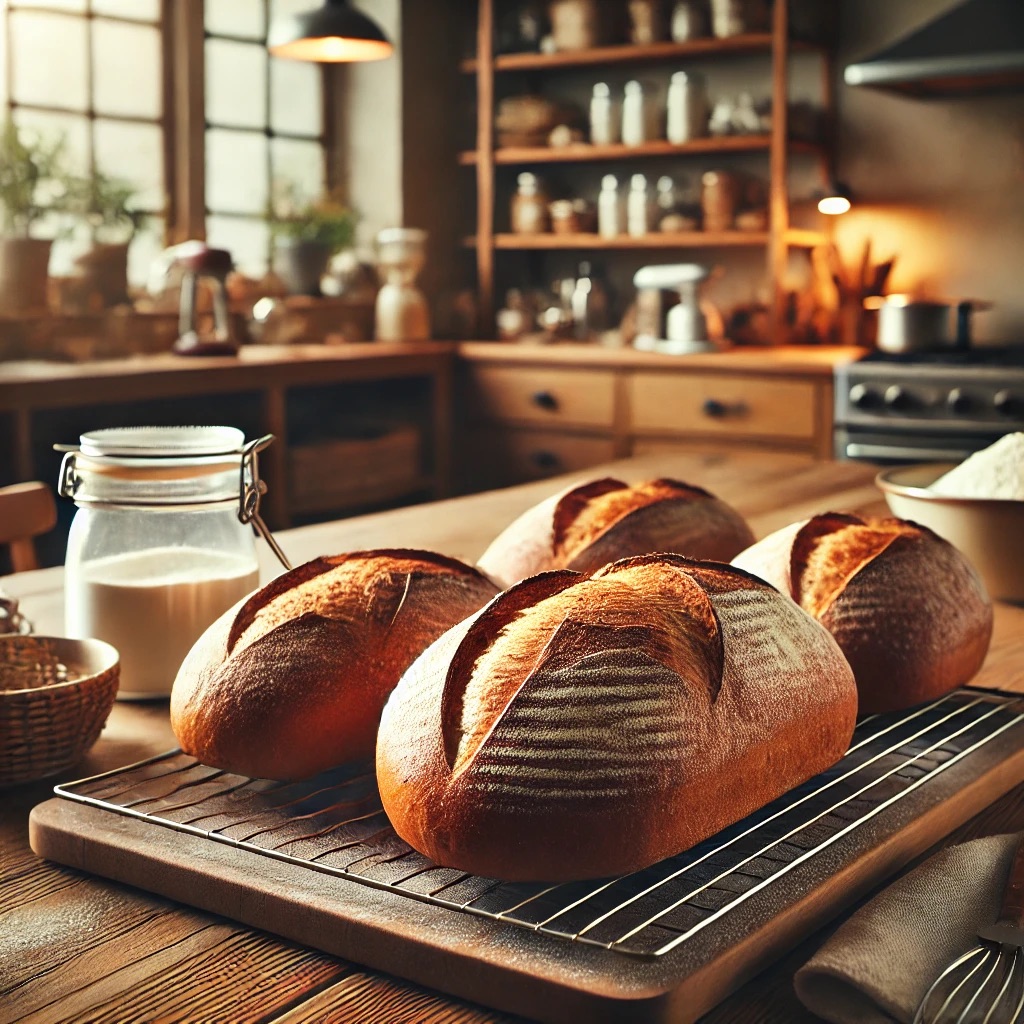
Transitioning to a vegan lifestyle can be an exciting journey, especially when it comes to the culinary adventures that await. You don’t have to abandon your favorite recipes; instead, you can adapt them to fit a plant-based diet. This blog post will guide you through the process of taking beloved dishes and giving them a vegan twist, ensuring you enjoy delicious meals while embracing a healthier and more sustainable lifestyle.
Understanding the Basics of Vegan Cooking
Before diving into recipe adaptation, it’s essential to understand what a vegan diet entails. A vegan diet excludes all animal products, including meat, dairy, eggs, and honey. Instead, it focuses on fruits, vegetables, grains, nuts, seeds, and legumes. This means that any recipe can be made vegan with a few thoughtful substitutions.
Identifying Key Components in Your Favorite Recipes
To effectively adapt your favorite recipes, start by identifying the key components of each dish. Most recipes can be broken down into the following categories:
- Proteins: Meat, eggs, and dairy are common protein sources in many dishes.
- Dairy Products: Milk, cheese, and butter add creaminess and flavor.
- Binders: Eggs often serve as a binding agent in baking and cooking.
- Flavor Enhancers: Ingredients like fish sauce, chicken stock, and Worcestershire sauce are frequently used to elevate taste.
Substituting Proteins
When adapting recipes, the first substitution is typically the protein source. Here are some excellent vegan alternatives:
- Legumes: Beans, lentils, and chickpeas are fantastic sources of protein and can replace meat in dishes like chili, stews, and salads.
- Tofu and Tempeh: These soy-based proteins are versatile and can take on various flavors. Use tofu in stir-fries or tempeh in sandwiches for a hearty meal.
- Seitan: Made from wheat gluten, seitan is incredibly meat-like and can be used in recipes that call for beef or chicken.
- Nuts and Seeds: Incorporate almonds, walnuts, or pumpkin seeds for added protein in salads and snacks.
Replacing Dairy Products
For many, dairy is a staple in their cooking. Luckily, there are plenty of vegan alternatives:
- Plant-Based Milk: Almond, oat, soy, and coconut milk can replace cow’s milk in recipes. Choose unsweetened versions for savory dishes.
- Vegan Cheese: There are numerous store-bought vegan cheeses available, or you can create your own using cashews or nutritional yeast for a cheesy flavor.
- Butter Alternatives: Use coconut oil, olive oil, or vegan margarine in place of butter. Applesauce can also work well in baking for added moisture.
Finding Egg Substitutes
Eggs can be tricky to replace, but there are various options depending on the recipe type:
- Flaxseed Meal: Mix 1 tablespoon of flaxseed meal with 2.5 tablespoons of water to replace one egg. Let it sit for a few minutes until it thickens.
- Chia Seeds: Similar to flaxseeds, mix 1 tablespoon of chia seeds with 2.5 tablespoons of water and let it sit until it forms a gel-like consistency.
- Applesauce: Use ¼ cup of unsweetened applesauce to replace one egg in baking recipes for added moisture.
- Silken Tofu: Blend ¼ cup of silken tofu until smooth to substitute for one egg in recipes that require a creamy texture.
Flavor Enhancers and Seasonings
Many recipes rely on flavor enhancers that contain animal products. Here’s how to adapt them:
- Broths and Stocks: Use vegetable broth instead of chicken or beef stock. You can also make your own by simmering vegetables and herbs in water.
- Fish Sauce: Substitute with soy sauce or tamari mixed with a bit of seaweed for a similar umami flavor.
- Worcestershire Sauce: Look for vegan versions available in stores or make your own using soy sauce, vinegar, and spices.
Adapting Popular Recipes
Now that you know how to make substitutions, let’s look at some popular recipes and how to adapt them:
Spaghetti Bolognese
Traditionally made with ground meat, you can replace it with lentils or finely chopped mushrooms for a hearty texture. Use a tomato-based sauce, and add herbs like basil and oregano for flavor. Serve over your favorite pasta, and finish with nutritional yeast for a cheesy flavor.
Chocolate Chip Cookies
Instead of butter, use coconut oil or vegan margarine. Replace eggs with flaxseed meal or applesauce. Use dairy-free chocolate chips or chopped dark chocolate to keep it vegan. You’ll still have delicious cookies that everyone will love!
Caesar Salad
Replace the anchovies in the dressing with capers for a salty kick. Use vegan mayonnaise as the base and add lemon juice, garlic, and nutritional yeast for creaminess. Top with roasted chickpeas for added protein and crunch.
Experimenting and Personalizing Your Cooking
One of the best parts of adapting recipes is that it allows for creativity in the kitchen. Don’t be afraid to experiment with different ingredients and flavors. Try incorporating seasonal vegetables or unique spices to give your dishes a personal touch. Keep in mind that plant-based cooking can also be a great opportunity to explore new cuisines, such as Indian, Thai, or Mediterranean, which often feature plant-based ingredients prominently.
Final Thoughts
Adapting your favorite recipes for a vegan diet doesn’t have to be complicated. With a little creativity and an understanding of key substitutions, you can enjoy all the flavors and comfort of your favorite meals without compromising your values. As you continue on your vegan journey, remember to have fun in the kitchen, try new ingredients, and discover the endless possibilities that a plant-based diet offers!
Related articles
 Plant-Based Cooking 101
A Beginner’s Guide to Vegan Recipes
Plant-Based Cooking 101
A Beginner’s Guide to Vegan Recipes
 Easy Vegan Recipes for Plant-Based Newbies
 10 Essential Ingredients for Plant-Based Cooking
 Delicious Vegan Breakfast Ideas for Beginners
 How to Meal Prep for a Plant-Based Diet
 Quick and Simple Vegan Dinners for Busy Nights
 The Ultimate Guide to Plant-Based Cooking Techniques
 Vegan Snacks
Easy Recipes for a Healthy Lifestyle
Vegan Snacks
Easy Recipes for a Healthy Lifestyle
 Transitioning to a Plant-Based Diet
Tips and Tricks
Transitioning to a Plant-Based Diet
Tips and Tricks
 Vegan Comfort Food
Recipes to Satisfy Your Cravings
Vegan Comfort Food
Recipes to Satisfy Your Cravings
 Plant-Based Cooking
5 Quick Recipes for Beginners
Plant-Based Cooking
5 Quick Recipes for Beginners
 How to Create Flavorful Vegan Meals with Spices
 The Benefits of Plant-Based Eating
A Beginner’s Perspective
The Benefits of Plant-Based Eating
A Beginner’s Perspective
 Simple Vegan Desserts That Any Beginner Can Make
 Plant-Based Cooking
Budget-Friendly Meal Ideas
Plant-Based Cooking
Budget-Friendly Meal Ideas
 Understanding Plant-Based Proteins
A Beginner's Guide
Understanding Plant-Based Proteins
A Beginner's Guide
 Vegan Cooking for One
Easy Recipes for Singles
Vegan Cooking for One
Easy Recipes for Singles
 Getting Started with Plant-Based Cooking
A Step-by-Step Guide
Getting Started with Plant-Based Cooking
A Step-by-Step Guide
 Vegan Meal Plans
Simple Recipes for a Week of Eating Well
Vegan Meal Plans
Simple Recipes for a Week of Eating Well
 Exploring Plant-Based Dairy Alternatives
Recipes and Tips
Exploring Plant-Based Dairy Alternatives
Recipes and Tips
 How to Cook with Seasonal Vegetables
A Vegan Guide
How to Cook with Seasonal Vegetables
A Vegan Guide
 Vegan Cooking Hacks
Tips for Faster Preparation
Vegan Cooking Hacks
Tips for Faster Preparation
 Plant-Based Cooking
Essential Kitchen Tools for Beginners
Plant-Based Cooking
Essential Kitchen Tools for Beginners
 Tasty Vegan Wraps
Quick Recipes for Lunchtime
Tasty Vegan Wraps
Quick Recipes for Lunchtime
 Plant-Based Soups
Warm and Comforting Recipes for Beginners
Plant-Based Soups
Warm and Comforting Recipes for Beginners
 Creative Vegan Salads
Easy Recipes for Every Season
Creative Vegan Salads
Easy Recipes for Every Season
 Vegan Cooking Myths
Debunking Common Misconceptions
Vegan Cooking Myths
Debunking Common Misconceptions
 How to Make Vegan Sauces and Dressings
A Beginner's Guide
How to Make Vegan Sauces and Dressings
A Beginner's Guide
 Vegan Cooking for Families
Kid-Friendly Recipes
Vegan Cooking for Families
Kid-Friendly Recipes
 Plant-Based Cooking
How to Use Leftovers Effectively
Plant-Based Cooking
How to Use Leftovers Effectively
 Satisfying Vegan Bowls
Build Your Own Plant-Based Meal
Satisfying Vegan Bowls
Build Your Own Plant-Based Meal
 Vegan Cooking Essentials
Pantry Staples You Need
Vegan Cooking Essentials
Pantry Staples You Need
 How to Balance Your Vegan Plate
A Beginner's Guide
How to Balance Your Vegan Plate
A Beginner's Guide
 Vegan Cooking with Kids
Fun and Easy Recipes to Try
Vegan Cooking with Kids
Fun and Easy Recipes to Try
The Joy of Plant-Based Cooking
Embracing Whole Foods
Simple Vegan Stir-Fries
Quick Meals in Minutes
Explore Global Vegan Cuisine
Recipes from Around the World
Plant-Based Cooking
How to Make Your Own Vegan Cheese
Vegan Cooking
The Best Resources for Beginners
How to Cook with Legumes
A Beginner's Guide to Beans
Plant-Based Cooking
Celebrating Seasonal Ingredients
Vegan Cooking for Special Occasions
Recipes to Impress
Plant-Based Cooking
Tips for Enhancing Flavor Naturally
How to Host a Vegan Dinner Party
Recipes and Ideas
Vegan Cooking
Adapting Your Favorite Recipes for a Plant-Based Diet
Plant-Based Cooking
Understanding Nutritional Needs
Vegan Cooking for Beginners
Common Mistakes and How to Avoid Them
The Art of Plant-Based Cooking
Finding Your Own Style
Vegan Cooking
How to Read Labels and Choose Wisely
Plant-Based Cooking
Building a Diverse Recipe Collection
Categories