The art of cooking
AI CHEF Blog

Vegan Cooking for Beginners: Common Mistakes and How to Avoid Them
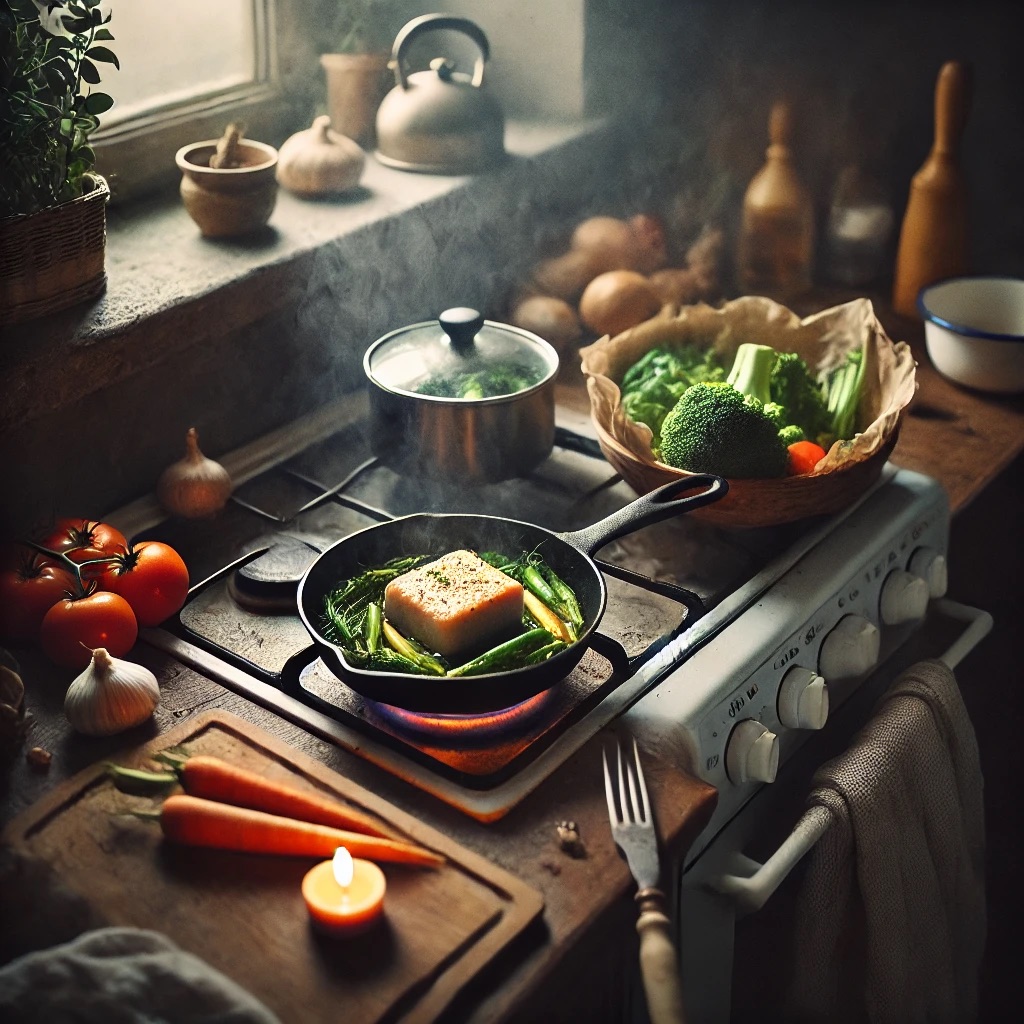
Embarking on a vegan cooking journey can be an exciting yet daunting task. With the right knowledge and preparation, you can create delicious and nutritious meals that are completely plant-based. However, many beginners make common mistakes that can lead to frustration and disappointment. In this blog post, we will explore these pitfalls and offer tips on how to avoid them, ensuring your transition to vegan cooking is as smooth as possible.
1. Not Planning Ahead
One of the biggest mistakes beginners make is diving into vegan cooking without a plan. Cooking without a shopping list or meal plan can lead to impulse buys and wasted ingredients. To avoid this, take some time each week to plan your meals. Look for recipes that excite you, make a list of the ingredients you'll need, and shop accordingly. This will not only save you time but also help you stay organized and reduce food waste.
2. Overlooking Seasoning
Many new vegan cooks believe that plant-based meals can be bland or lack flavor. This misconception can lead to under-seasoned dishes. It's essential to experiment with various herbs, spices, and condiments to elevate your meals. Ingredients like garlic, onion, lemon juice, nutritional yeast, and soy sauce can add depth and richness to your cooking. Don’t be afraid to taste as you go and adjust seasonings to your liking.
3. Not Understanding Vegan Protein Sources
Protein is a crucial part of any diet, and many beginners struggle with finding adequate vegan sources. Relying solely on grains and vegetables can leave you feeling sluggish. Incorporate a variety of protein sources such as legumes (beans, lentils, chickpeas), tofu, tempeh, edamame, seitan, and nuts into your meals. Understanding portion sizes and nutritional content can help you maintain a balanced diet.
4. Ignoring Texture
Texture plays a significant role in the enjoyment of food. New vegan cooks often overlook this aspect, leading to meals that lack variety. Incorporate a mix of textures in your dishes by combining creamy, crunchy, chewy, and crispy elements. For example, pair soft lentils with crunchy vegetables, or add nuts to a creamy sauce. This will create a more enjoyable eating experience.
5. Not Experimenting with Ingredients
Vegan cooking offers a world of possibilities, yet many beginners stick to familiar ingredients. This can lead to repetitive meals that lack excitement. Challenge yourself to try new fruits, vegetables, grains, and legumes. Visit your local farmer's market or grocery store and select something unfamiliar. Experimentation can lead to exciting new favorite recipes!
6. Forgetting About Meal Prep
Meal prepping can save you time and stress during the week. Many beginners overlook this crucial step and find themselves scrambling to put together meals last minute. Take a few hours each week to prepare ingredients or even whole meals in advance. Chop vegetables, cook grains, or batch-cook soups and stews. Having ready-to-eat meals on hand will make your vegan cooking journey much smoother.
7. Not Reading Labels
Many packaged foods contain hidden animal products, so not reading labels can lead to unintentional consumption of non-vegan ingredients. Always check the labels of processed foods for ingredients like dairy, eggs, gelatin, or honey. Familiarize yourself with common non-vegan ingredients to ensure you’re making informed choices.
8. Relying Too Heavily on Processed Foods
While there are many convenient vegan products available, relying heavily on processed foods can lead to a less nutritious diet. Many of these products are high in sodium, sugar, and unhealthy fats. Focus on whole foods like fruits, vegetables, whole grains, nuts, and seeds for the majority of your meals. Reserve processed items for occasional use or convenience rather than as staples in your diet.
9. Not Taking Advantage of Online Resources
The internet is filled with resources for beginner vegan cooks, yet many people fail to utilize them. Take advantage of online platforms like blogs, YouTube channels, and social media groups dedicated to vegan cooking. These resources provide recipe ideas, cooking tips, and community support that can help you navigate your new lifestyle.
10. Giving Up Too Soon
Finally, one of the most common mistakes beginners make is giving up too soon. Vegan cooking can sometimes be challenging, especially when trying new techniques or ingredients. It's important to be patient with yourself and allow for mistakes. Every cook has had their share of kitchen disasters, so embrace the learning process. Take failures as opportunities to grow and improve.
Conclusion
Transitioning to vegan cooking can be a rewarding experience, filled with delicious meals and newfound culinary skills. By avoiding these common mistakes and implementing the suggested strategies, you will set yourself up for success in the kitchen. Remember, practice makes perfect, and with time, you will become more confident in your vegan cooking abilities. Enjoy the journey!
Related articles
 Plant-Based Cooking 101
A Beginner’s Guide to Vegan Recipes
Plant-Based Cooking 101
A Beginner’s Guide to Vegan Recipes
 Easy Vegan Recipes for Plant-Based Newbies
 10 Essential Ingredients for Plant-Based Cooking
 Delicious Vegan Breakfast Ideas for Beginners
 How to Meal Prep for a Plant-Based Diet
 Quick and Simple Vegan Dinners for Busy Nights
 The Ultimate Guide to Plant-Based Cooking Techniques
 Vegan Snacks
Easy Recipes for a Healthy Lifestyle
Vegan Snacks
Easy Recipes for a Healthy Lifestyle
 Transitioning to a Plant-Based Diet
Tips and Tricks
Transitioning to a Plant-Based Diet
Tips and Tricks
 Vegan Comfort Food
Recipes to Satisfy Your Cravings
Vegan Comfort Food
Recipes to Satisfy Your Cravings
 Plant-Based Cooking
5 Quick Recipes for Beginners
Plant-Based Cooking
5 Quick Recipes for Beginners
 How to Create Flavorful Vegan Meals with Spices
 The Benefits of Plant-Based Eating
A Beginner’s Perspective
The Benefits of Plant-Based Eating
A Beginner’s Perspective
 Simple Vegan Desserts That Any Beginner Can Make
 Plant-Based Cooking
Budget-Friendly Meal Ideas
Plant-Based Cooking
Budget-Friendly Meal Ideas
 Understanding Plant-Based Proteins
A Beginner's Guide
Understanding Plant-Based Proteins
A Beginner's Guide
 Vegan Cooking for One
Easy Recipes for Singles
Vegan Cooking for One
Easy Recipes for Singles
 Getting Started with Plant-Based Cooking
A Step-by-Step Guide
Getting Started with Plant-Based Cooking
A Step-by-Step Guide
 Vegan Meal Plans
Simple Recipes for a Week of Eating Well
Vegan Meal Plans
Simple Recipes for a Week of Eating Well
 Exploring Plant-Based Dairy Alternatives
Recipes and Tips
Exploring Plant-Based Dairy Alternatives
Recipes and Tips
 How to Cook with Seasonal Vegetables
A Vegan Guide
How to Cook with Seasonal Vegetables
A Vegan Guide
 Vegan Cooking Hacks
Tips for Faster Preparation
Vegan Cooking Hacks
Tips for Faster Preparation
 Plant-Based Cooking
Essential Kitchen Tools for Beginners
Plant-Based Cooking
Essential Kitchen Tools for Beginners
 Tasty Vegan Wraps
Quick Recipes for Lunchtime
Tasty Vegan Wraps
Quick Recipes for Lunchtime
 Plant-Based Soups
Warm and Comforting Recipes for Beginners
Plant-Based Soups
Warm and Comforting Recipes for Beginners
 Creative Vegan Salads
Easy Recipes for Every Season
Creative Vegan Salads
Easy Recipes for Every Season
 Vegan Cooking Myths
Debunking Common Misconceptions
Vegan Cooking Myths
Debunking Common Misconceptions
 How to Make Vegan Sauces and Dressings
A Beginner's Guide
How to Make Vegan Sauces and Dressings
A Beginner's Guide
 Vegan Cooking for Families
Kid-Friendly Recipes
Vegan Cooking for Families
Kid-Friendly Recipes
 Plant-Based Cooking
How to Use Leftovers Effectively
Plant-Based Cooking
How to Use Leftovers Effectively
 Satisfying Vegan Bowls
Build Your Own Plant-Based Meal
Satisfying Vegan Bowls
Build Your Own Plant-Based Meal
 Vegan Cooking Essentials
Pantry Staples You Need
Vegan Cooking Essentials
Pantry Staples You Need
 How to Balance Your Vegan Plate
A Beginner's Guide
How to Balance Your Vegan Plate
A Beginner's Guide
 Vegan Cooking with Kids
Fun and Easy Recipes to Try
Vegan Cooking with Kids
Fun and Easy Recipes to Try
The Joy of Plant-Based Cooking
Embracing Whole Foods
Simple Vegan Stir-Fries
Quick Meals in Minutes
Explore Global Vegan Cuisine
Recipes from Around the World
Plant-Based Cooking
How to Make Your Own Vegan Cheese
Vegan Cooking
The Best Resources for Beginners
How to Cook with Legumes
A Beginner's Guide to Beans
Plant-Based Cooking
Celebrating Seasonal Ingredients
Vegan Cooking for Special Occasions
Recipes to Impress
Plant-Based Cooking
Tips for Enhancing Flavor Naturally
How to Host a Vegan Dinner Party
Recipes and Ideas
Vegan Cooking
Adapting Your Favorite Recipes for a Plant-Based Diet
Plant-Based Cooking
Understanding Nutritional Needs
Vegan Cooking for Beginners
Common Mistakes and How to Avoid Them
The Art of Plant-Based Cooking
Finding Your Own Style
Vegan Cooking
How to Read Labels and Choose Wisely
Plant-Based Cooking
Building a Diverse Recipe Collection
Categories