The art of cooking
AI CHEF Blog

Plant-Based Cooking: Building a Diverse Recipe Collection
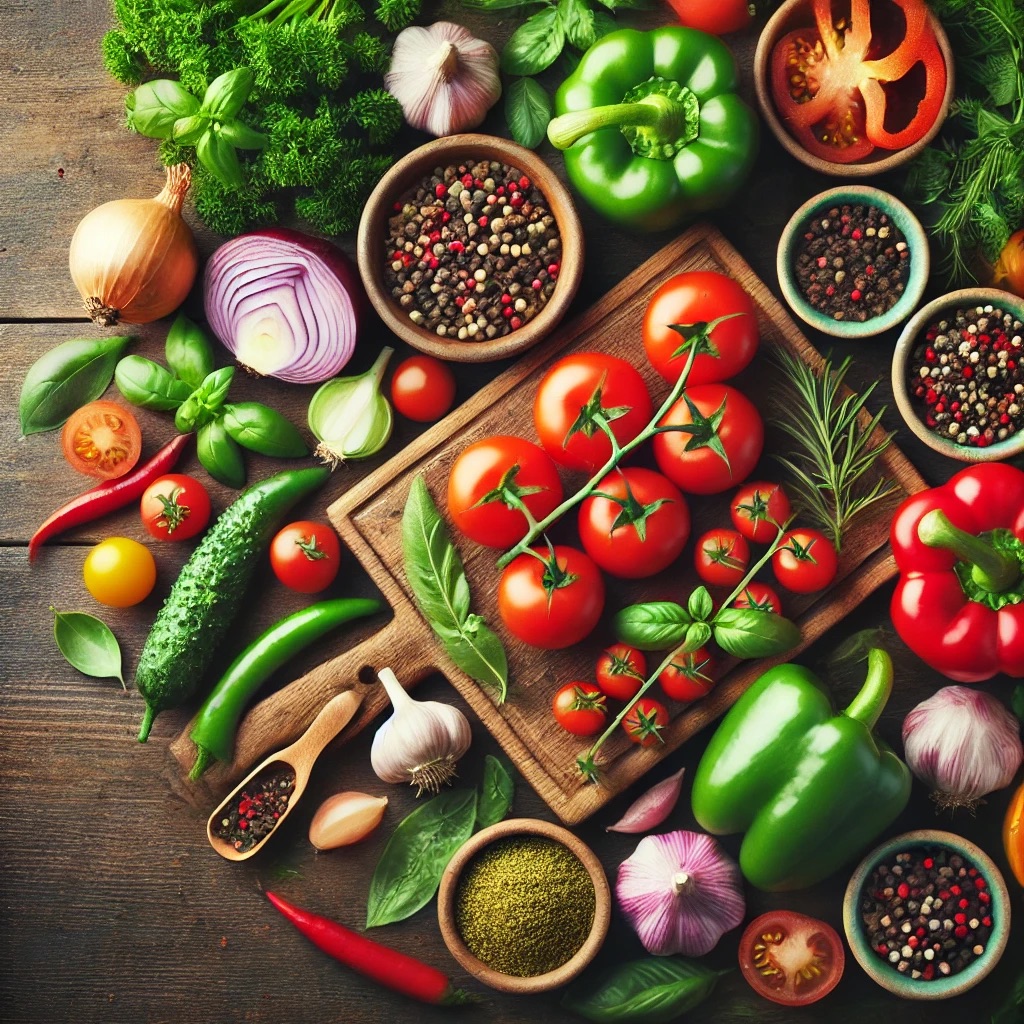
In recent years, plant-based cooking has gained significant popularity, not only for its health benefits but also for its positive impact on the environment. As more people are embracing a plant-based lifestyle, the need for diverse and exciting recipes has become essential. This blog post will guide you through the journey of building a diverse recipe collection that celebrates the vibrant world of plant-based cooking.
Understanding Plant-Based Cooking
Plant-based cooking emphasizes the use of whole, minimally processed foods derived from plants. This includes fruits, vegetables, whole grains, legumes, nuts, and seeds. The beauty of plant-based cooking lies in its diversity—there are countless cuisines around the world that offer delicious plant-based options.
Why Build a Diverse Recipe Collection?
Having a diverse recipe collection is essential for several reasons:
- Variety in Nutrients: Different plant foods provide different nutrients. A diverse diet ensures you get a range of vitamins, minerals, and antioxidants.
- Culinary Exploration: Exploring various cuisines can make plant-based cooking exciting and enjoyable. It encourages creativity in the kitchen.
- Adaptability: Having a variety of recipes allows you to adapt to seasonal produce and personal preferences, reducing food waste and enhancing sustainability.
Starting Your Collection
Building a diverse recipe collection begins with exploration. Here are some tips to get started:
1. Explore Global Cuisines
Each culture offers unique flavors and ingredients. Here are a few cuisines to consider:
- Indian: Think lentil dal, chickpea curry, and vegetable biryani.
- Mexican: Consider black bean tacos, enchiladas with mole sauce, and fresh salsa.
- Middle Eastern: Try falafel, tabbouleh, and lentil soup.
- Asian: Explore stir-fried vegetables, tofu scrambles, and rice paper rolls.
2. Use Seasonal Ingredients
Building recipes around seasonal produce not only enhances flavor but also supports local farmers. Visit farmers' markets or join a community-supported agriculture (CSA) program to discover what’s in season.
3. Experiment with Ingredients
Don't be afraid to try new ingredients. Incorporate exotic grains like quinoa or farro, discover different legumes like adzuki beans or black-eyed peas, and experiment with a variety of plant-based proteins like tempeh, seitan, and jackfruit.
4. Create Themed Recipe Nights
Designate specific nights for different cuisines or themes. For example, you could have “Meatless Mondays” where you explore Italian dishes or “Taco Tuesdays” with innovative plant-based taco recipes.
Building Your Recipe Collection
Now that you have some ideas on where to start, let’s discuss how to organize and build your collection effectively.
1. Keep a Recipe Journal
Maintain a journal where you can jot down recipes that you try and love. Include notes on what you liked, any modifications you made, and how it turned out.
2. Use Digital Tools
There are numerous apps and websites that allow you to save and organize recipes. Platforms like Pinterest, Yummly, and Recipe Keeper can help you categorize your recipes based on ingredients, cuisine, or meal type.
3. Create a Recipe Binder
If you prefer a physical collection, create a binder with dividers for different categories. Include printed recipes, clippings from magazines, and personal notes on each dish.
Sample Recipes for Your Collection
To kickstart your collection, here are three diverse plant-based recipes to try:
Chickpea and Spinach Curry
Ingredients: 2 cans of chickpeas, 1 onion, 2 cloves garlic, 1 inch ginger, 1 can coconut milk, 2 cups spinach, curry powder, salt, and oil.
Instructions: Sauté onion, garlic, and ginger in oil. Add curry powder, chickpeas, and coconut milk. Simmer for 15 minutes, add spinach, and cook until wilted. Serve with rice.
Quinoa Stuffed Bell Peppers
Ingredients: 4 bell peppers, 1 cup quinoa, 1 can black beans, corn, diced tomatoes, spices.
Instructions: Cook quinoa and mix with beans, corn, tomatoes, and spices. Stuff the mixture into halved bell peppers and bake at 375°F for 25-30 minutes.
Vegan Mushroom Stroganoff
Ingredients: 8 oz mushrooms, 1 onion, 2 cloves garlic, 1 cup vegetable broth, 1 cup coconut cream, pasta of choice.
Instructions: Sauté onions and garlic, add mushrooms and cook until browned. Stir in broth and coconut cream, simmer for 10 minutes. Serve over cooked pasta.
Sharing Your Collection
Once you’ve built a diverse recipe collection, consider sharing it with friends and family. Host a plant-based dinner party where everyone can try the dishes you’ve created. You can also start a food blog or social media account dedicated to your culinary adventures. This will not only inspire others but also connect you with like-minded individuals who share your passion for plant-based cooking.
Conclusion
Building a diverse recipe collection is a rewarding journey that opens up a world of flavors and nutritional benefits. By exploring global cuisines, experimenting with seasonal ingredients, and trying out new cooking techniques, you can create a collection that not only nourishes your body but also delights your taste buds. Embrace the adventure of plant-based cooking and enjoy the endless possibilities that await you in the kitchen!
Related articles
 Plant-Based Cooking 101
A Beginner’s Guide to Vegan Recipes
Plant-Based Cooking 101
A Beginner’s Guide to Vegan Recipes
 Easy Vegan Recipes for Plant-Based Newbies
 10 Essential Ingredients for Plant-Based Cooking
 Delicious Vegan Breakfast Ideas for Beginners
 How to Meal Prep for a Plant-Based Diet
 Quick and Simple Vegan Dinners for Busy Nights
 The Ultimate Guide to Plant-Based Cooking Techniques
 Vegan Snacks
Easy Recipes for a Healthy Lifestyle
Vegan Snacks
Easy Recipes for a Healthy Lifestyle
 Transitioning to a Plant-Based Diet
Tips and Tricks
Transitioning to a Plant-Based Diet
Tips and Tricks
 Vegan Comfort Food
Recipes to Satisfy Your Cravings
Vegan Comfort Food
Recipes to Satisfy Your Cravings
 Plant-Based Cooking
5 Quick Recipes for Beginners
Plant-Based Cooking
5 Quick Recipes for Beginners
 How to Create Flavorful Vegan Meals with Spices
 The Benefits of Plant-Based Eating
A Beginner’s Perspective
The Benefits of Plant-Based Eating
A Beginner’s Perspective
 Simple Vegan Desserts That Any Beginner Can Make
 Plant-Based Cooking
Budget-Friendly Meal Ideas
Plant-Based Cooking
Budget-Friendly Meal Ideas
 Understanding Plant-Based Proteins
A Beginner's Guide
Understanding Plant-Based Proteins
A Beginner's Guide
 Vegan Cooking for One
Easy Recipes for Singles
Vegan Cooking for One
Easy Recipes for Singles
 Getting Started with Plant-Based Cooking
A Step-by-Step Guide
Getting Started with Plant-Based Cooking
A Step-by-Step Guide
 Vegan Meal Plans
Simple Recipes for a Week of Eating Well
Vegan Meal Plans
Simple Recipes for a Week of Eating Well
 Exploring Plant-Based Dairy Alternatives
Recipes and Tips
Exploring Plant-Based Dairy Alternatives
Recipes and Tips
 How to Cook with Seasonal Vegetables
A Vegan Guide
How to Cook with Seasonal Vegetables
A Vegan Guide
 Vegan Cooking Hacks
Tips for Faster Preparation
Vegan Cooking Hacks
Tips for Faster Preparation
 Plant-Based Cooking
Essential Kitchen Tools for Beginners
Plant-Based Cooking
Essential Kitchen Tools for Beginners
 Tasty Vegan Wraps
Quick Recipes for Lunchtime
Tasty Vegan Wraps
Quick Recipes for Lunchtime
 Plant-Based Soups
Warm and Comforting Recipes for Beginners
Plant-Based Soups
Warm and Comforting Recipes for Beginners
 Creative Vegan Salads
Easy Recipes for Every Season
Creative Vegan Salads
Easy Recipes for Every Season
 Vegan Cooking Myths
Debunking Common Misconceptions
Vegan Cooking Myths
Debunking Common Misconceptions
 How to Make Vegan Sauces and Dressings
A Beginner's Guide
How to Make Vegan Sauces and Dressings
A Beginner's Guide
 Vegan Cooking for Families
Kid-Friendly Recipes
Vegan Cooking for Families
Kid-Friendly Recipes
 Plant-Based Cooking
How to Use Leftovers Effectively
Plant-Based Cooking
How to Use Leftovers Effectively
 Satisfying Vegan Bowls
Build Your Own Plant-Based Meal
Satisfying Vegan Bowls
Build Your Own Plant-Based Meal
 Vegan Cooking Essentials
Pantry Staples You Need
Vegan Cooking Essentials
Pantry Staples You Need
 How to Balance Your Vegan Plate
A Beginner's Guide
How to Balance Your Vegan Plate
A Beginner's Guide
 Vegan Cooking with Kids
Fun and Easy Recipes to Try
Vegan Cooking with Kids
Fun and Easy Recipes to Try
The Joy of Plant-Based Cooking
Embracing Whole Foods
Simple Vegan Stir-Fries
Quick Meals in Minutes
Explore Global Vegan Cuisine
Recipes from Around the World
Plant-Based Cooking
How to Make Your Own Vegan Cheese
Vegan Cooking
The Best Resources for Beginners
How to Cook with Legumes
A Beginner's Guide to Beans
Plant-Based Cooking
Celebrating Seasonal Ingredients
Vegan Cooking for Special Occasions
Recipes to Impress
Plant-Based Cooking
Tips for Enhancing Flavor Naturally
How to Host a Vegan Dinner Party
Recipes and Ideas
Vegan Cooking
Adapting Your Favorite Recipes for a Plant-Based Diet
Plant-Based Cooking
Understanding Nutritional Needs
Vegan Cooking for Beginners
Common Mistakes and How to Avoid Them
The Art of Plant-Based Cooking
Finding Your Own Style
Vegan Cooking
How to Read Labels and Choose Wisely
Plant-Based Cooking
Building a Diverse Recipe Collection
Categories