The art of cooking
AI CHEF Blog

A Guide to Quick Pickling: Fast and Flavorful Techniques
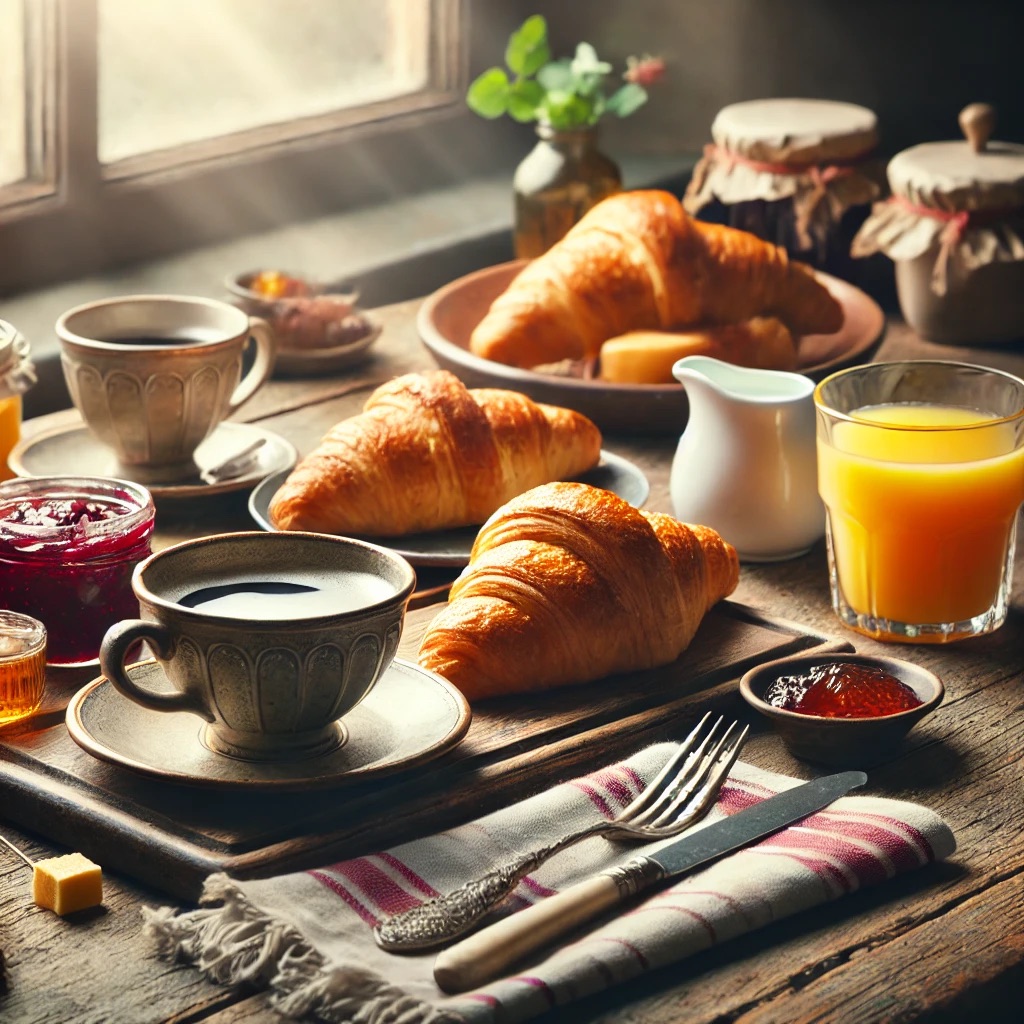
Pickling is a time-honored culinary technique that preserves food while enhancing its flavor. While traditional pickling methods can take weeks or even months, quick pickling offers a speedy alternative that allows you to enjoy delicious pickled vegetables in a fraction of the time. In this guide, we will explore the art of quick pickling, providing you with easy-to-follow techniques, flavor combinations, and tips for success.
What is Quick Pickling?
Quick pickling, also known as refrigerator pickling, involves soaking vegetables in a vinegar-based brine for a short period of time, typically ranging from 30 minutes to a few days. This method results in a tangy, flavorful product that can be enjoyed immediately or stored in the refrigerator for several weeks. Quick pickling is ideal for those who want to enjoy homemade pickles without the long wait associated with traditional canning methods.
Essential Ingredients for Quick Pickling
To get started with quick pickling, you'll need a few essential ingredients:
- Vegetables: Almost any vegetable can be pickled, but popular choices include cucumbers, carrots, radishes, onions, and bell peppers.
- Vinegar: Choose a vinegar with a pleasant flavor and acidity level. Common options include white vinegar, apple cider vinegar, and rice vinegar.
- Salt: Use kosher salt or sea salt to enhance flavor and help preserve the vegetables.
- Sugar: Optional, but sugar can balance the acidity of the vinegar and add a touch of sweetness to your pickles.
- Flavorings: Herbs and spices such as garlic, mustard seeds, dill, coriander seeds, and chili flakes can be added for extra flavor.
Basic Quick Pickling Recipe
Here’s a simple recipe to get you started with quick pickling:
Ingredients:
- 2 cups of your chosen vegetables (sliced or chopped)
- 1 cup vinegar (white or apple cider)
- 1 cup water
- 1 tablespoon kosher salt
- 1 tablespoon sugar (optional)
- Spices and herbs (to taste)
Instructions:
- Prepare your vegetables by washing and cutting them into your desired shape.
- In a saucepan, combine the vinegar, water, salt, and sugar. Heat the mixture over medium heat until the salt and sugar dissolve.
- Add your chosen spices and herbs to the brine.
- Pack the vegetables into a clean jar, leaving some space at the top.
- Pour the hot brine over the vegetables, ensuring they are fully submerged.
- Let the jar cool to room temperature, then seal it and refrigerate.
- Allow the pickles to marinate for at least 30 minutes before enjoying. For best flavor, let them sit for a few hours or overnight.
Flavor Combinations for Quick Pickling
Experimenting with different flavor combinations is one of the joys of quick pickling. Here are some delicious ideas to inspire your pickling adventures:
- Dill Pickles: Add fresh dill and garlic cloves to your brine for classic dill pickles.
- Spicy Pickles: Include red pepper flakes or sliced jalapeños for a spicy kick.
- Sweet and Sour: Use apple cider vinegar, sugar, and add cinnamon sticks for a sweet and tangy flavor.
- Asian-Inspired: Incorporate ginger, sesame seeds, and soy sauce for a unique twist.
- Herb-Infused: Experiment with fresh herbs like basil, thyme, or rosemary for an aromatic touch.
Tips for Successful Quick Pickling
To ensure your quick pickling experience is a success, keep these tips in mind:
- Use fresh, high-quality vegetables: The fresher the veggies, the better your pickles will taste.
- Adjust the brine to your taste: Feel free to tweak the ratio of vinegar, water, salt, and sugar to suit your preference.
- Experiment with timing: The longer the vegetables sit in the brine, the more flavorful they will become. However, don't let them sit too long, as they can become overly soft.
- Store properly: Keep your quick pickles in a sealed jar in the refrigerator and consume them within a few weeks for the best quality.
Creative Uses for Quick Pickles
Quick pickles are not just a tasty snack; they can elevate a variety of dishes. Here are some creative ways to use them:
- Salads: Add quick pickles to salads for an extra crunch and burst of flavor.
- Tacos and Sandwiches: Use pickled vegetables as toppings for tacos, sandwiches, or burgers to add a tangy contrast.
- Charcuterie Boards: Include quick pickles on your charcuterie board for a pop of color and flavor.
- Rice and Grain Bowls: Toss quick pickles into rice or grain bowls for a refreshing crunch.
Conclusion
Quick pickling is a fun and accessible way to add flavor to your meals while preserving seasonal vegetables. With just a few simple ingredients and techniques, you can create a variety of delicious pickles in no time. So grab your favorite vegetables, experiment with different flavors, and enjoy the tangy goodness of quick pickles!
Related articles
 The Art of Fermenting
A Beginner's Guide to Preserving Food
 Pickling 101
Essential Techniques for Flavorful Preservation
 Fermentation vs. Pickling
Understanding the Differences
 5 Reasons to Start Fermenting Your Own Vegetables
 Exploring Different Types of Pickles Around the World
 The Health Benefits of Fermented Foods
What You Need to Know
 Creative Pickling Recipes
Beyond Cucumbers
 Fermenting Basics
Tools and Ingredients You Need
 How to Create a Flavorful Fermented Hot Sauce at Home
 The Science of Fermentation
How Microbes Work for Us
 A Guide to Quick Pickling
Fast and Flavorful Techniques
 From Sauerkraut to Kimchi
Fermented Classics You Can Make
 Exploring the Flavor Profiles of Different Fermented Foods
 Fermented Beverages
Homemade Kombucha and Beyond
 Pickling for Beginners
Step-by-Step Instructions
 The Cultural Significance of Fermentation and Pickling
 Sustainable Eating
How Fermenting and Pickling Reduce Food Waste
 Fermented Foods
A Tasty Way to Boost Your Gut Health
 The Best Vegetables for Fermentation
A Comprehensive Guide
 How to Use Pickles in Your Culinary Creations
 Creating Your Own Fermentation Station at Home
 The History of Fermentation and Pickling
A Culinary Journey
 Exploring Fermentation
Recipes for Seasonal Ingredients
 The Benefits of Fermenting Herbs and Spices
 Pickling Fruits
Sweet and Savory Recipes to Try
 Fermenting for Flavor
Enhancing Dishes with Homemade Ferments
 The Role of Salt in Fermentation and Pickling
 Pickling and Fermenting for a Flavorful Pantry
 How to Host a Fermentation and Pickling Workshop
 Fermentation Myths
Debunking Common Misconceptions
 Innovative Pickling Techniques
Experimenting with Flavors
 Fermenting for Flavor
Pairing Examples for Every Dish
 The Best Containers for Fermenting and Pickling
 A Year of Preserving
Seasonal Fermenting and Pickling Projects
Fermented Foods and Their Role in Global Cuisines
The Joy of Fermenting
Community and Connection Through Food
Tips for Successful Fermentation
Troubleshooting Common Issues
Pairing Wine with Fermented and Pickled Foods
Fermentation and Pickling for Beginners
Your First Batch
The Environmental Impact of Fermenting and Pickling
Fermented Foods for Every Season
Recipes and Ideas
The Future of Food Preservation
Trends in Fermentation and Pickling
Fermenting and Pickling
A Path to Culinary Creativity
Understanding pH Levels in Fermentation and Pickling
The Best Spices for Fermentation and Pickling
Fermentation for Flavor
Enhancing Sauces and Dressings
Pickling Techniques
Traditional vs. Modern Methods
Fermenting with Kids
Fun Projects for the Whole Family
Fermentation and Pickling
Recipes for Preserving Summer's Bounty
The Benefits of Fermenting Grains
Exploring Sourdough and More
Categories


