The art of cooking
AI CHEF Blog

The Best Vegetables for Fermentation: A Comprehensive Guide
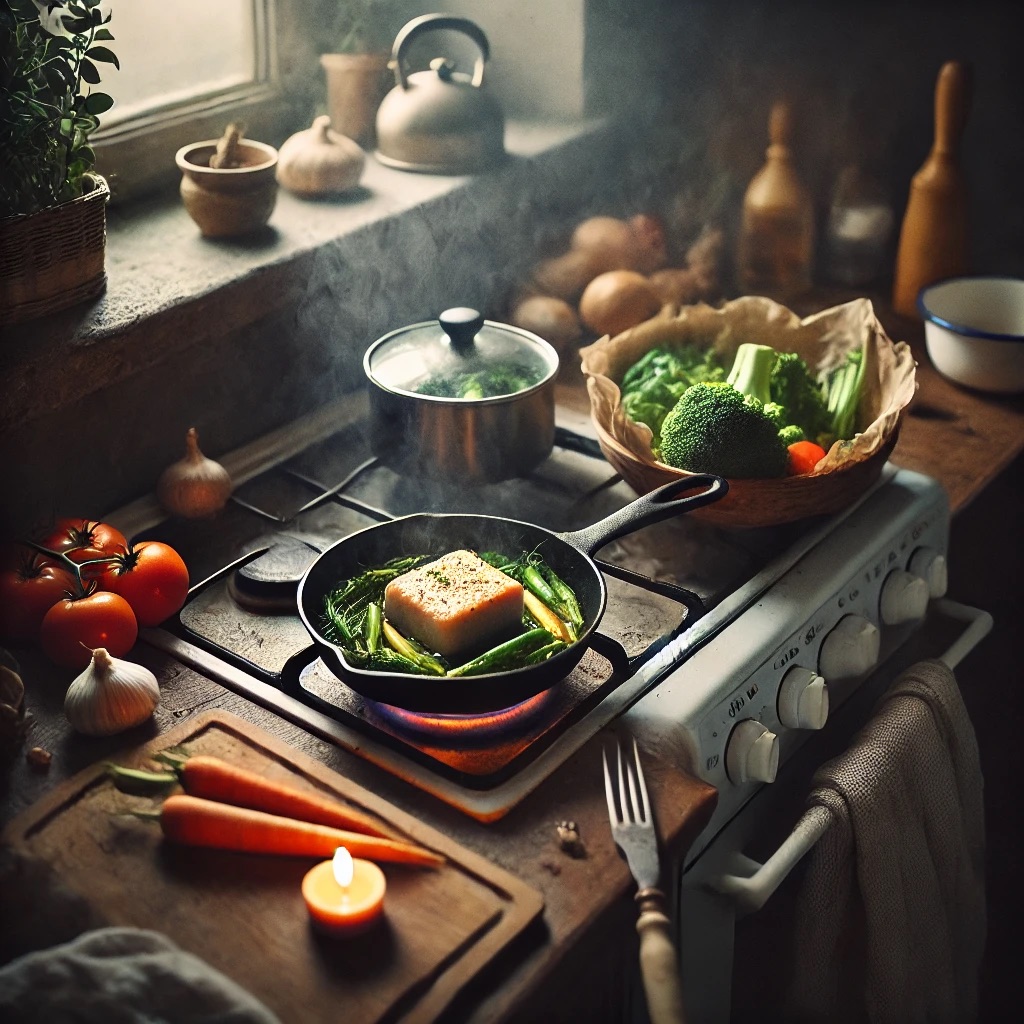
Fermentation is an age-old technique that not only preserves food but also enhances its nutritional value and flavor. As more people become interested in gut health and natural food processes, fermentation has gained popularity in home kitchens. However, not all vegetables are created equal when it comes to fermentation. In this guide, we’ll explore the best vegetables for fermentation, their benefits, and how to prepare them for this delicious process.
Understanding Fermentation
Fermentation is a metabolic process that converts sugar to acids, gases, or alcohol using microorganisms like bacteria, yeast, or molds. In the context of vegetables, lactic acid fermentation is the most common method, where beneficial bacteria convert sugars in the vegetables into lactic acid. This process not only preserves the vegetables but also adds probiotics, which are known for promoting gut health.
Why Ferment Vegetables?
- Health Benefits: Fermented vegetables are rich in probiotics, which can improve digestion, boost the immune system, and enhance overall gut health.
- Flavor Enhancement: Fermentation adds complex flavors and textures to vegetables, making them more enjoyable to eat.
- Preservation: Fermentation extends the shelf life of vegetables, allowing you to enjoy seasonal produce year-round.
- Nutritional Boost: Fermentation can increase the bioavailability of certain nutrients, making them easier for your body to absorb.
The Best Vegetables for Fermentation
While many vegetables can be fermented, some stand out due to their flavor profiles, texture, and fermentation success. Here’s a comprehensive list of the best vegetables for fermentation:
1. Cabbage
Cabbage is the cornerstone of many fermented dishes, particularly sauerkraut. Its high sugar and water content make it an ideal candidate for fermentation. Cabbage also contains natural preservatives, which contribute to its longevity. The process of fermenting cabbage enhances its flavor, transforming it into a tangy and crunchy delight.
2. Carrots
Carrots are naturally sweet and add a wonderful crunch to fermented dishes. They can be fermented alone or combined with other vegetables. Carrots also provide a vibrant color and a satisfying texture, making them a favorite for many fermentation enthusiasts.
3. Beets
Beets are not only visually stunning but also packed with nutrients. Their earthy sweetness comes through beautifully during fermentation. Pickled beets are a popular fermented dish, and they can be used in salads, sandwiches, or as a side dish.
4. Radishes
Radishes, especially daikon radishes, are great for fermentation due to their crispness and mild heat. They can add a spicy kick to fermented dishes and are often used in kimchi. Their high water content helps create a brine that promotes successful fermentation.
5. Cucumbers
Cucumbers are the star of pickling and are a staple in many fermented recipes. Their mild flavor and crunchy texture make them perfect for brining. Fermented cucumbers develop a tangy flavor that pairs well with sandwiches, salads, and charcuterie boards.
6. Garlic
Garlic adds a robust flavor and numerous health benefits to fermented vegetables. It can be added to various fermentation recipes, enhancing the overall taste and providing additional probiotics. Fermented garlic can be a delicious addition to dressings, dips, and sauces.
7. Green Beans
Green beans maintain their crunchiness when fermented, making them a delightful snack. They can be fermented alone or combined with other vegetables for added flavor. Fermented green beans can also be used in salads or as a side dish.
8. Peppers
Bell peppers and hot peppers alike can be fermented to create flavorful condiments and salsas. The fermentation process enhances their natural sweetness and adds a punch of flavor. Fermented peppers can be enjoyed as a topping or blended into sauces.
9. Onions
Onions are not only flavorful but also rich in prebiotics, making them an excellent choice for fermentation. They can be fermented whole, sliced, or diced, and their tangy sweetness brings complexity to dishes. Fermented onions can be used in salads, sandwiches, and as toppings for various meals.
10. Cauliflower
Cauliflower is another versatile vegetable that ferments well. Its mild flavor can take on various spices and seasonings, making it a great addition to fermented dishes. Fermented cauliflower can be used in salads, as a side dish, or even as a pizza topping.
Getting Started with Fermentation
Now that you know the best vegetables for fermentation, let’s discuss how to get started. Here’s a simple guide to fermenting vegetables at home:
Ingredients and Tools
- Fresh vegetables of your choice
- Non-iodized salt (such as sea salt or kosher salt)
- Filtered water
- A clean glass jar or fermentation crock
- A weight (to keep vegetables submerged)
- A lid or cloth for covering
Basic Fermentation Steps
- Prepare the Vegetables: Wash and chop your vegetables into the desired size. You can choose to slice, shred, or leave them whole, depending on the vegetable.
- Make the Brine: Dissolve salt in filtered water to create a brine. A common ratio is 1-3 tablespoons of salt per quart of water, but this can vary based on preference.
- Pack the Jar: Place the prepared vegetables into the glass jar or crock, packing them tightly to minimize air pockets.
- Add the Brine: Pour the brine over the vegetables until they are fully submerged. Leave some space at the top of the jar for expansion.
- Add Weights: Use a weight to keep the vegetables submerged in the brine. This helps prevent mold and ensures proper fermentation.
- Cover the Jar: Cover the jar with a lid or cloth to allow gases to escape while keeping contaminants out.
- Ferment: Store the jar at room temperature, away from direct sunlight, for several days to weeks, depending on the vegetable and your taste preference. Taste periodically to find your desired flavor.
- Store in the Fridge: Once fermented to your liking, transfer the jar to the fridge to slow down the fermentation process.
Conclusion
Fermentation is a fun and rewarding way to enjoy vegetables while boosting their health benefits. With a variety of vegetables to choose from, you can experiment with different flavors and textures to find your favorites. Whether you’re making sauerkraut, pickles, or kimchi, the possibilities for fermentation are endless. So gather your vegetables, get creative, and start your fermentation journey!
Related articles
 The Art of Fermenting
A Beginner's Guide to Preserving Food
 Pickling 101
Essential Techniques for Flavorful Preservation
 Fermentation vs. Pickling
Understanding the Differences
 5 Reasons to Start Fermenting Your Own Vegetables
 Exploring Different Types of Pickles Around the World
 The Health Benefits of Fermented Foods
What You Need to Know
 Creative Pickling Recipes
Beyond Cucumbers
 Fermenting Basics
Tools and Ingredients You Need
 How to Create a Flavorful Fermented Hot Sauce at Home
 The Science of Fermentation
How Microbes Work for Us
 A Guide to Quick Pickling
Fast and Flavorful Techniques
 From Sauerkraut to Kimchi
Fermented Classics You Can Make
 Exploring the Flavor Profiles of Different Fermented Foods
 Fermented Beverages
Homemade Kombucha and Beyond
 Pickling for Beginners
Step-by-Step Instructions
 The Cultural Significance of Fermentation and Pickling
 Sustainable Eating
How Fermenting and Pickling Reduce Food Waste
 Fermented Foods
A Tasty Way to Boost Your Gut Health
 The Best Vegetables for Fermentation
A Comprehensive Guide
 How to Use Pickles in Your Culinary Creations
 Creating Your Own Fermentation Station at Home
 The History of Fermentation and Pickling
A Culinary Journey
 Exploring Fermentation
Recipes for Seasonal Ingredients
 The Benefits of Fermenting Herbs and Spices
 Pickling Fruits
Sweet and Savory Recipes to Try
 Fermenting for Flavor
Enhancing Dishes with Homemade Ferments
 The Role of Salt in Fermentation and Pickling
 Pickling and Fermenting for a Flavorful Pantry
 How to Host a Fermentation and Pickling Workshop
 Fermentation Myths
Debunking Common Misconceptions
 Innovative Pickling Techniques
Experimenting with Flavors
 Fermenting for Flavor
Pairing Examples for Every Dish
 The Best Containers for Fermenting and Pickling
 A Year of Preserving
Seasonal Fermenting and Pickling Projects
Fermented Foods and Their Role in Global Cuisines
The Joy of Fermenting
Community and Connection Through Food
Tips for Successful Fermentation
Troubleshooting Common Issues
Pairing Wine with Fermented and Pickled Foods
Fermentation and Pickling for Beginners
Your First Batch
The Environmental Impact of Fermenting and Pickling
Fermented Foods for Every Season
Recipes and Ideas
The Future of Food Preservation
Trends in Fermentation and Pickling
Fermenting and Pickling
A Path to Culinary Creativity
Understanding pH Levels in Fermentation and Pickling
The Best Spices for Fermentation and Pickling
Fermentation for Flavor
Enhancing Sauces and Dressings
Pickling Techniques
Traditional vs. Modern Methods
Fermenting with Kids
Fun Projects for the Whole Family
Fermentation and Pickling
Recipes for Preserving Summer's Bounty
The Benefits of Fermenting Grains
Exploring Sourdough and More
Categories


