The art of cooking
AI CHEF Blog

How to Use Pickles in Your Culinary Creations
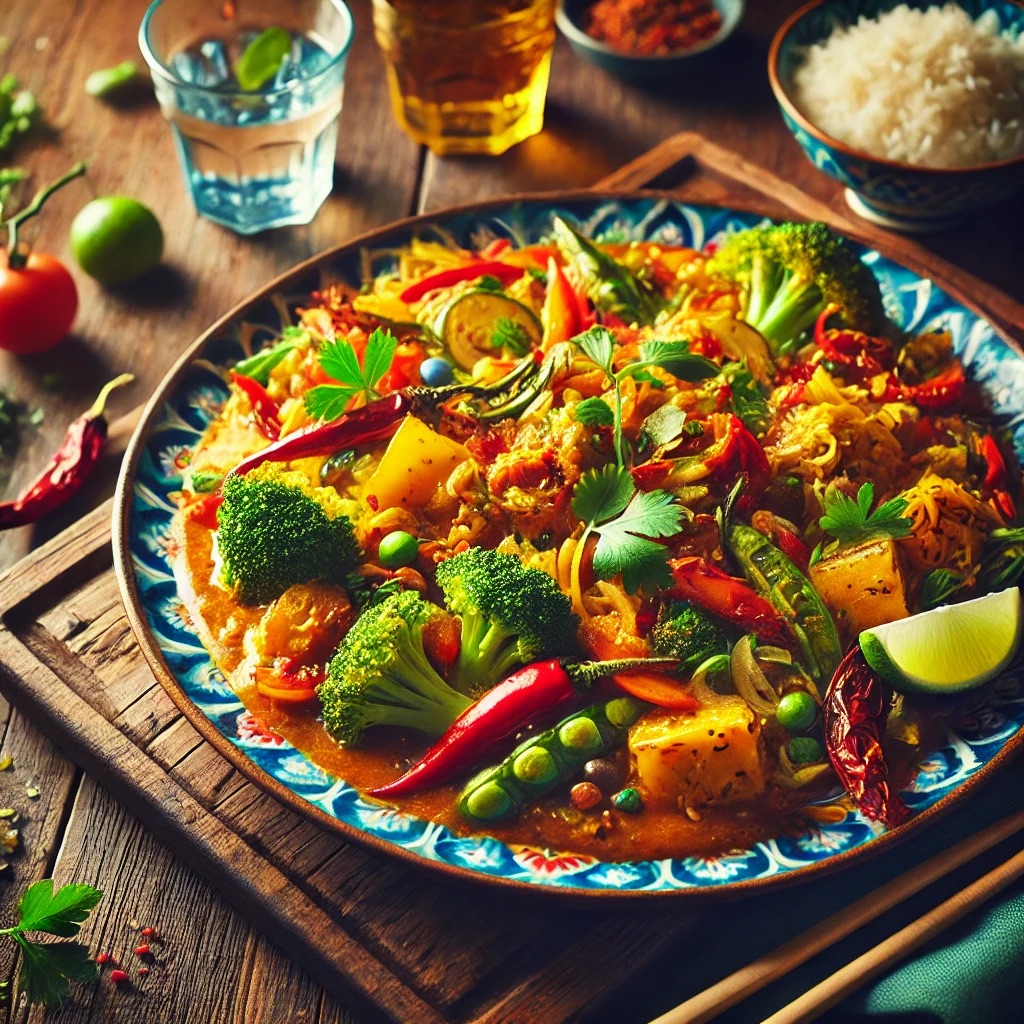
Pickles are not just a condiment; they are a versatile ingredient that can elevate your culinary creations in unexpected ways. From enhancing flavors to adding texture, pickles can be a game-changer in your kitchen. In this blog post, we will explore the different types of pickles, how to incorporate them into various dishes, and some creative recipes to inspire your next meal.
The Versatility of Pickles
Pickles come in various forms, including cucumber pickles, pickled vegetables, and even fruits. They are typically made through a process of fermentation or brining, which gives them their distinctive tangy flavor. Here are a few types of pickles you might consider:
- Dill Pickles: These are cucumbers pickled in a vinegar solution with dill, garlic, and spices. They are commonly used on sandwiches and burgers.
- Sweet Pickles: These pickles are made with a sweet brine, often containing sugar and spices. They pair well with cheeses and charcuterie boards.
- Bread and Butter Pickles: A type of sweet pickle often used in sandwiches and as a side dish.
- Pickled Vegetables: Carrots, radishes, and cauliflower can be pickled to add crunch and flavor to salads and bowls.
- Fruit Pickles: Fruits like watermelon and peaches can be pickled for a unique sweet and tangy addition to desserts or cheese platters.
Incorporating Pickles into Your Dishes
Now that you know the different types of pickles, let’s explore how to incorporate them into your culinary creations:
1. Sandwiches and Wraps
Pickles are a classic addition to sandwiches and wraps. They add a crunch and a burst of flavor that can enhance the overall taste. Whether you’re making a classic deli sandwich or a vegetarian wrap, slices of dill pickles can make a significant difference.
2. Salads
Pickles can add a unique twist to salads. Chopped dill pickles can be mixed into potato salad, egg salad, or tuna salad for an extra layer of flavor. You can also add pickled vegetables to green salads for texture and acidity.
3. Tacos and Burritos
Adding pickled jalapeños or onions to tacos can elevate the dish with their spicy and tangy notes. For burritos, consider adding sweet pickles or bread and butter pickles for a surprising flavor contrast.
4. Charcuterie Boards
Pickles are a staple on charcuterie boards. They offer a savory counterpoint to rich cheeses and meats. Consider including a variety of pickles to provide different textures and flavors, from sour dill pickles to sweet bread and butter pickles.
5. Burgers
Nothing beats the crunch of a pickle on a burger. Whether you prefer classic dill slices or sweet pickles, they can enhance the flavor profile of your burger. Try stacking them on top of your favorite toppings for added texture.
6. Dips and Spreads
Chopped pickles can be incorporated into dips and spreads. Mix finely chopped dill pickles into cream cheese for a delicious spread that pairs perfectly with crackers or vegetables. Alternatively, you can make a tangy pickle dip with sour cream and herbs.
7. Soups and Stews
Adding pickles to soups and stews can enhance the overall flavor. A dollop of pickle relish can brighten up a potato soup, while pickled vegetables can add acidity to a hearty stew.
Creative Recipes Using Pickles
Now that you have some ideas on how to use pickles, let’s dive into a couple of creative recipes that showcase their versatility:
1. Pickle-Brined Fried Chicken
Brining chicken in pickle juice adds flavor and tenderness. Here’s how to make it:
- Ingredients:
- 4 chicken thighs (bone-in, skin-on)
- 1 cup pickle juice
- 1 cup buttermilk
- 1 cup flour
- Salt and pepper to taste
- Oil for frying
- Instructions:
- Combine pickle juice and buttermilk in a bowl and add chicken. Marinate for at least 4 hours or overnight.
- In a separate bowl, mix flour, salt, and pepper. Dredge the marinated chicken in the flour mixture.
- Heat oil in a skillet over medium heat. Fry the chicken until golden brown and cooked through, about 6-8 minutes per side.
- Drain on paper towels and serve hot.
2. Pickled Vegetable Salad
This refreshing salad is perfect for summer and adds crunch to any meal.
- Ingredients:
- 1 cup pickled carrots
- 1 cup pickled radishes
- 1 cucumber, sliced
- 2 tablespoons olive oil
- 1 tablespoon apple cider vinegar
- Salt and pepper to taste
- Fresh herbs (dill or parsley) for garnish
- Instructions:
- In a large bowl, combine pickled carrots, pickled radishes, and cucumber.
- In a small bowl, whisk together olive oil, apple cider vinegar, salt, and pepper.
- Pour the dressing over the vegetables and toss to coat.
- Garnish with fresh herbs before serving.
3. Sweet Pickle Relish
This homemade relish is perfect for topping burgers or serving alongside hot dogs.
- Ingredients:
- 4 cups diced cucumbers
- 1 cup diced onions
- 1 cup diced bell peppers
- 2 cups sugar
- 1 cup vinegar
- 1 tablespoon mustard seeds
- 1 teaspoon celery seeds
- Salt to taste
- Instructions:
- In a large bowl, combine cucumbers, onions, and bell peppers. Sprinkle with salt and let sit for 1 hour.
- Rinse the vegetables and drain well.
- In a pot, combine sugar, vinegar, mustard seeds, and celery seeds. Bring to a boil and stir until the sugar dissolves.
- Add the drained vegetables to the pot and simmer for 10-15 minutes.
- Pack the relish into sterilized jars and seal. Store in the refrigerator for up to a month.
Conclusion
Pickles are a delightful addition to any kitchen, offering a unique flavor and texture that can enhance a wide variety of dishes. From sandwiches to salads, and even fried chicken, the possibilities are endless. So, the next time you’re looking to spice up your meals, don’t overlook the humble pickle. Experiment with different types and find new ways to incorporate them into your culinary creations!
Related articles
 The Art of Fermenting
A Beginner's Guide to Preserving Food
 Pickling 101
Essential Techniques for Flavorful Preservation
 Fermentation vs. Pickling
Understanding the Differences
 5 Reasons to Start Fermenting Your Own Vegetables
 Exploring Different Types of Pickles Around the World
 The Health Benefits of Fermented Foods
What You Need to Know
 Creative Pickling Recipes
Beyond Cucumbers
 Fermenting Basics
Tools and Ingredients You Need
 How to Create a Flavorful Fermented Hot Sauce at Home
 The Science of Fermentation
How Microbes Work for Us
 A Guide to Quick Pickling
Fast and Flavorful Techniques
 From Sauerkraut to Kimchi
Fermented Classics You Can Make
 Exploring the Flavor Profiles of Different Fermented Foods
 Fermented Beverages
Homemade Kombucha and Beyond
 Pickling for Beginners
Step-by-Step Instructions
 The Cultural Significance of Fermentation and Pickling
 Sustainable Eating
How Fermenting and Pickling Reduce Food Waste
 Fermented Foods
A Tasty Way to Boost Your Gut Health
 The Best Vegetables for Fermentation
A Comprehensive Guide
 How to Use Pickles in Your Culinary Creations
 Creating Your Own Fermentation Station at Home
 The History of Fermentation and Pickling
A Culinary Journey
 Exploring Fermentation
Recipes for Seasonal Ingredients
 The Benefits of Fermenting Herbs and Spices
 Pickling Fruits
Sweet and Savory Recipes to Try
 Fermenting for Flavor
Enhancing Dishes with Homemade Ferments
 The Role of Salt in Fermentation and Pickling
 Pickling and Fermenting for a Flavorful Pantry
 How to Host a Fermentation and Pickling Workshop
 Fermentation Myths
Debunking Common Misconceptions
 Innovative Pickling Techniques
Experimenting with Flavors
 Fermenting for Flavor
Pairing Examples for Every Dish
 The Best Containers for Fermenting and Pickling
 A Year of Preserving
Seasonal Fermenting and Pickling Projects
Fermented Foods and Their Role in Global Cuisines
The Joy of Fermenting
Community and Connection Through Food
Tips for Successful Fermentation
Troubleshooting Common Issues
Pairing Wine with Fermented and Pickled Foods
Fermentation and Pickling for Beginners
Your First Batch
The Environmental Impact of Fermenting and Pickling
Fermented Foods for Every Season
Recipes and Ideas
The Future of Food Preservation
Trends in Fermentation and Pickling
Fermenting and Pickling
A Path to Culinary Creativity
Understanding pH Levels in Fermentation and Pickling
The Best Spices for Fermentation and Pickling
Fermentation for Flavor
Enhancing Sauces and Dressings
Pickling Techniques
Traditional vs. Modern Methods
Fermenting with Kids
Fun Projects for the Whole Family
Fermentation and Pickling
Recipes for Preserving Summer's Bounty
The Benefits of Fermenting Grains
Exploring Sourdough and More
Categories


