The art of cooking
AI CHEF Blog

Innovative Pickling Techniques: Experimenting with Flavors
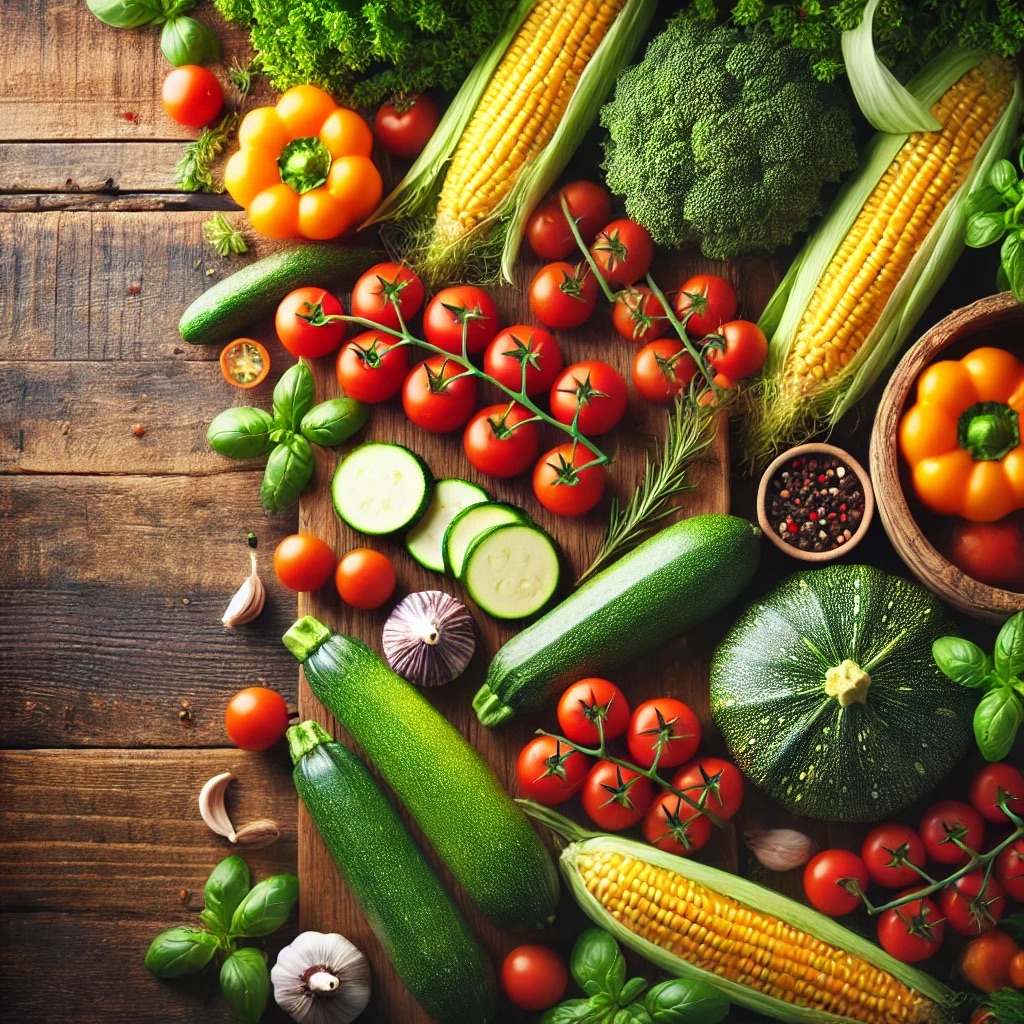
Pickling is a time-honored method of preserving food, but it’s not just about keeping vegetables from spoiling. It’s about enhancing flavors, exploring new combinations, and adding a creative twist to your culinary repertoire. In this blog post, we’ll explore some innovative pickling techniques that allow you to experiment with flavors, transforming ordinary ingredients into extraordinary taste experiences.
The Basics of Pickling
Before we dive into innovative techniques, let’s quickly review the basics of pickling. At its core, pickling involves immersing food in a brine or acidic solution that inhibits spoilage and enhances flavor. Traditional pickling methods typically use vinegar, salt, and water, but the potential combinations are vast.
1. Fermentation: The Art of Natural Pickling
One of the most innovative pickling techniques is fermentation. Unlike traditional pickling, which relies on vinegar, fermentation uses beneficial bacteria to preserve food and enrich its flavor profile. Think of kimchi or sauerkraut—these dishes not only provide a unique taste but also offer health benefits through probiotics.
To experiment with fermentation, start with a simple recipe. Consider fermenting vegetables like cucumbers, carrots, or radishes. Use a saltwater brine (typically 2-3% salt) and allow the vegetables to ferment at room temperature for a few days to a week, depending on the desired tanginess. Add spices, garlic, or even fruits to create unique flavors.
2. Infusing with Herbs and Spices
Another innovative technique is flavor infusion. By adding herbs, spices, or even citrus peels to your pickling brine, you can create a multitude of flavor profiles. Imagine dill pickles infused with fresh basil or garlic pickles with a hint of chili.
To infuse flavors, simply heat your vinegar solution and add the desired ingredients. Allow it to cool, strain out the solids, and then use the infused brine for your pickling. The possibilities are endless: rosemary, thyme, black peppercorns, or even floral notes from lavender can all elevate your pickling game.
3. Sweet and Savory Combinations
Don’t be afraid to experiment with sweet and savory combinations. Adding fruits like apples, pears, or even pineapple to your pickles can create a delightful contrast. For instance, pickled red onions with a hint of maple syrup or spicy jalapeño pickles balanced with mango can surprise and delight your palate.
When crafting sweet and savory pickles, adjust the sugar and salt levels to achieve the perfect balance. This technique works well for pickling fruits, vegetables, and even meats. Consider trying pickled watermelon rind or carrots with a dash of honey for a unique twist.
4. Global Inspirations: International Pickling Techniques
Explore international pickling methods to expand your flavor horizons. Every culture has its unique approach to pickling, and you can draw inspiration from these traditions. For example, Japanese tsukemono often includes ingredients like miso or soy sauce, while Indian pickles might incorporate mustard oil and a variety of spices.
Try making your own version of Korean pickled radish, known as danmuji, by using a mixture of vinegar, sugar, and turmeric. Or create a Middle Eastern-style pickled vegetable medley with a blend of vinegar, spices, and garlic. The key is to adapt these methods to your taste preferences and local ingredients.
5. Creative Presentation and Pairing
Don’t overlook the importance of presentation and pairing. Innovative pickling is not just about the flavors; it’s also about how you serve and enjoy your pickled creations. Consider using colorful jars, layering vegetables for visual appeal, or even creating a pickled vegetable platter to showcase your work.
Pair your pickles with cheeses, meats, or even in sandwiches and salads. Pickled elements can elevate a dish, adding acidity and depth. For example, a simple grilled cheese sandwich becomes gourmet when paired with spicy pickled jalapeños or tangy pickled red onions.
6. Experimenting with Different Liquids
While vinegar is the traditional pickling liquid, don’t be afraid to experiment with other liquids. Consider using fruit juices, kombucha, or even beer as your pickling base. These alternative liquids can impart unique flavors and aromas to your pickled goods.
For instance, pickling cucumbers in apple cider or ginger beer can add a refreshing twist. Similarly, using a citrus juice base can create bright, zesty pickles that are perfect for summer dishes.
7. Seasonal Pickling: Embracing Fresh Ingredients
One of the joys of pickling is the ability to preserve seasonal ingredients. Take advantage of farmers’ markets and seasonal produce to experiment with pickling. Whether it’s summer squash, autumn root vegetables, or winter citrus, each season offers unique ingredients to explore.
Try making quick pickled summer squash with fresh herbs or pickling fall root vegetables like carrots and beets. Seasonal pickling not only enhances the flavors of your dishes but also allows you to connect with the changing landscape of food throughout the year.
Conclusion
Pickling is an art that encourages creativity and experimentation. By exploring innovative pickling techniques, you can enhance your culinary skills and discover new flavor combinations that excite your taste buds. Whether you prefer fermentation, infusion, or global inspirations, the world of pickling offers endless possibilities.
So, gather your favorite vegetables, fruits, and spices, and embark on a flavorful pickling journey. Remember, the key to successful pickling is to have fun and let your creativity shine.
Related articles
 The Art of Fermenting
A Beginner's Guide to Preserving Food
 Pickling 101
Essential Techniques for Flavorful Preservation
 Fermentation vs. Pickling
Understanding the Differences
 5 Reasons to Start Fermenting Your Own Vegetables
 Exploring Different Types of Pickles Around the World
 The Health Benefits of Fermented Foods
What You Need to Know
 Creative Pickling Recipes
Beyond Cucumbers
 Fermenting Basics
Tools and Ingredients You Need
 How to Create a Flavorful Fermented Hot Sauce at Home
 The Science of Fermentation
How Microbes Work for Us
 A Guide to Quick Pickling
Fast and Flavorful Techniques
 From Sauerkraut to Kimchi
Fermented Classics You Can Make
 Exploring the Flavor Profiles of Different Fermented Foods
 Fermented Beverages
Homemade Kombucha and Beyond
 Pickling for Beginners
Step-by-Step Instructions
 The Cultural Significance of Fermentation and Pickling
 Sustainable Eating
How Fermenting and Pickling Reduce Food Waste
 Fermented Foods
A Tasty Way to Boost Your Gut Health
 The Best Vegetables for Fermentation
A Comprehensive Guide
 How to Use Pickles in Your Culinary Creations
 Creating Your Own Fermentation Station at Home
 The History of Fermentation and Pickling
A Culinary Journey
 Exploring Fermentation
Recipes for Seasonal Ingredients
 The Benefits of Fermenting Herbs and Spices
 Pickling Fruits
Sweet and Savory Recipes to Try
 Fermenting for Flavor
Enhancing Dishes with Homemade Ferments
 The Role of Salt in Fermentation and Pickling
 Pickling and Fermenting for a Flavorful Pantry
 How to Host a Fermentation and Pickling Workshop
 Fermentation Myths
Debunking Common Misconceptions
 Innovative Pickling Techniques
Experimenting with Flavors
 Fermenting for Flavor
Pairing Examples for Every Dish
 The Best Containers for Fermenting and Pickling
 A Year of Preserving
Seasonal Fermenting and Pickling Projects
Fermented Foods and Their Role in Global Cuisines
The Joy of Fermenting
Community and Connection Through Food
Tips for Successful Fermentation
Troubleshooting Common Issues
Pairing Wine with Fermented and Pickled Foods
Fermentation and Pickling for Beginners
Your First Batch
The Environmental Impact of Fermenting and Pickling
Fermented Foods for Every Season
Recipes and Ideas
The Future of Food Preservation
Trends in Fermentation and Pickling
Fermenting and Pickling
A Path to Culinary Creativity
Understanding pH Levels in Fermentation and Pickling
The Best Spices for Fermentation and Pickling
Fermentation for Flavor
Enhancing Sauces and Dressings
Pickling Techniques
Traditional vs. Modern Methods
Fermenting with Kids
Fun Projects for the Whole Family
Fermentation and Pickling
Recipes for Preserving Summer's Bounty
The Benefits of Fermenting Grains
Exploring Sourdough and More
Categories