The art of cooking
AI CHEF Blog

Fermenting for Flavor: Pairing Examples for Every Dish
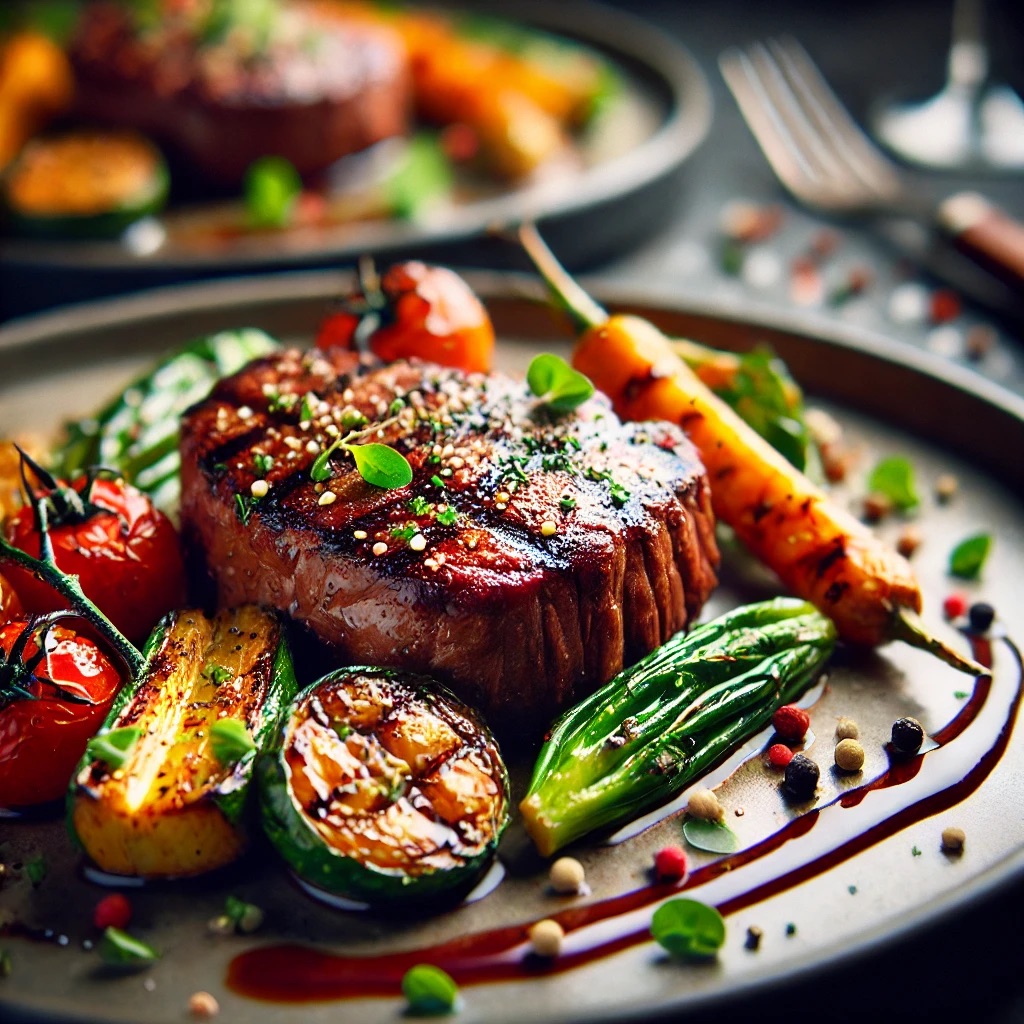
Fermentation is an ancient culinary technique that has stood the test of time, not only for its ability to preserve food but also for the incredible depth of flavor it brings to dishes. From tangy pickles to savory miso, the process of fermentation transforms ingredients, enhancing their taste and nutritional profile. In this post, we’ll explore various fermentation methods and provide pairing examples for every type of dish, allowing you to elevate your cooking game.
Understanding Fermentation
Fermentation is the process where microorganisms like bacteria, yeast, and molds break down sugars and starches, resulting in the production of acids, gases, or alcohol. This process not only imparts unique flavors but also creates probiotics that can benefit gut health. Common fermented foods include:
- Yogurt
- Kefir
- Sauerkraut
- Kimchi
- Miso
- Sourdough bread
- Kombucha
Fermented Pairings for Every Dish
Let’s delve into specific dishes and find out how fermented ingredients can enhance their flavor profiles.
1. Breakfast Dishes
Pairing: Yogurt and fresh fruits
Start your day with a bowl of creamy yogurt topped with seasonal fruits. The tartness of yogurt pairs beautifully with the sweetness of fruits, creating a balanced breakfast. You can also add a drizzle of honey or a sprinkle of granola for extra texture.
Pairing: Sourdough toast with avocado
The nutty flavor of sourdough bread complements the creaminess of ripe avocado. Add a sprinkle of fermented chili paste for a spicy kick and a squeeze of lemon to brighten the dish.
2. Salads
Pairing: Kimchi and mixed greens
Kimchi adds a spicy, tangy punch to any salad. Toss it with mixed greens, cucumbers, and radishes for a refreshing yet bold dish. A sesame dressing will tie all the flavors together.
Pairing: Fermented feta cheese with roasted vegetables
Use fermented feta cheese to add a creamy, salty element to roasted vegetables. The tanginess of the feta enhances the sweetness of the roasted produce, making for a delightful side dish or main course.
3. Soups and Stews
Pairing: Miso and vegetable soup
Miso paste, made from fermented soybeans, adds umami depth to vegetable soups. Simply dissolve miso into a hot broth, and add your choice of vegetables and tofu for a nourishing meal.
Pairing: Sauerkraut in potato soup
Add sauerkraut to potato soup for a unique twist. The acidity from the kraut balances the creaminess of the potatoes, creating a comforting yet intriguing dish.
4. Main Courses
Pairing: Fermented barbecue sauce with grilled meats
Use a fermented barbecue sauce to marinate your meats before grilling. The fermentation process breaks down proteins, making the meat more tender while adding complex flavors that elevate your barbecue experience.
Pairing: Fish tacos with pickled onions
Top your fish tacos with pickled onions for a crunchy, tangy contrast. The acidity from the pickles cuts through the richness of the fish and enhances the overall flavor profile of the dish.
5. Side Dishes
Pairing: Pickled vegetables with rice
Serve pickled vegetables as a side dish with rice. The bright acidity of the pickles complements the neutral flavor of the rice, making each bite more exciting. This pairing works particularly well with Asian-inspired dishes.
Pairing: Fermented hot sauce with roasted potatoes
Drizzle fermented hot sauce over roasted potatoes for an extra kick. The heat from the sauce and the crispy texture of the potatoes create a satisfying side dish that will leave your taste buds dancing.
6. Desserts
Pairing: Kefir and fruit parfait
Create a refreshing dessert by layering kefir with granola and fresh fruits. The tangy flavor of kefir contrasts wonderfully with the sweetness of the fruits, resulting in a light and satisfying treat.
Pairing: Fermented chocolate
Explore the world of fermented chocolate for a unique dessert experience. Pair it with berries or nuts to enhance its complex flavors, making it a decadent end to your meal.
Experimenting with Fermentation
The world of fermentation is vast and varied. Don’t hesitate to experiment with different fermented ingredients in your cooking. Here are a few tips to get you started:
- Start small: Incorporate one fermented ingredient at a time to see how it changes the flavor of your dish.
- Balance flavors: Pair fermented ingredients with sweet, salty, and fatty elements to create a harmonious dish.
- Explore different types: Try various fermented products, such as different types of kimchi, yogurt, or vinegars, to find what you enjoy the most.
Conclusion
Fermentation is not just a preservation method; it’s a flavor powerhouse that can elevate any dish. By incorporating fermented ingredients into your meals, you can create harmonious and exciting flavor profiles that will impress your family and friends. So, roll up your sleeves, get creative in the kitchen, and enjoy the delicious world of fermentation!
Related articles
 The Art of Fermenting
A Beginner's Guide to Preserving Food
 Pickling 101
Essential Techniques for Flavorful Preservation
 Fermentation vs. Pickling
Understanding the Differences
 5 Reasons to Start Fermenting Your Own Vegetables
 Exploring Different Types of Pickles Around the World
 The Health Benefits of Fermented Foods
What You Need to Know
 Creative Pickling Recipes
Beyond Cucumbers
 Fermenting Basics
Tools and Ingredients You Need
 How to Create a Flavorful Fermented Hot Sauce at Home
 The Science of Fermentation
How Microbes Work for Us
 A Guide to Quick Pickling
Fast and Flavorful Techniques
 From Sauerkraut to Kimchi
Fermented Classics You Can Make
 Exploring the Flavor Profiles of Different Fermented Foods
 Fermented Beverages
Homemade Kombucha and Beyond
 Pickling for Beginners
Step-by-Step Instructions
 The Cultural Significance of Fermentation and Pickling
 Sustainable Eating
How Fermenting and Pickling Reduce Food Waste
 Fermented Foods
A Tasty Way to Boost Your Gut Health
 The Best Vegetables for Fermentation
A Comprehensive Guide
 How to Use Pickles in Your Culinary Creations
 Creating Your Own Fermentation Station at Home
 The History of Fermentation and Pickling
A Culinary Journey
 Exploring Fermentation
Recipes for Seasonal Ingredients
 The Benefits of Fermenting Herbs and Spices
 Pickling Fruits
Sweet and Savory Recipes to Try
 Fermenting for Flavor
Enhancing Dishes with Homemade Ferments
 The Role of Salt in Fermentation and Pickling
 Pickling and Fermenting for a Flavorful Pantry
 How to Host a Fermentation and Pickling Workshop
 Fermentation Myths
Debunking Common Misconceptions
 Innovative Pickling Techniques
Experimenting with Flavors
 Fermenting for Flavor
Pairing Examples for Every Dish
 The Best Containers for Fermenting and Pickling
 A Year of Preserving
Seasonal Fermenting and Pickling Projects
Fermented Foods and Their Role in Global Cuisines
The Joy of Fermenting
Community and Connection Through Food
Tips for Successful Fermentation
Troubleshooting Common Issues
Pairing Wine with Fermented and Pickled Foods
Fermentation and Pickling for Beginners
Your First Batch
The Environmental Impact of Fermenting and Pickling
Fermented Foods for Every Season
Recipes and Ideas
The Future of Food Preservation
Trends in Fermentation and Pickling
Fermenting and Pickling
A Path to Culinary Creativity
Understanding pH Levels in Fermentation and Pickling
The Best Spices for Fermentation and Pickling
Fermentation for Flavor
Enhancing Sauces and Dressings
Pickling Techniques
Traditional vs. Modern Methods
Fermenting with Kids
Fun Projects for the Whole Family
Fermentation and Pickling
Recipes for Preserving Summer's Bounty
The Benefits of Fermenting Grains
Exploring Sourdough and More
Categories


