The art of cooking
AI CHEF Blog

The Best Containers for Fermenting and Pickling
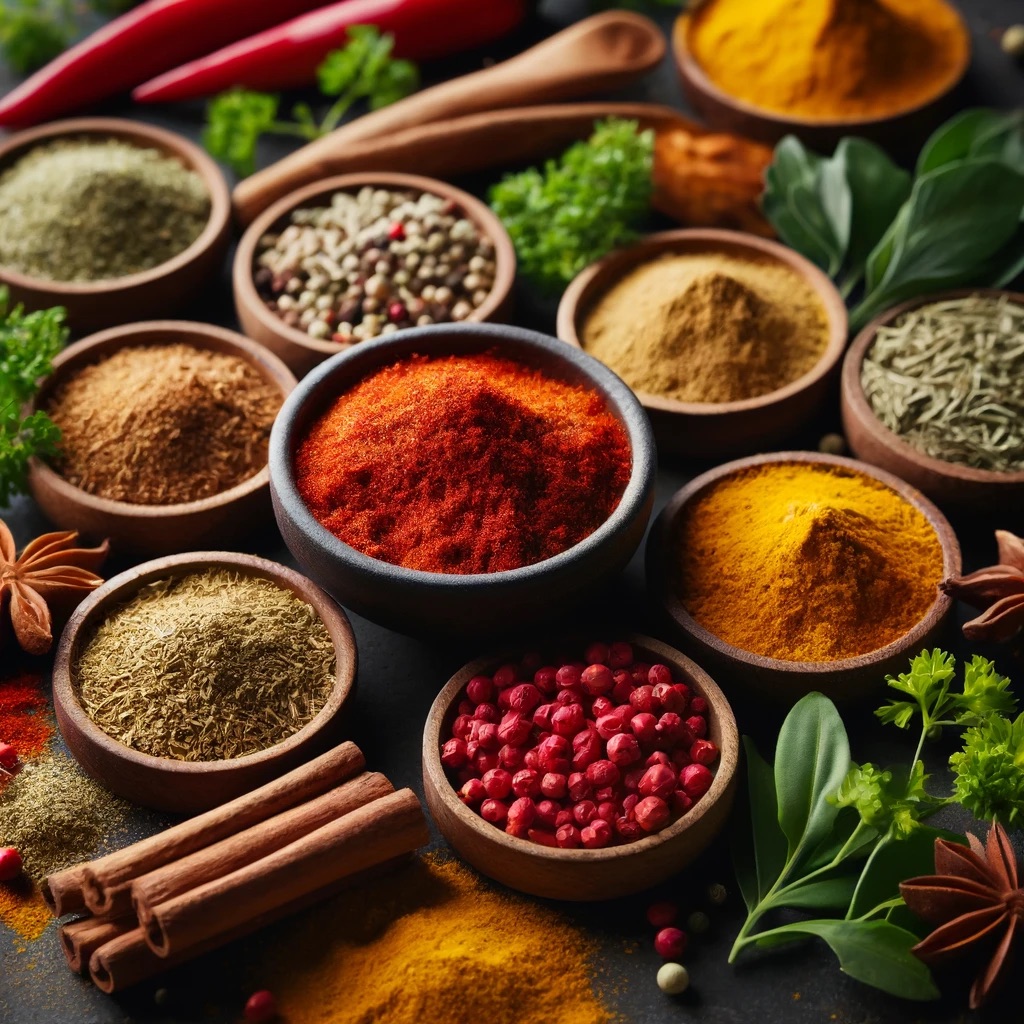
Fermenting and pickling are time-honored methods of food preservation that not only extend the shelf life of various foods but also enhance their flavors and nutritional profiles. Whether you're a seasoned fermenter or a beginner, choosing the right container is crucial for achieving the best results. In this article, we will explore , discuss their pros and cons, and provide tips on how to use them effectively.
Understanding Fermentation and Pickling
Before diving into the types of containers, it’s essential to understand what fermentation and pickling are. Fermentation is a metabolic process that converts sugar to acids, gases, or alcohol using microorganisms such as yeast and bacteria. Pickling, on the other hand, is a preservation method that involves soaking food in a solution of vinegar, brine, or other acidic solutions.
1. Glass Jars
Glass jars are perhaps the most popular choice for home fermenting and pickling. They are non-reactive, easy to clean, and allow you to monitor the progress of fermentation visually.
- Pros:
- Non-reactive material: Glass does not leach chemicals into food.
- Visibility: You can easily check the contents without opening the jar.
- Variety of sizes: Glass jars come in various sizes, making them versatile for different quantities of food.
- Cons:
- Fragility: Glass jars can break easily if dropped.
- Seal limitations: Not all glass jars come with airtight seals, which can be crucial for fermentation.
Popular options include mason jars, which are widely available and come with metal lids that can create a vacuum seal.
2. Ceramic Fermentation Crocks
Ceramic crocks are traditional containers for fermenting vegetables and fruits. They are designed to create an anaerobic environment, which is ideal for fermentation.
- Pros:
- Durability: Ceramic crocks are sturdy and can last for generations.
- Capacity: They come in large sizes, which is great for making big batches of sauerkraut or kimchi.
- Weighted lids: Many ceramic crocks come with weights to keep food submerged in the brine.
- Cons:
- Weight: Ceramic crocks can be heavy and cumbersome.
- Cost: They can be more expensive compared to glass jars.
When using a ceramic crock, be sure to choose one that is food-safe and lead-free.
3. Food-Grade Plastic Containers
Food-grade plastic containers are often used for fermenting and pickling due to their lightweight and shatterproof nature.
- Pros:
- Durable: Less likely to break compared to glass.
- Lightweight: Easier to handle, especially for large batches.
- Sealable: Many plastic containers come with airtight lids.
- Cons:
- Potential leaching: Some plastics can leach chemicals into food over time.
- Scratching: Plastic can scratch more easily, which can harbor bacteria.
Make sure to choose BPA-free plastic containers to ensure safety.
4. Stainless Steel Containers
Stainless steel containers are another excellent option for fermenting and pickling. They are durable, non-reactive, and easy to clean.
- Pros:
- Durability: Stainless steel is resistant to rust and corrosion.
- Non-reactive: Unlike aluminum, stainless steel will not react with acidic foods.
- Easy to clean: They can be washed in the dishwasher without damage.
- Cons:
- Cost: Stainless steel containers can be more expensive than plastic or glass.
- Visibility: You cannot see the contents, so you need to open the container to check on the fermentation process.
Stainless steel fermentation lids are available, which can help maintain an anaerobic environment.
5. Fermentation Kits
For those who are new to fermenting, a fermentation kit can be an excellent investment. These kits typically include specialized containers, airlocks, and fermentation weights.
- Pros:
- All-in-one: Kits provide everything you need to start fermenting.
- Instructional: Many kits come with guides to help you through the process.
- Consistent results: Designed specifically for fermentation, these kits can improve your success rate.
- Cons:
- Cost: Kits can be more expensive than buying individual containers.
- Space: Some kits may take up more storage space.
Look for kits that include glass containers and airlocks for optimal results.
Tips for Choosing the Right Container
When selecting the best container for fermenting and pickling, consider the following factors:
- Size: Choose a container that fits the amount of food you plan to ferment. Larger containers are suitable for big batches, while smaller jars work well for smaller quantities.
- Material: Consider the pros and cons of each material. Glass is great for visibility, ceramic is traditional, plastic is lightweight, stainless steel is durable, and kits are ideal for beginners.
- Seal: Ensure the container has a proper seal to create an anaerobic environment, which is essential for fermentation.
- Ease of Cleaning: Choose a container that is easy to clean and maintain, as fermentation can be messy.
Conclusion
Choosing the right container for fermenting and pickling is vital for achieving delicious and safe results. Glass jars, ceramic crocks, food-grade plastic containers, stainless steel containers, and fermentation kits all have their unique advantages and disadvantages. By understanding the characteristics of each type, you can make an informed decision that suits your needs and preferences. Happy fermenting!
Related articles
 The Art of Fermenting
A Beginner's Guide to Preserving Food
 Pickling 101
Essential Techniques for Flavorful Preservation
 Fermentation vs. Pickling
Understanding the Differences
 5 Reasons to Start Fermenting Your Own Vegetables
 Exploring Different Types of Pickles Around the World
 The Health Benefits of Fermented Foods
What You Need to Know
 Creative Pickling Recipes
Beyond Cucumbers
 Fermenting Basics
Tools and Ingredients You Need
 How to Create a Flavorful Fermented Hot Sauce at Home
 The Science of Fermentation
How Microbes Work for Us
 A Guide to Quick Pickling
Fast and Flavorful Techniques
 From Sauerkraut to Kimchi
Fermented Classics You Can Make
 Exploring the Flavor Profiles of Different Fermented Foods
 Fermented Beverages
Homemade Kombucha and Beyond
 Pickling for Beginners
Step-by-Step Instructions
 The Cultural Significance of Fermentation and Pickling
 Sustainable Eating
How Fermenting and Pickling Reduce Food Waste
 Fermented Foods
A Tasty Way to Boost Your Gut Health
 The Best Vegetables for Fermentation
A Comprehensive Guide
 How to Use Pickles in Your Culinary Creations
 Creating Your Own Fermentation Station at Home
 The History of Fermentation and Pickling
A Culinary Journey
 Exploring Fermentation
Recipes for Seasonal Ingredients
 The Benefits of Fermenting Herbs and Spices
 Pickling Fruits
Sweet and Savory Recipes to Try
 Fermenting for Flavor
Enhancing Dishes with Homemade Ferments
 The Role of Salt in Fermentation and Pickling
 Pickling and Fermenting for a Flavorful Pantry
 How to Host a Fermentation and Pickling Workshop
 Fermentation Myths
Debunking Common Misconceptions
 Innovative Pickling Techniques
Experimenting with Flavors
 Fermenting for Flavor
Pairing Examples for Every Dish
 The Best Containers for Fermenting and Pickling
 A Year of Preserving
Seasonal Fermenting and Pickling Projects
Fermented Foods and Their Role in Global Cuisines
The Joy of Fermenting
Community and Connection Through Food
Tips for Successful Fermentation
Troubleshooting Common Issues
Pairing Wine with Fermented and Pickled Foods
Fermentation and Pickling for Beginners
Your First Batch
The Environmental Impact of Fermenting and Pickling
Fermented Foods for Every Season
Recipes and Ideas
The Future of Food Preservation
Trends in Fermentation and Pickling
Fermenting and Pickling
A Path to Culinary Creativity
Understanding pH Levels in Fermentation and Pickling
The Best Spices for Fermentation and Pickling
Fermentation for Flavor
Enhancing Sauces and Dressings
Pickling Techniques
Traditional vs. Modern Methods
Fermenting with Kids
Fun Projects for the Whole Family
Fermentation and Pickling
Recipes for Preserving Summer's Bounty
The Benefits of Fermenting Grains
Exploring Sourdough and More
Categories


