The art of cooking
AI CHEF Blog

A Year of Preserving: Seasonal Fermenting and Pickling Projects
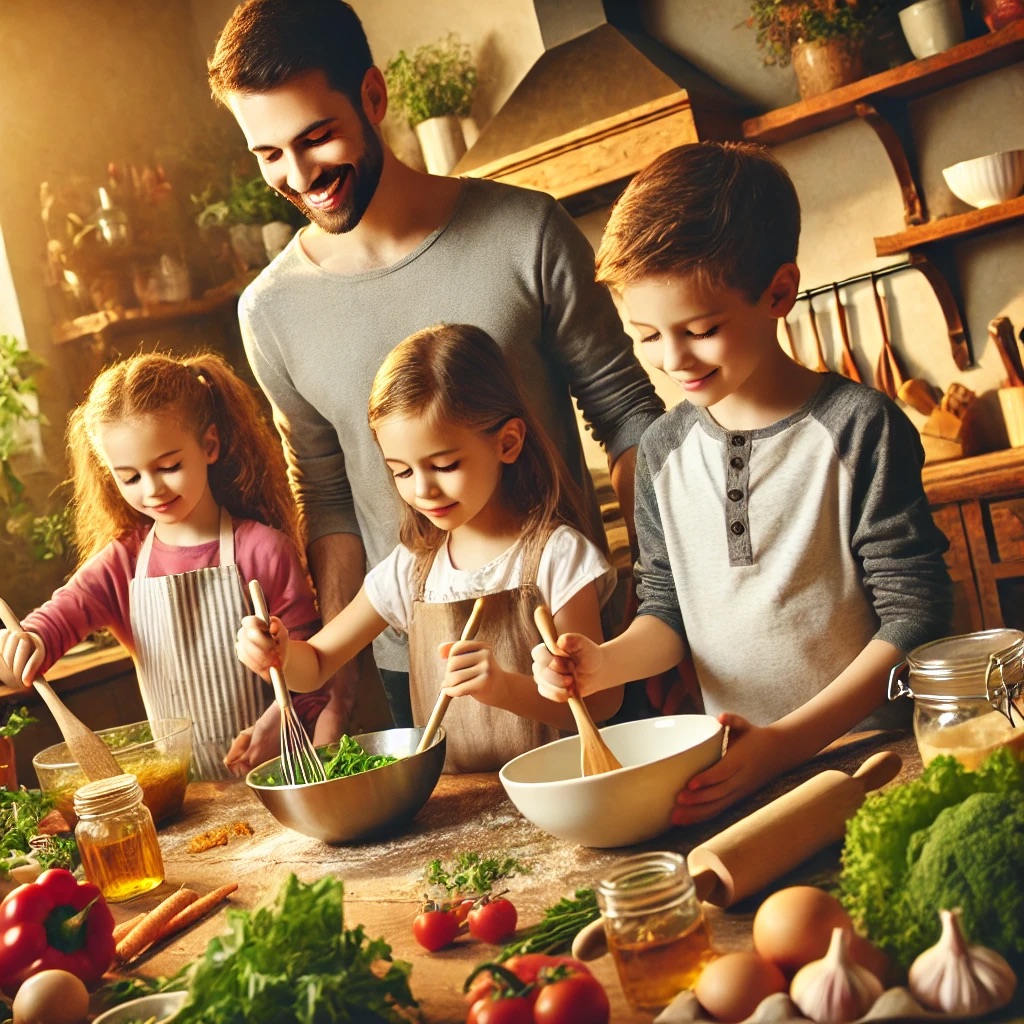
As the seasons change, so do the ingredients available to us. From the vibrant vegetables of spring to the hearty produce of fall, each season brings a unique opportunity to preserve the flavors of the year through fermenting and pickling. In this blog post, we’ll explore various projects you can undertake throughout the year, ensuring that you can enjoy the tastes of every season long after the harvest is over.
Winter: Embracing the Root Vegetables
Winter is the time when many root vegetables reach their peak. Carrots, turnips, and beets are abundant, making them perfect candidates for fermenting and pickling.
- Fermented Carrots: Begin by peeling and cutting your carrots into sticks. Prepare a brine using water and sea salt, then submerge the carrots in the brine along with spices like garlic, dill, and coriander seeds. Allow them to ferment for about one to two weeks at room temperature before transferring to the refrigerator.
- Pickled Beets: Roasting beets enhances their sweetness. After cooking, slice them and pack them into jars. For the pickling liquid, combine vinegar, sugar, and spices like cloves and allspice. Pour the mixture over the beets, seal the jars, and refrigerate for at least 48 hours.
Spring: The Season of Fresh Greens
As spring arrives, gardens come alive with fresh greens and herbs. This is an excellent time to experiment with lighter ferments and quick pickles.
- Spring Herb Ferment: Gather fresh herbs such as parsley, cilantro, and chives. Chop them finely and mix with salt and water to create a brine. Pack the herbs into a jar, allowing them to ferment for about a week. This vibrant ferment can be used as a seasoning or a condiment.
- Quick Pickled Radishes: Slice fresh radishes thinly and pack them into a clean jar. For the pickling solution, combine equal parts vinegar and water, adding sugar and salt to taste. Pour the mixture over the radishes and let them sit in the refrigerator for a few hours before enjoying them on salads or sandwiches.
Summer: Bounty of Fruits and Vegetables
Summer is the peak season for a wide variety of fruits and vegetables. The abundance can be overwhelming, but it also provides a fantastic opportunity for preserving.
- Fermented Salsa: Use fresh tomatoes, onions, jalapeños, and cilantro to create a delicious salsa. Mix the chopped ingredients and add salt, then place them in a jar, allowing natural fermentation to occur. This can take about three to five days, resulting in a tangy salsa perfect for summer gatherings.
- Pickled Cucumbers: Classic dill pickles are a summer staple. Slice cucumbers into spears or rounds, and pack them tightly in a jar with garlic, dill, and mustard seeds. Prepare a vinegar brine (using water, vinegar, sugar, and salt), and pour it over the cucumbers. Let them sit for at least a week in the refrigerator.
Fall: Celebrating the Harvest
As the weather cools and the harvest season is in full swing, it’s the perfect time to preserve the flavors of fall.
- Spiced Apple Cider Ferment: Use fresh apple cider as a base for fermenting. Add spices like cinnamon and cloves, then introduce a SCOBY (symbiotic culture of bacteria and yeast) to promote fermentation. After a couple of weeks, you’ll have a fizzy, spiced apple beverage.
- Pickled Pumpkin: Cut pumpkin into cubes, and blanch briefly. Prepare a pickling solution with vinegar, sugar, and spices like ginger and cinnamon. Pour over the pumpkin in jars and refrigerate. These make for a unique addition to salads and charcuterie boards.
Tips for Successful Fermenting and Pickling
Regardless of the season, here are some key tips to ensure the success of your preserving projects:
- Use Fresh Ingredients: The quality of your produce will directly affect the final product. Always use the freshest ingredients available.
- Maintain Cleanliness: Clean your jars and utensils thoroughly to prevent unwanted bacteria from spoiling your preserves.
- Experiment with Flavors: Don’t be afraid to try different spices, herbs, and flavor combinations. This can lead to exciting new recipes.
- Label Your Jars: Keep track of what you’ve made and when by labeling your jars with the contents and the date. This is especially useful for monitoring fermentation progress.
Conclusion
As we explore the art of preserving through seasonal fermenting and pickling, we not only prolong the life of our favorite ingredients but also create new and exciting flavors to enjoy throughout the year. Each season offers its unique bounty, and with a little creativity, you can capture the essence of each harvest. So roll up your sleeves, gather your ingredients, and start preserving the tastes of the seasons!
Related articles
 The Art of Fermenting
A Beginner's Guide to Preserving Food
 Pickling 101
Essential Techniques for Flavorful Preservation
 Fermentation vs. Pickling
Understanding the Differences
 5 Reasons to Start Fermenting Your Own Vegetables
 Exploring Different Types of Pickles Around the World
 The Health Benefits of Fermented Foods
What You Need to Know
 Creative Pickling Recipes
Beyond Cucumbers
 Fermenting Basics
Tools and Ingredients You Need
 How to Create a Flavorful Fermented Hot Sauce at Home
 The Science of Fermentation
How Microbes Work for Us
 A Guide to Quick Pickling
Fast and Flavorful Techniques
 From Sauerkraut to Kimchi
Fermented Classics You Can Make
 Exploring the Flavor Profiles of Different Fermented Foods
 Fermented Beverages
Homemade Kombucha and Beyond
 Pickling for Beginners
Step-by-Step Instructions
 The Cultural Significance of Fermentation and Pickling
 Sustainable Eating
How Fermenting and Pickling Reduce Food Waste
 Fermented Foods
A Tasty Way to Boost Your Gut Health
 The Best Vegetables for Fermentation
A Comprehensive Guide
 How to Use Pickles in Your Culinary Creations
 Creating Your Own Fermentation Station at Home
 The History of Fermentation and Pickling
A Culinary Journey
 Exploring Fermentation
Recipes for Seasonal Ingredients
 The Benefits of Fermenting Herbs and Spices
 Pickling Fruits
Sweet and Savory Recipes to Try
 Fermenting for Flavor
Enhancing Dishes with Homemade Ferments
 The Role of Salt in Fermentation and Pickling
 Pickling and Fermenting for a Flavorful Pantry
 How to Host a Fermentation and Pickling Workshop
 Fermentation Myths
Debunking Common Misconceptions
 Innovative Pickling Techniques
Experimenting with Flavors
 Fermenting for Flavor
Pairing Examples for Every Dish
 The Best Containers for Fermenting and Pickling
 A Year of Preserving
Seasonal Fermenting and Pickling Projects
Fermented Foods and Their Role in Global Cuisines
The Joy of Fermenting
Community and Connection Through Food
Tips for Successful Fermentation
Troubleshooting Common Issues
Pairing Wine with Fermented and Pickled Foods
Fermentation and Pickling for Beginners
Your First Batch
The Environmental Impact of Fermenting and Pickling
Fermented Foods for Every Season
Recipes and Ideas
The Future of Food Preservation
Trends in Fermentation and Pickling
Fermenting and Pickling
A Path to Culinary Creativity
Understanding pH Levels in Fermentation and Pickling
The Best Spices for Fermentation and Pickling
Fermentation for Flavor
Enhancing Sauces and Dressings
Pickling Techniques
Traditional vs. Modern Methods
Fermenting with Kids
Fun Projects for the Whole Family
Fermentation and Pickling
Recipes for Preserving Summer's Bounty
The Benefits of Fermenting Grains
Exploring Sourdough and More
Categories


