The art of cooking
AI CHEF Blog

Fermented Foods for Every Season: Recipes and Ideas
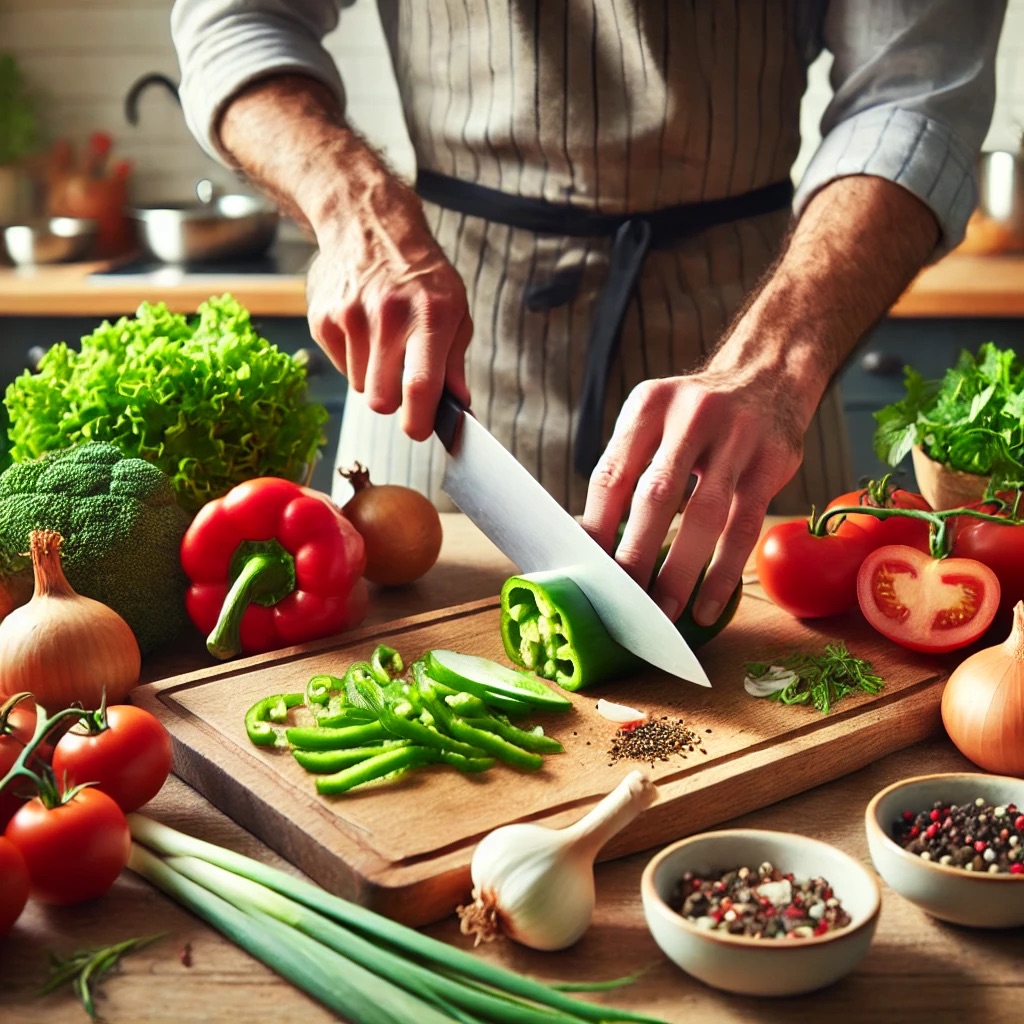
Fermented foods are not just a trend; they are a cornerstone of many cultures worldwide. With benefits ranging from improved digestion to enhanced immunity, incorporating them into your diet can be a delicious and healthful choice. This blog post explores how to embrace fermented foods through the seasons, offering recipes and ideas that celebrate the unique flavors and ingredients available at different times of the year.
Spring: Fresh Beginnings
As the earth awakens in spring, it’s the perfect time to incorporate lighter, fresher fermented foods. Spring is a season for renewal and growth, and this is reflected in the vibrant vegetables and herbs that start to appear.
1. Fermented Radishes
Ingredients:
- 1 bunch of radishes, sliced
- 1 cup water
- 2 tablespoons sea salt
- 1 tablespoon honey or sugar (optional)
- Spices (e.g., garlic, dill, or mustard seeds)
Instructions:
- In a bowl, mix water, salt, and honey until dissolved.
- Add radishes and spices to a jar.
- Pour the brine over the radishes, ensuring they are submerged.
- Seal the jar and let it sit at room temperature for 3-5 days.
- Once fermented to your liking, store in the fridge.
These fermented radishes make a great addition to salads or as a crunchy snack.
2. Spring Herb Sauerkraut
Ingredients:
- 1 medium green cabbage, shredded
- 1 cup shredded carrots
- 1/2 cup fresh herbs (parsley, chives, dill)
- 2 tablespoons sea salt
Instructions:
- In a large bowl, combine cabbage, carrots, herbs, and salt.
- Massage the mixture until it releases its juices.
- Pack tightly into a fermentation jar, ensuring the liquid covers the vegetables.
- Seal and ferment at room temperature for 1-2 weeks.
This vibrant sauerkraut adds a zesty kick to sandwiches and bowls.
Summer: The Season of Abundance
Summer brings a bounty of fruits and vegetables, making it the ideal time for fermentation. The warm weather not only enhances the fermentation process but also allows for a variety of vibrant flavors.
3. Watermelon Rind Pickles
Ingredients:
- Rind of 1 watermelon, cut into strips
- 1 cup vinegar (white or apple cider)
- 1 cup water
- 1 cup sugar
- Spices (e.g., ginger, cinnamon, cloves)
Instructions:
- In a saucepan, combine vinegar, water, sugar, and spices. Bring to a boil.
- Add the watermelon rind and simmer for 5-10 minutes.
- Transfer to a jar and let it cool before sealing.
- Refrigerate for at least 24 hours before eating.
These sweet and tangy pickles are a delightful summer treat!
4. Fermented Salsa
Ingredients:
- 4 ripe tomatoes, diced
- 1 onion, diced
- 1 jalapeño, seeded and chopped
- 1/4 cup cilantro, chopped
- 2 tablespoons sea salt
- 1/4 cup water
Instructions:
- Combine all ingredients in a bowl and mix well.
- Transfer to a fermentation jar, pressing down to release juices.
- Seal and ferment at room temperature for 3-5 days.
This zesty salsa is perfect for summer barbecues and gatherings.
Fall: A Time for Harvest
As autumn arrives, it’s time to embrace hearty vegetables and fruits that can withstand the cooler temperatures. This season is perfect for rich, warming fermented foods.
5. Fermented Apples
Ingredients:
- 4-5 apples, sliced
- 1 cup water
- 2 tablespoons sugar
- 1 tablespoon cinnamon (optional)
Instructions:
- In a bowl, mix water, sugar, and cinnamon until dissolved.
- Add apples to a jar and pour the brine over them.
- Seal and let ferment for 1-2 weeks.
These fermented apples make a fantastic addition to oatmeal or yogurt.
6. Kimchi with Fall Veggies
Ingredients:
- 1 Napa cabbage, chopped
- 2 carrots, shredded
- 1 daikon radish, shredded
- 4 green onions, chopped
- 1 tablespoon ginger, minced
- 2-4 tablespoons Korean red pepper flakes (gochugaru)
- 2 tablespoons sea salt
Instructions:
- In a bowl, combine all ingredients and mix well.
- Pack tightly into a fermentation jar, pressing down to release juices.
- Seal and ferment for 1-2 weeks.
This spicy kimchi is a great side dish to complement hearty fall meals.
Winter: Comfort and Preservation
Winter calls for comfort foods and hearty meals. Fermentation can help preserve the bounty of the harvest, providing delicious options to enjoy throughout the colder months.
7. Fermented Carrots
Ingredients:
- 4-5 carrots, cut into sticks
- 1 cup water
- 2 tablespoons sea salt
- 1 tablespoon dill (optional)
Instructions:
- In a bowl, mix water and salt until dissolved.
- Add carrots and dill to a jar.
- Pour the brine over the carrots, ensuring they are submerged.
- Seal and let ferment for 1-2 weeks.
These crunchy fermented carrots serve as a great snack or a flavorful addition to winter salads.
8. Beet Kvass
Ingredients:
- 2-3 medium beets, peeled and chopped
- 1/4 cup sugar
- 1/4 cup whey (optional)
- Water to fill jar
Instructions:
- In a large jar, add beets, sugar, and whey.
- Fill with water, leaving some space at the top.
- Seal and ferment at room temperature for 3-7 days.
This vibrant, tangy drink is a wonderful probiotic-rich option to warm you up during winter.
Conclusion
Fermented foods are a wonderful way to celebrate the changing seasons and enjoy the flavors each one has to offer. From the fresh tastes of spring to the hearty flavors of winter, there’s a fermented recipe for every season. Embrace the art of fermentation in your kitchen and savor the health benefits while delighting your taste buds!
Related articles
 The Art of Fermenting
A Beginner's Guide to Preserving Food
 Pickling 101
Essential Techniques for Flavorful Preservation
 Fermentation vs. Pickling
Understanding the Differences
 5 Reasons to Start Fermenting Your Own Vegetables
 Exploring Different Types of Pickles Around the World
 The Health Benefits of Fermented Foods
What You Need to Know
 Creative Pickling Recipes
Beyond Cucumbers
 Fermenting Basics
Tools and Ingredients You Need
 How to Create a Flavorful Fermented Hot Sauce at Home
 The Science of Fermentation
How Microbes Work for Us
 A Guide to Quick Pickling
Fast and Flavorful Techniques
 From Sauerkraut to Kimchi
Fermented Classics You Can Make
 Exploring the Flavor Profiles of Different Fermented Foods
 Fermented Beverages
Homemade Kombucha and Beyond
 Pickling for Beginners
Step-by-Step Instructions
 The Cultural Significance of Fermentation and Pickling
 Sustainable Eating
How Fermenting and Pickling Reduce Food Waste
 Fermented Foods
A Tasty Way to Boost Your Gut Health
 The Best Vegetables for Fermentation
A Comprehensive Guide
 How to Use Pickles in Your Culinary Creations
 Creating Your Own Fermentation Station at Home
 The History of Fermentation and Pickling
A Culinary Journey
 Exploring Fermentation
Recipes for Seasonal Ingredients
 The Benefits of Fermenting Herbs and Spices
 Pickling Fruits
Sweet and Savory Recipes to Try
 Fermenting for Flavor
Enhancing Dishes with Homemade Ferments
 The Role of Salt in Fermentation and Pickling
 Pickling and Fermenting for a Flavorful Pantry
 How to Host a Fermentation and Pickling Workshop
 Fermentation Myths
Debunking Common Misconceptions
 Innovative Pickling Techniques
Experimenting with Flavors
 Fermenting for Flavor
Pairing Examples for Every Dish
 The Best Containers for Fermenting and Pickling
 A Year of Preserving
Seasonal Fermenting and Pickling Projects
Fermented Foods and Their Role in Global Cuisines
The Joy of Fermenting
Community and Connection Through Food
Tips for Successful Fermentation
Troubleshooting Common Issues
Pairing Wine with Fermented and Pickled Foods
Fermentation and Pickling for Beginners
Your First Batch
The Environmental Impact of Fermenting and Pickling
Fermented Foods for Every Season
Recipes and Ideas
The Future of Food Preservation
Trends in Fermentation and Pickling
Fermenting and Pickling
A Path to Culinary Creativity
Understanding pH Levels in Fermentation and Pickling
The Best Spices for Fermentation and Pickling
Fermentation for Flavor
Enhancing Sauces and Dressings
Pickling Techniques
Traditional vs. Modern Methods
Fermenting with Kids
Fun Projects for the Whole Family
Fermentation and Pickling
Recipes for Preserving Summer's Bounty
The Benefits of Fermenting Grains
Exploring Sourdough and More
Categories


