The art of cooking
AI CHEF Blog

Fermenting and Pickling: A Path to Culinary Creativity
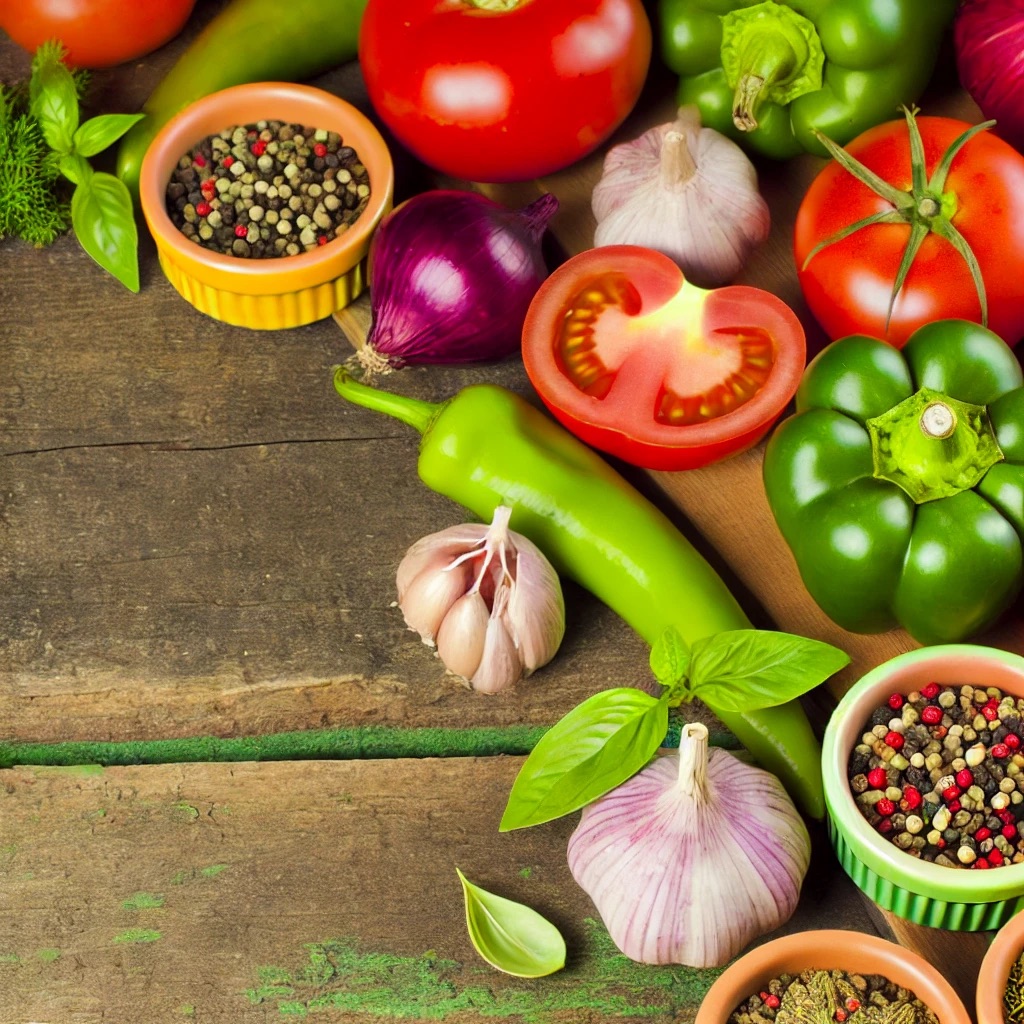
In the world of culinary arts, few techniques offer as much versatility and creativity as fermenting and pickling. These age-old methods not only enhance the flavors and textures of food but also provide numerous health benefits. Whether you are a seasoned chef or a home cook, diving into the world of fermentation and pickling can open up a new realm of culinary possibilities.
Understanding Fermentation and Pickling
Fermentation is a natural process that converts sugars into acids, gases, or alcohol using microorganisms such as bacteria, yeast, or mold. This process has been used for centuries to preserve food and enhance its flavor. Common fermented foods include yogurt, sauerkraut, kimchi, and kombucha.
On the other hand, pickling involves preserving food in an acidic solution, typically vinegar or brine. This method is also ancient and can be traced back to various cultures around the world. Pickles, pickled vegetables, and even fruits are staples in many cuisines.
The Benefits of Fermenting and Pickling
1. Flavor Enhancement: Both fermentation and pickling can transform the taste of ingredients. Fermentation often results in complex flavors that can vary depending on the length of the process and the types of microorganisms involved. Pickling adds a tangy acidity that can brighten up dishes.
2. Preservation: These techniques extend the shelf life of food products, allowing us to enjoy seasonal ingredients year-round. Fermented and pickled foods can be stored for months, making them a great addition to your pantry.
3. Health Benefits: Fermented foods are known for their probiotic content, which can promote gut health and boost the immune system. Pickled foods, depending on the method used, can retain some of the nutrients from the original ingredients while also providing the benefits of the vinegar or brine used for preservation.
Getting Started with Fermentation
If you’re new to fermenting, it’s important to start with simple recipes. Here are a few ideas to kickstart your fermentation journey:
1. Fermented Vegetables
One of the easiest ways to begin fermenting is by making your own sauerkraut or kimchi. All you need is cabbage (or any vegetable of your choice), salt, and a little bit of time.
- Ingredients: 1 head of cabbage, 1 tablespoon of salt.
- Instructions: Shred the cabbage and mix it with salt in a bowl. Massage the cabbage for about 5-10 minutes until it releases its juices. Pack the mixture into a clean jar, ensuring the cabbage is submerged under the brine. Seal the jar and let it ferment at room temperature for 1-4 weeks, tasting it periodically until it reaches your desired flavor.
2. Homemade Kombucha
Kombucha is a fermented tea that has gained popularity for its refreshing taste and health benefits. To make kombucha, you will need a SCOBY (symbiotic culture of bacteria and yeast), tea, sugar, and water.
- Ingredients: 1 SCOBY, 4 cups of water, 1 cup of sugar, 4 tea bags.
- Instructions: Boil the water and dissolve the sugar in it. Add the tea bags and let it steep. Once cooled, pour the tea into a glass jar and add the SCOBY. Cover with a cloth and secure it with a rubber band. Let it ferment for 7-14 days, tasting it to determine when it’s ready.
Diving into Pickling
Pickling is another fantastic way to experiment in the kitchen. The beauty of pickling is that you can use almost any vegetable or fruit. Here are a couple of straightforward pickling recipes to try:
1. Quick Pickled Cucumbers
These are perfect for sandwiches, salads, or just as a snack.
- Ingredients: 2 cucumbers, 1 cup of vinegar, 1 cup of water, 2 tablespoons of sugar, 1 tablespoon of salt, and any spices you prefer (dill, garlic, peppercorns).
- Instructions: Slice the cucumbers and place them in a jar. In a separate pot, combine vinegar, water, sugar, and salt. Bring to a boil, stirring until the sugar dissolves. Pour the hot brine over the cucumbers, ensuring they are fully submerged. Let them cool, then refrigerate for at least 24 hours before enjoying.
2. Pickled Beets
Pickled beets can add a beautiful color and earthy flavor to your dishes.
- Ingredients: 3 medium beets, 1 cup of vinegar, 1 cup of water, 1/2 cup of sugar, and spices (like cloves, allspice, or cinnamon).
- Instructions: Boil the beets until tender, then peel and slice them. In a saucepan, combine vinegar, water, sugar, and spices. Bring to a boil, then add the beets. Simmer for 10 minutes, then transfer to a jar and let cool before refrigerating.
Experimenting with Flavors
One of the most exciting aspects of fermenting and pickling is the opportunity to experiment with flavors. Don’t be afraid to mix and match ingredients, spices, and herbs to create your unique concoctions. Try adding garlic, ginger, or chili peppers to your pickles for an extra kick. Or explore different types of vinegar or tea for your fermentations.
Pairing Fermented and Pickled Foods
Once you’ve created your fermented and pickled delights, the next step is figuring out how to use them in your cooking. Here are some ideas:
- Add sauerkraut to sandwiches or hot dogs for a tangy crunch.
- Use pickled vegetables as a garnish for salads and grain bowls.
- Incorporate kimchi into stir-fries or fried rice for an umami boost.
- Mix kombucha with cocktails or use it as a base for salad dressings.
Conclusion
Fermenting and pickling are not just methods of preservation; they are gateways to culinary creativity. With a little patience and experimentation, you can transform simple ingredients into exciting, flavorful, and healthful additions to your meals. So grab some jars, gather your ingredients, and embark on your journey into the world of fermentation and pickling. Your taste buds will thank you!
Related articles
 The Art of Fermenting
A Beginner's Guide to Preserving Food
The Art of Fermenting
A Beginner's Guide to Preserving Food
 Pickling 101
Essential Techniques for Flavorful Preservation
Pickling 101
Essential Techniques for Flavorful Preservation
 Fermentation vs. Pickling
Understanding the Differences
Fermentation vs. Pickling
Understanding the Differences
 5 Reasons to Start Fermenting Your Own Vegetables
 Exploring Different Types of Pickles Around the World
 The Health Benefits of Fermented Foods
What You Need to Know
The Health Benefits of Fermented Foods
What You Need to Know
 Creative Pickling Recipes
Beyond Cucumbers
Creative Pickling Recipes
Beyond Cucumbers
 Fermenting Basics
Tools and Ingredients You Need
Fermenting Basics
Tools and Ingredients You Need
 How to Create a Flavorful Fermented Hot Sauce at Home
 The Science of Fermentation
How Microbes Work for Us
The Science of Fermentation
How Microbes Work for Us
 A Guide to Quick Pickling
Fast and Flavorful Techniques
A Guide to Quick Pickling
Fast and Flavorful Techniques
 From Sauerkraut to Kimchi
Fermented Classics You Can Make
From Sauerkraut to Kimchi
Fermented Classics You Can Make
 Exploring the Flavor Profiles of Different Fermented Foods
 Fermented Beverages
Homemade Kombucha and Beyond
Fermented Beverages
Homemade Kombucha and Beyond
 Pickling for Beginners
Step-by-Step Instructions
Pickling for Beginners
Step-by-Step Instructions
 The Cultural Significance of Fermentation and Pickling
 Sustainable Eating
How Fermenting and Pickling Reduce Food Waste
Sustainable Eating
How Fermenting and Pickling Reduce Food Waste
 Fermented Foods
A Tasty Way to Boost Your Gut Health
Fermented Foods
A Tasty Way to Boost Your Gut Health
 The Best Vegetables for Fermentation
A Comprehensive Guide
The Best Vegetables for Fermentation
A Comprehensive Guide
 How to Use Pickles in Your Culinary Creations
 Creating Your Own Fermentation Station at Home
 The History of Fermentation and Pickling
A Culinary Journey
The History of Fermentation and Pickling
A Culinary Journey
 Exploring Fermentation
Recipes for Seasonal Ingredients
Exploring Fermentation
Recipes for Seasonal Ingredients
 The Benefits of Fermenting Herbs and Spices
 Pickling Fruits
Sweet and Savory Recipes to Try
Pickling Fruits
Sweet and Savory Recipes to Try
 Fermenting for Flavor
Enhancing Dishes with Homemade Ferments
Fermenting for Flavor
Enhancing Dishes with Homemade Ferments
 The Role of Salt in Fermentation and Pickling
 Pickling and Fermenting for a Flavorful Pantry
 How to Host a Fermentation and Pickling Workshop
 Fermentation Myths
Debunking Common Misconceptions
Fermentation Myths
Debunking Common Misconceptions
 Innovative Pickling Techniques
Experimenting with Flavors
Innovative Pickling Techniques
Experimenting with Flavors
 Fermenting for Flavor
Pairing Examples for Every Dish
Fermenting for Flavor
Pairing Examples for Every Dish
 The Best Containers for Fermenting and Pickling
 A Year of Preserving
Seasonal Fermenting and Pickling Projects
A Year of Preserving
Seasonal Fermenting and Pickling Projects
Fermented Foods and Their Role in Global Cuisines
The Joy of Fermenting
Community and Connection Through Food
Tips for Successful Fermentation
Troubleshooting Common Issues
Pairing Wine with Fermented and Pickled Foods
Fermentation and Pickling for Beginners
Your First Batch
The Environmental Impact of Fermenting and Pickling
Fermented Foods for Every Season
Recipes and Ideas
The Future of Food Preservation
Trends in Fermentation and Pickling
Fermenting and Pickling
A Path to Culinary Creativity
Understanding pH Levels in Fermentation and Pickling
The Best Spices for Fermentation and Pickling
Fermentation for Flavor
Enhancing Sauces and Dressings
Pickling Techniques
Traditional vs. Modern Methods
Fermenting with Kids
Fun Projects for the Whole Family
Fermentation and Pickling
Recipes for Preserving Summer's Bounty
The Benefits of Fermenting Grains
Exploring Sourdough and More
Categories