The art of cooking
AI CHEF Blog

Fermentation for Flavor: Enhancing Sauces and Dressings
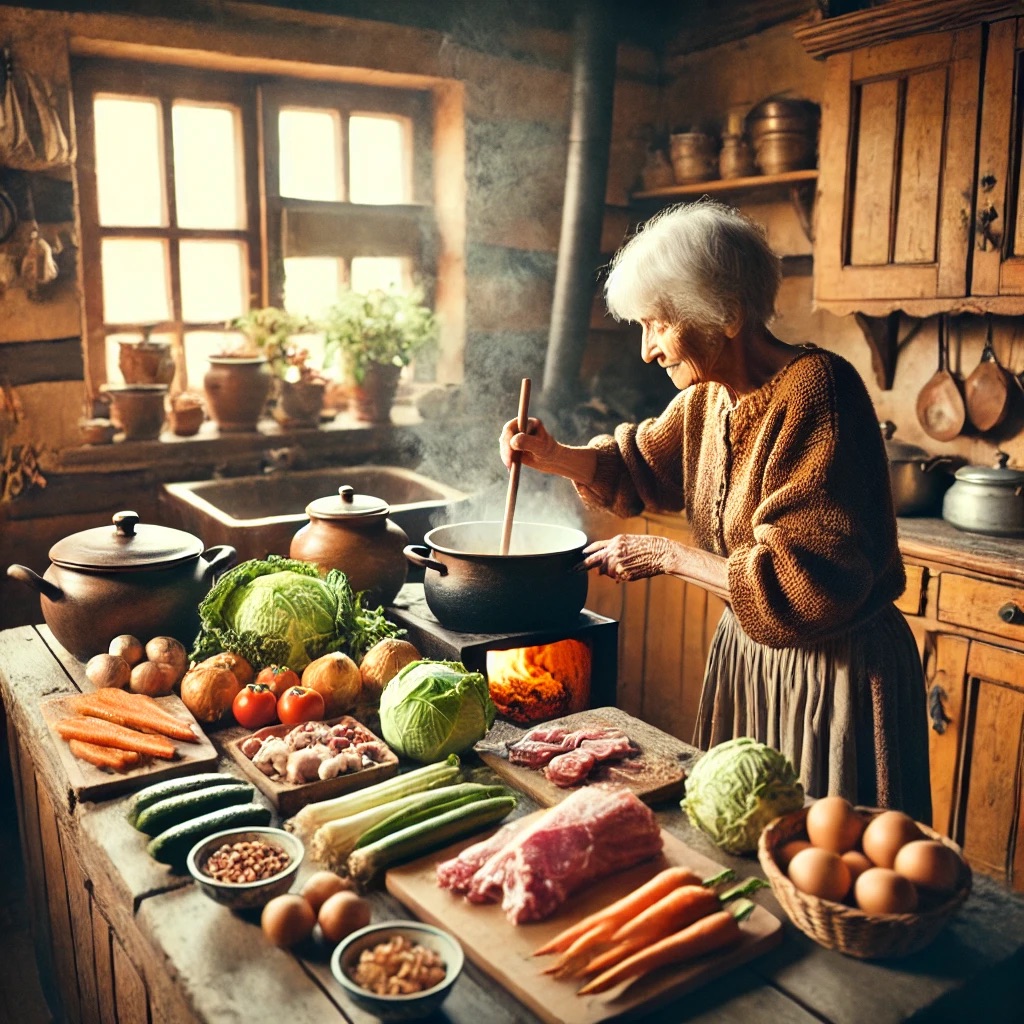
Fermentation is a culinary technique that has been used for thousands of years across different cultures. While it is often associated with preserving food and enhancing its nutritional value, fermentation also offers incredible potential for flavor enhancement. In this blog post, we will explore how fermentation can elevate your sauces and dressings, providing depth and complexity that you might not achieve through traditional methods.
Understanding Fermentation
At its core, fermentation is a biochemical process where microorganisms like bacteria, yeast, or molds convert sugars and starches into acids, gases, or alcohol. This process not only preserves food but also develops unique flavors and aromas. The most common forms of fermentation include lactic acid fermentation, alcoholic fermentation, and acetic acid fermentation.
The Role of Fermented Ingredients in Sauces and Dressings
Fermented ingredients can bring a new dimension to your sauces and dressings. Here are some popular fermented ingredients you might consider incorporating:
- Fermented Soy Sauce: Made by fermenting soybeans, wheat, and salt, this condiment adds umami depth to dressings and marinades.
- Miso: A Japanese fermented soybean paste, miso adds a rich, savory flavor to dressings, dips, and sauces.
- Fermented Hot Sauce: Hot sauces made from fermented peppers develop complex flavors that can enhance the spiciness and tanginess of your sauces.
- Kefir and Yogurt: These fermented dairy products can be used to create creamy dressings with a tangy twist.
- Kimchi Juice: The liquid from fermented kimchi can add a spicy and tangy kick to dressings and sauces.
- Vinegar: While vinegar is a common ingredient, using varieties like apple cider vinegar or red wine vinegar made through fermentation can enhance the flavor profile.
Creating Fermented Sauces and Dressings
Now that we’ve discussed some key ingredients, let’s dive into how to create your own fermented sauces and dressings.
1. Fermented Hot Sauce
Ingredients:
- 2 cups fresh hot peppers (e.g., jalapeños, habaneros)
- 1 cup water
- 1 tablespoon sea salt
- 1 tablespoon sugar (optional)
Instructions:
- Chop the hot peppers and place them in a clean glass jar.
- In a separate bowl, mix water, salt, and sugar until dissolved.
- Pour the brine over the peppers, ensuring they are fully submerged.
- Cover the jar with a cloth and secure it with a rubber band. Allow it to ferment at room temperature for 1-2 weeks, stirring daily.
- Once fermented, blend the mixture until smooth, and strain if desired. Store in the refrigerator.
2. Miso Dressing
Ingredients:
- 3 tablespoons miso paste
- 1 tablespoon rice vinegar
- 2 tablespoons sesame oil
- 1 tablespoon soy sauce
- 1 teaspoon grated ginger
- Water to thin
Instructions:
- In a bowl, whisk together the miso paste, rice vinegar, sesame oil, soy sauce, and ginger.
- Add water gradually until you reach your desired consistency.
- Use immediately or store in the refrigerator for up to a week.
3. Kimchi Vinaigrette
Ingredients:
- 1/4 cup kimchi juice
- 2 tablespoons rice vinegar
- 1 tablespoon soy sauce
- 1 tablespoon sesame oil
- 1 teaspoon honey or maple syrup
Instructions:
- In a small bowl, whisk together the kimchi juice, rice vinegar, soy sauce, sesame oil, and honey.
- Adjust sweetness and acidity to taste. Serve over salads or as a marinade.
Pairing Fermented Sauces and Dressings with Dishes
Knowing how to make fermented sauces and dressings is just the beginning; understanding how to pair them with various dishes is essential for elevating your meals. Here are some pairing suggestions:
- Fermented Hot Sauce: Great with grilled meats, tacos, and even eggs.
- Miso Dressing: Perfect for drizzling over roasted vegetables, salads, or grain bowls.
- Kimchi Vinaigrette: Pairs well with Asian-style salads, seafood, or as a marinade for chicken or tofu.
Health Benefits of Fermentation
In addition to enhancing flavor, fermented foods offer various health benefits. They are often easier to digest, can improve gut health by introducing beneficial probiotics, and may help in increasing the bioavailability of nutrients. By incorporating fermented sauces and dressings into your meals, you not only enrich your dishes but also contribute to your overall well-being.
Conclusion
Fermentation is a powerful tool in the kitchen that can transform ordinary sauces and dressings into extraordinary flavor enhancers. By experimenting with different fermented ingredients and creating your own recipes, you can add depth and complexity to your culinary creations. So, the next time you whip up a sauce or dressing, consider adding a fermented twist – your taste buds will thank you!
Related articles
 The Art of Fermenting
A Beginner's Guide to Preserving Food
 Pickling 101
Essential Techniques for Flavorful Preservation
 Fermentation vs. Pickling
Understanding the Differences
 5 Reasons to Start Fermenting Your Own Vegetables
 Exploring Different Types of Pickles Around the World
 The Health Benefits of Fermented Foods
What You Need to Know
 Creative Pickling Recipes
Beyond Cucumbers
 Fermenting Basics
Tools and Ingredients You Need
 How to Create a Flavorful Fermented Hot Sauce at Home
 The Science of Fermentation
How Microbes Work for Us
 A Guide to Quick Pickling
Fast and Flavorful Techniques
 From Sauerkraut to Kimchi
Fermented Classics You Can Make
 Exploring the Flavor Profiles of Different Fermented Foods
 Fermented Beverages
Homemade Kombucha and Beyond
 Pickling for Beginners
Step-by-Step Instructions
 The Cultural Significance of Fermentation and Pickling
 Sustainable Eating
How Fermenting and Pickling Reduce Food Waste
 Fermented Foods
A Tasty Way to Boost Your Gut Health
 The Best Vegetables for Fermentation
A Comprehensive Guide
 How to Use Pickles in Your Culinary Creations
 Creating Your Own Fermentation Station at Home
 The History of Fermentation and Pickling
A Culinary Journey
 Exploring Fermentation
Recipes for Seasonal Ingredients
 The Benefits of Fermenting Herbs and Spices
 Pickling Fruits
Sweet and Savory Recipes to Try
 Fermenting for Flavor
Enhancing Dishes with Homemade Ferments
 The Role of Salt in Fermentation and Pickling
 Pickling and Fermenting for a Flavorful Pantry
 How to Host a Fermentation and Pickling Workshop
 Fermentation Myths
Debunking Common Misconceptions
 Innovative Pickling Techniques
Experimenting with Flavors
 Fermenting for Flavor
Pairing Examples for Every Dish
 The Best Containers for Fermenting and Pickling
 A Year of Preserving
Seasonal Fermenting and Pickling Projects
Fermented Foods and Their Role in Global Cuisines
The Joy of Fermenting
Community and Connection Through Food
Tips for Successful Fermentation
Troubleshooting Common Issues
Pairing Wine with Fermented and Pickled Foods
Fermentation and Pickling for Beginners
Your First Batch
The Environmental Impact of Fermenting and Pickling
Fermented Foods for Every Season
Recipes and Ideas
The Future of Food Preservation
Trends in Fermentation and Pickling
Fermenting and Pickling
A Path to Culinary Creativity
Understanding pH Levels in Fermentation and Pickling
The Best Spices for Fermentation and Pickling
Fermentation for Flavor
Enhancing Sauces and Dressings
Pickling Techniques
Traditional vs. Modern Methods
Fermenting with Kids
Fun Projects for the Whole Family
Fermentation and Pickling
Recipes for Preserving Summer's Bounty
The Benefits of Fermenting Grains
Exploring Sourdough and More
Categories


