The art of cooking
AI CHEF Blog

The Science of Side Dishes: Enhancing Your Meal with Flavor Chemistry
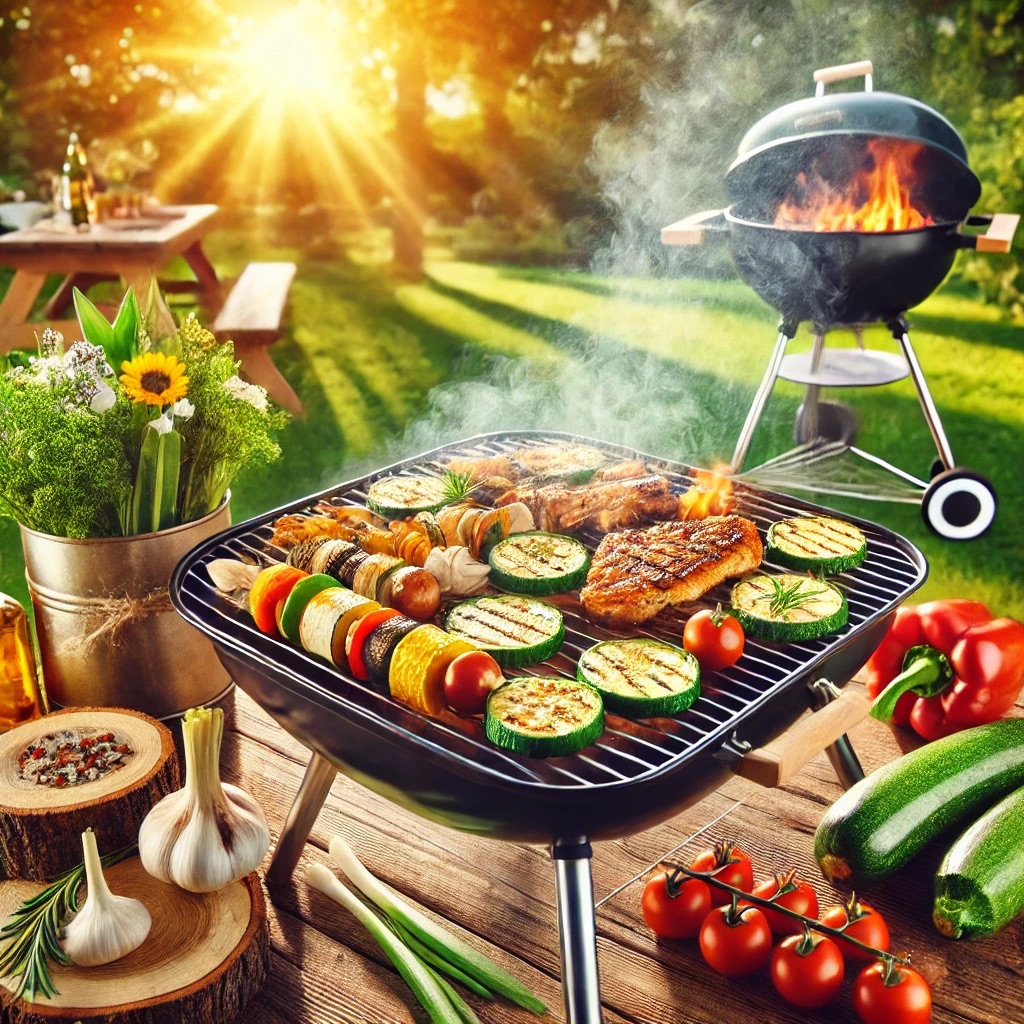
When it comes to a well-rounded meal, the main dish often steals the spotlight. However, side dishes play a crucial role in elevating the overall dining experience. They can enhance flavors, add texture, and provide a balance to the meal. Understanding the science behind these accompaniments can help you create side dishes that not only complement your main course but also offer a burst of flavors. In this blog post, we will explore the chemistry of flavor, the role of different ingredients, and how to craft the perfect side dish.
Understanding Flavor Chemistry
Flavor is a complex interplay of taste, aroma, and mouthfeel. Taste is detected by our taste buds and includes five basic elements: sweet, sour, salty, bitter, and umami. Aroma, on the other hand, comes from volatile compounds released when food is cooked, contributing significantly to our perception of flavor. Mouthfeel relates to the texture and temperature of food, affecting how we perceive taste.
When creating side dishes, understanding how these elements interact can help you craft something truly special. For instance, a side dish that balances sweetness with acidity can enhance the overall flavor profile of the meal. Let’s delve deeper into some key components of flavor chemistry.
1. Balancing Flavors
A well-balanced side dish can enhance the main course. For example, if you’re serving a rich, fatty main dish like roasted duck, consider a side dish that offers a bright, acidic contrast. A citrusy salad or a tangy coleslaw can cut through the richness and cleanse the palate. Conversely, if your main dish is light, such as grilled fish, a side dish that brings warmth and heartiness, like roasted root vegetables, can create a satisfying balance.
2. The Role of Acidity
Acidity is a powerful enhancer of flavor. It can brighten dishes and cut through richness. Ingredients like lemon juice, vinegar, or pickled vegetables can elevate a side dish and create a contrast with the main course. Think about a creamy potato salad with a tangy vinaigrette or sautéed greens finished with a splash of lemon juice. These elements not only enhance the dish but also stimulate the senses, making the meal more enjoyable.
3. Umami: The Fifth Taste
Umami, often described as a savory or meaty flavor, can add depth to your side dishes. Ingredients rich in umami, such as mushrooms, tomatoes, soy sauce, and cheese, can amplify the flavors of your meal. For instance, a side of sautéed mushrooms seasoned with garlic and soy sauce can enhance the umami notes of a grilled steak. Understanding how to incorporate umami-rich ingredients can transform a simple side dish into a flavor powerhouse.
4. Texture Matters
Texture plays a vital role in how we perceive flavor. A side dish with a variety of textures can add interest to the meal. Combining creamy, crunchy, and chewy elements can create a more satisfying experience. For example, a creamy coleslaw with crunchy cabbage and carrots can add contrast to a tender pulled pork sandwich. Think about how you can vary the textures in your side dishes to keep the meal exciting.
5. Complementary Ingredients
Choosing ingredients that complement each other is essential for creating harmonious side dishes. Consider the flavor profiles of your main dish when selecting your sides. If your main course is seasoned with herbs, incorporate those same herbs into your side dish. For example, if you’re grilling chicken with rosemary, a side of roasted potatoes tossed with rosemary and garlic would be a perfect match.
Crafting the Perfect Side Dish
Now that we’ve explored the science behind flavor, let’s put this knowledge into practice. Here are some steps to help you create the perfect side dish:
Step 1: Identify the Main Dish
Begin by analyzing the flavors and textures of your main course. Is it rich, light, spicy, or savory? This will guide your selection of side dishes.
Step 2: Choose Your Flavors
Based on the main dish, select flavors that will either complement or contrast it. Consider incorporating elements of acidity, sweetness, and umami.
Step 3: Consider Texture
Think about the textures of your side dish. Aim for variety by combining different textures to enhance the overall meal experience.
Step 4: Experiment with Ingredients
Don’t be afraid to experiment with different ingredients. Try out new combinations and techniques to discover unique flavor pairings.
Step 5: Taste and Adjust
Always taste your side dish as you prepare it. Adjust the seasoning, acidity, or any other elements until it perfectly complements your main course.
Conclusion
Side dishes are more than just an afterthought; they are an essential component of a well-rounded meal. By understanding the science of flavor chemistry, you can enhance your culinary creations and elevate your dining experience. With a focus on balancing flavors, incorporating acidity, utilizing umami, and considering texture, you can craft side dishes that not only complement your main course but also stand out on their own. So, next time you prepare a meal, don’t overlook the power of side dishes—let them shine!
Related articles
 Elevate Your Dinner
10 Side Dishes That Steal the Show
 The Ultimate Guide to Perfect Side Dishes for Any Occasion
 Side Dishes That Wow
Transform Your Meal Experience
 From Boring to Brilliant
Creative Side Dishes to Try
 Seasonal Sides
Fresh Ideas to Elevate Your Meals
 The Art of Pairing
Finding the Perfect Side Dish
 Quick and Easy Side Dishes to Impress Your Guests
 Vegetarian Side Dishes That Complement Any Main Course
 Hearty and Healthy
Nutritious Side Dishes for Every Meal
 Elevate Your BBQ
Side Dishes That Make a Statement
 The Side Dish Revolution
Unconventional Pairings You’ll Love
 Classic Side Dishes with a Modern Twist
 Global Flavors
Side Dishes from Around the World
 Perfectly Paired
Matching Side Dishes with Your Main Course
 Make-Ahead Side Dishes for Stress-Free Entertaining
 Sweet and Savory
Side Dishes That Surprise
 The Science of Side Dishes
Balancing Flavors and Textures
 Gourmet Side Dishes You Can Make at Home
 Simple Sides
Minimal Effort, Maximum Flavor
 Festive Sides
Dishes to Celebrate Every Occasion
 Herbs and Spices
Elevating Your Side Dish Game
 The Power of Presentation
Stunning Side Dish Ideas
 Kid-Friendly Side Dishes That Even Picky Eaters Will Love
 Side Dishes for Every Season
What to Serve When
 The Best Comfort Food Side Dishes for Cozy Nights
 Transform Leftovers
Creative Side Dishes You Can Make
 Dairy-Free and Delicious
Sides for Every Diet
 Sustainable Sides
Using Local Ingredients for Flavorful Dishes
 The Perfect Potato
Side Dishes That Highlight This Versatile Veggie
 Rice and Grains
Elevating Your Meals with Flavorful Sides
 Fabulous Fusions
Unique Side Dishes for Adventurous Eaters
 The Best Side Dishes for Grilled Meats
A Flavorful Pairing Guide
 Refreshing Salads
Light and Crisp Sides for Any Meal
 Indulgent Sides
Rich and Creamy Dishes to Satisfy
The Perfect Side Dishes for Holiday Feasts
One-Pot Wonders
Easy Side Dishes You Can Make with Your Main
Cheesy Goodness
Side Dishes Everyone Will Rave About
Farm-to-Table
Fresh Side Dishes Straight from the Garden
Comforting Classics
Timeless Side Dishes for Every Table
The Essential Side Dish Cookbook
Recipes to Elevate Any Meal
Sizzling Sides
Dishes That Bring the Heat to Your Plate
Colorful Plates
Vibrant Side Dishes to Brighten Your Table
Savory Sauces and Dips
Elevating Your Side Game
The Perfect Grain Bowl
Building Delicious Side Dishes
Flavor Builders
The Best Spices for Side Dish Success
Crispy Delights
Fried and Roasted Side Dishes
Sweet Treats
Dessert-Inspired Side Dishes for a Twist
Side Dishes for a Crowd
Feeding Family and Friends
Tasty Toppings
Elevating Your Sides with Flavorful Additions
Iconic Side Dishes from Famous Chefs
Recipes to Try at Home
Categories


