The art of cooking
AI CHEF Blog

How to Pair Herbs and Spices with Proteins and Vegetables
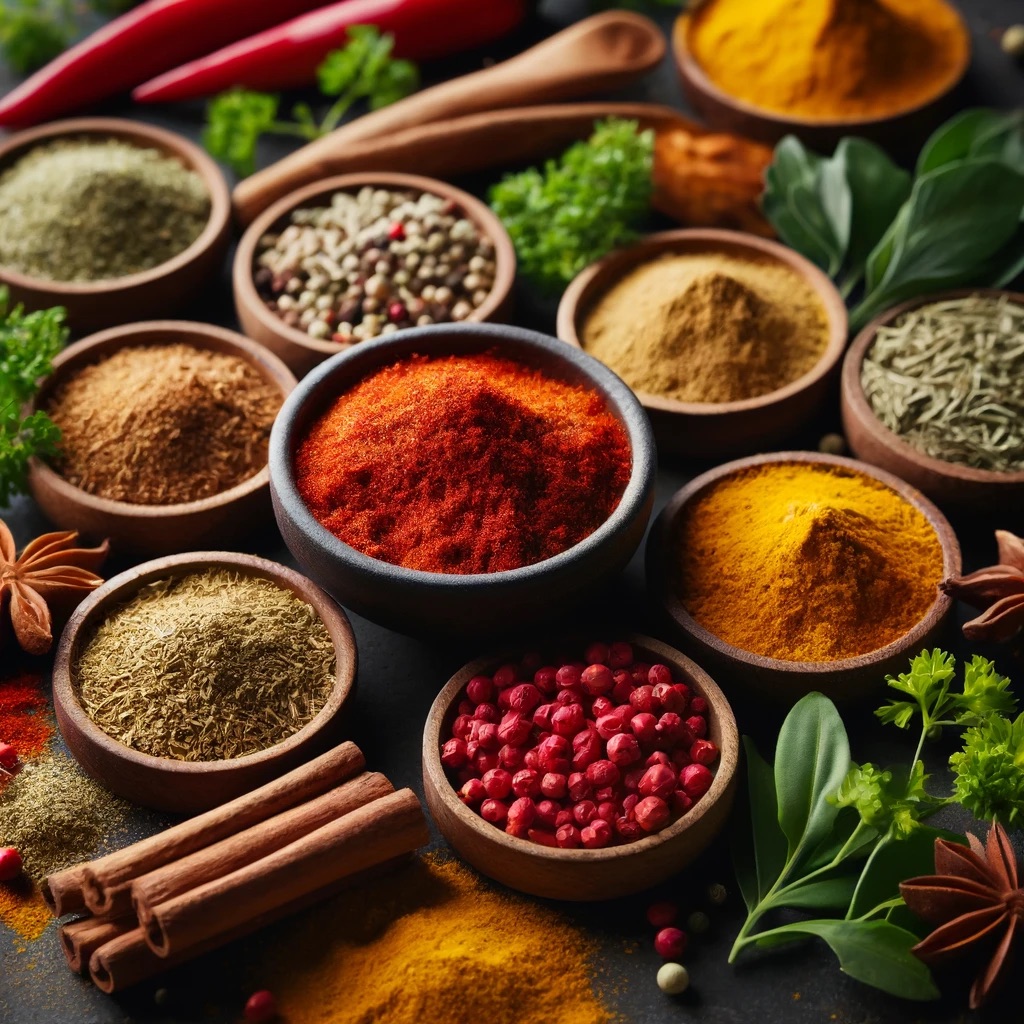
Cooking is both an art and a science, and one of the most enjoyable aspects of it is the ability to create harmonious flavors by pairing proteins, vegetables, herbs, and spices. The right combinations can elevate a simple dish into something extraordinary. In this blog post, we will explore how to effectively pair herbs and spices with various proteins and vegetables to create delicious meals.
Understanding the Basics of Flavor Pairing
Before diving into specific pairings, it’s essential to understand the basics of flavor profiles. Ingredients can be categorized into various flavor types, including:
- Sweet: Found in ingredients like carrots, sweet potatoes, and certain proteins like duck.
- Salty: Common in soy sauce, cured meats, and certain cheeses.
- Sour: Present in citrus fruits, vinegar, and fermented foods.
- Bitter: Found in dark leafy greens, coffee, and certain herbs like arugula.
- Umami: The savory taste found in mushrooms, tomatoes, and aged cheeses.
By understanding these flavor profiles, you can create balanced dishes that excite the palate.
Pairing Herbs with Proteins
Proteins are the backbone of many meals, and the right herbs can enhance their natural flavors. Here are some classic pairings:
1. Poultry
Chicken and turkey are versatile proteins that pair well with a variety of herbs:
- Thyme: A classic herb that adds earthiness to roasted or grilled chicken.
- Rosemary: Perfect for seasoning whole chickens or chicken breasts, providing a robust flavor.
- Basil: Adds a fresh, sweet note to chicken dishes, especially in Italian cuisine.
2. Beef
Beef has a strong flavor that can stand up to bold herbs:
- Oregano: Great for seasoning beef stews and braises.
- Parsley: Offers a fresh contrast to grilled steaks and meatballs.
- Chimichurri (parsley and oregano): A vibrant sauce made with parsley and oregano that complements grilled meats beautifully.
3. Pork
Pork pairs well with both sweet and savory herbs:
- Sage: Provides an earthy flavor, excellent in sausage and roasted pork.
- Fennel: Adds a hint of sweetness; great for pork chops and roasts.
- Thyme: Works well in marinades and slow-cooked dishes.
4. Seafood
Seafood, being delicate in flavor, requires subtle herbs:
- Dill: Perfect with fish, especially salmon and trout.
- Chives: Adds a mild onion flavor that complements shellfish.
- Cilantro: Works well with shrimp and other seafood in tropical dishes.
Pairing Spices with Proteins
Spices can add depth and complexity to protein dishes. Here are some suggestions:
1. Chicken
- Cumin: Adds warmth and earthiness, perfect for chicken tacos or curries.
- Paprika: Provides a sweet and smoky flavor, ideal for roasted chicken.
2. Beef
- Black Pepper: A universal spice that enhances the flavor of steak or beef stir-fry.
- Chili Powder: Great for adding heat to beef chili or tacos.
3. Pork
- Cinnamon: Adds warmth and sweetness, ideal for pork marinades.
- Mustard Powder: Offers a tangy kick, great in rubs for pork tenderloin.
4. Seafood
- Old Bay Seasoning: A classic spice blend for crab and shrimp dishes.
- Cardamom: Provides a unique flavor to seafood curries.
Pairing Herbs with Vegetables
Herbs can transform vegetables into a flavorful side dish or main course. Here are some pairings:
1. Leafy Greens
- Mint: A refreshing addition to salads with spinach or arugula.
- Basil: Complements sautéed greens like kale or Swiss chard.
2. Root Vegetables
- Thyme: Adds depth to roasted carrots and potatoes.
- Rosemary: Excellent for seasoning roasted root vegetables.
3. Cruciferous Vegetables
- Garlic: A must for broccoli, cauliflower, and Brussels sprouts.
- Parsley: Provides a fresh contrast to roasted or steamed cruciferous vegetables.
Pairing Spices with Vegetables
Spices can enhance the natural sweetness or earthiness of vegetables:
1. Leafy Greens
- Nutmeg: A pinch can elevate cooked spinach and other greens.
- Cayenne Pepper: Adds heat to sautéed greens.
2. Root Vegetables
- Cumin: Great for spicing up roasted sweet potatoes.
- Ginger: Adds warmth to carrot dishes or stir-fried root vegetables.
3. Cruciferous Vegetables
- Turmeric: Adds color and earthiness to cauliflower and Brussels sprouts.
- Smoked Paprika: Provides a smoky flavor to roasted broccoli or cabbage.
Experimenting with Flavor Pairings
The best way to master the art of flavor pairing is through experimentation. Here are some tips to help you get started:
- Taste as You Go: Always taste your dish as you add herbs and spices to understand how flavors develop.
- Keep a Flavor Journal: Document your successful pairings and any unique combinations you discover.
- Don’t Be Afraid to Mix: Sometimes unconventional pairings lead to delightful surprises.
Conclusion
Pairing herbs and spices with proteins and vegetables is a fundamental skill that can dramatically improve your cooking. By understanding the flavor profiles of different ingredients and experimenting with various combinations, you can create dishes that are not only delicious but also memorable. So grab your herbs and spices, and let your culinary creativity flourish!
Related articles
 10 Essential Herbs and Spices to Elevate Your Cooking
 How to Grow Your Own Cooking Herbs at Home
 The Magic of Fresh vs. Dried Herbs
Which Should You Use?
 Spice Up Your Life
Unique Spice Blends to Try
 Herb-Infused Oils
A Flavorful Addition to Your Kitchen
 Cooking with Herbs
Tips for Maximum Flavor
 The Art of Seasoning
Balancing Herbs and Spices in Your Dishes
 Herbs and Spices for Every Cuisine
A Global Guide
 The Health Benefits of Cooking with Herbs and Spices
 Herbs in Baking
Surprising Ways to Use Them
 How to Pair Herbs and Spices with Proteins and Vegetables
 From Garden to Table
Cooking with Seasonal Herbs
 Herbs and Spices for Everyday Cooking
Simple Recipes
 The Science Behind Flavor
How Herbs and Spices Transform Dishes
 Cooking with Herbs
A Beginner's Guide to Flavorful Meals
 The Best Herbs for Grilling
Enhance Your BBQ Dishes
 Herbs and Spices
The Secret to Delicious Soups and Stews
 Creative Uses for Leftover Herb Stems and Spice Dust
 Herb-Driven Dishes
Recipes That Celebrate Fresh Flavors
 The Role of Herbs and Spices in Traditional Cuisines
 Herbs for Health
Cooking with Nutrient-Rich Flavors
 Making Your Own Spice Mixes
A Step-by-Step Guide
 Herbs for Infusions
Flavoring Your Drinks with Nature's Best
 The Ultimate Guide to Cooking with Spices
Tips and Tricks
 Quick and Easy Herb Recipes for Busy Weeknights
 Herbs and Spices for the Perfect Salad
Fresh Combinations
 Exploring Exotic Spices
How to Use Them in Everyday Cooking
 Culinary Trends
The Rise of Herbs and Spices in Modern Cuisine
 Herbs and Spices for Comfort Food
Make Your Favorites Extra Special
 Aromatic Herbs
Transforming Your Cooking with Fragrance
 Cooking with Spices
A Journey Through Flavor Profiles
 Herbs and Spices for Cooking with Kids
Fun and Flavorful Activities
 The Herbal Kitchen
Organizing Your Spice Collection for Success
 Cooking with Herbs and Spices
A Seasonal Approach
The Best Cooking Techniques to Enhance Herb and Spice Flavor
Herbs and Spices
The Flavor Foundation of Healthy Eating
Exploring Mediterranean Flavors
Cooking with Fresh Herbs
Herbs and Spices for Slow Cooking
Maximizing Flavor in Your Crockpot
The Future of Flavor
Innovative Uses for Herbs and Spices
Herbs and Spices
Creating Signature Dishes at Home
Herb and Spice Pairing
A Guide to Complementary Flavors
Cooking with Herbs and Spices
Tips for Meal Prepping
A Taste of India
Cooking with Traditional Spices
Herbs and Spices in Baking
Unleashing New Flavor Dimensions
Using Herbs and Spices to Create Flavorful Sauces and Marinades
The Benefits of Cooking with Fresh Herbs
A Flavor Revolution
Perfectly Seasoned
Mastering the Use of Herbs and Spices
Herbs and Spices for Meal Enhancement
Simple Cooking Hacks
Cooking with Herbs for Flavorful Vegan and Vegetarian Dishes
Herbs and Spices
Your Secret Weapon for Weeknight Dinners
Categories


