The art of cooking
AI CHEF Blog

The Science of Flavor: How Herbs and Spices Work Together
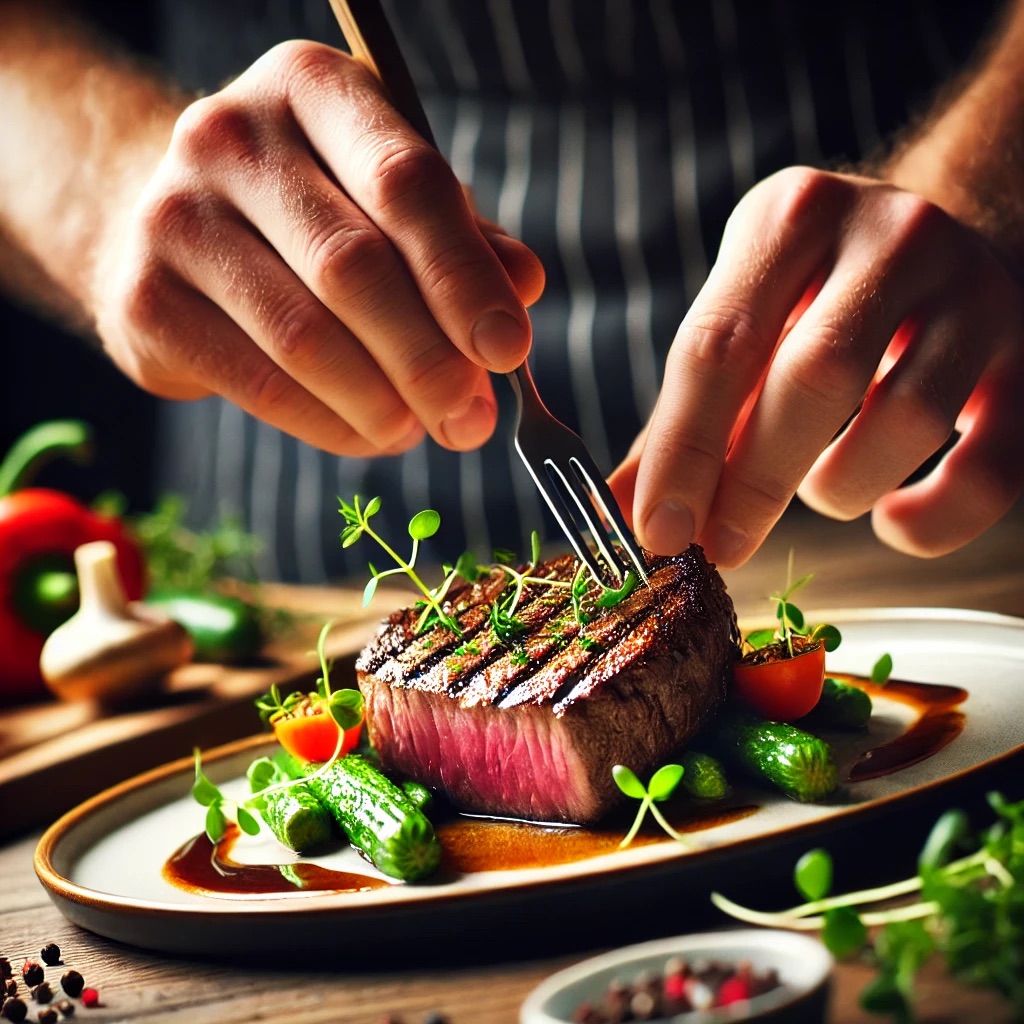
Flavor is one of the most intriguing aspects of culinary art and science, representing a complex interplay between taste, aroma, and the ingredients that create our favorite dishes. Among these ingredients, herbs and spices play a crucial role, often elevating a meal from mundane to extraordinary. But what exactly makes these flavor-enhancing agents work so well together? In this article, we will explore the science behind flavors, focusing on how herbs and spices complement each other and enhance our culinary experiences.
Understanding Flavor
Before diving into the specifics of herbs and spices, it's essential to understand what flavor is. Flavor is a multi-sensory experience that includes taste (the basic sensations detected by the taste buds: sweet, sour, salty, bitter, and umami) and aroma (the scents detected by the olfactory receptors in the nose). This experience is further enhanced by factors such as texture, temperature, and even visual appeal.
Herbs vs. Spices: What’s the Difference?
Herbs and spices are often used interchangeably, but they refer to different parts of plants. Herbs typically come from the leafy green part of the plant and are often used fresh or dried. Common examples include basil, parsley, and cilantro. Spices, on the other hand, are derived from other parts of the plant, such as seeds, bark, roots, or fruits. Examples of spices include cinnamon (bark), cumin (seeds), and ginger (root).
The Chemistry of Flavor
The flavor compounds in herbs and spices are primarily responsible for their unique tastes and aromas. These compounds often belong to various chemical categories, such as terpenes, phenolics, and aldehydes. For instance, the characteristic smell of basil comes from a compound called linalool, while the spicy kick of black pepper is attributed to piperine.
When herbs and spices are combined, their individual compounds can interact in complex ways, leading to enhanced flavors. This phenomenon can be explained through the concept of flavor synergy, which occurs when the combination of two or more ingredients results in a flavor that is greater than the sum of its parts.
Flavor Synergy: A Closer Look
Flavor synergy is not merely a culinary concept; it has a scientific basis rooted in the interactions between flavor compounds. When certain herbs and spices are paired together, they can enhance each other’s flavors, creating a more rounded and complex taste profile.
For example, consider the classic pairing of garlic and rosemary. Garlic contains sulfur compounds that provide a pungent flavor, while rosemary has a strong, aromatic profile due to its high concentration of rosmarinic acid. When cooked together, the garlic’s intensity balances the rosemary’s aroma, creating a harmonious flavor that enhances dishes such as roasted meats and vegetables.
Common Flavor Pairings
Understanding which herbs and spices work well together can elevate your cooking. Here are some popular pairings and the reasons they complement each other:
- Basil and Tomato: Basil’s sweet and slightly peppery flavor enhances the natural sweetness of tomatoes, making them a classic pairing in Italian cuisine.
- Cumin and Coriander: These two spices have a warm, earthy profile that complements each other beautifully, often used in Middle Eastern and Indian dishes.
- Thyme and Oregano: Both herbs have robust flavors that work well in Mediterranean dishes, with thyme adding a slightly minty note and oregano providing a peppery kick.
- Cinnamon and Nutmeg: These warm spices create a comforting flavor profile often used in baking, where their sweet and spicy notes blend seamlessly.
Cooking Techniques that Enhance Flavor
Beyond just combining herbs and spices, the way you cook with them can also influence their flavor profiles. Here are some techniques to consider:
- Toasting: Lightly toasting spices in a dry skillet can release their essential oils and intensify their flavors, making them more aromatic.
- Muddling: Crushing herbs, such as mint or basil, releases their essential oils, enhancing their flavor in cocktails or salads.
- Infusion: Infusing oils or liquids with herbs and spices allows their flavors to meld over time, creating a more complex taste.
- Layering: Adding herbs and spices at different stages of cooking can build depth. For example, adding dried herbs early in the cooking process and fresh herbs at the end allows for a nuanced flavor.
The Role of Freshness
Freshness plays a pivotal role in the flavor profiles of herbs and spices. Fresh herbs often have a brighter, more vibrant flavor compared to their dried counterparts, which can lose potency over time. When using dried herbs and spices, it’s crucial to ensure they are stored properly—away from light, heat, and moisture—to maintain their flavor.
Health Benefits of Herbs and Spices
In addition to enhancing flavor, many herbs and spices offer health benefits. For instance, turmeric contains curcumin, known for its anti-inflammatory properties. Cinnamon has been linked to improved blood sugar control, and garlic is known for its potential cardiovascular benefits. Incorporating a variety of herbs and spices into your cooking not only makes your dishes more flavorful but also contributes to a healthy diet.
Experimenting with Flavor
The beauty of cooking with herbs and spices lies in experimentation. Don’t be afraid to try unconventional combinations to discover new flavors. For instance, pairing sweet spices like cardamom with savory dishes can create an exciting contrast, while adding herbs to desserts can introduce unexpected freshness.
Conclusion
The science of flavor is a fascinating exploration of taste, aroma, and the chemistry behind our food. Understanding how herbs and spices work together opens up a world of culinary possibilities, allowing you to create dishes that are not only delicious but also rich in health benefits. By experimenting with different combinations and cooking techniques, you can elevate your cooking and enhance your dining experience.
So, the next time you reach for your spice rack, remember the science at play and let your creativity lead the way!
Related articles
 10 Essential Herbs and Spices to Elevate Your Cooking
 How to Grow Your Own Cooking Herbs at Home
 The Magic of Fresh vs. Dried Herbs
Which Should You Use?
The Magic of Fresh vs. Dried Herbs
Which Should You Use?
 Spice Up Your Life
Unique Spice Blends to Try
Spice Up Your Life
Unique Spice Blends to Try
 Herb-Infused Oils
A Flavorful Addition to Your Kitchen
Herb-Infused Oils
A Flavorful Addition to Your Kitchen
 Cooking with Herbs
Tips for Maximum Flavor
Cooking with Herbs
Tips for Maximum Flavor
 The Art of Seasoning
Balancing Herbs and Spices in Your Dishes
The Art of Seasoning
Balancing Herbs and Spices in Your Dishes
 Herbs and Spices for Every Cuisine
A Global Guide
Herbs and Spices for Every Cuisine
A Global Guide
 The Health Benefits of Cooking with Herbs and Spices
 Herbs in Baking
Surprising Ways to Use Them
Herbs in Baking
Surprising Ways to Use Them
 How to Pair Herbs and Spices with Proteins and Vegetables
 From Garden to Table
Cooking with Seasonal Herbs
From Garden to Table
Cooking with Seasonal Herbs
 Herbs and Spices for Everyday Cooking
Simple Recipes
Herbs and Spices for Everyday Cooking
Simple Recipes
 The Science Behind Flavor
How Herbs and Spices Transform Dishes
The Science Behind Flavor
How Herbs and Spices Transform Dishes
 Cooking with Herbs
A Beginner's Guide to Flavorful Meals
Cooking with Herbs
A Beginner's Guide to Flavorful Meals
 The Best Herbs for Grilling
Enhance Your BBQ Dishes
The Best Herbs for Grilling
Enhance Your BBQ Dishes
 Herbs and Spices
The Secret to Delicious Soups and Stews
Herbs and Spices
The Secret to Delicious Soups and Stews
 Creative Uses for Leftover Herb Stems and Spice Dust
 Herb-Driven Dishes
Recipes That Celebrate Fresh Flavors
Herb-Driven Dishes
Recipes That Celebrate Fresh Flavors
 The Role of Herbs and Spices in Traditional Cuisines
 Herbs for Health
Cooking with Nutrient-Rich Flavors
Herbs for Health
Cooking with Nutrient-Rich Flavors
 Making Your Own Spice Mixes
A Step-by-Step Guide
Making Your Own Spice Mixes
A Step-by-Step Guide
 Herbs for Infusions
Flavoring Your Drinks with Nature's Best
Herbs for Infusions
Flavoring Your Drinks with Nature's Best
 The Ultimate Guide to Cooking with Spices
Tips and Tricks
The Ultimate Guide to Cooking with Spices
Tips and Tricks
 Quick and Easy Herb Recipes for Busy Weeknights
 Herbs and Spices for the Perfect Salad
Fresh Combinations
Herbs and Spices for the Perfect Salad
Fresh Combinations
 Exploring Exotic Spices
How to Use Them in Everyday Cooking
Exploring Exotic Spices
How to Use Them in Everyday Cooking
 Culinary Trends
The Rise of Herbs and Spices in Modern Cuisine
Culinary Trends
The Rise of Herbs and Spices in Modern Cuisine
 Herbs and Spices for Comfort Food
Make Your Favorites Extra Special
Herbs and Spices for Comfort Food
Make Your Favorites Extra Special
 Aromatic Herbs
Transforming Your Cooking with Fragrance
Aromatic Herbs
Transforming Your Cooking with Fragrance
 Cooking with Spices
A Journey Through Flavor Profiles
Cooking with Spices
A Journey Through Flavor Profiles
 Herbs and Spices for Cooking with Kids
Fun and Flavorful Activities
Herbs and Spices for Cooking with Kids
Fun and Flavorful Activities
 The Herbal Kitchen
Organizing Your Spice Collection for Success
The Herbal Kitchen
Organizing Your Spice Collection for Success
 Cooking with Herbs and Spices
A Seasonal Approach
Cooking with Herbs and Spices
A Seasonal Approach
The Best Cooking Techniques to Enhance Herb and Spice Flavor
Herbs and Spices
The Flavor Foundation of Healthy Eating
Exploring Mediterranean Flavors
Cooking with Fresh Herbs
Herbs and Spices for Slow Cooking
Maximizing Flavor in Your Crockpot
The Future of Flavor
Innovative Uses for Herbs and Spices
Herbs and Spices
Creating Signature Dishes at Home
Herb and Spice Pairing
A Guide to Complementary Flavors
Cooking with Herbs and Spices
Tips for Meal Prepping
A Taste of India
Cooking with Traditional Spices
Herbs and Spices in Baking
Unleashing New Flavor Dimensions
Using Herbs and Spices to Create Flavorful Sauces and Marinades
The Benefits of Cooking with Fresh Herbs
A Flavor Revolution
Perfectly Seasoned
Mastering the Use of Herbs and Spices
Herbs and Spices for Meal Enhancement
Simple Cooking Hacks
Cooking with Herbs for Flavorful Vegan and Vegetarian Dishes
Herbs and Spices
Your Secret Weapon for Weeknight Dinners
Categories