The art of cooking
AI CHEF Blog

Herbs vs. Spices: Understanding the Differences
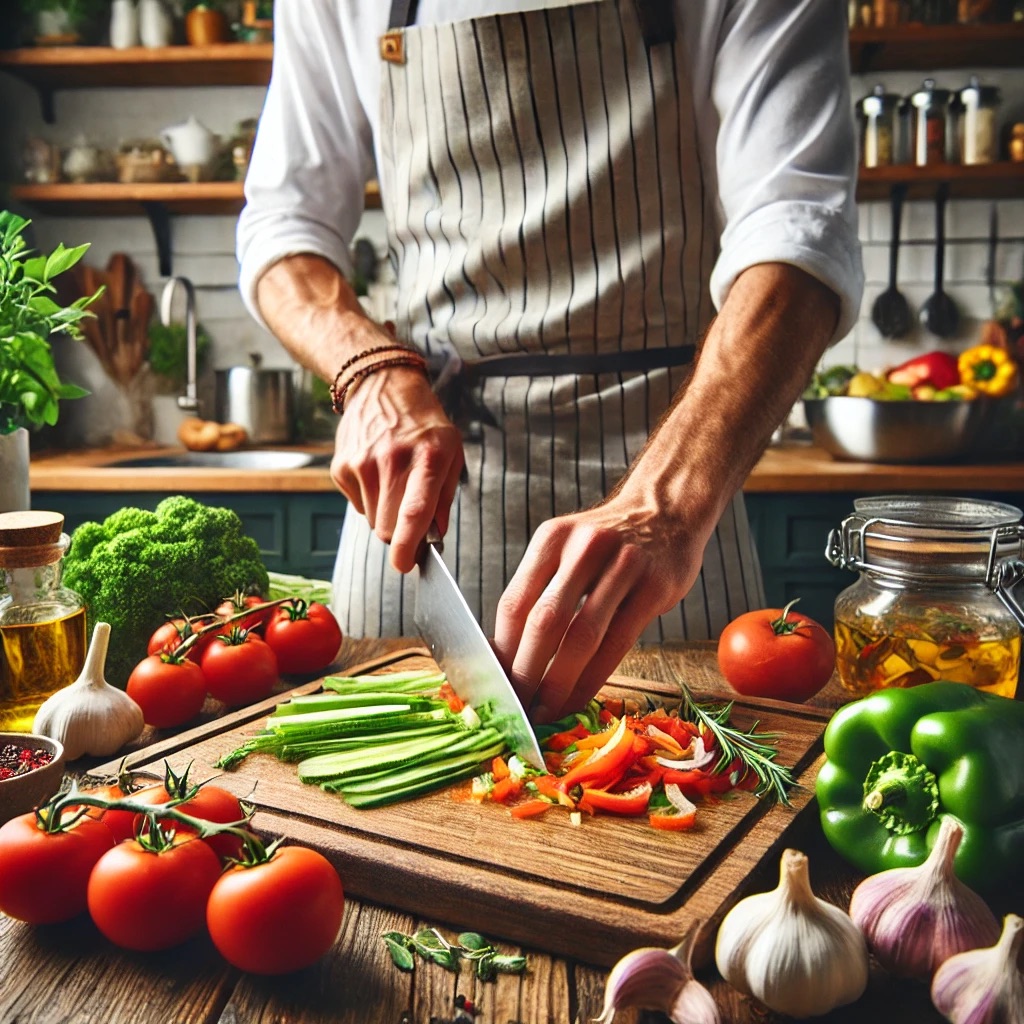
In the world of cooking and culinary arts, herbs and spices play vital roles in flavoring our food and enhancing our dishes. However, many people often confuse the two, not realizing that they come from different parts of the plants and serve different purposes in the kitchen. This blog post aims to clarify the differences between herbs and spices, highlighting their unique characteristics, uses, and benefits.
What Are Herbs?
Herbs are the leafy green parts of plants that are used primarily for flavoring and garnishing dishes. They can be used fresh or dried and are often found in a variety of cuisines around the world. Common culinary herbs include:
- Basil
- Parsley
- Oregano
- Thyme
- Cilantro
Herbs are known for their aromatic properties and are often used to complement the natural flavors of the ingredients in a dish. They are usually added towards the end of the cooking process to preserve their flavor and nutritional content. Fresh herbs tend to have a more vibrant and intense flavor compared to their dried counterparts, which can lose some of their potency over time.
What Are Spices?
Spices, on the other hand, are derived from other parts of the plant, including seeds, bark, roots, and fruits. They are usually dried and ground into powders or used whole in cooking. Spices are typically more potent than herbs and can significantly alter the flavor profile of a dish. Some popular spices include:
- Cinnamon (bark)
- Black pepper (berries)
- Ginger (root)
- Turmeric (root)
- Cumin (seeds)
Spices can be used in both savory and sweet dishes and are often added at the beginning of the cooking process to allow their flavors to meld with the other ingredients. They can also have strong medicinal properties and have been used for centuries in traditional medicine.
The Key Differences
While both herbs and spices are essential for adding flavor to our meals, there are key differences between the two:
- Plant Part: Herbs come from the leafy green parts of plants, while spices come from other parts such as seeds, roots, bark, or fruits.
- Flavor Intensity: Spices are generally more potent and concentrated in flavor compared to herbs.
- Usage: Herbs are often used fresh or dried to enhance flavors toward the end of cooking, while spices are typically used dried and can be added at the beginning of cooking.
- Nutritional Benefits: Both herbs and spices can offer various health benefits, but they may differ in their specific nutritional profiles. Herbs are often high in vitamins, while spices may have more antioxidant properties.
Culinary Uses of Herbs
Herbs can elevate a dish and provide freshness and brightness. Here are some common culinary uses:
- Basil: Commonly used in Italian dishes, pesto, and salads.
- Parsley: Often used as a garnish and in salads, sauces, and soups.
- Cilantro: A key ingredient in salsa, guacamole, and many Asian dishes.
- Thyme: Used in stews, soups, and roasted meats.
Fresh herbs can enhance dishes with their vibrant flavors, while dried herbs can provide a more subtle taste.
Culinary Uses of Spices
Spices can add depth and complexity to dishes. Here are some examples of spices and their culinary uses:
- Cinnamon: Used in both sweet and savory dishes, such as pastries, oatmeal, and curries.
- Black Pepper: An essential seasoning used in almost every cuisine worldwide.
- Turmeric: A key ingredient in curry powder and known for its vibrant yellow color.
- Ginger: Used in both sweet and savory dishes, as well as in teas.
Spices can be used to create complex flavor profiles, and they often hold their flavor for longer periods than herbs, making them a staple in many kitchens.
Health Benefits of Herbs and Spices
Both herbs and spices are packed with health benefits, making them valuable additions to your diet:
- Herbs: Many herbs are rich in vitamins A, C, and K, as well as antioxidants. For example, parsley is high in vitamin K, while basil contains anti-inflammatory properties.
- Spices: Spices often have strong anti-inflammatory and antioxidant properties. Turmeric, for instance, contains curcumin, which has been studied for its potential health benefits.
Incorporating a variety of herbs and spices into your meals can not only enhance flavor but also contribute to overall health.
Storing Herbs and Spices
To maintain the potency and flavor of herbs and spices, proper storage is crucial:
- Herbs: Fresh herbs should be stored in the refrigerator, wrapped in a damp paper towel, or placed in a jar of water. Dried herbs should be kept in airtight containers in a cool, dark place.
- Spices: Whole spices can last for several years, while ground spices should be used within six months to a year for optimal flavor. Store spices in airtight containers away from light and heat.
Conclusion
Understanding the differences between herbs and spices can elevate your cooking and enhance the flavors of your dishes. By using a combination of both, you can create meals that are not only delicious but also rich in nutrients. So next time you’re in the kitchen, consider the unique qualities of herbs and spices and how they can transform your culinary creations.
Happy cooking!
Related articles
 10 Essential Herbs and Spices to Elevate Your Cooking
 How to Grow Your Own Cooking Herbs at Home
 The Magic of Fresh vs. Dried Herbs
Which Should You Use?
The Magic of Fresh vs. Dried Herbs
Which Should You Use?
 Spice Up Your Life
Unique Spice Blends to Try
Spice Up Your Life
Unique Spice Blends to Try
 Herb-Infused Oils
A Flavorful Addition to Your Kitchen
Herb-Infused Oils
A Flavorful Addition to Your Kitchen
 Cooking with Herbs
Tips for Maximum Flavor
Cooking with Herbs
Tips for Maximum Flavor
 The Art of Seasoning
Balancing Herbs and Spices in Your Dishes
The Art of Seasoning
Balancing Herbs and Spices in Your Dishes
 Herbs and Spices for Every Cuisine
A Global Guide
Herbs and Spices for Every Cuisine
A Global Guide
 The Health Benefits of Cooking with Herbs and Spices
 Herbs in Baking
Surprising Ways to Use Them
Herbs in Baking
Surprising Ways to Use Them
 How to Pair Herbs and Spices with Proteins and Vegetables
 From Garden to Table
Cooking with Seasonal Herbs
From Garden to Table
Cooking with Seasonal Herbs
 Herbs and Spices for Everyday Cooking
Simple Recipes
Herbs and Spices for Everyday Cooking
Simple Recipes
 The Science Behind Flavor
How Herbs and Spices Transform Dishes
The Science Behind Flavor
How Herbs and Spices Transform Dishes
 Cooking with Herbs
A Beginner's Guide to Flavorful Meals
Cooking with Herbs
A Beginner's Guide to Flavorful Meals
 The Best Herbs for Grilling
Enhance Your BBQ Dishes
The Best Herbs for Grilling
Enhance Your BBQ Dishes
 Herbs and Spices
The Secret to Delicious Soups and Stews
Herbs and Spices
The Secret to Delicious Soups and Stews
 Creative Uses for Leftover Herb Stems and Spice Dust
 Herb-Driven Dishes
Recipes That Celebrate Fresh Flavors
Herb-Driven Dishes
Recipes That Celebrate Fresh Flavors
 The Role of Herbs and Spices in Traditional Cuisines
 Herbs for Health
Cooking with Nutrient-Rich Flavors
Herbs for Health
Cooking with Nutrient-Rich Flavors
 Making Your Own Spice Mixes
A Step-by-Step Guide
Making Your Own Spice Mixes
A Step-by-Step Guide
 Herbs for Infusions
Flavoring Your Drinks with Nature's Best
Herbs for Infusions
Flavoring Your Drinks with Nature's Best
 The Ultimate Guide to Cooking with Spices
Tips and Tricks
The Ultimate Guide to Cooking with Spices
Tips and Tricks
 Quick and Easy Herb Recipes for Busy Weeknights
 Herbs and Spices for the Perfect Salad
Fresh Combinations
Herbs and Spices for the Perfect Salad
Fresh Combinations
 Exploring Exotic Spices
How to Use Them in Everyday Cooking
Exploring Exotic Spices
How to Use Them in Everyday Cooking
 Culinary Trends
The Rise of Herbs and Spices in Modern Cuisine
Culinary Trends
The Rise of Herbs and Spices in Modern Cuisine
 Herbs and Spices for Comfort Food
Make Your Favorites Extra Special
Herbs and Spices for Comfort Food
Make Your Favorites Extra Special
 Aromatic Herbs
Transforming Your Cooking with Fragrance
Aromatic Herbs
Transforming Your Cooking with Fragrance
 Cooking with Spices
A Journey Through Flavor Profiles
Cooking with Spices
A Journey Through Flavor Profiles
 Herbs and Spices for Cooking with Kids
Fun and Flavorful Activities
Herbs and Spices for Cooking with Kids
Fun and Flavorful Activities
 The Herbal Kitchen
Organizing Your Spice Collection for Success
The Herbal Kitchen
Organizing Your Spice Collection for Success
 Cooking with Herbs and Spices
A Seasonal Approach
Cooking with Herbs and Spices
A Seasonal Approach
The Best Cooking Techniques to Enhance Herb and Spice Flavor
Herbs and Spices
The Flavor Foundation of Healthy Eating
Exploring Mediterranean Flavors
Cooking with Fresh Herbs
Herbs and Spices for Slow Cooking
Maximizing Flavor in Your Crockpot
The Future of Flavor
Innovative Uses for Herbs and Spices
Herbs and Spices
Creating Signature Dishes at Home
Herb and Spice Pairing
A Guide to Complementary Flavors
Cooking with Herbs and Spices
Tips for Meal Prepping
A Taste of India
Cooking with Traditional Spices
Herbs and Spices in Baking
Unleashing New Flavor Dimensions
Using Herbs and Spices to Create Flavorful Sauces and Marinades
The Benefits of Cooking with Fresh Herbs
A Flavor Revolution
Perfectly Seasoned
Mastering the Use of Herbs and Spices
Herbs and Spices for Meal Enhancement
Simple Cooking Hacks
Cooking with Herbs for Flavorful Vegan and Vegetarian Dishes
Herbs and Spices
Your Secret Weapon for Weeknight Dinners
Categories