The art of cooking
AI CHEF Blog

Cooking with Spices: A Beginner's Guide to Flavoring
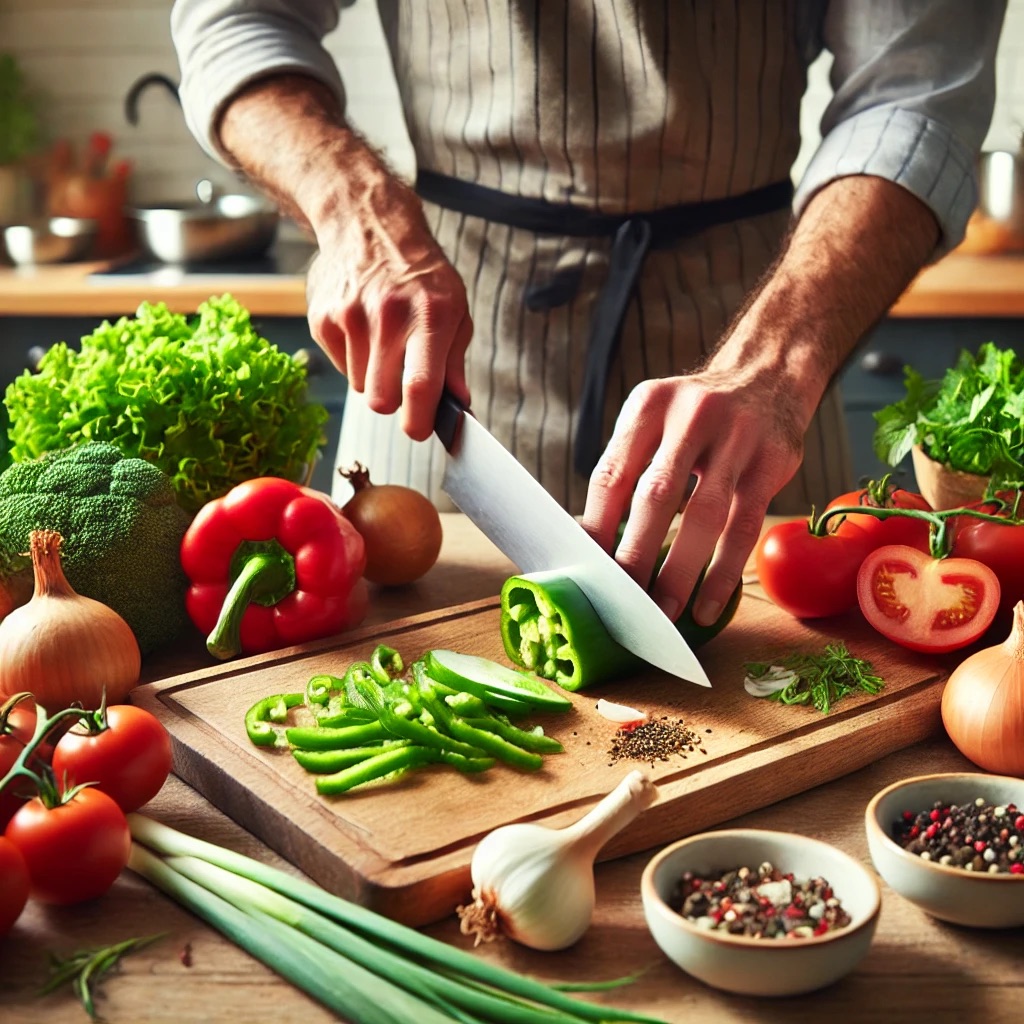
Cooking is an art, and like any art, it requires the right tools and techniques. One of the most powerful tools at your disposal is spices. They can transform a mundane dish into a culinary masterpiece, adding depth, warmth, and complexity to flavors. If you're new to the world of cooking with spices, this guide will help you navigate the basics, so you can start enhancing your meals today.
Understanding Spices
Spices are derived from various parts of plants, including seeds, bark, roots, and fruits. They are different from herbs, which are typically made from the leafy green parts of plants. Spices have been used for centuries, not only to enhance flavor but also for their medicinal properties and ability to preserve food.
Common Spices and Their Uses
Here are some of the most common spices you'll encounter in the kitchen, along with suggestions on how to use them:
- Black Pepper: This ubiquitous spice adds heat and depth. Use it to season meats, vegetables, and soups.
- Cinnamon: A sweet and woody spice, cinnamon is perfect for both sweet and savory dishes. Sprinkle it on oatmeal, add it to baked goods, or use it to flavor stews.
- Cumin: With its earthy flavor, cumin is essential in Indian, Middle Eastern, and Mexican cuisines. It's great in curries, chili, and roasted vegetables.
- Turmeric: Known for its vibrant yellow color, turmeric has a warm and slightly bitter flavor. It’s a key ingredient in curry powder and is often used in rice dishes and soups.
- Paprika: Made from dried and ground peppers, paprika can be sweet, smoked, or hot. It’s perfect for seasoning meats, vegetables, and sauces.
- Ginger: Fresh or ground, ginger adds a zesty kick to dishes. Use it in stir-fries, marinades, and baked goods.
- Garlic Powder: A convenient alternative to fresh garlic, garlic powder can enhance the flavor of almost any savory dish. It's great in marinades, soups, and dressings.
- Chili Powder: This spice blend adds heat and depth. Use it in chili, tacos, or to spice up roasted vegetables.
How to Use Spices
Using spices effectively is about balance and timing. Here are some tips to help you get started:
- Start Small: If you're new to cooking with spices, start with a small amount and adjust to taste. You can always add more, but it's hard to fix an overly spiced dish.
- Toast Spices: Toasting whole spices in a dry pan for a few minutes can enhance their flavor. Be careful not to burn them, as this can create a bitter taste.
- Use Fresh Spices: Spices lose their potency over time. If possible, buy whole spices and grind them as needed, or purchase fresh ground spices from a reputable source.
- Layer Flavors: Add spices at different stages of cooking. For instance, add some spices at the beginning of cooking to develop the base flavor, and then finish with a sprinkle of fresh spices just before serving.
- Experiment: Don’t be afraid to try new spice combinations. Cooking is about exploration and creativity, so mix and match spices to discover new flavors that you love.
Storing Spices
Proper storage is key to maintaining the flavor of your spices. Here are some tips:
- Keep Them Cool and Dark: Store spices in a cool, dark place away from direct sunlight and heat. A pantry or cupboard is ideal.
- Use Airtight Containers: Keep spices in airtight containers to prevent moisture and air exposure, which can degrade their quality.
- Label and Date: Label your spices with the date of purchase. Most ground spices last about 2-3 years, while whole spices can last up to 4 years.
Cooking with Spices: Simple Recipes to Try
Now that you have an idea of how to use spices, here are a couple of simple recipes to get you started:
Spiced Roasted Vegetables
Ingredients:
- 2 cups of mixed vegetables (carrots, bell peppers, zucchini, etc.)
- 2 tablespoons olive oil
- 1 teaspoon cumin
- 1 teaspoon paprika
- Salt and pepper to taste
Instructions:
- Preheat your oven to 425°F (220°C).
- In a large bowl, combine the vegetables, olive oil, cumin, paprika, salt, and pepper. Toss until the vegetables are evenly coated.
- Spread the vegetables on a baking sheet in a single layer.
- Roast for 20-25 minutes or until the vegetables are tender and slightly caramelized.
Cinnamon Oatmeal
Ingredients:
- 1 cup rolled oats
- 2 cups water or milk
- 1 teaspoon cinnamon
- 1 tablespoon honey or maple syrup
- Optional toppings: nuts, fruits, yogurt
Instructions:
- In a saucepan, bring the water or milk to a boil.
- Add the oats and reduce the heat to medium. Stir in the cinnamon.
- Cook for about 5-7 minutes, stirring occasionally, until the oats are tender.
- Remove from heat and stir in honey or maple syrup. Top with your favorite toppings before serving.
Conclusion
Cooking with spices is an exciting journey that can elevate your culinary skills and enhance the flavors of your dishes. By understanding the different types of spices, how to use them, and experimenting in your kitchen, you'll soon find that cooking becomes not only easier but also more enjoyable. So gather your spices, roll up your sleeves, and start exploring the wonderful world of flavoring!
Related articles
 10 Essential Herbs and Spices to Elevate Your Cooking
 How to Grow Your Own Cooking Herbs at Home
 The Magic of Fresh vs. Dried Herbs
Which Should You Use?
The Magic of Fresh vs. Dried Herbs
Which Should You Use?
 Spice Up Your Life
Unique Spice Blends to Try
Spice Up Your Life
Unique Spice Blends to Try
 Herb-Infused Oils
A Flavorful Addition to Your Kitchen
Herb-Infused Oils
A Flavorful Addition to Your Kitchen
 Cooking with Herbs
Tips for Maximum Flavor
Cooking with Herbs
Tips for Maximum Flavor
 The Art of Seasoning
Balancing Herbs and Spices in Your Dishes
The Art of Seasoning
Balancing Herbs and Spices in Your Dishes
 Herbs and Spices for Every Cuisine
A Global Guide
Herbs and Spices for Every Cuisine
A Global Guide
 The Health Benefits of Cooking with Herbs and Spices
 Herbs in Baking
Surprising Ways to Use Them
Herbs in Baking
Surprising Ways to Use Them
 How to Pair Herbs and Spices with Proteins and Vegetables
 From Garden to Table
Cooking with Seasonal Herbs
From Garden to Table
Cooking with Seasonal Herbs
 Herbs and Spices for Everyday Cooking
Simple Recipes
Herbs and Spices for Everyday Cooking
Simple Recipes
 The Science Behind Flavor
How Herbs and Spices Transform Dishes
The Science Behind Flavor
How Herbs and Spices Transform Dishes
 Cooking with Herbs
A Beginner's Guide to Flavorful Meals
Cooking with Herbs
A Beginner's Guide to Flavorful Meals
 The Best Herbs for Grilling
Enhance Your BBQ Dishes
The Best Herbs for Grilling
Enhance Your BBQ Dishes
 Herbs and Spices
The Secret to Delicious Soups and Stews
Herbs and Spices
The Secret to Delicious Soups and Stews
 Creative Uses for Leftover Herb Stems and Spice Dust
 Herb-Driven Dishes
Recipes That Celebrate Fresh Flavors
Herb-Driven Dishes
Recipes That Celebrate Fresh Flavors
 The Role of Herbs and Spices in Traditional Cuisines
 Herbs for Health
Cooking with Nutrient-Rich Flavors
Herbs for Health
Cooking with Nutrient-Rich Flavors
 Making Your Own Spice Mixes
A Step-by-Step Guide
Making Your Own Spice Mixes
A Step-by-Step Guide
 Herbs for Infusions
Flavoring Your Drinks with Nature's Best
Herbs for Infusions
Flavoring Your Drinks with Nature's Best
 The Ultimate Guide to Cooking with Spices
Tips and Tricks
The Ultimate Guide to Cooking with Spices
Tips and Tricks
 Quick and Easy Herb Recipes for Busy Weeknights
 Herbs and Spices for the Perfect Salad
Fresh Combinations
Herbs and Spices for the Perfect Salad
Fresh Combinations
 Exploring Exotic Spices
How to Use Them in Everyday Cooking
Exploring Exotic Spices
How to Use Them in Everyday Cooking
 Culinary Trends
The Rise of Herbs and Spices in Modern Cuisine
Culinary Trends
The Rise of Herbs and Spices in Modern Cuisine
 Herbs and Spices for Comfort Food
Make Your Favorites Extra Special
Herbs and Spices for Comfort Food
Make Your Favorites Extra Special
 Aromatic Herbs
Transforming Your Cooking with Fragrance
Aromatic Herbs
Transforming Your Cooking with Fragrance
 Cooking with Spices
A Journey Through Flavor Profiles
Cooking with Spices
A Journey Through Flavor Profiles
 Herbs and Spices for Cooking with Kids
Fun and Flavorful Activities
Herbs and Spices for Cooking with Kids
Fun and Flavorful Activities
 The Herbal Kitchen
Organizing Your Spice Collection for Success
The Herbal Kitchen
Organizing Your Spice Collection for Success
 Cooking with Herbs and Spices
A Seasonal Approach
Cooking with Herbs and Spices
A Seasonal Approach
The Best Cooking Techniques to Enhance Herb and Spice Flavor
Herbs and Spices
The Flavor Foundation of Healthy Eating
Exploring Mediterranean Flavors
Cooking with Fresh Herbs
Herbs and Spices for Slow Cooking
Maximizing Flavor in Your Crockpot
The Future of Flavor
Innovative Uses for Herbs and Spices
Herbs and Spices
Creating Signature Dishes at Home
Herb and Spice Pairing
A Guide to Complementary Flavors
Cooking with Herbs and Spices
Tips for Meal Prepping
A Taste of India
Cooking with Traditional Spices
Herbs and Spices in Baking
Unleashing New Flavor Dimensions
Using Herbs and Spices to Create Flavorful Sauces and Marinades
The Benefits of Cooking with Fresh Herbs
A Flavor Revolution
Perfectly Seasoned
Mastering the Use of Herbs and Spices
Herbs and Spices for Meal Enhancement
Simple Cooking Hacks
Cooking with Herbs for Flavorful Vegan and Vegetarian Dishes
Herbs and Spices
Your Secret Weapon for Weeknight Dinners
Categories