The art of cooking
AI CHEF Blog

How to Dry Herbs and Spices for Long-Term Use
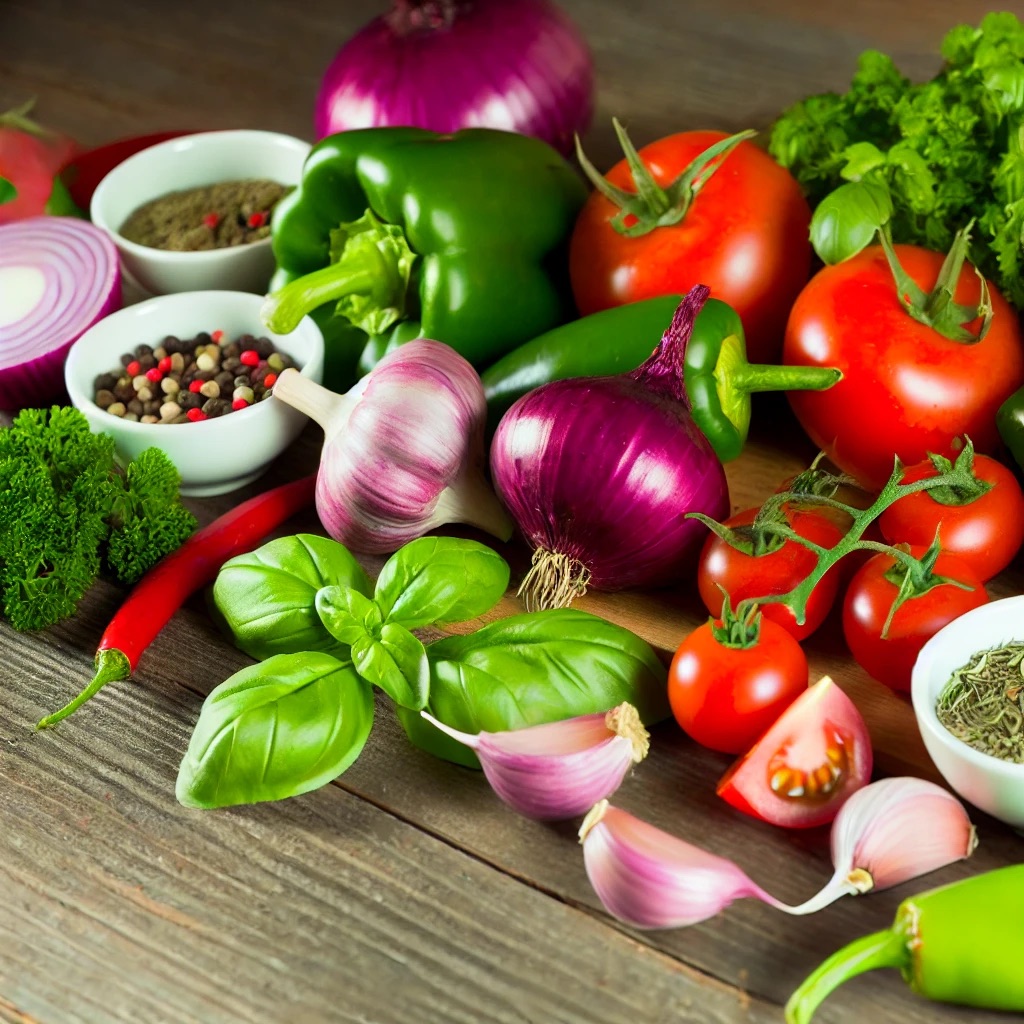
Herbs and spices add flavor, aroma, and nutrition to our meals. However, fresh herbs and spices have a limited shelf life, which can lead to waste. Drying herbs and spices is an excellent way to preserve their flavor and potency for long-term use. In this guide, we will explore various methods to dry herbs and spices, tips for storage, and how to use them effectively.
Why Dry Herbs and Spices?
Drying herbs and spices enhances their shelf life, reduces waste, and allows you to enjoy the flavors of your garden or your favorite herbs year-round. Dried herbs and spices can retain their flavor for months or even years when stored properly. Plus, the process of drying is simple and can be done at home.
Choosing the Right Herbs and Spices
Not all herbs and spices are suitable for drying. Here are some of the best candidates:
- Herbs: Basil, oregano, thyme, rosemary, sage, dill, coriander, mint, and parsley.
- Spices: Chili peppers, garlic, ginger, and turmeric.
Choose fresh, healthy plants for drying. Look for vibrant colors and avoid any that show signs of wilting or disease.
Methods for Drying Herbs and Spices
There are several effective methods for drying herbs and spices:
1. Air Drying
Air drying is the simplest and most traditional method. This process requires no special equipment, making it accessible to everyone. Here’s how to do it:
- Gather fresh herbs or spices and wash them gently to remove any dirt or insects.
- Pat them dry with a clean towel or let them air dry for a few hours.
- Bundle the herbs in small groups using twine or string.
- Hang the bundles upside down in a warm, dry location away from direct sunlight. A well-ventilated area is ideal.
- Check the herbs every few days; they are ready when they feel crisp and crumble easily.
2. Oven Drying
If you need to dry herbs quickly, using an oven is an effective method. Follow these steps:
- Preheat your oven to the lowest setting (usually around 150°F or 65°C).
- Spread the herbs evenly on a baking sheet lined with parchment paper.
- Place the baking sheet in the oven and leave the door slightly ajar to allow moisture to escape.
- Check the herbs every 15 minutes, removing them once they are completely dry.
3. Dehydrator Drying
A food dehydrator is a fantastic tool for drying herbs and spices. It allows for even drying at low temperatures. Here’s how to use it:
- Prepare the herbs by washing and patting them dry.
- Place the herbs on the dehydrator trays in a single layer, avoiding overlap.
- Set the dehydrator to the recommended temperature (usually around 95°F to 115°F or 35°C to 46°C for herbs).
- Dry for several hours, checking periodically until they are completely dry.
4. Microwave Drying
This is a quick but less common method. It’s best for small batches:
- Place fresh herbs between two paper towels on a microwave-safe plate.
- Microwave on low power in 30-second intervals until the herbs are dry, checking carefully to avoid burning.
Storing Dried Herbs and Spices
Proper storage is crucial to maintaining the flavor and potency of dried herbs and spices. Follow these guidelines:
- Use airtight containers: Store dried herbs and spices in glass jars, metal tins, or vacuum-sealed bags to keep moisture out.
- Store in a cool, dark place: Light, heat, and humidity can degrade the quality of dried herbs and spices. A pantry or cupboard is ideal.
- Label and date: Always label your containers with the name of the herb or spice and the date it was dried. This helps you keep track of freshness.
Using Dried Herbs and Spices
Dried herbs and spices can be used in various ways:
- Cooking: Add dried herbs and spices to soups, stews, sauces, marinades, and stir-fries for enhanced flavor.
- Infusions: Use dried herbs to make herbal teas or infuse oils and vinegars.
- Seasoning: Sprinkle dried herbs on pizza, pasta, or roasted vegetables to elevate the dish.
Remember that dried herbs are generally more potent than fresh ones, so you may need to adjust the quantities in your recipes.
Conclusion
Drying herbs and spices is a simple and rewarding process that allows you to enjoy the flavors of your favorite plants year-round. Whether you choose air drying, oven drying, using a dehydrator, or the microwave, each method has its advantages. Once dried, proper storage will help preserve their quality for months to come. By incorporating dried herbs and spices into your cooking, you can enhance the flavor of your dishes while saving money and reducing waste.
So, gather your fresh herbs and spices, pick a drying method, and start preserving the vibrant flavors of nature to enjoy long-term!
Related articles
 10 Essential Herbs and Spices to Elevate Your Cooking
 How to Grow Your Own Cooking Herbs at Home
 The Magic of Fresh vs. Dried Herbs
Which Should You Use?
The Magic of Fresh vs. Dried Herbs
Which Should You Use?
 Spice Up Your Life
Unique Spice Blends to Try
Spice Up Your Life
Unique Spice Blends to Try
 Herb-Infused Oils
A Flavorful Addition to Your Kitchen
Herb-Infused Oils
A Flavorful Addition to Your Kitchen
 Cooking with Herbs
Tips for Maximum Flavor
Cooking with Herbs
Tips for Maximum Flavor
 The Art of Seasoning
Balancing Herbs and Spices in Your Dishes
The Art of Seasoning
Balancing Herbs and Spices in Your Dishes
 Herbs and Spices for Every Cuisine
A Global Guide
Herbs and Spices for Every Cuisine
A Global Guide
 The Health Benefits of Cooking with Herbs and Spices
 Herbs in Baking
Surprising Ways to Use Them
Herbs in Baking
Surprising Ways to Use Them
 How to Pair Herbs and Spices with Proteins and Vegetables
 From Garden to Table
Cooking with Seasonal Herbs
From Garden to Table
Cooking with Seasonal Herbs
 Herbs and Spices for Everyday Cooking
Simple Recipes
Herbs and Spices for Everyday Cooking
Simple Recipes
 The Science Behind Flavor
How Herbs and Spices Transform Dishes
The Science Behind Flavor
How Herbs and Spices Transform Dishes
 Cooking with Herbs
A Beginner's Guide to Flavorful Meals
Cooking with Herbs
A Beginner's Guide to Flavorful Meals
 The Best Herbs for Grilling
Enhance Your BBQ Dishes
The Best Herbs for Grilling
Enhance Your BBQ Dishes
 Herbs and Spices
The Secret to Delicious Soups and Stews
Herbs and Spices
The Secret to Delicious Soups and Stews
 Creative Uses for Leftover Herb Stems and Spice Dust
 Herb-Driven Dishes
Recipes That Celebrate Fresh Flavors
Herb-Driven Dishes
Recipes That Celebrate Fresh Flavors
 The Role of Herbs and Spices in Traditional Cuisines
 Herbs for Health
Cooking with Nutrient-Rich Flavors
Herbs for Health
Cooking with Nutrient-Rich Flavors
 Making Your Own Spice Mixes
A Step-by-Step Guide
Making Your Own Spice Mixes
A Step-by-Step Guide
 Herbs for Infusions
Flavoring Your Drinks with Nature's Best
Herbs for Infusions
Flavoring Your Drinks with Nature's Best
 The Ultimate Guide to Cooking with Spices
Tips and Tricks
The Ultimate Guide to Cooking with Spices
Tips and Tricks
 Quick and Easy Herb Recipes for Busy Weeknights
 Herbs and Spices for the Perfect Salad
Fresh Combinations
Herbs and Spices for the Perfect Salad
Fresh Combinations
 Exploring Exotic Spices
How to Use Them in Everyday Cooking
Exploring Exotic Spices
How to Use Them in Everyday Cooking
 Culinary Trends
The Rise of Herbs and Spices in Modern Cuisine
Culinary Trends
The Rise of Herbs and Spices in Modern Cuisine
 Herbs and Spices for Comfort Food
Make Your Favorites Extra Special
Herbs and Spices for Comfort Food
Make Your Favorites Extra Special
 Aromatic Herbs
Transforming Your Cooking with Fragrance
Aromatic Herbs
Transforming Your Cooking with Fragrance
 Cooking with Spices
A Journey Through Flavor Profiles
Cooking with Spices
A Journey Through Flavor Profiles
 Herbs and Spices for Cooking with Kids
Fun and Flavorful Activities
Herbs and Spices for Cooking with Kids
Fun and Flavorful Activities
 The Herbal Kitchen
Organizing Your Spice Collection for Success
The Herbal Kitchen
Organizing Your Spice Collection for Success
 Cooking with Herbs and Spices
A Seasonal Approach
Cooking with Herbs and Spices
A Seasonal Approach
The Best Cooking Techniques to Enhance Herb and Spice Flavor
Herbs and Spices
The Flavor Foundation of Healthy Eating
Exploring Mediterranean Flavors
Cooking with Fresh Herbs
Herbs and Spices for Slow Cooking
Maximizing Flavor in Your Crockpot
The Future of Flavor
Innovative Uses for Herbs and Spices
Herbs and Spices
Creating Signature Dishes at Home
Herb and Spice Pairing
A Guide to Complementary Flavors
Cooking with Herbs and Spices
Tips for Meal Prepping
A Taste of India
Cooking with Traditional Spices
Herbs and Spices in Baking
Unleashing New Flavor Dimensions
Using Herbs and Spices to Create Flavorful Sauces and Marinades
The Benefits of Cooking with Fresh Herbs
A Flavor Revolution
Perfectly Seasoned
Mastering the Use of Herbs and Spices
Herbs and Spices for Meal Enhancement
Simple Cooking Hacks
Cooking with Herbs for Flavorful Vegan and Vegetarian Dishes
Herbs and Spices
Your Secret Weapon for Weeknight Dinners
Categories