The art of cooking
AI CHEF Blog

Fermenting with Herbs: Adding Depth to Your Dishes
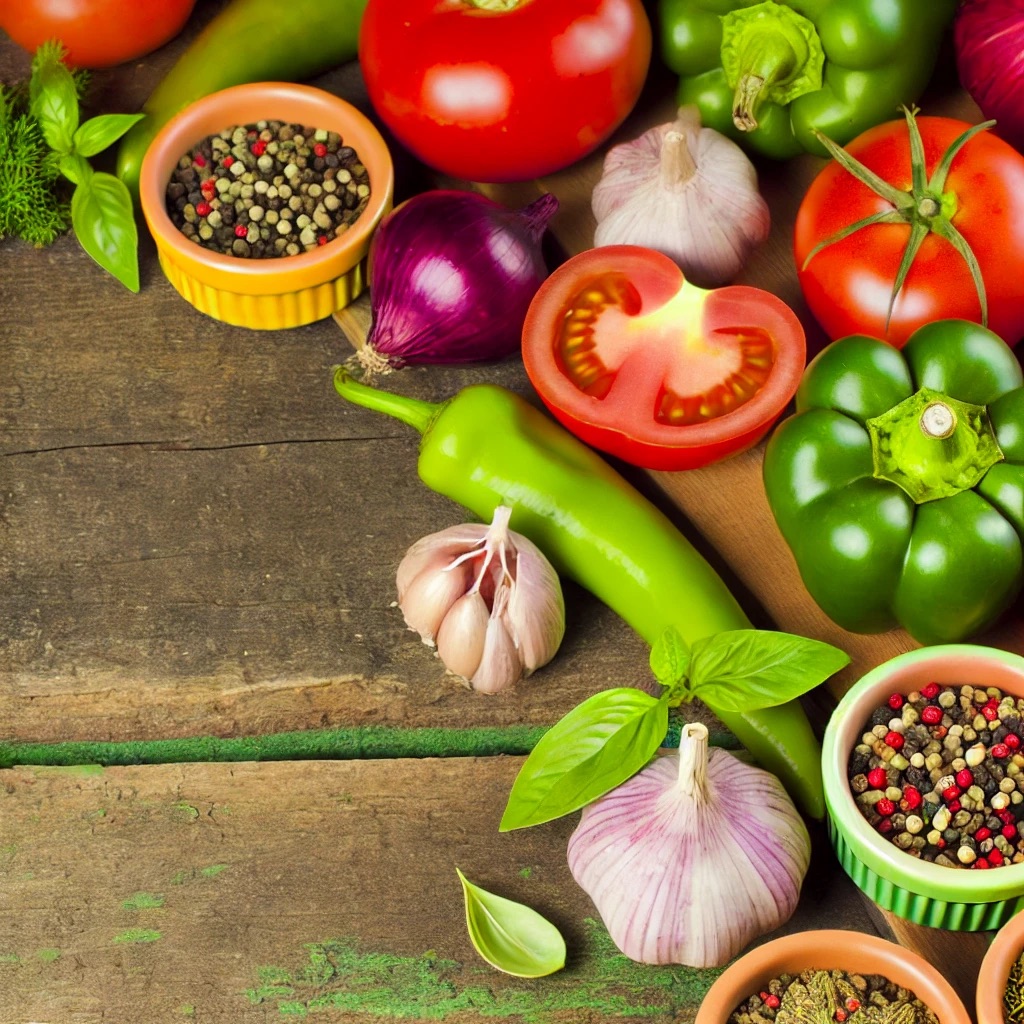
Fermentation is an ancient culinary technique that has been used for centuries to preserve food and enhance its flavor profile. While we often associate fermentation with vegetables and dairy, herbs are a powerful yet often overlooked ingredient that can elevate your fermented dishes to new heights. In this blog post, we will explore the art of fermenting with herbs, how they can add depth to your dishes, and some practical tips to get you started.
The Benefits of Fermentation
Before we dive into the specifics of using herbs in fermentation, let’s briefly discuss the benefits of fermentation itself. Fermentation is not just a method of preservation; it also enriches our food with beneficial probiotics, enhances nutrient absorption, and introduces complex flavors that can transform even the simplest ingredients. When you ferment food, you create an environment that encourages the growth of beneficial bacteria while inhibiting harmful pathogens.
Why Use Herbs in Fermentation?
Herbs are not only flavorful but also packed with health benefits. They contain antioxidants, vitamins, and minerals that can contribute to overall wellness. When added to fermented foods, herbs can enhance the flavor and aroma, creating a more vibrant and interesting dish. Here are some reasons why you should consider incorporating herbs into your fermentation process:
- Flavor Enhancement: Fresh herbs can add layers of flavor that complement the sourness of fermented foods.
- Aromatic Qualities: Herbs can impart wonderful aromas that make the final product more appealing.
- Nutritional Benefits: Many herbs have medicinal properties, adding an extra health boost to your fermented creations.
- Variety: Using different herbs can change the character of your ferments, allowing for endless experimentation and creativity.
Choosing the Right Herbs
Not all herbs are suitable for fermentation, and some work better than others depending on the type of food you are fermenting. Here are some popular herbs that can be used in fermentation:
- Dill: A classic choice for pickling, dill adds a fresh, slightly tangy flavor.
- Thyme: Its earthy notes can add depth to sauerkraut and fermented vegetables.
- Oregano: Known for its robust flavor, oregano pairs well with tomato-based ferments.
- Basil: This aromatic herb is fantastic in fermented sauces or as a flavoring for vegetable ferments.
- Mint: Adds a refreshing twist to sweet ferments like fruit preserves.
- Rosemary: Its strong flavor can enhance the taste of fermented meats and vegetables.
- Cilantro: Perfect for adding a zesty flavor to salsas and vegetable ferments.
Fermentation Techniques with Herbs
There are several ways to incorporate herbs into your fermentation process. Here are a few techniques to consider:
1. Herb-Infused Brines
When pickling vegetables, you can create a herb-infused brine by steeping fresh herbs in vinegar or saltwater before adding your vegetables. This method allows the herbs to impart their flavors fully into the brine, which then seeps into the vegetables during fermentation.
2. Layering Herbs with Vegetables
For vegetable ferments like sauerkraut or kimchi, consider layering herbs with your vegetables in the fermentation vessel. This method allows the herbs to infuse their flavor directly into the vegetables as they ferment.
3. Herb-Infused Fermented Sauces
You can create delicious fermented sauces by blending herbs with vegetables, fruits, or even grains. Ferment the mixture, and you’ll end up with a tangy, flavorful sauce that can be used in various dishes.
4. Adding Herbs at the End of Fermentation
For some ferments, adding fresh herbs at the end of the fermentation process can add a burst of flavor and aroma. This technique works well for ferments like salsa or chutneys, where you want to maintain the freshness of the herbs.
Simple Recipes to Get Started
Now that you know how to incorporate herbs into your fermentation, here are a couple of simple recipes to get you started:
Herb-Infused Pickled Cucumbers
Ingredients:
- 4 medium cucumbers, sliced
- 2 cups water
- 1 cup vinegar (white or apple cider)
- 2 tablespoons salt
- 1 tablespoon dill seeds
- 1 bunch fresh dill
- 2 cloves garlic, smashed
Instructions:
- In a saucepan, combine water, vinegar, and salt. Heat until the salt is dissolved.
- In a clean jar, layer the cucumber slices, fresh dill, dill seeds, and garlic.
- Pour the brine over the cucumbers, ensuring they are fully submerged.
- Seal the jar and let it sit at room temperature for 3-5 days until fermented to your liking.
- Refrigerate to stop the fermentation process and enjoy!
Thyme-Infused Sauerkraut
Ingredients:
- 1 medium head of green cabbage, shredded
- 1 tablespoon salt
- 1 tablespoon fresh thyme leaves
Instructions:
- In a large bowl, combine shredded cabbage, salt, and thyme. Massage the mixture for 5-10 minutes until the cabbage releases its juices.
- Pack the cabbage tightly into a fermentation jar, pressing down to ensure the liquid covers the cabbage.
- Seal the jar and let it ferment at room temperature for 1-4 weeks, tasting periodically until it reaches your desired flavor.
- Once fermented, store it in the refrigerator to slow down the fermentation process.
Tips for Successful Herb Fermentation
To ensure the best results when fermenting with herbs, keep these tips in mind:
- Use Fresh Herbs: Fresh herbs provide the most flavor and aroma. Dried herbs can be used but may not impart the same vibrancy.
- Experiment: Don’t be afraid to try different combinations of herbs and vegetables. Each herb brings its unique flavor profile.
- Monitor Fermentation: Keep an eye on your ferments, especially when adding herbs, as they can sometimes alter the fermentation speed.
- Store Properly: Once fermented, store your creations in a cool, dark place to prolong shelf life.
Conclusion
Fermenting with herbs is a fantastic way to add depth, complexity, and health benefits to your dishes. With a little creativity and experimentation, you can create vibrant fermented foods that tantalize your taste buds. Whether you’re a seasoned fermenter or just starting, incorporating herbs into your fermentation process will undoubtedly elevate your culinary creations. So gather some fresh herbs from your garden or local market and start exploring the world of herb-infused fermentation today!
Related articles
 10 Essential Herbs and Spices to Elevate Your Cooking
 How to Grow Your Own Cooking Herbs at Home
 The Magic of Fresh vs. Dried Herbs
Which Should You Use?
The Magic of Fresh vs. Dried Herbs
Which Should You Use?
 Spice Up Your Life
Unique Spice Blends to Try
Spice Up Your Life
Unique Spice Blends to Try
 Herb-Infused Oils
A Flavorful Addition to Your Kitchen
Herb-Infused Oils
A Flavorful Addition to Your Kitchen
 Cooking with Herbs
Tips for Maximum Flavor
Cooking with Herbs
Tips for Maximum Flavor
 The Art of Seasoning
Balancing Herbs and Spices in Your Dishes
The Art of Seasoning
Balancing Herbs and Spices in Your Dishes
 Herbs and Spices for Every Cuisine
A Global Guide
Herbs and Spices for Every Cuisine
A Global Guide
 The Health Benefits of Cooking with Herbs and Spices
 Herbs in Baking
Surprising Ways to Use Them
Herbs in Baking
Surprising Ways to Use Them
 How to Pair Herbs and Spices with Proteins and Vegetables
 From Garden to Table
Cooking with Seasonal Herbs
From Garden to Table
Cooking with Seasonal Herbs
 Herbs and Spices for Everyday Cooking
Simple Recipes
Herbs and Spices for Everyday Cooking
Simple Recipes
 The Science Behind Flavor
How Herbs and Spices Transform Dishes
The Science Behind Flavor
How Herbs and Spices Transform Dishes
 Cooking with Herbs
A Beginner's Guide to Flavorful Meals
Cooking with Herbs
A Beginner's Guide to Flavorful Meals
 The Best Herbs for Grilling
Enhance Your BBQ Dishes
The Best Herbs for Grilling
Enhance Your BBQ Dishes
 Herbs and Spices
The Secret to Delicious Soups and Stews
Herbs and Spices
The Secret to Delicious Soups and Stews
 Creative Uses for Leftover Herb Stems and Spice Dust
 Herb-Driven Dishes
Recipes That Celebrate Fresh Flavors
Herb-Driven Dishes
Recipes That Celebrate Fresh Flavors
 The Role of Herbs and Spices in Traditional Cuisines
 Herbs for Health
Cooking with Nutrient-Rich Flavors
Herbs for Health
Cooking with Nutrient-Rich Flavors
 Making Your Own Spice Mixes
A Step-by-Step Guide
Making Your Own Spice Mixes
A Step-by-Step Guide
 Herbs for Infusions
Flavoring Your Drinks with Nature's Best
Herbs for Infusions
Flavoring Your Drinks with Nature's Best
 The Ultimate Guide to Cooking with Spices
Tips and Tricks
The Ultimate Guide to Cooking with Spices
Tips and Tricks
 Quick and Easy Herb Recipes for Busy Weeknights
 Herbs and Spices for the Perfect Salad
Fresh Combinations
Herbs and Spices for the Perfect Salad
Fresh Combinations
 Exploring Exotic Spices
How to Use Them in Everyday Cooking
Exploring Exotic Spices
How to Use Them in Everyday Cooking
 Culinary Trends
The Rise of Herbs and Spices in Modern Cuisine
Culinary Trends
The Rise of Herbs and Spices in Modern Cuisine
 Herbs and Spices for Comfort Food
Make Your Favorites Extra Special
Herbs and Spices for Comfort Food
Make Your Favorites Extra Special
 Aromatic Herbs
Transforming Your Cooking with Fragrance
Aromatic Herbs
Transforming Your Cooking with Fragrance
 Cooking with Spices
A Journey Through Flavor Profiles
Cooking with Spices
A Journey Through Flavor Profiles
 Herbs and Spices for Cooking with Kids
Fun and Flavorful Activities
Herbs and Spices for Cooking with Kids
Fun and Flavorful Activities
 The Herbal Kitchen
Organizing Your Spice Collection for Success
The Herbal Kitchen
Organizing Your Spice Collection for Success
 Cooking with Herbs and Spices
A Seasonal Approach
Cooking with Herbs and Spices
A Seasonal Approach
The Best Cooking Techniques to Enhance Herb and Spice Flavor
Herbs and Spices
The Flavor Foundation of Healthy Eating
Exploring Mediterranean Flavors
Cooking with Fresh Herbs
Herbs and Spices for Slow Cooking
Maximizing Flavor in Your Crockpot
The Future of Flavor
Innovative Uses for Herbs and Spices
Herbs and Spices
Creating Signature Dishes at Home
Herb and Spice Pairing
A Guide to Complementary Flavors
Cooking with Herbs and Spices
Tips for Meal Prepping
A Taste of India
Cooking with Traditional Spices
Herbs and Spices in Baking
Unleashing New Flavor Dimensions
Using Herbs and Spices to Create Flavorful Sauces and Marinades
The Benefits of Cooking with Fresh Herbs
A Flavor Revolution
Perfectly Seasoned
Mastering the Use of Herbs and Spices
Herbs and Spices for Meal Enhancement
Simple Cooking Hacks
Cooking with Herbs for Flavorful Vegan and Vegetarian Dishes
Herbs and Spices
Your Secret Weapon for Weeknight Dinners
Categories