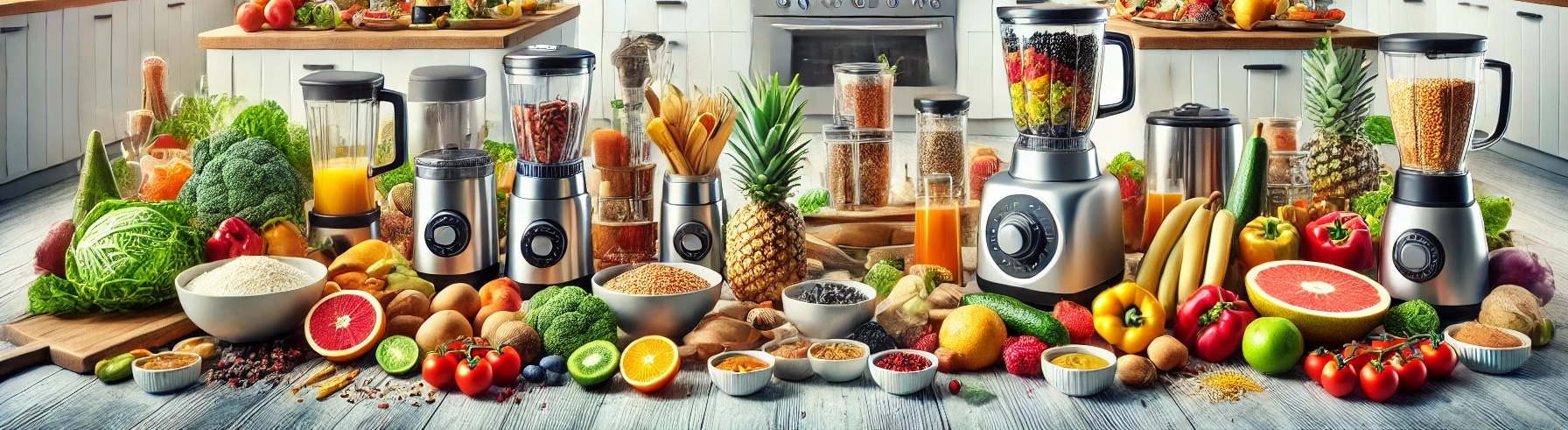
The art of cooking
AI CHEF Blog

The Ultimate Guide to Cooking with Spices: Tips and Tricks
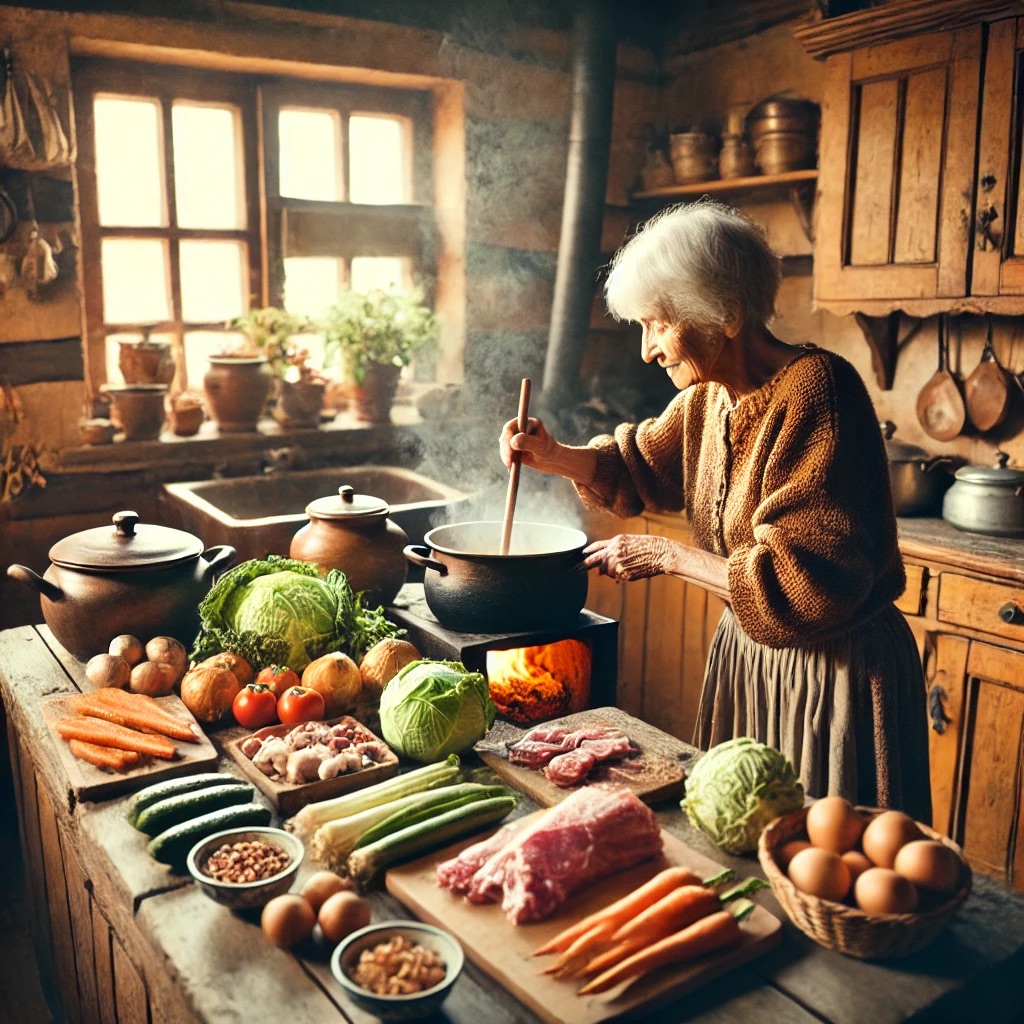
Cooking with spices can transform your dishes from ordinary to extraordinary. While some may see spices as just an afterthought, the truth is that they are essential to creating depth, flavor, and character in your meals. In this ultimate guide, we will explore the world of spices, offering tips and tricks to help you master their use in your cooking.
Understanding Spices
Before diving into practical tips, it's important to understand what spices are. Spices are derived from various parts of plants, including seeds, bark, roots, and fruits. They are typically dried and can be used in whole or ground form. Each spice carries its own unique flavor profile, and understanding how they work together is key to successful cooking.
Essential Spices to Have in Your Kitchen
While there are countless spices available, having a well-stocked spice rack is essential for any home cook. Here are some must-have spices:
- Salt: The most basic seasoning that enhances flavors.
- Pepper: Adds heat and depth.
- Cumin: Earthy and warm, perfect for savory dishes.
- Coriander: Adds a citrusy flavor, great in both sweet and savory dishes.
- Turmeric: Known for its vibrant color and health benefits, it has a warm, slightly bitter taste.
- Chili Powder: For adding heat and richness.
- Garlic Powder: A convenient way to add garlicky flavor.
- Ginger: Fresh or ground, it adds warmth and spice.
- Oregano: Common in Mediterranean dishes, it adds a warm, aromatic flavor.
- Basil: Bright and slightly sweet, perfect for Italian cooking.
Tips for Cooking with Spices
Now that you have a basic understanding of spices, here are some tips to help you use them effectively in your cooking:
1. Start with Fresh Spices
Spices can lose their potency over time, so it's crucial to use fresh spices whenever possible. Check expiration dates and consider buying whole spices and grinding them yourself for maximum flavor.
2. Toast Spices Before Use
Toasting spices in a dry pan can enhance their flavors and aromas. Just a minute or two over medium heat can bring out rich and complex flavors, making your dishes more delicious.
3. Layer Your Spices
Rather than adding all your spices at once, layer them throughout the cooking process. Start with spices that take longer to release their flavors, such as cumin and coriander, and finish with more delicate spices like basil or parsley.
4. Use the Right Amount
When it comes to spices, more isn’t always better. Understanding the intensity of each spice is key. Start with small amounts and adjust to your taste. Remember that you can always add more, but you can't take it out once it's in!
5. Pairing Spices
Learning which spices complement each other can elevate your dishes. Here are some classic pairings:
- Cumin and coriander
- Garlic and rosemary
- Chili powder and oregano
- Ginger and garlic
- Cinnamon and nutmeg
6. Experiment with Spice Blends
Spice blends like curry powder, garam masala, and za'atar can simplify your cooking while delivering robust flavors. Experiment with different blends and find your favorites.
7. Use Spices in Marinades
Marinades are a fantastic way to infuse flavor into meats and vegetables. Combine your favorite spices with oil, vinegar, or citrus juice, and let your ingredients soak for a few hours before cooking.
Common Mistakes to Avoid
Even experienced cooks can make mistakes with spices. Here are some common pitfalls to avoid:
1. Using Old Spices
As mentioned earlier, old spices can lose their flavor. Regularly check your spice rack and replace old spices as needed.
2. Over-Spicing
It's easy to go overboard with spices, especially when trying new recipes. Start small, taste as you go, and adjust as needed.
3. Cooking Spices for Too Long
Some spices can become bitter if cooked for too long. Be mindful of cooking times, especially for ground spices. Add delicate spices later in the cooking process.
Storing Spices
Proper storage is essential to maintaining the freshness of your spices. Here are some tips:
- Airtight Containers: Keep spices in airtight containers to prevent moisture and air from degrading their quality.
- Cool, Dark Place: Store spices in a cool, dark place away from direct sunlight and heat sources.
- Labeling: Label containers with the date of purchase to keep track of freshness.
Conclusion
Cooking with spices is an art that can elevate your culinary creations. By understanding the basics of spices, experimenting with different combinations, and following these tips and tricks, you can enhance the flavors of your dishes and impress your family and friends. Remember, cooking is about exploration and creativity, so don’t be afraid to try new spices and flavors!
Related articles
 10 Essential Herbs and Spices to Elevate Your Cooking
 How to Grow Your Own Cooking Herbs at Home
 The Magic of Fresh vs. Dried Herbs
Which Should You Use?
The Magic of Fresh vs. Dried Herbs
Which Should You Use?
 Spice Up Your Life
Unique Spice Blends to Try
Spice Up Your Life
Unique Spice Blends to Try
 Herb-Infused Oils
A Flavorful Addition to Your Kitchen
Herb-Infused Oils
A Flavorful Addition to Your Kitchen
 Cooking with Herbs
Tips for Maximum Flavor
Cooking with Herbs
Tips for Maximum Flavor
 The Art of Seasoning
Balancing Herbs and Spices in Your Dishes
The Art of Seasoning
Balancing Herbs and Spices in Your Dishes
 Herbs and Spices for Every Cuisine
A Global Guide
Herbs and Spices for Every Cuisine
A Global Guide
 The Health Benefits of Cooking with Herbs and Spices
 Herbs in Baking
Surprising Ways to Use Them
Herbs in Baking
Surprising Ways to Use Them
 How to Pair Herbs and Spices with Proteins and Vegetables
 From Garden to Table
Cooking with Seasonal Herbs
From Garden to Table
Cooking with Seasonal Herbs
 Herbs and Spices for Everyday Cooking
Simple Recipes
Herbs and Spices for Everyday Cooking
Simple Recipes
 The Science Behind Flavor
How Herbs and Spices Transform Dishes
The Science Behind Flavor
How Herbs and Spices Transform Dishes
 Cooking with Herbs
A Beginner's Guide to Flavorful Meals
Cooking with Herbs
A Beginner's Guide to Flavorful Meals
 The Best Herbs for Grilling
Enhance Your BBQ Dishes
The Best Herbs for Grilling
Enhance Your BBQ Dishes
 Herbs and Spices
The Secret to Delicious Soups and Stews
Herbs and Spices
The Secret to Delicious Soups and Stews
 Creative Uses for Leftover Herb Stems and Spice Dust
 Herb-Driven Dishes
Recipes That Celebrate Fresh Flavors
Herb-Driven Dishes
Recipes That Celebrate Fresh Flavors
 The Role of Herbs and Spices in Traditional Cuisines
 Herbs for Health
Cooking with Nutrient-Rich Flavors
Herbs for Health
Cooking with Nutrient-Rich Flavors
 Making Your Own Spice Mixes
A Step-by-Step Guide
Making Your Own Spice Mixes
A Step-by-Step Guide
 Herbs for Infusions
Flavoring Your Drinks with Nature's Best
Herbs for Infusions
Flavoring Your Drinks with Nature's Best
 The Ultimate Guide to Cooking with Spices
Tips and Tricks
The Ultimate Guide to Cooking with Spices
Tips and Tricks
 Quick and Easy Herb Recipes for Busy Weeknights
 Herbs and Spices for the Perfect Salad
Fresh Combinations
Herbs and Spices for the Perfect Salad
Fresh Combinations
 Exploring Exotic Spices
How to Use Them in Everyday Cooking
Exploring Exotic Spices
How to Use Them in Everyday Cooking
 Culinary Trends
The Rise of Herbs and Spices in Modern Cuisine
Culinary Trends
The Rise of Herbs and Spices in Modern Cuisine
 Herbs and Spices for Comfort Food
Make Your Favorites Extra Special
Herbs and Spices for Comfort Food
Make Your Favorites Extra Special
 Aromatic Herbs
Transforming Your Cooking with Fragrance
Aromatic Herbs
Transforming Your Cooking with Fragrance
 Cooking with Spices
A Journey Through Flavor Profiles
Cooking with Spices
A Journey Through Flavor Profiles
 Herbs and Spices for Cooking with Kids
Fun and Flavorful Activities
Herbs and Spices for Cooking with Kids
Fun and Flavorful Activities
 The Herbal Kitchen
Organizing Your Spice Collection for Success
The Herbal Kitchen
Organizing Your Spice Collection for Success
 Cooking with Herbs and Spices
A Seasonal Approach
Cooking with Herbs and Spices
A Seasonal Approach
The Best Cooking Techniques to Enhance Herb and Spice Flavor
Herbs and Spices
The Flavor Foundation of Healthy Eating
Exploring Mediterranean Flavors
Cooking with Fresh Herbs
Herbs and Spices for Slow Cooking
Maximizing Flavor in Your Crockpot
The Future of Flavor
Innovative Uses for Herbs and Spices
Herbs and Spices
Creating Signature Dishes at Home
Herb and Spice Pairing
A Guide to Complementary Flavors
Cooking with Herbs and Spices
Tips for Meal Prepping
A Taste of India
Cooking with Traditional Spices
Herbs and Spices in Baking
Unleashing New Flavor Dimensions
Using Herbs and Spices to Create Flavorful Sauces and Marinades
The Benefits of Cooking with Fresh Herbs
A Flavor Revolution
Perfectly Seasoned
Mastering the Use of Herbs and Spices
Herbs and Spices for Meal Enhancement
Simple Cooking Hacks
Cooking with Herbs for Flavorful Vegan and Vegetarian Dishes
Herbs and Spices
Your Secret Weapon for Weeknight Dinners
Categories