The art of cooking
AI CHEF Blog

Exploring Exotic Spices: How to Use Them in Everyday Cooking
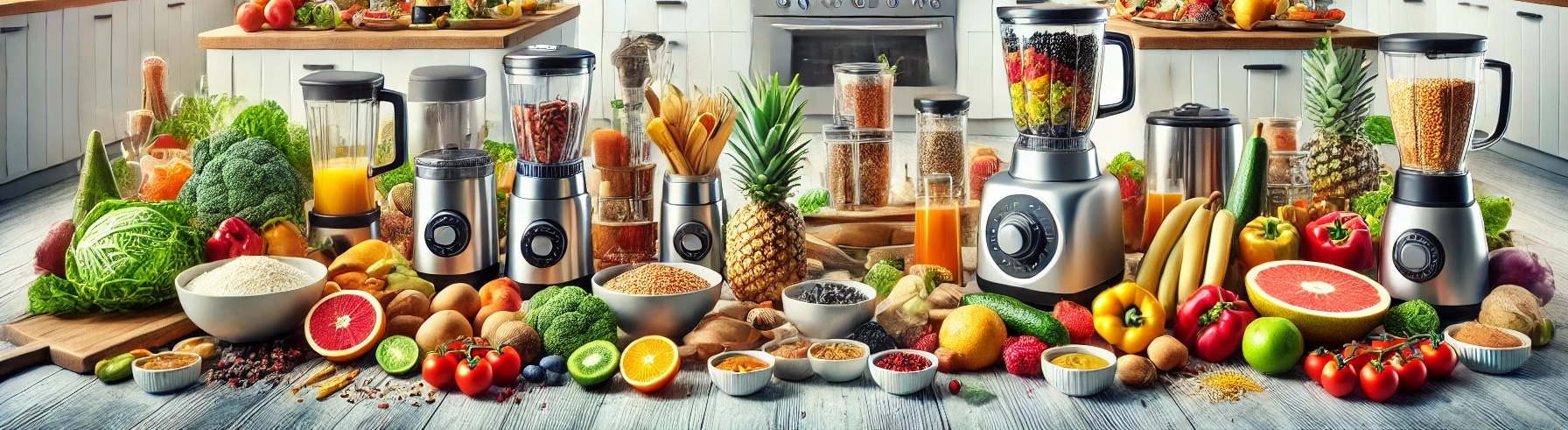
Spices are the lifeblood of culinary traditions worldwide, transforming ordinary ingredients into extraordinary meals. While many of us rely on the usual suspects—salt, pepper, garlic, and onion—there's an entire world of exotic spices waiting to be explored. In this blog post, we’ll dive into some fascinating spices, their origins, and how to incorporate them into your everyday cooking.
The Allure of Exotic Spices
Exotic spices offer a unique sensory experience, often characterized by vibrant colors, potent aromas, and complex flavors. They not only enhance the taste of dishes but also bring cultural stories and traditions to the table. From the warm notes of cinnamon to the fiery kick of harissa, each spice has its own character and potential. Let’s explore some of these spices and how you can use them to elevate your culinary creations.
1. Sumac
Originating from the Middle East, sumac is known for its tangy, lemony flavor. It is made from the dried and ground berries of the sumac tree. This spice is often used as a seasoning for meats, vegetables, and salads, providing a refreshing acidity.
How to Use Sumac:
- Sprinkle on salads: Use sumac to brighten up a simple green salad or a tabbouleh. It adds a refreshing kick.
- Season roasted vegetables: Toss roasted veggies with olive oil and sumac for an extra layer of flavor.
- Enhance grilled meats: Use sumac in marinades for chicken or lamb to give them a new dimension.
2. Za'atar
This Middle Eastern spice blend typically includes thyme, oregano, marjoram, sesame seeds, and sumac. Za'atar is aromatic and earthy, making it a versatile addition to many dishes.
How to Use Za'atar:
- As a seasoning: Sprinkle za'atar over roasted meats, fish, or vegetables before cooking.
- In dips: Mix za'atar with olive oil to create a flavorful dip for bread or vegetables.
- On flatbreads: Combine za'atar with olive oil and spread it on flatbreads before baking for a delicious appetizer.
3. Szechuan Peppercorns
Not true peppercorns, Szechuan peppercorns have a unique citrus flavor and create a numbing sensation in the mouth. They are an essential ingredient in Szechuan cuisine.
How to Use Szechuan Peppercorns:
- In stir-fries: Add crushed Szechuan peppercorns to stir-fries for a spicy, numbing kick.
- Infused oils: Create an infused oil by heating oil with Szechuan peppercorns, then using it for drizzling over dishes.
- In marinades: Incorporate them into marinades for meats, balancing their heat with sweetness from honey or sugar.
4. Harissa
Harissa is a North African chili paste made from a blend of spices, including roasted red peppers, garlic, and spices like cumin and coriander. It is known for its rich, smoky flavor with varying levels of heat.
How to Use Harissa:
- In stews: Add harissa to soups and stews for depth and warmth.
- As a marinade: Use harissa to marinate chicken, lamb, or vegetables before grilling or roasting.
- In dips: Mix harissa with yogurt or tahini for a zesty dip.
5. Cardamom
Cardamom is a spice native to India and is often used in both savory and sweet dishes. The flavor is aromatic, with hints of citrus and mint.
How to Use Cardamom:
- In baked goods: Add ground cardamom to cakes, cookies, or bread for a fragrant twist.
- In beverages: Steep cardamom pods in tea or coffee for a unique flavor.
- In curries: Toss whole cardamom pods in curries for a complex flavor profile.
6. Turmeric
Known for its vibrant yellow color, turmeric is a staple in Indian cuisine and is celebrated for its health benefits. It has a warm, earthy flavor.
How to Use Turmeric:
- In rice dishes: Add turmeric to rice while cooking for a beautiful color and flavor.
- In smoothies: Blend a pinch of turmeric into your morning smoothie for an anti-inflammatory boost.
- In soups: Use turmeric in soups and stews for a comforting warmth.
7. Fenugreek
Fenugreek is commonly used in Indian cuisine and has a slightly sweet, nutty flavor. Both the seeds and leaves are used in cooking.
How to Use Fenugreek:
- In curries: Add fenugreek seeds or leaves to curries for added depth.
- In spice blends: Incorporate ground fenugreek into spice blends for an aromatic touch.
- In breads: Mix fenugreek leaves into dough for flatbreads or savory muffins.
8. Asafoetida
Asafoetida, or hing, is a pungent spice used in Indian cooking, particularly in vegetarian dishes. When cooked, it has a mellow, garlic-onion flavor.
How to Use Asafoetida:
- In lentil dishes: Add a pinch of asafoetida to lentil soups and stews for a savory depth.
- In vegetable dishes: Use asafoetida when sautéing vegetables to enhance their flavor.
- In pickles: Incorporate asafoetida into pickling spices for a unique kick.
Conclusion
Exploring exotic spices is an exciting journey that can transform your everyday cooking. By incorporating these vibrant flavors into your meals, you not only enhance their taste but also bring a touch of global culinary heritage to your dining table. So, the next time you find yourself in the spice aisle, don’t hesitate to pick up something new and experiment with it in your kitchen. Happy cooking!
Related articles
 10 Essential Herbs and Spices to Elevate Your Cooking
 How to Grow Your Own Cooking Herbs at Home
 The Magic of Fresh vs. Dried Herbs
Which Should You Use?
The Magic of Fresh vs. Dried Herbs
Which Should You Use?
 Spice Up Your Life
Unique Spice Blends to Try
Spice Up Your Life
Unique Spice Blends to Try
 Herb-Infused Oils
A Flavorful Addition to Your Kitchen
Herb-Infused Oils
A Flavorful Addition to Your Kitchen
 Cooking with Herbs
Tips for Maximum Flavor
Cooking with Herbs
Tips for Maximum Flavor
 The Art of Seasoning
Balancing Herbs and Spices in Your Dishes
The Art of Seasoning
Balancing Herbs and Spices in Your Dishes
 Herbs and Spices for Every Cuisine
A Global Guide
Herbs and Spices for Every Cuisine
A Global Guide
 The Health Benefits of Cooking with Herbs and Spices
 Herbs in Baking
Surprising Ways to Use Them
Herbs in Baking
Surprising Ways to Use Them
 How to Pair Herbs and Spices with Proteins and Vegetables
 From Garden to Table
Cooking with Seasonal Herbs
From Garden to Table
Cooking with Seasonal Herbs
 Herbs and Spices for Everyday Cooking
Simple Recipes
Herbs and Spices for Everyday Cooking
Simple Recipes
 The Science Behind Flavor
How Herbs and Spices Transform Dishes
The Science Behind Flavor
How Herbs and Spices Transform Dishes
 Cooking with Herbs
A Beginner's Guide to Flavorful Meals
Cooking with Herbs
A Beginner's Guide to Flavorful Meals
 The Best Herbs for Grilling
Enhance Your BBQ Dishes
The Best Herbs for Grilling
Enhance Your BBQ Dishes
 Herbs and Spices
The Secret to Delicious Soups and Stews
Herbs and Spices
The Secret to Delicious Soups and Stews
 Creative Uses for Leftover Herb Stems and Spice Dust
 Herb-Driven Dishes
Recipes That Celebrate Fresh Flavors
Herb-Driven Dishes
Recipes That Celebrate Fresh Flavors
 The Role of Herbs and Spices in Traditional Cuisines
 Herbs for Health
Cooking with Nutrient-Rich Flavors
Herbs for Health
Cooking with Nutrient-Rich Flavors
 Making Your Own Spice Mixes
A Step-by-Step Guide
Making Your Own Spice Mixes
A Step-by-Step Guide
 Herbs for Infusions
Flavoring Your Drinks with Nature's Best
Herbs for Infusions
Flavoring Your Drinks with Nature's Best
 The Ultimate Guide to Cooking with Spices
Tips and Tricks
The Ultimate Guide to Cooking with Spices
Tips and Tricks
 Quick and Easy Herb Recipes for Busy Weeknights
 Herbs and Spices for the Perfect Salad
Fresh Combinations
Herbs and Spices for the Perfect Salad
Fresh Combinations
 Exploring Exotic Spices
How to Use Them in Everyday Cooking
Exploring Exotic Spices
How to Use Them in Everyday Cooking
 Culinary Trends
The Rise of Herbs and Spices in Modern Cuisine
Culinary Trends
The Rise of Herbs and Spices in Modern Cuisine
 Herbs and Spices for Comfort Food
Make Your Favorites Extra Special
Herbs and Spices for Comfort Food
Make Your Favorites Extra Special
 Aromatic Herbs
Transforming Your Cooking with Fragrance
Aromatic Herbs
Transforming Your Cooking with Fragrance
 Cooking with Spices
A Journey Through Flavor Profiles
Cooking with Spices
A Journey Through Flavor Profiles
 Herbs and Spices for Cooking with Kids
Fun and Flavorful Activities
Herbs and Spices for Cooking with Kids
Fun and Flavorful Activities
 The Herbal Kitchen
Organizing Your Spice Collection for Success
The Herbal Kitchen
Organizing Your Spice Collection for Success
 Cooking with Herbs and Spices
A Seasonal Approach
Cooking with Herbs and Spices
A Seasonal Approach
The Best Cooking Techniques to Enhance Herb and Spice Flavor
Herbs and Spices
The Flavor Foundation of Healthy Eating
Exploring Mediterranean Flavors
Cooking with Fresh Herbs
Herbs and Spices for Slow Cooking
Maximizing Flavor in Your Crockpot
The Future of Flavor
Innovative Uses for Herbs and Spices
Herbs and Spices
Creating Signature Dishes at Home
Herb and Spice Pairing
A Guide to Complementary Flavors
Cooking with Herbs and Spices
Tips for Meal Prepping
A Taste of India
Cooking with Traditional Spices
Herbs and Spices in Baking
Unleashing New Flavor Dimensions
Using Herbs and Spices to Create Flavorful Sauces and Marinades
The Benefits of Cooking with Fresh Herbs
A Flavor Revolution
Perfectly Seasoned
Mastering the Use of Herbs and Spices
Herbs and Spices for Meal Enhancement
Simple Cooking Hacks
Cooking with Herbs for Flavorful Vegan and Vegetarian Dishes
Herbs and Spices
Your Secret Weapon for Weeknight Dinners
Categories