The art of cooking
AI CHEF Blog

The Herbal Kitchen: Organizing Your Spice Collection for Success
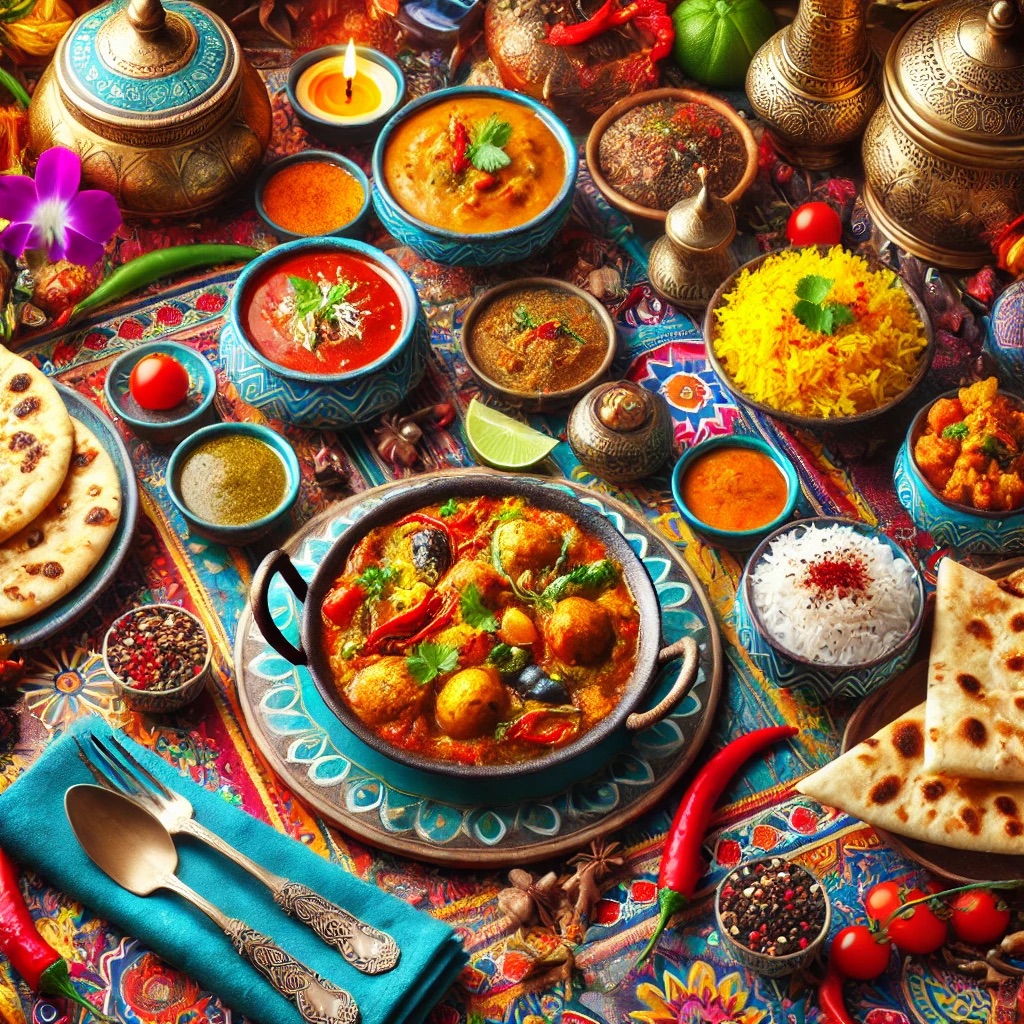
Welcome to the world of herbs and spices, where flavor meets health and creativity knows no bounds! In the culinary realm, spices are not just ingredients; they are the heartbeat of every dish. However, an unorganized spice collection can lead to chaos in the kitchen, wasted ingredients, and missed culinary opportunities. In this blog post, we’ll explore effective strategies for organizing your spice collection and maximizing your cooking potential.
Understanding the Importance of Organization
Imagine reaching for a spice jar only to find a jumble of containers, some half-empty, others expired, and a few missing altogether. Frustrating, right? An organized spice collection not only saves time but also enhances your cooking experience. Here’s why organization matters:
- Efficiency: Quickly access the spices you need without rummaging through clutter.
- Freshness: Easily identify which spices need to be used up or replaced, ensuring your dishes are flavorful.
- Creativity: An organized collection inspires experimentation, allowing you to discover new flavor pairings.
Assessing Your Spice Collection
Before diving into organization, take stock of what you have. Empty out your spice cabinet and lay everything on a clean surface. This step is crucial for understanding your collection's breadth and depth.
- Check Expiration Dates: Spices lose potency over time. Discard any that are past their expiration date.
- Evaluate Usage: Identify spices you frequently use versus those that gather dust. Consider whether you need to keep less used spices or if they can be gifted or discarded.
- Consider Storage Conditions: Ensure your spices are stored in a cool, dark place to maintain freshness.
Choosing the Right Storage Solutions
Once you have a clear understanding of your spice collection, it’s time to choose a storage solution that works for you. Here are some popular options:
1. Spice Jars
Invest in uniform spice jars for a streamlined look. Clear jars allow you to see the contents at a glance. Label each jar with the spice name and date of purchase or expiration.
2. Spice Racks
Spice racks can be wall-mounted or countertop models. They save space and keep your spices easily accessible. Some racks include tiered shelves, making it easier to see all your spices.
3. Drawer Organizers
If you have limited counter or cabinet space, consider using a drawer organizer. These can be customized with dividers to keep jars in order.
4. Magnetic Spice Containers
Magnetic containers can be attached to the side of your refrigerator or a magnetic board, saving space and providing easy access.
Labeling Your Spices
A critical part of organization is labeling. Well-labeled spices prevent confusion and make cooking more enjoyable. Here are some tips for effective labeling:
- Use Clear Labels: Write the spice name clearly, using a font that’s easy to read.
- Include Expiration Dates: Add a date to your labels to keep track of freshness.
- Consider Color Coding: Use different colors for different categories (e.g., herbs, spices, blends) to make identification faster.
Organizing by Category
How you categorize your spices is a matter of personal preference. Here are some common methods:
1. Alphabetical Order
Organizing spices alphabetically is straightforward and logical. It allows you to quickly locate what you need.
2. By Cuisine
Group spices based on the cuisine they are commonly used in (e.g., Italian, Indian, Mexican). This method is ideal if you frequently cook specific types of dishes.
3. By Flavor Profile
Arrange spices by flavor profiles, such as sweet, savory, or spicy. This can help you create balanced dishes.
Regular Maintenance
Once your spice collection is organized, it’s essential to maintain it. Here are some tips for regular upkeep:
- Monthly Check-ins: Set aside time each month to check your spices for freshness and organization.
- Restock Wisely: When running low on a spice, take note and restock as necessary to avoid last-minute runs to the store.
- Rotate Stock: Place newer spices at the back and older ones at the front to ensure you use them first.
Conclusion
Your spice collection is a treasure trove of flavor waiting to be explored. By taking the time to organize and maintain your spices, you’ll find cooking becomes a more enjoyable and successful endeavor. Remember, an organized spice collection not only enhances your culinary skills but also inspires creativity and encourages healthier cooking habits. So roll up your sleeves and transform your spice chaos into a harmonious herbal kitchen!
Related articles
 10 Essential Herbs and Spices to Elevate Your Cooking
 How to Grow Your Own Cooking Herbs at Home
 The Magic of Fresh vs. Dried Herbs
Which Should You Use?
The Magic of Fresh vs. Dried Herbs
Which Should You Use?
 Spice Up Your Life
Unique Spice Blends to Try
Spice Up Your Life
Unique Spice Blends to Try
 Herb-Infused Oils
A Flavorful Addition to Your Kitchen
Herb-Infused Oils
A Flavorful Addition to Your Kitchen
 Cooking with Herbs
Tips for Maximum Flavor
Cooking with Herbs
Tips for Maximum Flavor
 The Art of Seasoning
Balancing Herbs and Spices in Your Dishes
The Art of Seasoning
Balancing Herbs and Spices in Your Dishes
 Herbs and Spices for Every Cuisine
A Global Guide
Herbs and Spices for Every Cuisine
A Global Guide
 The Health Benefits of Cooking with Herbs and Spices
 Herbs in Baking
Surprising Ways to Use Them
Herbs in Baking
Surprising Ways to Use Them
 How to Pair Herbs and Spices with Proteins and Vegetables
 From Garden to Table
Cooking with Seasonal Herbs
From Garden to Table
Cooking with Seasonal Herbs
 Herbs and Spices for Everyday Cooking
Simple Recipes
Herbs and Spices for Everyday Cooking
Simple Recipes
 The Science Behind Flavor
How Herbs and Spices Transform Dishes
The Science Behind Flavor
How Herbs and Spices Transform Dishes
 Cooking with Herbs
A Beginner's Guide to Flavorful Meals
Cooking with Herbs
A Beginner's Guide to Flavorful Meals
 The Best Herbs for Grilling
Enhance Your BBQ Dishes
The Best Herbs for Grilling
Enhance Your BBQ Dishes
 Herbs and Spices
The Secret to Delicious Soups and Stews
Herbs and Spices
The Secret to Delicious Soups and Stews
 Creative Uses for Leftover Herb Stems and Spice Dust
 Herb-Driven Dishes
Recipes That Celebrate Fresh Flavors
Herb-Driven Dishes
Recipes That Celebrate Fresh Flavors
 The Role of Herbs and Spices in Traditional Cuisines
 Herbs for Health
Cooking with Nutrient-Rich Flavors
Herbs for Health
Cooking with Nutrient-Rich Flavors
 Making Your Own Spice Mixes
A Step-by-Step Guide
Making Your Own Spice Mixes
A Step-by-Step Guide
 Herbs for Infusions
Flavoring Your Drinks with Nature's Best
Herbs for Infusions
Flavoring Your Drinks with Nature's Best
 The Ultimate Guide to Cooking with Spices
Tips and Tricks
The Ultimate Guide to Cooking with Spices
Tips and Tricks
 Quick and Easy Herb Recipes for Busy Weeknights
 Herbs and Spices for the Perfect Salad
Fresh Combinations
Herbs and Spices for the Perfect Salad
Fresh Combinations
 Exploring Exotic Spices
How to Use Them in Everyday Cooking
Exploring Exotic Spices
How to Use Them in Everyday Cooking
 Culinary Trends
The Rise of Herbs and Spices in Modern Cuisine
Culinary Trends
The Rise of Herbs and Spices in Modern Cuisine
 Herbs and Spices for Comfort Food
Make Your Favorites Extra Special
Herbs and Spices for Comfort Food
Make Your Favorites Extra Special
 Aromatic Herbs
Transforming Your Cooking with Fragrance
Aromatic Herbs
Transforming Your Cooking with Fragrance
 Cooking with Spices
A Journey Through Flavor Profiles
Cooking with Spices
A Journey Through Flavor Profiles
 Herbs and Spices for Cooking with Kids
Fun and Flavorful Activities
Herbs and Spices for Cooking with Kids
Fun and Flavorful Activities
 The Herbal Kitchen
Organizing Your Spice Collection for Success
The Herbal Kitchen
Organizing Your Spice Collection for Success
 Cooking with Herbs and Spices
A Seasonal Approach
Cooking with Herbs and Spices
A Seasonal Approach
The Best Cooking Techniques to Enhance Herb and Spice Flavor
Herbs and Spices
The Flavor Foundation of Healthy Eating
Exploring Mediterranean Flavors
Cooking with Fresh Herbs
Herbs and Spices for Slow Cooking
Maximizing Flavor in Your Crockpot
The Future of Flavor
Innovative Uses for Herbs and Spices
Herbs and Spices
Creating Signature Dishes at Home
Herb and Spice Pairing
A Guide to Complementary Flavors
Cooking with Herbs and Spices
Tips for Meal Prepping
A Taste of India
Cooking with Traditional Spices
Herbs and Spices in Baking
Unleashing New Flavor Dimensions
Using Herbs and Spices to Create Flavorful Sauces and Marinades
The Benefits of Cooking with Fresh Herbs
A Flavor Revolution
Perfectly Seasoned
Mastering the Use of Herbs and Spices
Herbs and Spices for Meal Enhancement
Simple Cooking Hacks
Cooking with Herbs for Flavorful Vegan and Vegetarian Dishes
Herbs and Spices
Your Secret Weapon for Weeknight Dinners
Categories