The art of cooking
AI CHEF Blog

The Future of Flavor: Innovative Uses for Herbs and Spices
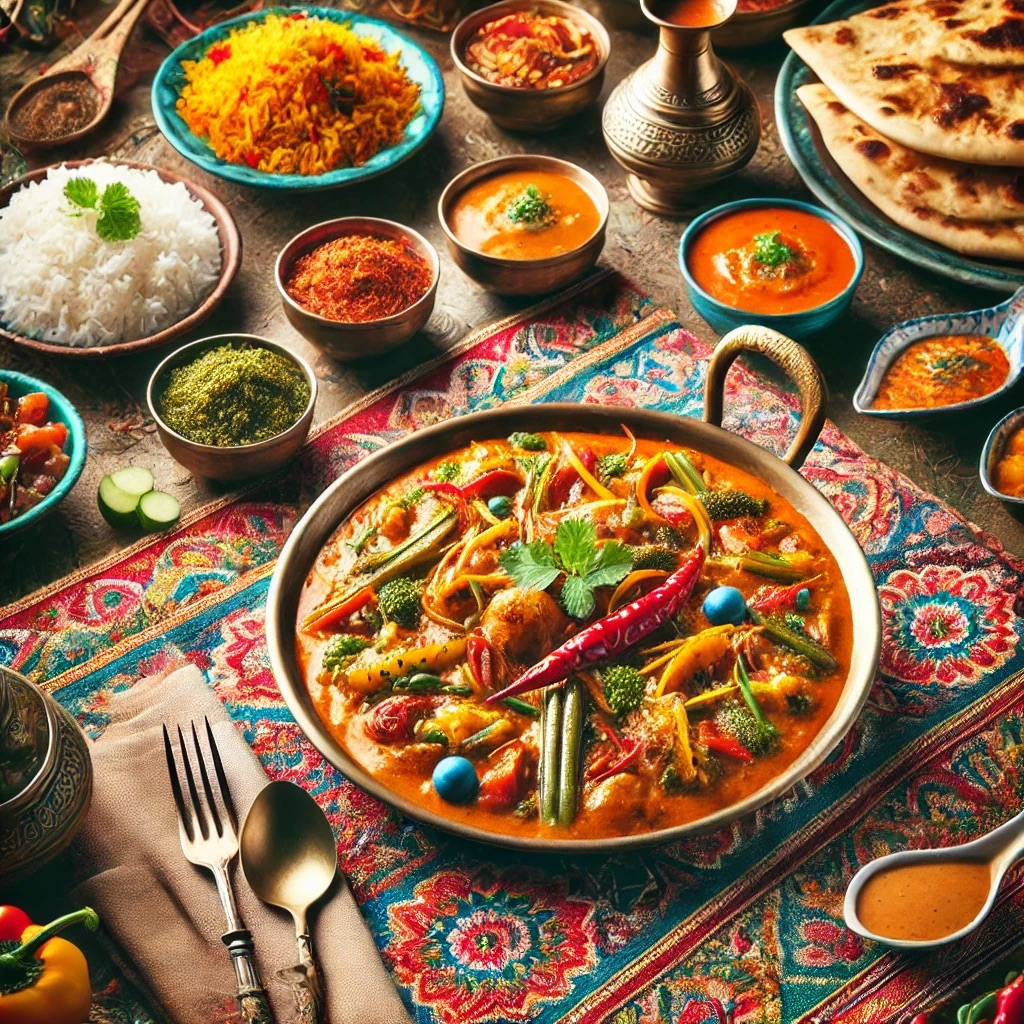
Herbs and spices have been an integral part of culinary traditions around the world for centuries. They have the power to transform a dish, elevate flavors, and even provide health benefits. As we move into the future, the ways we use herbs and spices are evolving, influenced by trends in sustainability, health consciousness, and culinary innovation. This blog explores the innovative uses of herbs and spices, examining how they are shaping the future of flavor.
The Role of Herbs and Spices in Modern Cuisine
In contemporary gastronomy, chefs and home cooks alike are increasingly aware of the importance of flavor profiles. Herbs and spices are no longer just afterthoughts; they play a central role in the creation of dishes. The rise of global cuisine has made it easier for people to experiment with various flavors, and herbs and spices are at the forefront of this movement.
1. The Rise of Ethnic Flavors
As the world becomes more interconnected, culinary boundaries are blurring. Ethnic flavors are becoming mainstream, with herbs and spices from different cultures being incorporated into everyday cooking. For example, the use of za’atar, a Middle Eastern spice blend, is gaining popularity in Western kitchens. This blend of thyme, sumac, and sesame seeds adds a unique depth of flavor to dishes ranging from roasted vegetables to grilled meats.
2. Sustainable Flavor Innovations
With an increasing focus on sustainability, the future of flavor is also intertwined with environmental consciousness. Innovative chefs are finding ways to use herbs and spices that minimize waste. For example, utilizing herb stems and roots that are typically discarded can add flavor and texture to dishes. Additionally, foraging for wild herbs and spices allows cooks to create unique flavor profiles while promoting biodiversity.
3. Health Benefits and Functional Foods
As people become more health-conscious, the demand for functional foods is rising. Herbs and spices are not just flavor enhancers; they also pack a nutritional punch. Turmeric, for instance, is celebrated for its anti-inflammatory properties, while ginger is known for aiding digestion. The future of flavor will likely see an increase in the use of herbs and spices as functional ingredients in health-focused recipes, from smoothies to wellness shots.
4. The Science of Flavor
The intersection of science and culinary arts is paving the way for new flavor experiences. Molecular gastronomy, for instance, has allowed chefs to deconstruct traditional flavors and reassemble them in innovative ways. This technique often involves using herbs and spices in unexpected forms, such as powders or gels, to create unique flavor profiles that challenge our perceptions of taste.
5. The Impact of Technology
Technology is also playing a significant role in the future of flavor. From hydrocolloids to flavor encapsulation, advancements in food technology are enabling chefs to explore new dimensions of taste. For example, herbal-infused oils and flavored vinegars can enhance dishes without overwhelming them. Moreover, the rise of home cooking gadgets like sous-vide machines and smoking guns allows home cooks to experiment with herbs and spices in ways that were previously only accessible in professional kitchens.
6. Innovative Pairings
As culinary experimentation becomes more commonplace, innovative pairings of herbs and spices are emerging. Chefs are no longer confined to traditional combinations; they are exploring unexpected flavor pairings to surprise and delight diners. For instance, pairing sweet spices like cinnamon and cardamom with savory dishes can create a unique flavor experience. This trend is also evident in the beverage industry, where herbal teas and cocktails are being infused with unconventional spice blends.
7. The Future of Herbs and Spices in Home Cooking
Home cooks are becoming more adventurous, seeking to replicate restaurant-quality dishes in their own kitchens. The future of flavor will likely see a rise in herb and spice subscriptions, allowing consumers to explore new flavors and cooking techniques from the comfort of their homes. Additionally, educational resources such as online cooking classes and social media platforms will continue to inspire home cooks to experiment with herbs and spices.
Conclusion
The future of flavor is bright, with herbs and spices at the forefront of culinary innovation. As we continue to explore new ways to incorporate these powerful ingredients into our cooking, we can expect to see a fusion of tradition and modernity. Whether through sustainable practices, health-focused recipes, or technological advancements, the possibilities for herbs and spices are endless. So, let’s embrace the future of flavor and continue to explore the world of herbs and spices in our kitchens!
Related articles
 10 Essential Herbs and Spices to Elevate Your Cooking
 How to Grow Your Own Cooking Herbs at Home
 The Magic of Fresh vs. Dried Herbs
Which Should You Use?
The Magic of Fresh vs. Dried Herbs
Which Should You Use?
 Spice Up Your Life
Unique Spice Blends to Try
Spice Up Your Life
Unique Spice Blends to Try
 Herb-Infused Oils
A Flavorful Addition to Your Kitchen
Herb-Infused Oils
A Flavorful Addition to Your Kitchen
 Cooking with Herbs
Tips for Maximum Flavor
Cooking with Herbs
Tips for Maximum Flavor
 The Art of Seasoning
Balancing Herbs and Spices in Your Dishes
The Art of Seasoning
Balancing Herbs and Spices in Your Dishes
 Herbs and Spices for Every Cuisine
A Global Guide
Herbs and Spices for Every Cuisine
A Global Guide
 The Health Benefits of Cooking with Herbs and Spices
 Herbs in Baking
Surprising Ways to Use Them
Herbs in Baking
Surprising Ways to Use Them
 How to Pair Herbs and Spices with Proteins and Vegetables
 From Garden to Table
Cooking with Seasonal Herbs
From Garden to Table
Cooking with Seasonal Herbs
 Herbs and Spices for Everyday Cooking
Simple Recipes
Herbs and Spices for Everyday Cooking
Simple Recipes
 The Science Behind Flavor
How Herbs and Spices Transform Dishes
The Science Behind Flavor
How Herbs and Spices Transform Dishes
 Cooking with Herbs
A Beginner's Guide to Flavorful Meals
Cooking with Herbs
A Beginner's Guide to Flavorful Meals
 The Best Herbs for Grilling
Enhance Your BBQ Dishes
The Best Herbs for Grilling
Enhance Your BBQ Dishes
 Herbs and Spices
The Secret to Delicious Soups and Stews
Herbs and Spices
The Secret to Delicious Soups and Stews
 Creative Uses for Leftover Herb Stems and Spice Dust
 Herb-Driven Dishes
Recipes That Celebrate Fresh Flavors
Herb-Driven Dishes
Recipes That Celebrate Fresh Flavors
 The Role of Herbs and Spices in Traditional Cuisines
 Herbs for Health
Cooking with Nutrient-Rich Flavors
Herbs for Health
Cooking with Nutrient-Rich Flavors
 Making Your Own Spice Mixes
A Step-by-Step Guide
Making Your Own Spice Mixes
A Step-by-Step Guide
 Herbs for Infusions
Flavoring Your Drinks with Nature's Best
Herbs for Infusions
Flavoring Your Drinks with Nature's Best
 The Ultimate Guide to Cooking with Spices
Tips and Tricks
The Ultimate Guide to Cooking with Spices
Tips and Tricks
 Quick and Easy Herb Recipes for Busy Weeknights
 Herbs and Spices for the Perfect Salad
Fresh Combinations
Herbs and Spices for the Perfect Salad
Fresh Combinations
 Exploring Exotic Spices
How to Use Them in Everyday Cooking
Exploring Exotic Spices
How to Use Them in Everyday Cooking
 Culinary Trends
The Rise of Herbs and Spices in Modern Cuisine
Culinary Trends
The Rise of Herbs and Spices in Modern Cuisine
 Herbs and Spices for Comfort Food
Make Your Favorites Extra Special
Herbs and Spices for Comfort Food
Make Your Favorites Extra Special
 Aromatic Herbs
Transforming Your Cooking with Fragrance
Aromatic Herbs
Transforming Your Cooking with Fragrance
 Cooking with Spices
A Journey Through Flavor Profiles
Cooking with Spices
A Journey Through Flavor Profiles
 Herbs and Spices for Cooking with Kids
Fun and Flavorful Activities
Herbs and Spices for Cooking with Kids
Fun and Flavorful Activities
 The Herbal Kitchen
Organizing Your Spice Collection for Success
The Herbal Kitchen
Organizing Your Spice Collection for Success
 Cooking with Herbs and Spices
A Seasonal Approach
Cooking with Herbs and Spices
A Seasonal Approach
The Best Cooking Techniques to Enhance Herb and Spice Flavor
Herbs and Spices
The Flavor Foundation of Healthy Eating
Exploring Mediterranean Flavors
Cooking with Fresh Herbs
Herbs and Spices for Slow Cooking
Maximizing Flavor in Your Crockpot
The Future of Flavor
Innovative Uses for Herbs and Spices
Herbs and Spices
Creating Signature Dishes at Home
Herb and Spice Pairing
A Guide to Complementary Flavors
Cooking with Herbs and Spices
Tips for Meal Prepping
A Taste of India
Cooking with Traditional Spices
Herbs and Spices in Baking
Unleashing New Flavor Dimensions
Using Herbs and Spices to Create Flavorful Sauces and Marinades
The Benefits of Cooking with Fresh Herbs
A Flavor Revolution
Perfectly Seasoned
Mastering the Use of Herbs and Spices
Herbs and Spices for Meal Enhancement
Simple Cooking Hacks
Cooking with Herbs for Flavorful Vegan and Vegetarian Dishes
Herbs and Spices
Your Secret Weapon for Weeknight Dinners
Categories