The art of cooking
AI CHEF Blog

Spices for Every Occasion: Cooking for Holidays and Celebrations
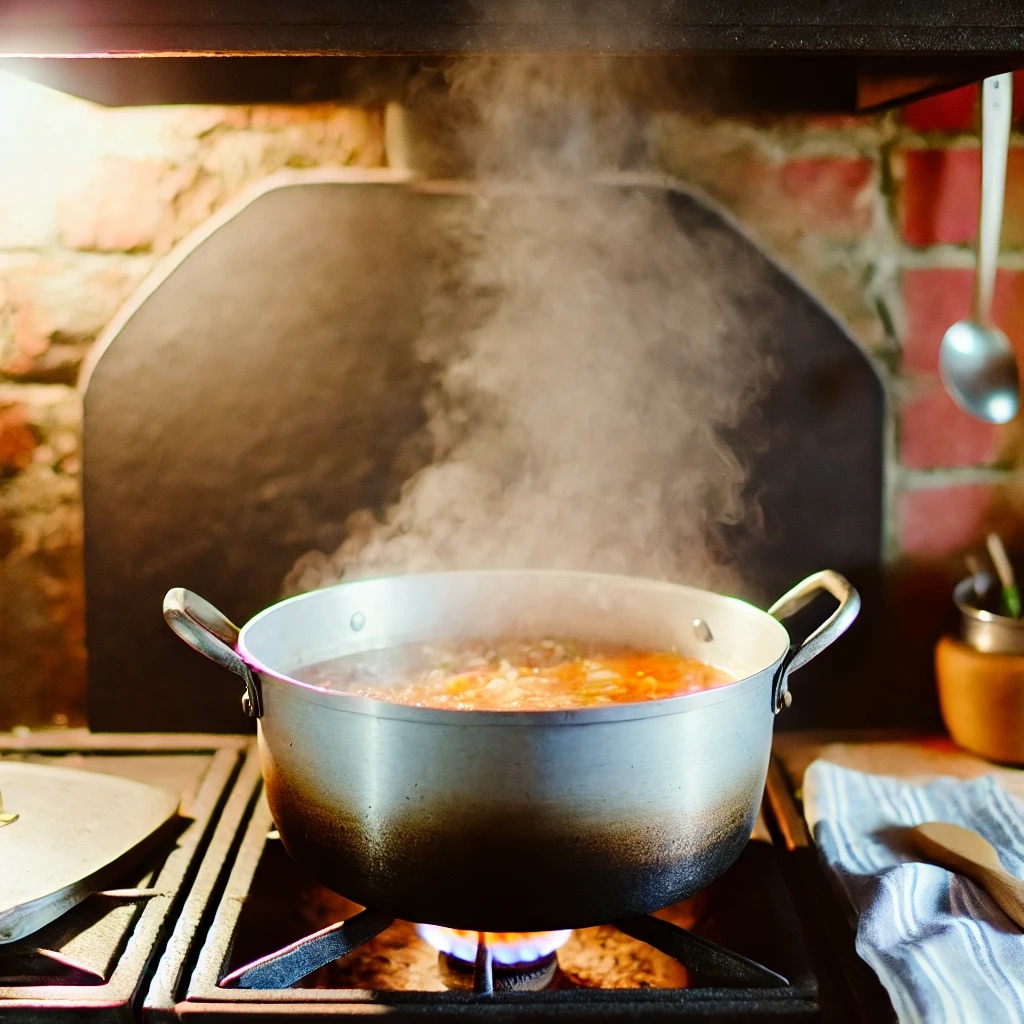
When it comes to cooking for holidays and celebrations, the right spices can transform a dish from ordinary to extraordinary. Spices not only enhance flavors but also evoke memories, create warmth, and bring people together. In this blog post, we will explore various spices that are perfect for different occasions, offering tips on how to use them effectively to elevate your holiday meals.
1. The Magic of Spices
Spices have been used for centuries in various cultures to add flavor, color, and aroma to food. They can also have health benefits, making them essential in both traditional and modern cooking. Understanding how to use spices can make your holiday cooking more delightful and memorable.
2. Spices for Festive Celebrations
Whether you're hosting a Thanksgiving feast, a Christmas dinner, or a New Year's Eve party, the right spices can set the mood and enhance your dishes.
Thanksgiving
- Turmeric: This vibrant yellow spice not only adds color to your dishes but also has anti-inflammatory properties. Use it in mashed potatoes, soups, or even in a spice rub for your turkey.
- Cinnamon: A holiday classic, cinnamon brings warmth and sweetness. Sprinkle it over sweet potato casseroles or mix it into your pumpkin pie filling.
- Nutmeg: This spice pairs beautifully with cinnamon and adds depth to dishes. Grate fresh nutmeg into your eggnog or sprinkle it over creamy sauces.
Christmas
- Allspice: Often associated with holiday baking, allspice adds a unique flavor reminiscent of cloves, cinnamon, and nutmeg combined. Use it in fruitcakes, gingerbread cookies, or in savory dishes like ham.
- Cloves: These aromatic buds can elevate both sweet and savory recipes. Use whole cloves in potpourri or ground cloves in your holiday desserts.
- Cardamom: This exotic spice adds a complex flavor to festive beverages like chai or mulled wine. It can also enhance savory dishes, especially in Middle Eastern cuisine.
New Year's Eve
- Black Pepper: A staple in every kitchen, freshly cracked black pepper can add a kick to your appetizers and main dishes. Use it generously on cheese platters or in party dips.
- Red Pepper Flakes: For those who enjoy a spicy kick, red pepper flakes can liven up any dish. Sprinkle them on roasted vegetables or in pasta dishes for added heat.
- Ginger: Fresh or ground ginger brings warmth and zest to both sweet and savory dishes. Add it to stir-fries, cocktails, or desserts like gingerbread.
3. Spices for Cultural Celebrations
Different cultures have their own traditional spices that are integral to holiday cooking. Embracing these spices can make your celebrations more authentic and diverse.
Diwali
- Cumin: A key ingredient in Indian cooking, cumin adds a warm, earthy flavor to dishes. Use it in curries, lentil soups, or sprinkle it over roasted vegetables.
- Mustard Seeds: These seeds add a tangy flavor when tempered in oil. Incorporate them into pickles or use them in curry dishes.
- Fenugreek: Known for its slightly bitter and sweet flavor, fenugreek leaves can be used fresh or dried in dishes like aloo methi or in spice blends.
Lunar New Year
- Star Anise: This star-shaped spice adds a distinctive flavor to broths and stews. Use it in traditional Chinese dishes like braised meats or soups.
- Five-Spice Powder: A blend of star anise, cloves, Chinese cinnamon, Sichuan pepper, and fennel seeds, this spice mix can elevate roasted meats and stir-fries.
- Sesame Seeds: Toasted sesame seeds add nuttiness and crunch to various dishes. Use them in salads, on dumplings, or as a garnish for noodles.
4. Tips for Cooking with Spices
Using spices effectively requires some knowledge and experimentation. Here are some tips to help you get the most out of your spice collection:
- Freshness Matters: Spices lose their potency over time. Store them in a cool, dark place and replace them regularly.
- Toast Spices: Toasting whole spices before grinding or using them can enhance their flavor. Just a minute or two in a dry skillet will do the trick.
- Balance Flavors: When cooking, aim for a balance of flavors. If a dish is too spicy, add a sweetener; if it’s too sweet, a splash of vinegar can help.
- Start Small: When trying a new spice, start with a small amount. You can always add more, but it’s hard to take it out once it’s in!
5. Conclusion
Cooking for holidays and celebrations is an opportunity to explore new flavors and create cherished memories. By incorporating a variety of spices into your dishes, you can enhance the festive spirit and delight your guests. Whether you’re embracing traditional spices for cultural celebrations or experimenting with new ones, the right spices will surely make your holiday cooking a success. So, gather your spices, roll up your sleeves, and start creating flavorful dishes that will be remembered long after the last bite!
Related articles
 10 Essential Herbs and Spices to Elevate Your Cooking
 How to Grow Your Own Cooking Herbs at Home
 The Magic of Fresh vs. Dried Herbs
Which Should You Use?
The Magic of Fresh vs. Dried Herbs
Which Should You Use?
 Spice Up Your Life
Unique Spice Blends to Try
Spice Up Your Life
Unique Spice Blends to Try
 Herb-Infused Oils
A Flavorful Addition to Your Kitchen
Herb-Infused Oils
A Flavorful Addition to Your Kitchen
 Cooking with Herbs
Tips for Maximum Flavor
Cooking with Herbs
Tips for Maximum Flavor
 The Art of Seasoning
Balancing Herbs and Spices in Your Dishes
The Art of Seasoning
Balancing Herbs and Spices in Your Dishes
 Herbs and Spices for Every Cuisine
A Global Guide
Herbs and Spices for Every Cuisine
A Global Guide
 The Health Benefits of Cooking with Herbs and Spices
 Herbs in Baking
Surprising Ways to Use Them
Herbs in Baking
Surprising Ways to Use Them
 How to Pair Herbs and Spices with Proteins and Vegetables
 From Garden to Table
Cooking with Seasonal Herbs
From Garden to Table
Cooking with Seasonal Herbs
 Herbs and Spices for Everyday Cooking
Simple Recipes
Herbs and Spices for Everyday Cooking
Simple Recipes
 The Science Behind Flavor
How Herbs and Spices Transform Dishes
The Science Behind Flavor
How Herbs and Spices Transform Dishes
 Cooking with Herbs
A Beginner's Guide to Flavorful Meals
Cooking with Herbs
A Beginner's Guide to Flavorful Meals
 The Best Herbs for Grilling
Enhance Your BBQ Dishes
The Best Herbs for Grilling
Enhance Your BBQ Dishes
 Herbs and Spices
The Secret to Delicious Soups and Stews
Herbs and Spices
The Secret to Delicious Soups and Stews
 Creative Uses for Leftover Herb Stems and Spice Dust
 Herb-Driven Dishes
Recipes That Celebrate Fresh Flavors
Herb-Driven Dishes
Recipes That Celebrate Fresh Flavors
 The Role of Herbs and Spices in Traditional Cuisines
 Herbs for Health
Cooking with Nutrient-Rich Flavors
Herbs for Health
Cooking with Nutrient-Rich Flavors
 Making Your Own Spice Mixes
A Step-by-Step Guide
Making Your Own Spice Mixes
A Step-by-Step Guide
 Herbs for Infusions
Flavoring Your Drinks with Nature's Best
Herbs for Infusions
Flavoring Your Drinks with Nature's Best
 The Ultimate Guide to Cooking with Spices
Tips and Tricks
The Ultimate Guide to Cooking with Spices
Tips and Tricks
 Quick and Easy Herb Recipes for Busy Weeknights
 Herbs and Spices for the Perfect Salad
Fresh Combinations
Herbs and Spices for the Perfect Salad
Fresh Combinations
 Exploring Exotic Spices
How to Use Them in Everyday Cooking
Exploring Exotic Spices
How to Use Them in Everyday Cooking
 Culinary Trends
The Rise of Herbs and Spices in Modern Cuisine
Culinary Trends
The Rise of Herbs and Spices in Modern Cuisine
 Herbs and Spices for Comfort Food
Make Your Favorites Extra Special
Herbs and Spices for Comfort Food
Make Your Favorites Extra Special
 Aromatic Herbs
Transforming Your Cooking with Fragrance
Aromatic Herbs
Transforming Your Cooking with Fragrance
 Cooking with Spices
A Journey Through Flavor Profiles
Cooking with Spices
A Journey Through Flavor Profiles
 Herbs and Spices for Cooking with Kids
Fun and Flavorful Activities
Herbs and Spices for Cooking with Kids
Fun and Flavorful Activities
 The Herbal Kitchen
Organizing Your Spice Collection for Success
The Herbal Kitchen
Organizing Your Spice Collection for Success
 Cooking with Herbs and Spices
A Seasonal Approach
Cooking with Herbs and Spices
A Seasonal Approach
The Best Cooking Techniques to Enhance Herb and Spice Flavor
Herbs and Spices
The Flavor Foundation of Healthy Eating
Exploring Mediterranean Flavors
Cooking with Fresh Herbs
Herbs and Spices for Slow Cooking
Maximizing Flavor in Your Crockpot
The Future of Flavor
Innovative Uses for Herbs and Spices
Herbs and Spices
Creating Signature Dishes at Home
Herb and Spice Pairing
A Guide to Complementary Flavors
Cooking with Herbs and Spices
Tips for Meal Prepping
A Taste of India
Cooking with Traditional Spices
Herbs and Spices in Baking
Unleashing New Flavor Dimensions
Using Herbs and Spices to Create Flavorful Sauces and Marinades
The Benefits of Cooking with Fresh Herbs
A Flavor Revolution
Perfectly Seasoned
Mastering the Use of Herbs and Spices
Herbs and Spices for Meal Enhancement
Simple Cooking Hacks
Cooking with Herbs for Flavorful Vegan and Vegetarian Dishes
Herbs and Spices
Your Secret Weapon for Weeknight Dinners
Categories