The art of cooking
AI CHEF Blog

Using Herbs and Spices to Create Flavorful Sauces and Marinades
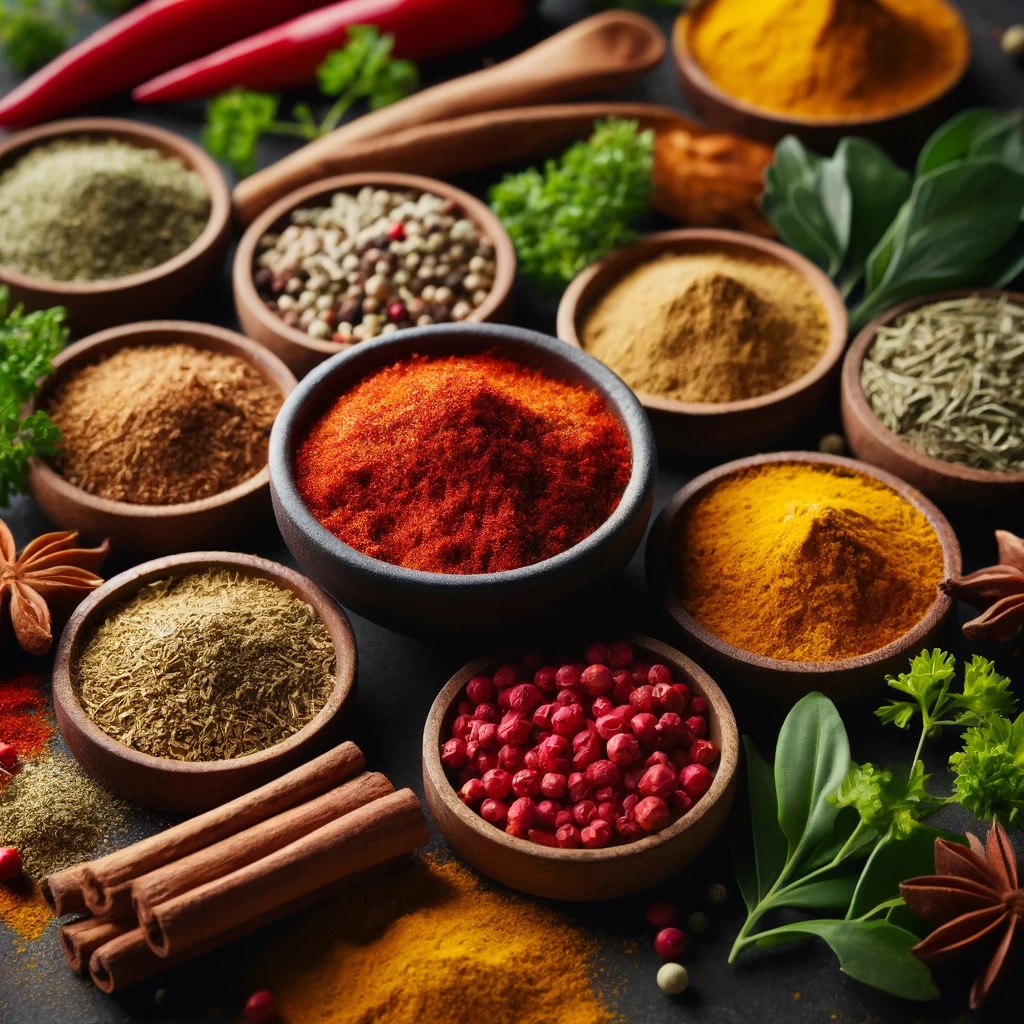
When it comes to cooking, one of the most effective ways to elevate your dishes is through the use of herbs and spices. These natural flavor enhancers are not only versatile but also bring a unique twist to sauces and marinades that can transform ordinary meals into extraordinary culinary experiences. In this blog post, we will explore how to harness the power of herbs and spices to create flavorful sauces and marinades that will impress your family and friends.
The Importance of Herbs and Spices
Herbs and spices have been used for centuries in various cuisines around the world. They are essential for adding depth and complexity to dishes. While salt and pepper are staples in any kitchen, exploring a wide range of herbs and spices can open up a world of flavors. Herbs generally come from the leafy part of plants, while spices can come from seeds, roots, or bark. Both have their own unique profiles and can be used in various combinations to create sauces and marinades.
Creating Flavorful Marinades
A marinade is a mixture in which food is soaked to enhance its flavor and tenderness. The basic components of a marinade include acid (like vinegar or citrus juice), oil, and flavoring agents (herbs, spices, garlic, etc.). Here’s how to create flavorful marinades using herbs and spices:
1. Choose Your Base
The first step is to decide on the type of marinade you want to create. Common bases include:
- Citrus Marinade: Use lemon, lime, or orange juice for a bright and zesty flavor.
- Vinegar Marinade: Balsamic, red wine, or apple cider vinegar can provide a tangy depth.
- Dairy Marinade: Yogurt or buttermilk can tenderize meat while adding creaminess.
2. Add Your Oil
Next, incorporate an oil to help infuse flavors and keep the food moist. Olive oil is a popular choice, but you can also experiment with sesame oil, avocado oil, or even flavored oils for an extra kick.
3. Incorporate Herbs and Spices
This is where you can get creative! Here are some herb and spice combinations that work well in marinades:
- Italian Blend: Oregano, basil, thyme, and garlic for a classic Italian flavor.
- Mexican Flair: Cumin, coriander, and chili powder paired with fresh cilantro for a vibrant taste.
- Asian Influence: Ginger, garlic, and soy sauce with green onions for an umami punch.
- Middle Eastern Touch: Cumin, coriander, and sumac combined with fresh parsley or mint for a fresh, aromatic profile.
4. Let it Marinate
Once you’ve created your marinade, let your protein (meat, fish, or tofu) soak for at least 30 minutes, but ideally for several hours or overnight for deeper flavor.
Crafting Delicious Sauces
Sauces are the finishing touches that can add richness, moisture, and flavor to your dishes. Similar to marinades, sauces can be enhanced using herbs and spices. Here’s how to create delicious sauces:
1. Choose Your Sauce Base
Start with a base that suits your dish. Common bases include:
- Tomato Sauce: Perfect for pasta dishes, pizzas, and more.
- Cream Sauce: Great for rich pasta dishes and casseroles.
- Stock-Based Sauce: Chicken, beef, or vegetable stock can form the base for gravies and reductions.
2. Add Aromatics
Aromatics like onions, garlic, and shallots are fundamental for flavor. Sauté them in oil or butter until fragrant and softened before adding your sauce base.
3. Infuse with Herbs and Spices
This is your chance to add depth to your sauce. Here are some suggestions:
- Herb-Infused Tomato Sauce: Add dried oregano, basil, and red pepper flakes for a spicy kick.
- Garlic Cream Sauce: Incorporate minced garlic, thyme, and a pinch of nutmeg for an aromatic touch.
- Spiced Stock Reduction: Add bay leaves, black peppercorns, and fresh parsley to enhance flavor.
4. Balance the Flavors
As you cook your sauce, taste frequently and adjust the balance. You might want to add a touch of sweetness (sugar or honey), acidity (lemon juice or vinegar), or additional seasoning (salt or pepper) to achieve that perfect flavor profile.
Experimenting with Techniques
Once you are comfortable creating marinades and sauces, don’t hesitate to experiment with different techniques:
- Infusing Oils: Heat oil gently with herbs and spices to create infused oils for drizzling or cooking.
- Creating Pastes: Blend herbs and spices with a bit of oil or water to create a paste that can be used as a marinade or sauce base.
- Roasting and Toasting: Roasting garlic or toasting spices can deepen flavors and add a smoky element.
Storing Your Sauces and Marinades
Leftover sauces and marinades can be stored in airtight containers in the refrigerator for future use. Most marinades can last up to a week, while sauces may last longer depending on their ingredients. Always label your containers with the date and contents.
Conclusion
is a simple yet effective way to enhance your cooking. With a little creativity and experimentation, you can develop your own signature flavors that will make your meals memorable. Whether you are marinating chicken for the grill or whipping up a rich sauce for pasta, the right combination of herbs and spices can take your dishes to the next level. So, get in the kitchen, explore the vast world of flavors, and let your culinary journey begin!
Related articles
 10 Essential Herbs and Spices to Elevate Your Cooking
 How to Grow Your Own Cooking Herbs at Home
 The Magic of Fresh vs. Dried Herbs
Which Should You Use?
The Magic of Fresh vs. Dried Herbs
Which Should You Use?
 Spice Up Your Life
Unique Spice Blends to Try
Spice Up Your Life
Unique Spice Blends to Try
 Herb-Infused Oils
A Flavorful Addition to Your Kitchen
Herb-Infused Oils
A Flavorful Addition to Your Kitchen
 Cooking with Herbs
Tips for Maximum Flavor
Cooking with Herbs
Tips for Maximum Flavor
 The Art of Seasoning
Balancing Herbs and Spices in Your Dishes
The Art of Seasoning
Balancing Herbs and Spices in Your Dishes
 Herbs and Spices for Every Cuisine
A Global Guide
Herbs and Spices for Every Cuisine
A Global Guide
 The Health Benefits of Cooking with Herbs and Spices
 Herbs in Baking
Surprising Ways to Use Them
Herbs in Baking
Surprising Ways to Use Them
 How to Pair Herbs and Spices with Proteins and Vegetables
 From Garden to Table
Cooking with Seasonal Herbs
From Garden to Table
Cooking with Seasonal Herbs
 Herbs and Spices for Everyday Cooking
Simple Recipes
Herbs and Spices for Everyday Cooking
Simple Recipes
 The Science Behind Flavor
How Herbs and Spices Transform Dishes
The Science Behind Flavor
How Herbs and Spices Transform Dishes
 Cooking with Herbs
A Beginner's Guide to Flavorful Meals
Cooking with Herbs
A Beginner's Guide to Flavorful Meals
 The Best Herbs for Grilling
Enhance Your BBQ Dishes
The Best Herbs for Grilling
Enhance Your BBQ Dishes
 Herbs and Spices
The Secret to Delicious Soups and Stews
Herbs and Spices
The Secret to Delicious Soups and Stews
 Creative Uses for Leftover Herb Stems and Spice Dust
 Herb-Driven Dishes
Recipes That Celebrate Fresh Flavors
Herb-Driven Dishes
Recipes That Celebrate Fresh Flavors
 The Role of Herbs and Spices in Traditional Cuisines
 Herbs for Health
Cooking with Nutrient-Rich Flavors
Herbs for Health
Cooking with Nutrient-Rich Flavors
 Making Your Own Spice Mixes
A Step-by-Step Guide
Making Your Own Spice Mixes
A Step-by-Step Guide
 Herbs for Infusions
Flavoring Your Drinks with Nature's Best
Herbs for Infusions
Flavoring Your Drinks with Nature's Best
 The Ultimate Guide to Cooking with Spices
Tips and Tricks
The Ultimate Guide to Cooking with Spices
Tips and Tricks
 Quick and Easy Herb Recipes for Busy Weeknights
 Herbs and Spices for the Perfect Salad
Fresh Combinations
Herbs and Spices for the Perfect Salad
Fresh Combinations
 Exploring Exotic Spices
How to Use Them in Everyday Cooking
Exploring Exotic Spices
How to Use Them in Everyday Cooking
 Culinary Trends
The Rise of Herbs and Spices in Modern Cuisine
Culinary Trends
The Rise of Herbs and Spices in Modern Cuisine
 Herbs and Spices for Comfort Food
Make Your Favorites Extra Special
Herbs and Spices for Comfort Food
Make Your Favorites Extra Special
 Aromatic Herbs
Transforming Your Cooking with Fragrance
Aromatic Herbs
Transforming Your Cooking with Fragrance
 Cooking with Spices
A Journey Through Flavor Profiles
Cooking with Spices
A Journey Through Flavor Profiles
 Herbs and Spices for Cooking with Kids
Fun and Flavorful Activities
Herbs and Spices for Cooking with Kids
Fun and Flavorful Activities
 The Herbal Kitchen
Organizing Your Spice Collection for Success
The Herbal Kitchen
Organizing Your Spice Collection for Success
 Cooking with Herbs and Spices
A Seasonal Approach
Cooking with Herbs and Spices
A Seasonal Approach
The Best Cooking Techniques to Enhance Herb and Spice Flavor
Herbs and Spices
The Flavor Foundation of Healthy Eating
Exploring Mediterranean Flavors
Cooking with Fresh Herbs
Herbs and Spices for Slow Cooking
Maximizing Flavor in Your Crockpot
The Future of Flavor
Innovative Uses for Herbs and Spices
Herbs and Spices
Creating Signature Dishes at Home
Herb and Spice Pairing
A Guide to Complementary Flavors
Cooking with Herbs and Spices
Tips for Meal Prepping
A Taste of India
Cooking with Traditional Spices
Herbs and Spices in Baking
Unleashing New Flavor Dimensions
Using Herbs and Spices to Create Flavorful Sauces and Marinades
The Benefits of Cooking with Fresh Herbs
A Flavor Revolution
Perfectly Seasoned
Mastering the Use of Herbs and Spices
Herbs and Spices for Meal Enhancement
Simple Cooking Hacks
Cooking with Herbs for Flavorful Vegan and Vegetarian Dishes
Herbs and Spices
Your Secret Weapon for Weeknight Dinners
Categories