The art of cooking
AI CHEF Blog

Cooking with Herbs for Flavorful Vegan and Vegetarian Dishes
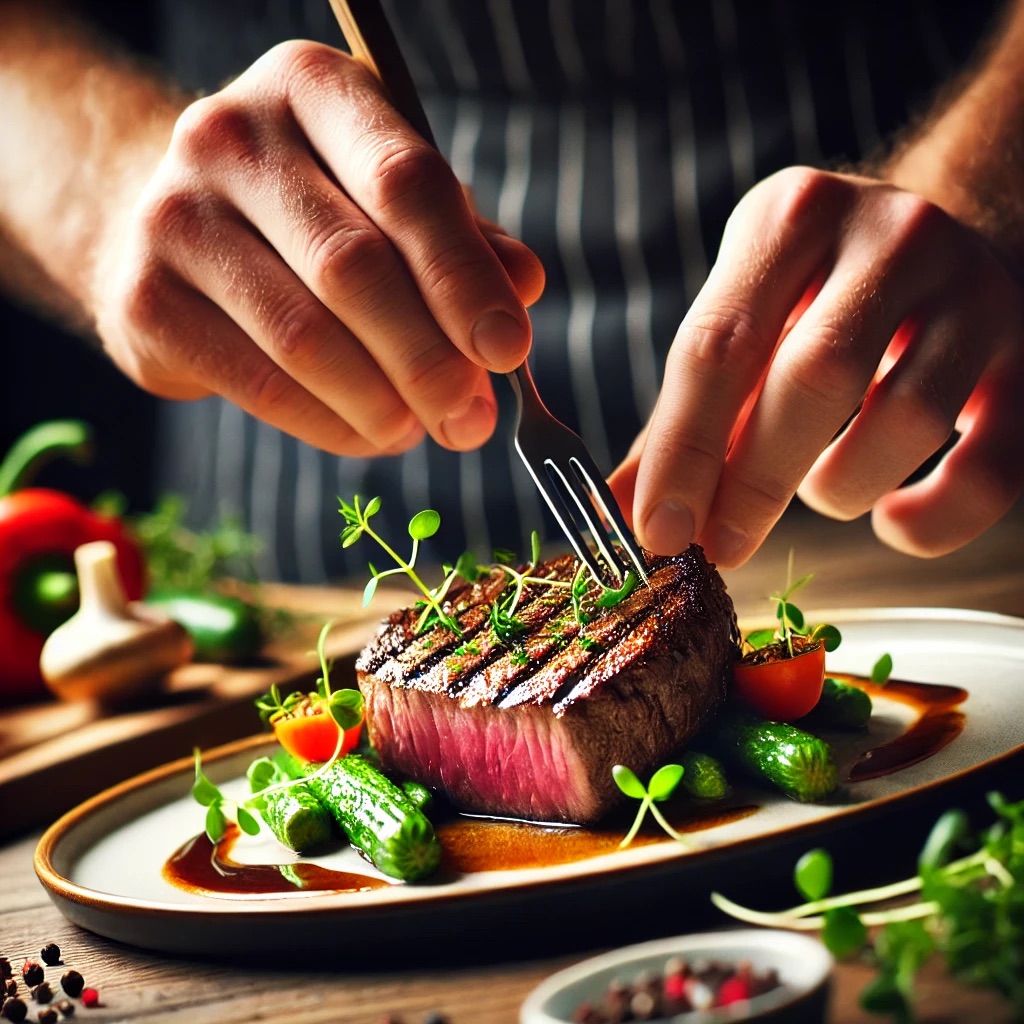
Herbs are nature's flavor enhancers, bringing vibrant tastes and aromas to our meals without the need for excessive salt or fat. In vegan and vegetarian cooking, where the focus is often on fresh vegetables, legumes, and grains, herbs play a crucial role in elevating dishes to new heights. This blog post will explore the various herbs you can use, how to incorporate them into your cooking, and some delicious vegan and vegetarian recipes that showcase their flavors.
The Power of Fresh Herbs
Fresh herbs can transform a simple dish into something extraordinary. They add complexity and depth to flavors, can brighten up heavy meals, and often provide nutritional benefits as well. Here are some common herbs used in vegan and vegetarian cooking:
- Basil: This fragrant herb is a staple in Mediterranean cuisine. Its sweet, peppery flavor pairs well with tomatoes, making it a perfect addition to sauces, salads, and pestos.
- Cilantro: Widely used in Mexican and Asian dishes, cilantro has a fresh, zesty flavor. It’s great in salsas, curries, and as a garnish for soups.
- Parsley: Often overlooked, parsley adds a fresh, mild flavor. It can be used in salads, dressings, and as a garnish for almost any dish.
- Thyme: With its earthy, slightly minty flavor, thyme is perfect for soups, stews, and roasted vegetables.
- Oregano: This herb is essential in Italian and Greek cuisines. It has a warm, aromatic flavor that works well in tomato-based dishes and Mediterranean salads.
- Rosemary: Known for its strong, pine-like flavor, rosemary is excellent in roasted dishes and pairs well with potatoes and bread.
- Dill: With its fresh, slightly tangy flavor, dill is perfect for pickling vegetables and in creamy vegan dressings.
How to Use Herbs in Cooking
Incorporating herbs into your cooking can be done in several ways. Here are a few tips to get you started:
- Fresh vs. Dried: Fresh herbs are generally more aromatic than dried ones. If a recipe calls for fresh herbs and you only have dried, use about one-third of the amount since dried herbs are more concentrated.
- Add Herbs Early for Depth: When cooking soups, stews, or sauces, add hearty herbs like thyme and rosemary early in the cooking process to allow their flavors to infuse.
- Finish with Fresh Herbs: Brighten up your dish by adding fresh herbs at the end of cooking. This works well for dishes like salads, pasta, and grain bowls.
- Experiment with Combinations: Don’t be afraid to mix different herbs together. For example, basil and parsley work well in pesto, while cilantro and lime are a classic pairing in many Mexican dishes.
- Herb-Infused Oils: Create your own herb-infused oils by gently heating olive oil with fresh herbs. Use this oil as a dressing or to drizzle over dishes for added flavor.
Flavorful Vegan and Vegetarian Recipes with Herbs
Now that you know how to use herbs, let’s explore some delicious vegan and vegetarian recipes that highlight their flavors.
1. Herbed Quinoa Salad
Ingredients:
- 1 cup quinoa, rinsed
- 2 cups vegetable broth or water
- 1 cup cherry tomatoes, halved
- 1 cucumber, diced
- 1/4 cup red onion, finely chopped
- 1/4 cup parsley, chopped
- 1/4 cup basil, chopped
- Juice of 1 lemon
- 2 tablespoons olive oil
- Salt and pepper to taste
Instructions:
- In a medium pot, combine quinoa and vegetable broth (or water). Bring to a boil, then reduce heat, cover, and simmer for about 15 minutes or until liquid is absorbed. Fluff with a fork and let cool.
- In a large bowl, combine the cooled quinoa, cherry tomatoes, cucumber, red onion, parsley, and basil.
- In a small bowl, whisk together lemon juice, olive oil, salt, and pepper. Pour over the salad and toss to combine.
- Serve chilled or at room temperature.
2. Creamy Vegan Pesto Pasta
Ingredients:
- 8 oz pasta of choice
- 2 cups fresh basil leaves
- 1/4 cup pine nuts (or walnuts)
- 2 cloves garlic
- 1/4 cup nutritional yeast
- 1/4 cup olive oil
- Salt and pepper to taste
- Cherry tomatoes, for garnish
Instructions:
- Cook pasta according to package instructions. Drain and set aside.
- In a food processor, combine basil, pine nuts, garlic, nutritional yeast, and olive oil. Blend until smooth, adding a little water if needed to achieve a creamy consistency.
- Toss the cooked pasta with the pesto and season with salt and pepper.
- Serve with cherry tomatoes on top.
3. Roasted Vegetables with Thyme and Rosemary
Ingredients:
- 2 cups mixed vegetables (carrots, bell peppers, zucchini, etc.)
- 2 tablespoons olive oil
- 1 teaspoon dried thyme
- 1 teaspoon dried rosemary
- Salt and pepper to taste
Instructions:
- Preheat the oven to 425°F (220°C).
- In a bowl, toss the vegetables with olive oil, thyme, rosemary, salt, and pepper.
- Spread the vegetables on a baking sheet and roast for 25-30 minutes, or until tender and golden brown.
- Serve warm as a side dish or over grains.
Conclusion
Cooking with herbs is an excellent way to enhance the flavor of vegan and vegetarian dishes. By incorporating a variety of fresh herbs into your meals, you can create vibrant, delicious, and nutritious dishes that will please any palate. Experiment with different combinations, try new recipes, and discover the incredible flavors that herbs can bring to your kitchen. Happy cooking!
Related articles
 10 Essential Herbs and Spices to Elevate Your Cooking
 How to Grow Your Own Cooking Herbs at Home
 The Magic of Fresh vs. Dried Herbs
Which Should You Use?
The Magic of Fresh vs. Dried Herbs
Which Should You Use?
 Spice Up Your Life
Unique Spice Blends to Try
Spice Up Your Life
Unique Spice Blends to Try
 Herb-Infused Oils
A Flavorful Addition to Your Kitchen
Herb-Infused Oils
A Flavorful Addition to Your Kitchen
 Cooking with Herbs
Tips for Maximum Flavor
Cooking with Herbs
Tips for Maximum Flavor
 The Art of Seasoning
Balancing Herbs and Spices in Your Dishes
The Art of Seasoning
Balancing Herbs and Spices in Your Dishes
 Herbs and Spices for Every Cuisine
A Global Guide
Herbs and Spices for Every Cuisine
A Global Guide
 The Health Benefits of Cooking with Herbs and Spices
 Herbs in Baking
Surprising Ways to Use Them
Herbs in Baking
Surprising Ways to Use Them
 How to Pair Herbs and Spices with Proteins and Vegetables
 From Garden to Table
Cooking with Seasonal Herbs
From Garden to Table
Cooking with Seasonal Herbs
 Herbs and Spices for Everyday Cooking
Simple Recipes
Herbs and Spices for Everyday Cooking
Simple Recipes
 The Science Behind Flavor
How Herbs and Spices Transform Dishes
The Science Behind Flavor
How Herbs and Spices Transform Dishes
 Cooking with Herbs
A Beginner's Guide to Flavorful Meals
Cooking with Herbs
A Beginner's Guide to Flavorful Meals
 The Best Herbs for Grilling
Enhance Your BBQ Dishes
The Best Herbs for Grilling
Enhance Your BBQ Dishes
 Herbs and Spices
The Secret to Delicious Soups and Stews
Herbs and Spices
The Secret to Delicious Soups and Stews
 Creative Uses for Leftover Herb Stems and Spice Dust
 Herb-Driven Dishes
Recipes That Celebrate Fresh Flavors
Herb-Driven Dishes
Recipes That Celebrate Fresh Flavors
 The Role of Herbs and Spices in Traditional Cuisines
 Herbs for Health
Cooking with Nutrient-Rich Flavors
Herbs for Health
Cooking with Nutrient-Rich Flavors
 Making Your Own Spice Mixes
A Step-by-Step Guide
Making Your Own Spice Mixes
A Step-by-Step Guide
 Herbs for Infusions
Flavoring Your Drinks with Nature's Best
Herbs for Infusions
Flavoring Your Drinks with Nature's Best
 The Ultimate Guide to Cooking with Spices
Tips and Tricks
The Ultimate Guide to Cooking with Spices
Tips and Tricks
 Quick and Easy Herb Recipes for Busy Weeknights
 Herbs and Spices for the Perfect Salad
Fresh Combinations
Herbs and Spices for the Perfect Salad
Fresh Combinations
 Exploring Exotic Spices
How to Use Them in Everyday Cooking
Exploring Exotic Spices
How to Use Them in Everyday Cooking
 Culinary Trends
The Rise of Herbs and Spices in Modern Cuisine
Culinary Trends
The Rise of Herbs and Spices in Modern Cuisine
 Herbs and Spices for Comfort Food
Make Your Favorites Extra Special
Herbs and Spices for Comfort Food
Make Your Favorites Extra Special
 Aromatic Herbs
Transforming Your Cooking with Fragrance
Aromatic Herbs
Transforming Your Cooking with Fragrance
 Cooking with Spices
A Journey Through Flavor Profiles
Cooking with Spices
A Journey Through Flavor Profiles
 Herbs and Spices for Cooking with Kids
Fun and Flavorful Activities
Herbs and Spices for Cooking with Kids
Fun and Flavorful Activities
 The Herbal Kitchen
Organizing Your Spice Collection for Success
The Herbal Kitchen
Organizing Your Spice Collection for Success
 Cooking with Herbs and Spices
A Seasonal Approach
Cooking with Herbs and Spices
A Seasonal Approach
The Best Cooking Techniques to Enhance Herb and Spice Flavor
Herbs and Spices
The Flavor Foundation of Healthy Eating
Exploring Mediterranean Flavors
Cooking with Fresh Herbs
Herbs and Spices for Slow Cooking
Maximizing Flavor in Your Crockpot
The Future of Flavor
Innovative Uses for Herbs and Spices
Herbs and Spices
Creating Signature Dishes at Home
Herb and Spice Pairing
A Guide to Complementary Flavors
Cooking with Herbs and Spices
Tips for Meal Prepping
A Taste of India
Cooking with Traditional Spices
Herbs and Spices in Baking
Unleashing New Flavor Dimensions
Using Herbs and Spices to Create Flavorful Sauces and Marinades
The Benefits of Cooking with Fresh Herbs
A Flavor Revolution
Perfectly Seasoned
Mastering the Use of Herbs and Spices
Herbs and Spices for Meal Enhancement
Simple Cooking Hacks
Cooking with Herbs for Flavorful Vegan and Vegetarian Dishes
Herbs and Spices
Your Secret Weapon for Weeknight Dinners
Categories