The art of cooking
AI CHEF Blog

Knife Skills Demystified: A Step-by-Step Guide to Chopping, Slicing, and Dicing
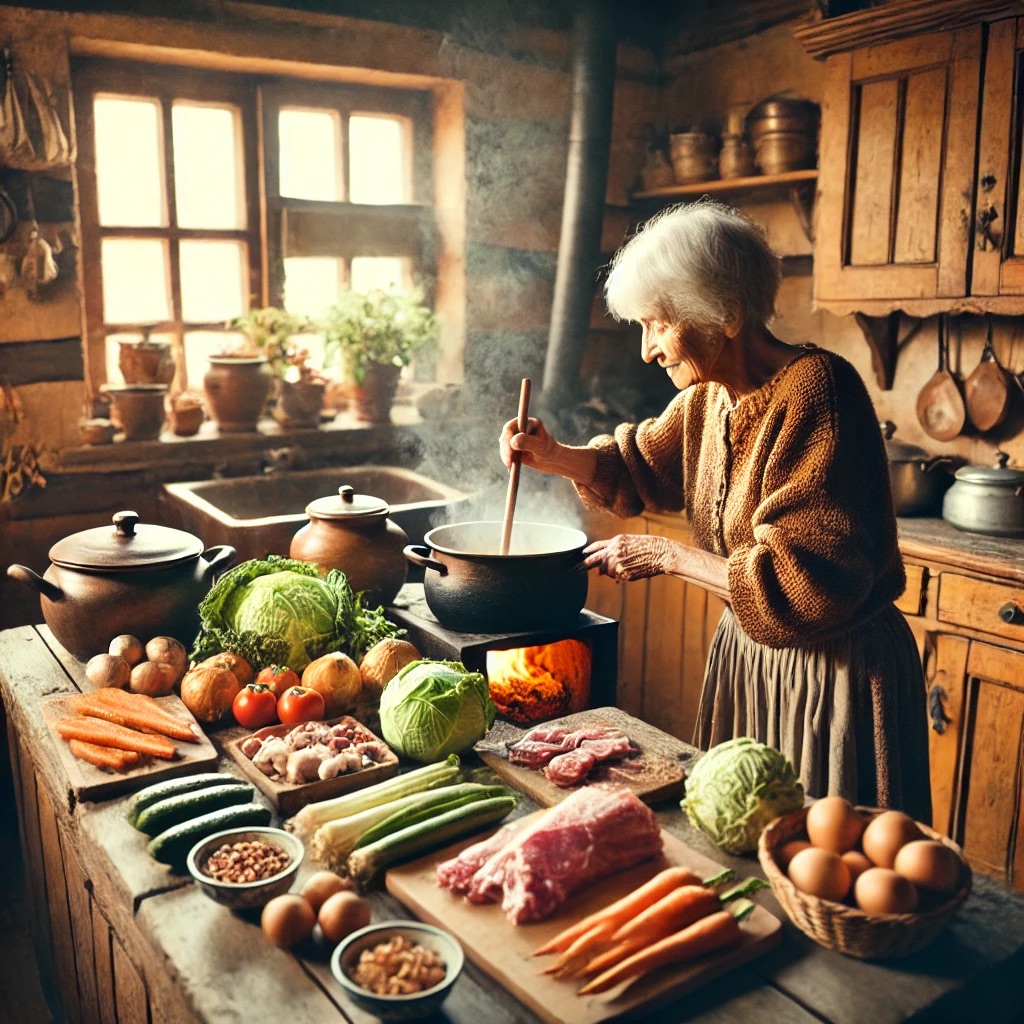
Knife skills are among the most fundamental techniques in cooking, yet many home cooks feel intimidated by the prospect of using a knife. Whether you’re preparing a simple salad or a complex gourmet dish, being proficient with a knife can make food preparation easier, faster, and more enjoyable. In this guide, we will break down the essential knife skills, from the proper grip to advanced techniques, ensuring that you can chop, slice, and dice with confidence.
The Importance of Proper Knife Skills
Having strong knife skills not only improves your efficiency in the kitchen but also enhances the presentation of your dishes. Uniform cuts ensure even cooking, while a well-prepared ingredient can elevate the flavors of your meal. Additionally, mastering knife skills can help prevent accidents and injuries, making cooking a safer experience.
Choosing the Right Knife
Before diving into specific techniques, it’s essential to have the right tools. Here are some knives that every home cook should consider:
- Chef’s Knife: A versatile knife suitable for chopping, slicing, and dicing.
- Paring Knife: Ideal for intricate work, such as peeling fruits and vegetables.
- Serrated Knife: Perfect for slicing bread and soft produce like tomatoes.
- Boning Knife: Useful for deboning meat and fish.
Investing in high-quality knives will improve your cooking experience, as a sharp knife is safer and more efficient.
Knife Grip Techniques
Proper grip is crucial for control and safety. Here are two common grips:
- Pinch Grip: Pinch the blade of the knife between your thumb and index finger, while wrapping your other fingers around the handle. This grip offers stability and control.
- Handle Grip: Hold the handle with your fingers wrapped around it, similar to how you would hold a pen. This is less stable than the pinch grip but can be comfortable for beginners.
Basic Cutting Techniques
Now that you’re familiar with the types of knives and grips, let’s explore some fundamental cutting techniques:
1. Chopping
Chopping involves cutting ingredients into small, rough pieces. It’s often used for vegetables like onions, carrots, and celery. To chop:
- Hold the knife in a pinch grip.
- Position the tip of the knife on the cutting board and lift the handle, rocking the blade back and forth.
- Keep your non-dominant hand in a claw shape, guiding the ingredient while keeping fingers tucked away from the blade.
2. Slicing
Slicing is used to cut food into thin, even pieces, commonly applied to meats and fruits. To slice:
- Use a sharp chef’s knife or serrated knife.
- Place the tip of the knife on the cutting board and apply gentle pressure while moving the blade in a smooth motion.
- Ensure even pressure to create uniform slices.
3. Dicing
Dicing is the process of cutting food into small cubes, which can be used in salads, stir-fries, and more. To dice:
- First, chop the ingredient into slices.
- Stack the slices and cut them into strips.
- Rotate the strips and cut across to create cubes.
Advanced Techniques
Once you’ve mastered the basics, you can experiment with more advanced cutting techniques:
1. Julienne
Julienne is a technique used to cut food into thin matchstick-shaped pieces, often used for vegetables. To julienne:
- Start with a rectangular piece of produce.
- Slice it into even planks.
- Stack the planks and cut them into thin strips.
2. Brunoise
Brunoise is a precise technique that involves dicing food into tiny cubes. To achieve brunoise:
- Julienne the ingredient first.
- Then, slice the strips into small cubes.
Knife Safety Tips
Safety is paramount when using a knife. Here are some essential tips to keep in mind:
- Always cut away from your body.
- Keep your fingers tucked and use the claw grip when holding food.
- Use a cutting board to stabilize your ingredients.
- Regularly sharpen your knives to ensure they cut smoothly.
- Store knives properly, either in a block or with blade guards.
Cleaning and Maintenance
To keep your knives in excellent condition, follow these maintenance tips:
- Hand wash your knives with warm, soapy water and dry them immediately.
- Avoid putting knives in the dishwasher, as this can dull the blade and damage the handle.
- Regularly sharpen your knives using a whetstone or honing rod.
Conclusion
Mastering knife skills is an essential part of becoming a confident and efficient cook. By practicing the techniques outlined in this guide and prioritizing safety and maintenance, you’ll find that chopping, slicing, and dicing become second nature. So grab your knife, practice these skills, and enjoy the process of creating delicious meals!
Related articles
 Mastering the Basics
Chop, Slice, and Dice Like a Pro
Mastering the Basics
Chop, Slice, and Dice Like a Pro
 Knife Skills 101
The Art of Chopping, Slicing, and Dicing
Knife Skills 101
The Art of Chopping, Slicing, and Dicing
 From Amateur to Pro
Essential Knife Skills for Every Cook
From Amateur to Pro
Essential Knife Skills for Every Cook
 The Ultimate Guide to Knife Skills
Chop, Slice, and Dice with Confidence
The Ultimate Guide to Knife Skills
Chop, Slice, and Dice with Confidence
 Cut It Right
A Beginner's Guide to Knife Techniques
Cut It Right
A Beginner's Guide to Knife Techniques
 Chop, Slice, Dice
The Three Pillars of Knife Skills
Chop, Slice, Dice
The Three Pillars of Knife Skills
 Essential Knife Skills
How to Chop, Slice, and Dice Like a Chef
Essential Knife Skills
How to Chop, Slice, and Dice Like a Chef
 Knife Skills for Beginners
Start Chopping, Slicing, and Dicing Today
Knife Skills for Beginners
Start Chopping, Slicing, and Dicing Today
 The Secret to Perfect Knife Skills
Tips for Chopping, Slicing, and Dicing
The Secret to Perfect Knife Skills
Tips for Chopping, Slicing, and Dicing
 Knife Skills Demystified
A Step-by-Step Guide to Chopping, Slicing, and Dicing
Knife Skills Demystified
A Step-by-Step Guide to Chopping, Slicing, and Dicing
 Chop, Slice, Dice
How to Use Your Knife Like a Pro
Chop, Slice, Dice
How to Use Your Knife Like a Pro
 Elevate Your Cooking
Mastering Knife Skills for Chopping, Slicing, and Dicing
Elevate Your Cooking
Mastering Knife Skills for Chopping, Slicing, and Dicing
 Knife Skills Explained
The Basics of Chopping, Slicing, and Dicing
Knife Skills Explained
The Basics of Chopping, Slicing, and Dicing
 From Kitchen Novice to Knife Skills Ninja
Your Guide to Chopping and Slicing
From Kitchen Novice to Knife Skills Ninja
Your Guide to Chopping and Slicing
 The Chef's Guide to Knife Skills
Perfecting Your Chop, Slice, and Dice
The Chef's Guide to Knife Skills
Perfecting Your Chop, Slice, and Dice
 Cutting Edge Techniques
Mastering Knife Skills in Your Kitchen
Cutting Edge Techniques
Mastering Knife Skills in Your Kitchen
 Chop, Slice, Dice
Essential Knife Skills Every Home Cook Should Know
Chop, Slice, Dice
Essential Knife Skills Every Home Cook Should Know
 Knife Skills Essentials
The Basics of Chopping, Slicing, and Dicing
Knife Skills Essentials
The Basics of Chopping, Slicing, and Dicing
 Knife Skills for Home Cooks
How to Chop, Slice, and Dice with Ease
Knife Skills for Home Cooks
How to Chop, Slice, and Dice with Ease
 Unlocking Your Culinary Potential
The Basics of Knife Skills
Unlocking Your Culinary Potential
The Basics of Knife Skills
 Chop, Slice, and Dice Like a Pro
Essential Knife Skills for All Levels
Chop, Slice, and Dice Like a Pro
Essential Knife Skills for All Levels
 Knife Skills Bootcamp
Your Comprehensive Guide to Chopping and Slicing
Knife Skills Bootcamp
Your Comprehensive Guide to Chopping and Slicing
 Precision Cutting
Mastering the Knife Skills of Chop, Slice, and Dice
Precision Cutting
Mastering the Knife Skills of Chop, Slice, and Dice
 Get the Perfect Cut
A Complete Guide to Knife Skills
Get the Perfect Cut
A Complete Guide to Knife Skills
 Knife Skills for Success
How to Chop, Slice, and Dice with Precision
Knife Skills for Success
How to Chop, Slice, and Dice with Precision
 The Basics of Knife Skills
Elevate Your Cooking Game with Chop, Slice, and Dice
The Basics of Knife Skills
Elevate Your Cooking Game with Chop, Slice, and Dice
 Chop, Slice, Dice
A Culinary Journey into Knife Skills
Chop, Slice, Dice
A Culinary Journey into Knife Skills
 The Kitchen Essentials
Understanding Knife Skills for Better Cooking
The Kitchen Essentials
Understanding Knife Skills for Better Cooking
 Knife Skills Made Easy
Chop, Slice, and Dice Like a Culinary Artist
Knife Skills Made Easy
Chop, Slice, and Dice Like a Culinary Artist
 Cutting to the Chase
Mastering Knife Skills for Home Cooking
Cutting to the Chase
Mastering Knife Skills for Home Cooking
 Knife Skills for the Everyday Cook
Tips for Chopping, Slicing, and Dicing
Knife Skills for the Everyday Cook
Tips for Chopping, Slicing, and Dicing
 The Fundamentals of Knife Skills
Chop, Slice, and Dice with Confidence
The Fundamentals of Knife Skills
Chop, Slice, and Dice with Confidence
 Chop, Slice, and Dice
Unlocking the Basics of Knife Skills
Chop, Slice, and Dice
Unlocking the Basics of Knife Skills
 Knife Skills for Culinary Excellence
The Art of Chopping, Slicing, and Dicing
Knife Skills for Culinary Excellence
The Art of Chopping, Slicing, and Dicing
Knife Skills 101
A Beginner's Guide to Chopping, Slicing, and Dicing
Slice, Dice, Chop
The Essential Knife Skills for Every Kitchen
Essential Knife Skills
Mastering the Art of Chopping, Slicing, and Dicing
Knife Skills for Culinary Enthusiasts
Your Guide to Chop, Slice, and Dice
The Art of Cutting
Mastering Knife Skills for Home Chefs
Knife Skills Unleashed
Techniques for Perfect Chopping, Slicing, and Dicing
Master Your Knife Skills
A Comprehensive Guide to Chopping, Slicing, and Dicing
Chop, Slice, and Dice
The Essential Skills for Every Aspiring Chef
Knife Skills Unlocked
Techniques to Chop, Slice, and Dice Like a Pro
The Kitchen Knife Masterclass
Chopping, Slicing, and Dicing Techniques
Knife Skills for the Modern Cook
Perfecting Your Chop, Slice, and Dice
Chop It Like It's Hot
Essential Knife Skills for Every Cook
Knife Skills Bootcamp
Transform Your Cooking with Chopping, Slicing, and Dicing
Knife Skills Made Simple
How to Chop, Slice, and Dice Effectively
The Knife Skills Handbook
Mastering Chop, Slice, and Dice Techniques
Chop, Slice, Dice
A Comprehensive Guide to Essential Knife Skills
Categories